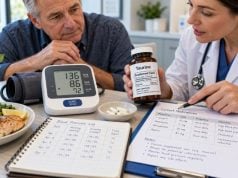
Vaping is not harmless to the heart and blood vessels. Most e-cigarettes deliver nicotine, which can raise heart rate and blood pressure, activate the sympathetic nervous system, and increase vascular stress. The aerosol can also contain ultrafine particles, volatile organic compounds, metals, and other chemicals that may affect the lining of blood vessels. Human studies show short-term changes in heart rate, blood pressure, arterial function, and some electrical measures of the heart after vaping.
What is less certain is the exact long-term risk of heart attack, stroke, heart failure, and cardiovascular death after decades of exclusive e-cigarette use. Vapes are newer than combustible cigarettes, products change rapidly, and many adult users previously smoked or still smoke cigarettes, making long-term studies difficult to interpret. That uncertainty should not be mistaken for proof of safety. Current evidence supports a simple message: people who do not use tobacco or nicotine should not start vaping, and people who smoke should aim to stop combustible cigarettes completely rather than becoming long-term dual users.
Table of Contents
- How Vaping Affects the Cardiovascular System
- Nicotine, Heart Rate, and Blood Pressure
- What Is in Vape Aerosol?
- What Long-Term Studies Show
- Dual Use and Smoking Cessation
- Who Has More Reason to Avoid Vaping
- What to Do If You Want to Quit
How Vaping Affects the Cardiovascular System
An e-cigarette heats a liquid to create an aerosol that the user inhales. The liquid commonly contains nicotine, propylene glycol, vegetable glycerin, flavorings, and other ingredients. Heating changes the mixture and can create additional compounds. The device itself can also contribute metals from coils and other components.
The cardiovascular system is exposed through the lungs. Once inhaled chemicals and nicotine enter the bloodstream, they can affect the heart, blood vessels, platelets, and autonomic nervous system.
Researchers have focused on several pathways:
- sympathetic activation, which can increase heart rate and blood pressure;
- endothelial dysfunction, meaning the inner lining of blood vessels does not relax and respond normally;
- oxidative stress and inflammation, which can damage vascular tissues;
- arterial stiffness, which makes the cardiovascular system work against less flexible arteries;
- platelet activation and clotting changes, which may influence thrombosis risk;
- electrical effects on the heart, including changes in measures related to repolarization and autonomic balance.
These biological effects do not prove that every person who vapes will develop cardiovascular disease. They do show that vaping is not simply “water vapor” and that the heart is exposed to active substances.
The American Heart Association’s scientific statement on e-cigarettes concluded that early molecular and clinical evidence shows acute physiological effects, especially from nicotine-containing products, while emphasizing the need for more long-term research.
Nicotine, Heart Rate, and Blood Pressure
Nicotine is one of the clearest cardiovascular concerns in vaping. It stimulates the release of catecholamines such as adrenaline, which can increase heart rate, constrict some blood vessels, and raise blood pressure.
A 2025 systematic review and meta-analysis found that acute e-cigarette exposure was associated with increases in heart rate and both systolic and diastolic blood pressure compared with non-use. Another 2025 analysis in young adults found smaller but still measurable short-term increases after nicotine-containing vaping, with the strongest effects soon after exposure.
The dose can be hard to judge
Vapes vary greatly in nicotine concentration and delivery. Modern devices can deliver nicotine efficiently, and users may take frequent puffs throughout the day rather than finishing a discrete cigarette and stopping. Nicotine salts can make high concentrations easier to inhale with less throat irritation.
That means “I only vape” does not tell you how much nicotine exposure you have. Frequency, device power, liquid concentration, puff length, and user behavior all matter.
Blood pressure spikes are not the whole story
A temporary increase in blood pressure after vaping does not mean a person has chronic hypertension. However, repeated sympathetic stimulation matters more in people who already have high blood pressure, coronary artery disease, arrhythmias, or other cardiovascular conditions.
If you are trying to understand your numbers, normal and high blood pressure ranges provide more useful context than a single reading taken immediately after nicotine, caffeine, or exercise.
Nicotine-free vaping is not automatically safe
Removing nicotine eliminates one important source of cardiovascular stimulation, but the aerosol still contains heated solvents, flavoring chemicals, particles, and potentially metals. Studies of nicotine-free products generally show fewer acute heart-rate and blood-pressure effects, but they do not establish long-term safety.
What Is in Vape Aerosol?
E-cigarette aerosol usually contains fewer toxic chemicals than combustible cigarette smoke, but “fewer” does not mean “safe.” CDC notes that aerosol can contain nicotine, cancer-causing chemicals, volatile organic compounds, heavy metals such as nickel, tin, and lead, and tiny particles that can reach deep into the lungs.
Heating can create new chemicals
Propylene glycol and vegetable glycerin are common liquid carriers. When heated, they can break down into carbonyl compounds such as formaldehyde, acetaldehyde, and acrolein under some conditions. The amount produced depends on device temperature, coil condition, liquid composition, and user behavior.
“Dry puffs” and overheated devices can generate particularly unpleasant and potentially higher chemical exposures, but ordinary use is not chemically inert either.
Flavorings are made for taste, not necessarily inhalation
A substance can be safe to eat and still behave differently when inhaled into the lungs. Flavor chemicals are diverse, and products change rapidly. This makes it difficult to generalize risk from one flavor or brand to another.
Metals and particles matter to blood vessels
Metal exposure can come from heating coils and device components. Ultrafine particles can reach deep into the respiratory tract and may contribute to inflammation and oxidative stress. The exact cardiovascular impact at real-world exposure levels remains an active area of research.
THC vaping is a separate but overlapping issue
Cannabis vaping products can contain different ingredients and risks from nicotine e-cigarettes. The 2019 outbreak of e-cigarette or vaping product use-associated lung injury was strongly linked to vitamin E acetate in illicit THC products. That episode does not mean standard nicotine vapes caused all cases, but it demonstrates how product composition can create serious and unexpected harm.
Secondhand aerosol is not the same as clean air
People nearby can also be exposed to nicotine, particles, and other constituents released into the air. Secondhand e-cigarette aerosol is generally different from secondhand cigarette smoke, but that does not make indoor vaping harmless. Avoid vaping around children, pregnant people, and anyone with asthma or cardiovascular disease, and follow smoke-free and vape-free rules in shared spaces.
Device settings can change exposure
The same liquid can produce different aerosol depending on coil temperature, power, airflow, and how long or deeply someone inhales. Older coils can also behave differently from new ones. This variability is one reason a label listing only the e-liquid ingredients does not fully describe what reaches the lungs. It also makes long-term research difficult: “vaping” is not one fixed exposure the way a standardized medication dose is.
What Long-Term Studies Show
Long-term cardiovascular evidence is harder to interpret than acute physiology. E-cigarettes became widespread only in the past decade, while atherosclerosis develops over many years. Product designs also change faster than long-term studies can follow them.
Another challenge is smoking history. Many adult vapers are former or current smokers, so researchers must separate damage from previous cigarette exposure from any added effect of vaping.
Observational studies suggest concern, but have limitations
Recent systematic reviews and meta-analyses have found associations between e-cigarette use and cardiovascular outcomes such as coronary disease, major cardiovascular events, myocardial infarction, or stroke. However, results vary by study design, smoking adjustment, and whether users vape exclusively or use both products.
A 2026 meta-analysis involving more than 900,000 e-cigarette users found higher pooled odds of coronary heart disease, major adverse cardiovascular events, and stroke, with especially high risk among dual users. The authors also emphasized substantial heterogeneity and limits in the evidence.
A 2025 systematic review of cardiovascular effects found convincing short-term changes in heart rate and blood pressure but described the evidence linking vaping with established cardiovascular disease as still limited. Both findings can be true at the same time: acute cardiovascular stress is measurable, while the exact magnitude of decades-long disease risk remains uncertain.
For an individual user, that means risk cannot be converted into a trustworthy “X years of vaping equals Y cigarettes” formula. Product type, nicotine dose, previous smoking, dual use, age, blood pressure, cholesterol, and duration all change the picture. Be skeptical of online calculators that claim to provide a precise cardiovascular equivalence. The evidence is not mature enough for that precision.
Electrical effects are also being studied
A 2025 meta-analysis found changes in several ECG repolarization measures among e-cigarette users compared with non-smokers. These measures can be related to arrhythmia vulnerability, but the evidence base was small and does not prove that vaping directly causes dangerous arrhythmias in most users.
If you experience palpitations, fainting, chest discomfort, or sustained rapid heart rate after vaping, that deserves medical evaluation rather than being dismissed as “just nicotine.”
Dual Use and Smoking Cessation
For an adult who currently smokes cigarettes, the risk discussion is different from the discussion for someone who has never used tobacco. Combustible cigarette smoking is a major cause of cardiovascular disease, and smoke contains thousands of chemicals produced by burning tobacco.
Completely switching away from cigarettes may reduce exposure to many combustion-related toxicants. However, using both cigarettes and e-cigarettes for months or years can preserve much of the harm from smoking while adding vaping exposure.
CDC specifically warns that dual use is not an effective way to protect health. Recent cardiovascular meta-analyses also frequently find the highest risk estimates among people who use both products.
If you smoke, quitting smoking produces major cardiovascular benefits. Cutting down can be a step, but complete cessation of combustible tobacco is the goal.
Are e-cigarettes quit-smoking medicines?
In the United States, no e-cigarette has been approved by the FDA as a smoking-cessation medication. Some trials and reviews suggest nicotine e-cigarettes can help some adults stop smoking, but their long-term health effects remain uncertain and persistent vaping is common.
Evidence-based cessation options include counseling plus FDA-approved medications such as nicotine replacement therapy, varenicline, or bupropion when appropriate. A clinician can help match treatment to dependence level, previous quit attempts, mental health, pregnancy status, and medical history.
If an adult smoker uses vaping as a transition tool, the harm-reduction logic depends on completely replacing cigarettes and then working toward freedom from nicotine if possible, not maintaining both products indefinitely.
Who Has More Reason to Avoid Vaping
No one needs vaping for cardiovascular health, but some people have an especially strong reason to avoid nicotine and aerosol exposure.
These include people with:
- coronary artery disease or a previous heart attack;
- uncontrolled high blood pressure;
- significant arrhythmias or recurrent palpitations;
- heart failure;
- peripheral artery disease or prior stroke;
- pregnancy;
- adolescence or young adulthood, when nicotine addiction can develop rapidly.
People who have never smoked should not start vaping. There is no cardiovascular benefit to adding nicotine exposure where none existed.
People who use stimulants also need to pay attention to combined effects. Nicotine taken alongside large amounts of caffeine, energy drinks, certain decongestants, or stimulant medications can produce more noticeable racing heart, tremor, or blood pressure elevation in some individuals. This does not mean every combination is medically dangerous, but recurrent palpitations or marked blood pressure increases should be reviewed rather than repeatedly “pushed through.” The same applies if vaping reliably triggers chest tightness, dizziness, or exercise intolerance.
If you already have coronary disease, the priority should be therapies with proven benefit: stopping tobacco, controlling LDL cholesterol, managing blood pressure and diabetes, exercising as medically appropriate, and taking prescribed antiplatelet or other cardiovascular medicines.
When symptoms need urgent care
Vaping can cause transient palpitations or lightheadedness, but chest pressure, severe shortness of breath, fainting, weakness on one side, or other possible heart-attack or stroke symptoms should be treated as emergencies. Do not assume a serious symptom is simply a “nicotine rush.”
What to Do If You Want to Quit
Nicotine dependence is a biological addiction, so a structured plan works better than relying on willpower alone.
Start by identifying how you use nicotine. Do you vape immediately after waking? Do you take puffs all day? Do you use high-concentration nicotine salts? Do stress, alcohol, driving, or social situations trigger use? These details help estimate dependence and identify where withdrawal will be hardest.
A practical quit plan can include:
- Choose a quit date or a short taper period. Avoid an open-ended plan to “cut back someday.”
- Remove devices, pods, chargers, and backup supplies. Easy access fuels impulsive use.
- Plan for cravings. Short walks, water, gum, breathing exercises, or a change of environment can help during brief craving waves.
- Ask about medication support. Nicotine replacement or other cessation medicines may be appropriate, especially for people with strong dependence.
- Change routines linked to vaping. Coffee, driving, gaming, work breaks, or alcohol may need temporary substitutes.
- Expect withdrawal. Irritability, restlessness, trouble concentrating, low mood, sleep disruption, hunger, and cravings can occur when nicotine stops.
- Treat a lapse as data, not failure. Identify the trigger and restart the plan quickly.
If you also smoke cigarettes, prioritize getting to zero cigarettes. The cardiovascular benefit of quitting combustible smoking is substantial, and heart health begins improving soon after smoking stops.
If you are not ready to quit completely
Use harm reduction in a way that moves toward a clear endpoint. For cigarette smokers, the first priority is eliminating combustible cigarettes rather than simply reducing them while vaping more. For exclusive vapers, useful first steps include delaying the first vape of the day, creating vape-free rooms and activities, reducing automatic “background” puffing, and tracking how quickly pods or liquid are used. These steps reveal dependence patterns and can make a later quit attempt more manageable.
Do not compensate for a lower nicotine concentration by taking much longer or more frequent puffs without noticing. Some people reduce the labeled strength but maintain similar nicotine exposure through heavier use. If tapering repeatedly fails, structured cessation treatment may be more effective than endlessly changing devices or liquids.
What improvement after quitting may look like
People often expect an immediate dramatic change in how the heart feels, but benefits can be subtle. Resting heart rate may fall if nicotine exposure was keeping it elevated, blood pressure spikes around use stop, and cravings gradually become less frequent. Sleep, exercise tolerance, and anxiety related to repeated withdrawal-and-relief cycles may also improve.
If palpitations, chest discomfort, or high blood pressure persist after stopping, do not assume the symptoms should simply resolve with time. They may have another cause that needs evaluation. Quitting nicotine improves the risk environment, but it does not replace a cardiovascular assessment when symptoms are present.
The bottom line is that vaping exposes the cardiovascular system to nicotine and an aerosol that is not biologically neutral. It is probably less toxic than continuing to smoke combustible cigarettes exclusively, but it is not safe, and dual use can erase much of the potential harm reduction. For a person who does not smoke, the healthiest choice is not to vape. For a person who does smoke, the best cardiovascular endpoint is complete tobacco cessation, supported by a realistic plan that also prevents a return to cigarettes during nicotine withdrawal. If quitting vaping is the next goal, measuring daily use and setting a specific reduction or quit target makes progress easier to evaluate than relying on vague intentions.
References
- Electronic cigarettes and cardiovascular outcomes: a systematic review and meta-analysis of Major Adverse Cardiovascular Events (MACE) 2026 (Systematic Review)
- Cardiovascular health effects of vaping e-cigarettes: a systematic review and meta-analysis. 2025 (Systematic Review)
- Can electronic cigarettes affect ECG repolarization indices? A systematic review and meta-analysis. 2025 (Systematic Review)
- Cardiopulmonary Impact of Electronic Cigarettes and Vaping Products: A Scientific Statement From the American Heart Association 2023 (Position Statement)
- Health Effects of Vaping 2025
Disclaimer
This article provides general health information and is not a substitute for medical care or individualized tobacco-cessation treatment. Seek urgent medical attention for chest pressure, severe shortness of breath, fainting, stroke symptoms, or other serious symptoms, whether or not they occur after vaping.