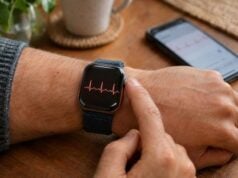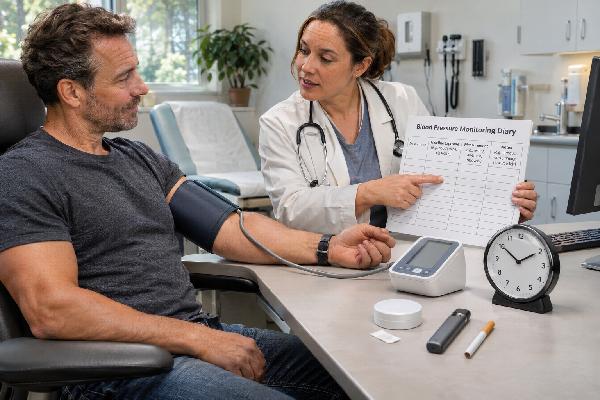
Nicotine can raise blood pressure within minutes because it activates the body’s “fight-or-flight” system. That response releases stress hormones, tightens some blood vessels, speeds the heart, and makes the heart pump more forcefully. The rise is usually temporary after a single dose, but repeated nicotine use can keep producing new spikes throughout the day. The size and duration of the effect vary with dose, delivery method, tolerance, caffeine use, stress, medications, and whether someone already has high blood pressure or cardiovascular disease.
That distinction matters: a brief nicotine-related increase is not the same thing as chronic hypertension, yet frequent exposure can make blood-pressure readings harder to interpret and adds cardiovascular strain. Smoking also exposes the body to many harmful chemicals beyond nicotine, so its heart risks are much greater than a blood-pressure bump alone. Vaping, pouches, gum, lozenges, and patches avoid combustion but still deliver nicotine. Understanding the timing helps you measure blood pressure more accurately and decide when a pattern deserves medical attention.
Table of Contents
- Why nicotine raises blood pressure
- How much blood pressure can rise
- How long the effect lasts
- Nicotine products and different patterns
- How to measure blood pressure around nicotine
- Who should be extra cautious
- What happens when you cut back or quit
Why nicotine raises blood pressure
Nicotine raises blood pressure mainly by stimulating the sympathetic nervous system, the branch of the nervous system that prepares you to respond to a threat. It activates nicotinic acetylcholine receptors in the brain, autonomic nerves, and adrenal glands. This promotes release of catecholamines such as norepinephrine and epinephrine.
Those chemicals create several changes at once:
- Heart rate increases.
- The heart contracts more strongly.
- Some blood vessels narrow, increasing vascular resistance.
- Blood flow is redistributed toward tissues needed for immediate activity.
- The heart needs more oxygen because it is working harder.
The result is often a temporary rise in both systolic pressure, the top number, and diastolic pressure, the bottom number. The pulse may rise at the same time.
Nicotine can also affect the endothelium, the thin cell layer lining blood vessels. Healthy endothelium helps vessels relax by producing substances such as nitric oxide. Repeated nicotine exposure may interfere with normal vascular relaxation and can promote oxidative stress and endothelial dysfunction. This does not mean every nicotine user develops hypertension, but it helps explain why nicotine is not cardiovascularly neutral.
Smoking adds another layer of harm. Cigarette smoke contains carbon monoxide, fine particles, oxidants, and thousands of other chemicals that damage blood vessels, promote inflammation and clotting, and speed atherosclerosis. If you want the broader picture, smoking’s effects on heart disease extend far beyond nicotine’s short-lived pressure response.
A useful way to think about nicotine is that it acts like a repeated cardiovascular stressor. One episode may resolve, but another cigarette, vape session, or pouch can start the cycle again before the body has spent much time at baseline.
How much blood pressure can rise
There is no single number that applies to everyone. Acute studies of nicotine-containing e-cigarettes commonly find small-to-moderate average increases in blood pressure and heart rate shortly after use. A 2025 meta-analysis in young adults found average immediate increases of about 3 mmHg in systolic pressure, 2 mmHg in diastolic pressure, and 4 beats per minute in heart rate after nicotine-containing e-cigarette exposure. Individual responses can be larger than the average.
Several factors can amplify the increase:
- Higher nicotine doses. More nicotine usually produces a stronger sympathetic response, although tolerance changes the experience.
- Fast delivery. Inhaled nicotine reaches the bloodstream and brain quickly, producing a sharper peak than slower products.
- Low tolerance. A person who rarely uses nicotine may feel stronger effects than a regular user taking the same dose.
- Caffeine or stimulants. Coffee, energy drinks, some decongestants, and prescription stimulants can add to the effect.
- Stress, pain, or poor sleep. These already activate stress pathways and can raise a reading further.
- Existing hypertension. Someone whose baseline pressure is high has less room for additional cardiovascular strain.
The number on a home monitor also includes normal measurement variability. A single reading taken right after nicotine does not tell you whether you have chronic hypertension. Blood pressure changes from minute to minute with posture, talking, temperature, a full bladder, exercise, anxiety, and recent meals.
This is why a pattern matters more than one isolated result. If a high number surprises you, repeat it under standardized conditions rather than assuming nicotine is the only cause. A proper home blood-pressure monitoring routine can separate a recurring baseline problem from occasional spikes.
It is also possible for regular users to become less aware of nicotine’s subjective effects without eliminating its cardiovascular effects. Feeling calm after using nicotine can reflect relief of withdrawal rather than a true reduction in physiological stress. Someone may feel more relaxed while heart rate and blood pressure are still temporarily elevated.
How long the effect lasts
The strongest rise usually occurs soon after nicotine reaches the bloodstream, and the acute hemodynamic effect often fades over roughly 30 to 60 minutes after a single exposure. The exact timeline depends heavily on the product.
Nicotine itself has a blood half-life of roughly two hours, meaning the amount in circulation falls by about half over that interval. But blood pressure does not stay elevated in a simple two-hour curve. The sympathetic surge may peak earlier and begin fading while nicotine remains in the body. Cotinine, nicotine’s major metabolite, lasts much longer and is useful for measuring exposure, but it does not produce the same immediate cardiovascular effect.
For a person who smokes or vapes repeatedly, the practical answer is different: pressure may be pushed upward again and again. Ten separate nicotine exposures spread across a day are not one ten-hour spike, but they can create a series of peaks with relatively little nicotine-free time between them.
A 2025 analysis of nicotine-containing electronic cigarettes found the largest average blood-pressure and heart-rate effects immediately after exposure, with measured changes largely dissipating within an hour. Cigarettes can produce a fast and pronounced effect because nicotine enters the lungs and arterial circulation quickly. Oral products rise more slowly. Patches create a steadier level and generally cause less of a sharp peak.
If you are checking whether nicotine is affecting your personal readings, compare like with like. Record one set of readings after you have been nicotine-free and resting, then separately note readings taken soon after your usual product. Do not deliberately take extra nicotine to perform a home “challenge.” The goal is to observe your normal pattern, not provoke a spike.
If readings remain high for hours after nicotine should no longer be causing a strong acute response, look beyond nicotine. Persistent high numbers can reflect underlying hypertension, incorrect cuff size or technique, stress, sleep apnea, medication effects, or other conditions. Review common causes of blood-pressure spikes rather than attributing every high reading to the most recent exposure.
Nicotine products and different patterns
All nicotine-containing products can stimulate the cardiovascular system, but the dose curve differs. Risk also depends on what else the product exposes you to.
| Product | Typical nicotine pattern | Blood-pressure implication | Important context |
|---|---|---|---|
| Cigarettes | Very rapid rise, repeated peaks | Fast temporary increases are common | Combustion adds major cardiovascular harm beyond nicotine |
| Nicotine vaping | Rapid delivery; dose varies greatly by device and use | Can acutely raise systolic and diastolic pressure and heart rate | Aerosol is not harmless, and long-term cardiovascular evidence continues to develop |
| Nicotine pouches | Slower rise through oral tissues; exposure can be substantial | May produce a more gradual but meaningful nicotine effect | Strength varies widely; high-dose products can deliver large amounts |
| Gum or lozenges | Slower, controlled absorption | Usually less abrupt than smoking | Designed for smoking cessation and generally far safer than continuing to smoke |
| Nicotine patch | Slow, steady delivery over many hours | Usually fewer sharp peaks | Useful cessation medication; discuss use if cardiovascular symptoms are unstable |
The cardiovascular risk hierarchy matters. “Nicotine raises blood pressure” should not be misread as “all nicotine products are equally harmful.” Combustible cigarettes are much more dangerous because smoke exposure causes extensive vascular and cardiopulmonary damage. For a smoker, using approved nicotine-replacement therapy to quit is generally a risk-reduction strategy, even though nicotine replacement can have modest cardiovascular effects.
Nicotine pouches are different from traditional chewing tobacco because they do not contain tobacco leaf, but they are not nicotine-free. Product strength is especially important. For a detailed look at this category, see nicotine pouches and heart-health risks.
How to measure blood pressure around nicotine
For a baseline home blood-pressure reading, avoid nicotine for at least 30 minutes beforehand. The same rule usually applies to caffeine and exercise. Then sit quietly for about five minutes, with your back supported, feet flat, legs uncrossed, and arm supported at heart level.
Use a validated upper-arm monitor with the correct cuff size. Take two readings about one minute apart and record both. If your clinician has asked for a home log, measuring in the morning and evening for several days is often more useful than taking readings randomly whenever you feel concerned.
A good measurement checklist is:
- Empty your bladder first.
- Avoid nicotine, caffeine, and exercise for at least 30 minutes.
- Sit quietly without talking for five minutes.
- Place the cuff on bare skin, not over clothing.
- Keep the arm supported at heart level.
- Take two readings one minute apart.
- Record the time, readings, and any unusual factors such as pain, stress, or recent nicotine exposure.
If you want to understand technique in more detail, how to measure blood pressure at home covers positioning, cuff fit, and common errors.
Do not “chase” a high reading by measuring every few minutes for an hour. Anxiety about the number can itself keep pressure elevated. If the first result is unexpectedly high but you feel well, remain seated, relax, and repeat it after several minutes using proper technique.
Who should be extra cautious
Nicotine deserves extra caution when the heart or blood vessels are already under strain. This includes people with poorly controlled hypertension, recent heart attack, unstable angina, serious arrhythmias, advanced peripheral artery disease, or recent stroke. Pregnancy is another setting where nicotine exposure should be avoided because it can affect both the pregnant person and fetal development.
Seek urgent medical care for a very high blood-pressure reading accompanied by symptoms such as chest pain, severe shortness of breath, new weakness or numbness, trouble speaking, confusion, fainting, or sudden severe headache. Do not assume such symptoms are “just nicotine.”
A reading around 180/120 mmHg or higher requires prompt attention, especially if it persists after a brief period of quiet rest or if symptoms are present. Emergency symptoms take priority over home troubleshooting.
People taking blood-pressure medication should not change doses in response to a nicotine-related spike unless a clinician has given a specific plan. Extra medication can cause pressure to fall too low later, after the nicotine effect fades. If nicotine regularly makes your readings jump, bring a log to your clinician so treatment decisions are based on your overall pattern.
Also pay attention to palpitations. Nicotine can raise heart rate and increase adrenergic stimulation, which may make skipped beats or racing sensations more noticeable. New, sustained, or symptomatic palpitations warrant evaluation rather than repeated self-testing with more nicotine or caffeine.
What happens when you cut back or quit
Stopping nicotine removes the repeated acute stimulus, so heart rate and blood-pressure spikes related to each dose can diminish quickly. For people who smoke, quitting produces much broader cardiovascular benefits because it also stops exposure to carbon monoxide, oxidants, and combustion particles. Cardiovascular risk begins improving soon after smoking cessation and continues to fall over time.
The first days can be complicated by withdrawal. Irritability, restlessness, poor sleep, and cravings can temporarily affect how you feel and may influence blood pressure. That does not mean quitting is harming your cardiovascular system. It means the nervous system is adjusting to the absence of a drug it had adapted to.
If you smoke, an abrupt switch to no nicotine is not the only option. Evidence-based cessation approaches include nicotine patches, gum, lozenges, and prescription medications. Nicotine replacement typically delivers nicotine more slowly and without smoke, making it far safer than continuing to smoke. A clinician or pharmacist can help choose a regimen, especially if you have cardiovascular disease or take multiple medications.
For people who vape or use pouches but do not smoke, the goal is different because there is no combustion exposure to replace. Reducing nicotine strength, extending time between uses, setting product-free periods, and using structured cessation support can help break the repeated-dose pattern. Avoid compensating for lower strength by using the product much more frequently.
If your blood pressure remains elevated after you reduce or stop nicotine, treat that as useful information rather than a failure. Nicotine may have been only one contributor. High blood pressure is common and often has no symptoms, so persistent readings deserve proper assessment. Learn the usual thresholds in normal blood-pressure ranges and what the numbers mean, then discuss your average readings and overall cardiovascular risk with a healthcare professional.
The key point is simple: nicotine can raise blood pressure quickly, the strongest effect from one dose usually fades within about an hour, and repeated use can create repeated spikes. The healthiest cardiovascular strategy is to avoid nicotine when possible and, for smokers, to prioritize quitting combustible tobacco using proven cessation tools rather than avoiding nicotine replacement out of fear of a temporary blood-pressure effect.
For home monitoring, timing can prevent confusion. If you are trying to learn your usual blood pressure, avoid measuring immediately after smoking, vaping, or using another nicotine product. Sit quietly first, use a validated upper-arm cuff, support your back and arm, keep your feet flat, and take more than one reading. Record the time of the reading and the time of your last nicotine use. A pattern is more informative than one isolated number.
If you are specifically testing how nicotine affects you, keep the experiment safe and simple rather than deliberately taking extra nicotine. Compare readings from ordinary nicotine-free periods with readings taken during your usual routine. Do not increase your dose to “see what happens.” Home blood-pressure technique matters because talking, a full bladder, recent exercise, caffeine, stress, and poor cuff fit can all move the number enough to hide or exaggerate the nicotine effect. Careful home blood-pressure technique helps make those comparisons more reliable.
Also separate an acute spike from chronic hypertension. A person can have a normal average pressure but still experience repeated nicotine-related increases throughout the day. Another person can have sustained hypertension that remains high even after the immediate nicotine effect has faded. Both patterns matter, but they are managed differently. Repeated spikes increase cardiovascular workload, while persistent hypertension requires a full evaluation for diet, weight, sleep apnea, kidney disease, medications, alcohol, genetics, and other contributors.
Seek urgent medical care for very high blood pressure accompanied by symptoms such as chest pain, severe shortness of breath, new weakness or numbness, confusion, fainting, or a sudden severe headache. Do not assume those symptoms are “just nicotine.” For less dramatic but repeatedly high readings, bring a home log to a clinician. That makes it easier to separate measurement noise, nicotine timing, and a genuinely elevated baseline.
One useful way to think about exposure is in three layers. First is the immediate nicotine response: heart rate rises, blood vessels constrict, and blood pressure can climb for a short period. Second is the repeated-dose pattern: another cigarette, vape session, pouch, gum, or lozenge can arrive before the previous effect has fully disappeared. Third is the baseline cardiovascular picture, which includes your usual blood pressure, cholesterol, diabetes status, kidney health, fitness, sleep, and family history.
That framework explains why two people can react differently to the same nicotine dose. Someone with normal blood pressure and no cardiovascular disease may notice only a brief rise. Someone with uncontrolled hypertension, coronary disease, an arrhythmia, or several risk factors may have less room for repeated stimulation. The number on the cuff is only one part of the response; nicotine also raises heart rate and sympathetic nervous system activity.
If you are trying to quit smoking, do not let fear of a temporary nicotine-related blood-pressure change push you back toward cigarettes. Combustible tobacco adds carbon monoxide, oxidants, and many other toxic substances that create far greater cardiovascular harm. Nicotine replacement is designed to deliver nicotine more slowly and can be part of an evidence-based quit plan. The safest long-term endpoint is no tobacco and, when practical, no nicotine, but the path there should reduce overall harm rather than focus on a single short-lived cuff reading.
For a home log, note morning and evening averages over several days rather than repeatedly checking after every nicotine use. Frequent checking can create anxiety and produce its own reading variability. A structured log gives a clinician much more useful information.
References
- Time- and Dose-Dependent Cardiovascular Effects of Nicotine-Containing Electronic Cigarettes in Young Adults: A Systematic Review and Meta-Analysis 2025 (Systematic Review)
- Nicotine and Cardiovascular Health: When Poison is Addictive – a WHF Policy Brief 2024 (Position Statement)
- Study title: A systematic review of RCTs to examine the risk of adverse cardiovascular events with nicotine use 2023 (Systematic Review)
- Comparison of Acute Effects of E-cigarettes With and Without Nicotine and Tobacco Cigarettes on Hemodynamic and Endothelial Parameters: A Systematic Review and Meta-analysis 2024 (Systematic Review)
- High Blood Pressure Risk Factors 2025 (Official Guidance)
Disclaimer
This article is for general educational purposes and is not a substitute for individualized medical care. If you have very high blood pressure, chest pain, neurologic symptoms, severe shortness of breath, or fainting, seek urgent medical evaluation. Ask a clinician about nicotine cessation and blood-pressure treatment if you have cardiovascular disease, are pregnant, or take prescription medications.