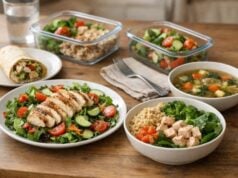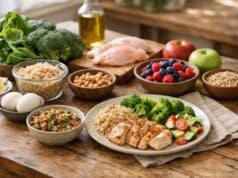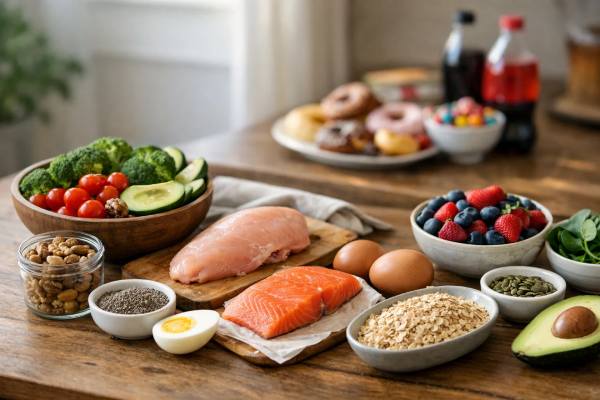
A no-sugar diet can help with weight loss, but not for the reason many people assume. The biggest benefit is usually not that sugar is uniquely fattening on its own. It is that cutting sugary drinks, desserts, snack foods, and sweetened convenience foods often makes it much easier to reduce total calories without feeling like you are constantly dieting.
The most useful version of a no-sugar diet for weight loss is usually not “eat zero grams of sugar forever.” It is a practical plan built around whole foods, enough protein and fiber, fewer added sugars, and fewer highly processed foods that are easy to overeat. Below, you will find what a no-sugar diet really means, what foods to prioritize, what to avoid, how to handle fruit and sweeteners, and what realistic results to expect.
Table of Contents
- What a no-sugar diet actually means
- Can cutting sugar help you lose weight
- What to eat on a no-sugar diet
- What to avoid and how to read labels
- Fruit, dairy and sweeteners: how to handle them
- What to expect in the first few weeks
- How to make a no-sugar diet sustainable
What a no-sugar diet actually means
The phrase “no-sugar diet” sounds simple, but in practice it can mean very different things.
Some people use it to mean no added sugar. Others mean no sweets, desserts, or sugary drinks. A much stricter version means avoiding all sources of sugar, including fruit, milk, and plain yogurt. For weight loss, that last version is usually unnecessary and often makes the diet harder than it needs to be.
The most practical approach is this: focus on eliminating or sharply reducing added sugars and foods built around them, while still eating nutrient-dense foods that naturally contain sugar. That means keeping foods like apples, berries, plain Greek yogurt, milk, beans, oats, and vegetables on the table, while cutting back on soda, candy, pastries, sweetened coffee drinks, sugar-heavy cereals, dessert bars, and sweet sauces.
That distinction matters because a banana and a glazed donut are not the same nutritional experience. Whole fruit comes packaged with water, fiber, chewing resistance, and a lot more fullness per calorie. Highly processed sugary foods are often softer, faster to eat, less filling, and easier to overconsume.
It also helps to know what still counts as sugar even when it sounds more “natural.” Honey, maple syrup, agave, coconut sugar, date syrup, brown rice syrup, and fruit juice concentrate may sound cleaner than table sugar, but they still add sweetness and calories. For a weight-loss plan, they should usually be treated the same way: optional, small, and easy to overdo.
A no-sugar diet is also not the same as a low-carb diet. You can eat potatoes, beans, oats, fruit, and whole grains on a no-sugar diet. The key question is not whether a food contains carbohydrates. It is whether the food is mostly a whole-food carbohydrate source or a concentrated source of added sugar.
The most effective version for most people is somewhere in the middle:
- Avoid added sugars most of the time.
- Base meals on protein, fiber, and minimally processed foods.
- Keep naturally sweet whole foods in the diet when they help with adherence.
- Do not mistake “sugar-free” for “calorie-free” or “automatically healthy.”
That approach is far more sustainable than trying to eliminate every gram of sugar from your life, and it fits better with long-term fat loss than a short burst of rigid restriction.
Can cutting sugar help you lose weight
Yes, cutting sugar can help with weight loss, but usually because it improves your overall calorie intake and food choices rather than acting like a metabolic trick.
For many people, sugary foods are concentrated calorie sources that do not provide much fullness. A can of soda, a sweetened iced coffee, a few cookies, a bowl of sugary cereal, and a nightly dessert habit can add several hundred calories without creating the same satiety you would get from a meal built around protein, fiber, and whole foods. Remove those foods, and the calorie deficit often becomes easier to create.
That is one reason a no-sugar diet can work well during a fat-loss phase. It simplifies a major part of the problem. Instead of trying to micromanage every food choice, you reduce a category that commonly drives overeating. This can be especially helpful if sugary drinks, snacks, or desserts are one of the main ways your daily intake creeps up. It often pairs naturally with a more effective calorie deficit strategy.
Cutting sugar may also help some people with appetite control. Sweet, energy-dense foods are easy to eat quickly, easy to crave again, and easy to stack on top of normal meals. If your usual pattern is “I eat healthy meals, but the snacks and desserts get me,” reducing sugar can make the whole diet feel calmer and more predictable.
That said, a no-sugar diet is not automatic weight loss. You can still overeat on “healthy” foods. Large portions of nut butter, cheese, oils, chips, granola, crackers, restaurant meals, and refined starches can keep calories high even if you never touch dessert. Weight loss still depends on the overall balance of calories in and calories out.
It is also possible to turn a no-sugar diet into an all-or-nothing trap. Some people do well with clear rules. Others end up feeling deprived, then rebound into overeating after a few days of being overly strict. That is why the best no-sugar plan is one you can actually sustain, not just one you can follow for four intense days.
A balanced takeaway looks like this:
- Cutting sugar can reduce calorie intake quickly.
- It often improves diet quality and removes easy-to-overeat foods.
- It works best when replaced with more filling foods, not just more restriction.
- It does not cancel the need to pay attention to portions, hunger, and overall food quality.
If you also want the bigger picture on sweeteners, soda, and how sugary foods fit into a fat-loss plan, it helps to understand what the evidence says about sugar, artificial sweeteners and weight loss.
What to eat on a no-sugar diet
A no-sugar diet works best when it is built around foods that are naturally filling, simple to prepare, and satisfying enough that you do not feel like you are constantly “missing” something. The goal is not to eat a joyless menu of plain chicken and lettuce. It is to shift your day toward foods that make a calorie deficit easier.
In practice, that means centering meals around protein, high-fiber carbohydrates, vegetables, fruit, and moderate portions of healthy fats.
| Food category | Examples | Why it helps |
|---|---|---|
| Lean proteins | Chicken, turkey, fish, eggs, Greek yogurt, cottage cheese, tofu, tempeh | Supports fullness and helps preserve lean mass during weight loss |
| High-fiber carbohydrates | Oats, beans, lentils, potatoes, quinoa, brown rice, whole grains | Provides energy and satiety without relying on sugary foods |
| Vegetables | Leafy greens, broccoli, peppers, cucumbers, carrots, zucchini, cauliflower | Adds volume, nutrients, and fullness for relatively few calories |
| Whole fruit | Berries, apples, oranges, pears, kiwi, bananas | Can satisfy sweet cravings while still contributing fiber and micronutrients |
| Healthy fats | Avocado, nuts, seeds, olive oil, olives | Improves satisfaction and meal quality when portions are controlled |
A simple meal formula is often enough:
- Start with a protein source.
- Add at least one high-volume vegetable.
- Add a smart carbohydrate source if the meal needs more staying power.
- Include a small amount of fat for flavor and satisfaction.
- Use herbs, spices, vinegar, mustard, lemon, salsa, or unsweetened sauces to keep food interesting.
Examples of meals that fit well on a no-sugar diet include:
- Eggs with vegetables and oats
- Greek yogurt with berries, chia seeds, and cinnamon
- Chicken salad with olive oil and vinegar dressing
- Turkey and avocado wrap in a high-fiber wrap with no sweet sauce
- Salmon, potatoes, and roasted vegetables
- Lentil soup with a side salad
- Cottage cheese bowl with cucumber, tomatoes, and fruit
- Tofu stir-fry with vegetables and rice using a lower-sugar sauce
This is also where many people make the diet much easier by stocking the right basics. If your kitchen contains protein foods, frozen vegetables, fruit, oats, beans, plain yogurt, eggs, potatoes, and simple seasonings, you can build satisfying meals without needing sugar-heavy convenience foods. That is the same logic behind the best foods to eat in a calorie deficit.
Protein deserves special attention because it helps blunt the “I cut sweets and now I am starving” problem. If your protein intake is too low, cravings often feel worse simply because meals are not filling enough. A more specific guide to protein intake for weight loss can help you set that part correctly.
The bottom line is that a successful no-sugar diet is not about subtraction alone. It is about replacing sugary foods with meals that actually do a better job.
What to avoid and how to read labels
Most of the value of a no-sugar diet comes from removing foods that deliver a lot of added sugar quickly and often go down with very little resistance. Some are obvious. Others are marketed as healthy and catch people off guard.
The biggest high-sugar foods and drinks to watch include:
- Soda, lemonade, sweet tea, energy drinks, sports drinks, and fruit punch
- Sweetened coffee drinks and flavored creamers
- Candy, chocolate bars, gummies, and “healthy” snack bars
- Cookies, cakes, pastries, donuts, muffins, and sweet breads
- Ice cream, frozen desserts, and many flavored yogurts
- Sugary breakfast cereals and instant oatmeal packets
- Jams, syrups, dessert sauces, and sweet spreads
- Ketchup-heavy meals, barbecue sauce, sweet chili sauce, teriyaki sauce, and many bottled dressings
- Fruit juice and juice blends
- Granola and trail mixes with added sugar
For many people, the hidden sugar category matters just as much as dessert. Yogurt, protein bars, peanut butter, tomato sauce, oat milk, cereal, packaged soup, sandwich bread, and “fitness” snacks can all carry more added sugar than expected.
A practical label-reading system is simple:
- Check the added sugars line first if the package shows it.
- Look at the ingredient list for multiple sugar sources.
- Pay attention to serving size, because many products look low in sugar until you realize the package contains two or three servings.
| Name on label | What it means in practice |
|---|---|
| Sugar, cane sugar, brown sugar | Standard added sugar |
| High-fructose corn syrup, corn syrup | Added sweetener commonly used in processed foods and drinks |
| Dextrose, fructose, sucrose, glucose, maltose | Different forms of simple sugars |
| Honey, maple syrup, agave nectar | Still concentrated sugar, even if less processed |
| Fruit juice concentrate | Often used to sweeten packaged foods |
| Brown rice syrup, molasses, malt syrup | Alternative sweeteners that still add calories and sweetness |
You do not need to become paranoid about every gram. The goal is to spot foods where added sugar is doing a lot of the work. If a product is supposed to be savory or protein-forward and sugar shows up high on the ingredient list, that is often a sign it is not the best fit for this phase.
This is also why grocery structure matters. If you regularly bring home sugary snack foods, they will eventually get eaten. A more deliberate weight loss grocery list for beginners makes this much easier. And if you want a broader list of foods that tend to quietly sabotage a calorie deficit, see foods to avoid in a calorie deficit.
A good rule is to make sugary foods the exception, not the default background of your diet.
Fruit, dairy and sweeteners: how to handle them
This is the part of a no-sugar diet that confuses people most. Do you need to cut fruit? What about milk? Is a diet soda helpful or harmful? The answer depends on context, but for weight loss the middle ground is usually the smartest.
Fruit
Whole fruit does contain sugar, but it is usually not the problem. Fruit also brings water, fiber, volume, chewing, and nutrients. For many people, fruit actually makes a no-sugar diet easier because it gives them a naturally sweet option that is harder to overeat than cookies, ice cream, or candy.
Berries, apples, oranges, pears, kiwi, and melon are especially useful because they are filling for their calories. Bananas and grapes can fit too. The key is portion awareness, not fear. If fruit helps you stay away from dessert, it is often working in your favor. For more ideas, the best options are often similar to those in the best fruits for weight loss.
Fruit juice is different. Juice removes much of the fullness and chewing that make fruit helpful. A glass of juice is easy to drink quickly and may not reduce hunger much at all. For a no-sugar diet aimed at fat loss, juice is usually better treated like a sugary drink than like fruit.
Dairy
Plain milk, plain yogurt, kefir, and cottage cheese naturally contain some sugar from lactose, but they are not the same as high-sugar desserts. What matters more is whether the product is sweetened. Plain Greek yogurt is usually a strong choice. Sweetened flavored yogurt can feel more like a dessert product.
Artificial sweeteners and sugar substitutes
These can be useful as a transition tool, but they are not magic. Swapping regular soda for diet soda or using a no-calorie sweetener in coffee may help reduce calories. For some people, that makes adherence much easier. For others, keeping foods very sweet maintains cravings and keeps the diet mentally centered around sweets.
A practical way to think about sweeteners is this:
- If they help you stay in a calorie deficit without triggering more cravings, they can be useful.
- If they keep you chasing sweet taste all day, they may not help much.
- Over time, many people do better by reducing the overall intensity of sweetness in the diet, not just switching sweetener type.
Sugar alcohols such as erythritol, xylitol, maltitol, and sorbitol can also show up in sugar-free products. These may lower sugar content, but they can cause bloating or digestive discomfort in some people, especially in larger amounts.
If you tend to crave sweets daily, it often helps to use planned replacements instead of relying on willpower alone. A few smart ideas from sweet tooth swaps for weight loss can make this phase much more manageable.
The main point is simple: do not lump whole fruit, plain yogurt, and a sugar-free gum into the same category as soda and candy. A useful no-sugar diet separates foods by how they affect fullness, calories, and behavior, not just by whether the label says “sugar.”
What to expect in the first few weeks
The first few weeks on a no-sugar diet are often encouraging, but they can also be misunderstood. Some changes are real fat-loss progress. Others are temporary appetite shifts, water changes, or simple changes in routine.
A lot of people notice an early drop on the scale in the first several days, especially if they were previously eating a lot of sugary drinks, takeout, desserts, and refined snack foods. Some of that may be true fat loss if calories fall meaningfully. Some of it may also come from less sodium, fewer ultra-processed foods, and slightly lower glycogen-related water weight.
You may also notice that your taste starts to reset. Foods like berries, plain yogurt, oats, or even roasted carrots may taste sweeter after a week or two without constant exposure to highly sweet foods. This is one of the quieter benefits of cutting sugar: it often lowers the intensity of sweetness you think you need.
At the same time, the first several days can feel bumpy if you were relying on sugary foods for convenience, comfort, or quick energy. Cravings, irritability, low mood, or “I just want something sweet after dinner” moments are common at first. Often that is less about sugar withdrawal in a strict medical sense and more about habit disruption, lower overall calories, or the sudden removal of a frequent reward food.
| Time period | Common experience | What it usually means |
|---|---|---|
| Days 1 to 3 | Strong cravings, routine disruption, more label checking | You are adjusting habits and food choices |
| Days 4 to 7 | Less snacking for some people, possible early scale drop | Calories may be lower and water balance may be shifting |
| Weeks 2 to 3 | Meals feel more normal, sweet taste may feel less intense | Appetite and expectations are starting to adapt |
| Weeks 3 to 4 | Better idea of whether the plan is sustainable | Longer-term fat loss depends on consistency and total intake |
A few things not to expect:
- You should not expect sugar removal alone to overcome overeating in every other category.
- You should not expect every craving to disappear forever.
- You should not expect the early scale drop to continue at the same speed indefinitely.
A realistic way to judge whether it is working is to look at your first week, then your first month. Are cravings less chaotic? Are calories easier to control? Are you snacking less? Are meals more balanced? Is your weight trending down over time? Those are much better signs than chasing a dramatic first-day result. Broader expectations are often similar to what people notice in the first week of weight loss and the first month of weight loss.
If the diet feels cleaner but your weight is not moving after a few weeks, the issue is usually not hidden sugar. It is that total calories are still too high or portions have crept up elsewhere.
How to make a no-sugar diet sustainable
The difference between a no-sugar diet that works for two weeks and one that actually helps you lose weight is not motivation. It is structure.
The most sustainable version is usually not “never eat anything sweet again.” It is a plan that sharply reduces added sugar while leaving enough flexibility that you can keep going through weekends, social events, travel, and stressful weeks.
A practical approach looks like this:
- Choose your rule set clearly.
Decide whether your plan means no sugary drinks, no desserts on weekdays, no foods with more than a certain amount of added sugar per serving, or no added sugar at home. Vague rules tend to get negotiated away. - Build repeatable meals.
Breakfast, lunch, and dinner should not require creativity every day. Keep a few default meals that are easy, high in protein, and low in added sugar. - Plan for cravings before they happen.
Keep fruit, plain yogurt, high-protein snacks, tea, sparkling water, and other lower-sugar options ready. Do not wait until 9 p.m. and then hope discipline appears. - Watch replacement calories.
A common mistake is replacing sugar with large amounts of nuts, cheese, nut butter, dried fruit, or “clean” snacks that are still energy-dense. - Avoid perfectionism.
One unplanned dessert does not mean the diet is ruined. The faster you return to normal eating, the better the outcome. - Track in a way that suits you.
Some people do best with calorie tracking for a while. Others do better with a plate method, protein targets, and routine meals. The right system is the one you can repeat.
If you like some flexibility, a more moderate structure often works better than strict purity. That is why a no-sugar phase can fit inside a broader flexible dieting approach for weight loss rather than replacing it completely. You can also keep progress moving with methods such as tracking without counting calories if detailed logging makes you burn out.
A few practical sustainability rules help a lot:
- Keep sugary drinks out of the daily routine first.
- Save sweeter foods for planned occasions instead of random habit eating.
- Make protein and fiber non-negotiable at meals.
- Keep home food choices simpler than restaurant or travel choices.
- Judge success by consistency, not by whether you ate perfectly.
For many people, the best no-sugar diet is not a forever identity. It is a reset period that teaches better label awareness, better craving management, and better meal structure. Once those habits are in place, some added sugar can fit back into the diet without taking over again.
That is the real goal: not to fear sugar, but to stop letting sugary foods run the day.
References
- Overweight and obesity management 2025 (Guideline)
- Use of non-sugar sweeteners: WHO guideline 2023 (Guideline)
- Health effects of the use of non-sugar sweeteners: a systematic review and meta-analysis 2022 (Systematic Review)
- Ultra-processed Food and Obesity: What Is the Evidence? 2024 (Review)
- Guideline: sugars intake for adults and children 2015 (Guideline)
Disclaimer
This article is for general educational purposes only and is not a substitute for medical advice, diagnosis, or treatment. If you have diabetes, a history of disordered eating, are pregnant, or have another condition that affects diet or blood sugar, get personalized guidance from a qualified clinician or dietitian before making major dietary changes.
If this article helped you, please share it on Facebook, X, or any platform where it could help someone else make smarter weight-loss choices.