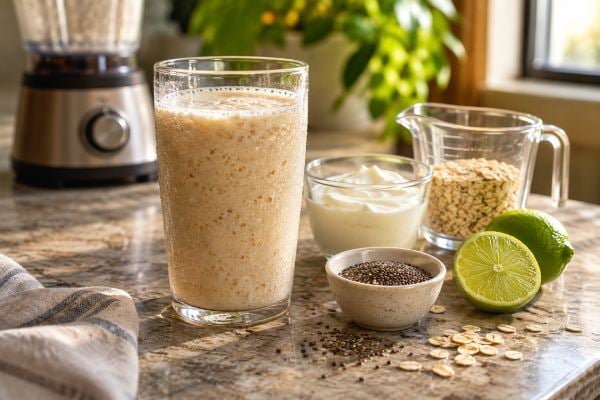
“Oatzempic” is a social-media name for a blended oat drink, usually made with oats, water, and lime or lemon juice. The name suggests a connection to Ozempic, but the comparison is misleading. Oats are a food; semaglutide is a prescription GLP-1 receptor agonist with specific pharmacologic effects on appetite, glucose regulation, and body weight. There is no clinical evidence that an oat-and-water drink reproduces those drug effects or produces comparable weight loss.
For blood sugar, the drink is not automatically good or bad. Oats contain beta-glucan, a soluble fiber that can reduce post-meal glucose responses under the right conditions. But blending changes food structure, and a typical “Oatzempic” recipe can deliver a substantial amount of carbohydrate in liquid form with little protein. Some people may tolerate it well; others may see a quick glucose rise or feel hungry afterward. If you enjoy it, stop treating it as a drug substitute and build it like a balanced meal: keep the oat portion reasonable, retain the fiber, add protein, and judge it by your actual glucose response.
Table of Contents
- What Is the Oatzempic Drink?
- Does Oatzempic Work Like Ozempic?
- What Oats Can Actually Do for Blood Sugar
- Why the Drink Can Spike Glucose
- How to Make Oatzempic Less “Spiky”
- Who Should Be Cautious With the Trend
- Bottom Line: Food, Not a GLP-1 Substitute
What Is the Oatzempic Drink?
The viral “Oatzempic” drink is usually a simple blend of oats, water, and lime or lemon juice. A commonly shared version uses about 1/2 cup of oats with about 1 cup of water and citrus juice. Some versions add cinnamon, sweetener, ice, or other ingredients.
The name is a mashup of “oats” and “Ozempic.” It became popular because social-media posts claimed the drink could suppress appetite or cause rapid weight loss in a way that resembled semaglutide. That is where the comparison stops being useful.
Nutritionally, the basic drink is essentially a serving of oats dispersed in water. If all the oat solids are consumed, the drink still contains the oats’ carbohydrate and at least some of their fiber. If it is strained, some of the fiber and solids are removed. If the recipe is sweetened, carbohydrate increases further.
The citrus juice mainly changes flavor and acidity. It does not turn the drink into a medication or erase the starch in the oats. Likewise, cinnamon may add flavor but should not be viewed as an antidote to carbohydrate.
The word “drink” can also make the portion feel lighter than it is. Half a cup of dry oats is a real serving of grain whether it is eaten with a spoon or blended with water. If someone drinks it in addition to breakfast rather than instead of part of breakfast, total energy and carbohydrate intake can rise rather than fall.
That is why the first step is to define what role the drink is playing. Is it a small breakfast? A snack? A pre-meal fiber drink? An extra beverage on top of a normal meal? The same recipe can have very different effects depending on the context.
For a broader guide to liquid meals, see how to blend a smoothie without a large glucose spike.
Does Oatzempic Work Like Ozempic?
No. The similar name does not reflect a similar treatment.
Ozempic contains semaglutide, a GLP-1 receptor agonist prescribed for type 2 diabetes. Semaglutide activates GLP-1 receptors and has pharmacologic effects on glucose-dependent insulin secretion, glucagon regulation, appetite, food intake, and gastrointestinal function. Related semaglutide products are also used for chronic weight management at approved doses and indications.
Clinical trials of semaglutide show substantial effects that cannot be assumed from eating oats. In a 2024 randomized trial in adults with obesity, oral semaglutide reduced energy intake and body weight and changed hunger, fullness, and eating control over 20 weeks. Large semaglutide trials have also shown meaningful A1C reductions in people with type 2 diabetes.
There are no comparable clinical trials showing that the viral oat drink activates GLP-1 receptors like a drug, produces drug-level weight loss, or provides the same diabetes treatment effect. Oats can influence satiety and post-meal glucose through ordinary food mechanisms, particularly fiber and food structure, but that is not pharmacologic GLP-1 receptor agonism.
A useful analogy is that a brisk walk and a blood-pressure medication can both influence blood pressure, but that does not make the walk a homemade version of the medication. Different interventions can affect the same health outcome through different mechanisms and with very different effect sizes.
The “natural Ozempic” framing can be risky because it encourages people to substitute a viral recipe for evidence-based treatment. Someone with diabetes should not stop semaglutide, insulin, metformin, or another prescribed medication because they started drinking oats. Medication decisions belong with the prescribing clinician.
It is also inaccurate to assume any weight lost while following the trend proves a special oat effect. If a person replaces a 700-calorie breakfast with a 250-calorie oat drink, total calorie intake may fall. If they fast for long periods, skip meals, or eat less because they are following a rigid trend, weight may decrease for reasons that have little to do with the drink itself.
What Oats Can Actually Do for Blood Sugar
Oats do have legitimate metabolic advantages, and those benefits are more interesting when they are described accurately.
Their best-studied component is beta-glucan, a soluble fiber that can increase the viscosity of intestinal contents. Greater viscosity can slow the interaction between digestive enzymes and nutrients and delay glucose absorption. Recent randomized research shows that oat beta-glucan consumed with carbohydrate can reduce early post-meal glucose and insulin responses, with the effect depending on dose and the physical properties of the fiber.
Oat structure matters as well. Larger particles and more intact oat forms generally produce a slower glucose response than finely milled oats. A 2024 randomized crossover trial found lower glucose and insulin exposure after coarse or whole oat flour compared with finer oat flour. Earlier controlled work also showed that processing changes beta-glucan viscosity and post-meal responses.
This is important for Oatzempic because the viral recipe is blended. Blending does not destroy all fiber, but it mechanically disrupts the oat particles. That can make starch more accessible to digestive enzymes. There are no good trials establishing the glycemic index of the exact viral recipe, so claims that it “stabilizes blood sugar” for everyone go beyond the evidence.
The amount of beta-glucan also matters. A typical serving of oats contains some beta-glucan, but the exact amount varies. Controlled studies that demonstrate glucose-lowering effects often standardize the beta-glucan dose and carbohydrate load more precisely than a home recipe does.
Oats can therefore be part of a healthy eating pattern, but their benefits do not require turning them into a viral drink. Steel-cut oats, rolled oats, overnight oats, and other minimally processed oat foods may preserve more useful food structure. See which oatmeal types and toppings are better for blood sugar.
The larger lesson is that oats are beneficial because they are a fiber-containing whole grain, not because the word “Oatzempic” gives them drug-like properties.
Why the Drink Can Spike Glucose
A basic Oatzempic recipe can contain a moderate amount of carbohydrate from the oats. Whether that produces a small or large glucose rise depends on several factors.
The oats are blended. Smaller particles generally expose more starch surface area to digestive enzymes. Research on oat particle size supports the idea that finer oat structures can produce higher post-meal glucose than coarser forms. It would be too strong to claim that every blended oat drink is high glycemic, but the processing direction is relevant.
It is easy to drink quickly. Liquids require less chewing and can be consumed in a few minutes. Speed of eating is not the only driver of glycemia, but a fast liquid meal can deliver carbohydrate more rapidly than a slowly eaten bowl with intact pieces.
Protein is usually low. Oats contain some protein, but a basic oats-water-citrus recipe is still dominated by carbohydrate. A breakfast with little protein may also be less satisfying for some people.
The recipe may be sweetened. Honey, maple syrup, dates, flavored protein powders, or juice add carbohydrate. The original trend may not require sweetener, but many adaptations do.
The portion may be bigger than it looks. Half a cup of dry oats is not a “free” beverage. Using a full cup of dry oats or drinking multiple servings greatly increases the carbohydrate load.
Some people are more carbohydrate-sensitive in the morning. Prediabetes, type 2 diabetes, insulin resistance, poor sleep, illness, stress hormones, and medication timing can all change the response.
Straining can remove useful solids. If you blend and then strain the drink to make it thinner, you may discard part of the fiber-rich oat material while retaining some soluble carbohydrate. That is unlikely to improve its glucose profile.
A glucose rise also depends on what comes next. If the drink is followed by toast, cereal, fruit juice, or a sweet coffee, the total breakfast carbohydrate may be large. If it is paired with eggs, tofu, yogurt, or another protein source, the meal is more balanced.
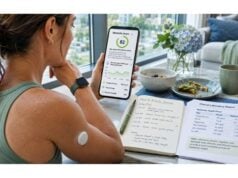
For people who use CGM, avoid judging the drink from one trace. Glucose sensors have normal variability, and the same recipe can produce different curves on different days. Compare repeat exposures under similar conditions before concluding that a food always “spikes” you.
How to Make Oatzempic Less “Spiky”
If you like the taste or convenience, you can improve the recipe without pretending it is medication.
1. Use a modest oat portion. Start around 1/3 to 1/2 cup dry oats rather than filling the blender freely. If you are highly insulin-resistant or adding other carbohydrate to the meal, the smaller end may work better.
2. Do not strain it. Keeping the oat solids preserves more of the original fiber and grain material. A thick texture may also encourage slower consumption.
3. Add protein. Plain Greek yogurt, cottage cheese, unsweetened soy milk, or a protein powder that fits your needs can make the drink more balanced. If you do not want protein in the blender, eat eggs, tofu, yogurt, or another protein source alongside it.
4. Add viscous or intact fiber. Chia seeds or ground flax can thicken the drink and increase fiber. Letting chia hydrate before drinking can create a more substantial texture. Increase fiber gradually if you are prone to bloating.
5. Skip concentrated sweeteners. Lime, lemon, cinnamon, vanilla, or a few berries can add flavor without turning the drink into a dessert. Honey and maple syrup may be “natural,” but they still add rapidly available carbohydrate.
6. Consider using rolled oats without fully pulverizing them. A brief blend that leaves some texture may preserve more particle structure than blending until completely smooth. There is no trial proving an exact blender time, so think of this as a reasonable food-structure strategy rather than a guaranteed glucose hack.
7. Drink it as part of a meal, not as a magic preload. If you consume the oat drink and then eat a full carbohydrate-heavy breakfast, you may simply add more carbohydrate. Decide what the drink is replacing.
8. Walk afterward when practical. A short post-meal walk can improve muscle glucose uptake and reduce post-meal excursions. See why walking after meals helps lower glucose spikes.
A more balanced version might be:
- 1/3 cup thick rolled oats;
- 1 cup water or unsweetened soy milk;
- 1 tablespoon chia seeds;
- lime or lemon juice to taste;
- cinnamon;
- a protein source, such as plain Greek yogurt or an appropriate protein powder.
This is no longer the minimalist viral recipe, but that is the point. A blood-sugar-friendly meal is built around nutrition, not branding.
If you would rather chew breakfast, a bowl of less-processed oatmeal with protein and seeds may be at least as practical and can preserve more grain structure.
Who Should Be Cautious With the Trend
The drink is made from ordinary foods, but the way people use the trend can create problems.
People with diabetes taking insulin or sulfonylureas should be careful with fasting, skipping meals, or dramatically changing carbohydrate intake. A viral plan that involves replacing multiple meals can increase hypoglycemia risk if medication is not adjusted appropriately.
People with gastroparesis or significant gastrointestinal symptoms may not tolerate a high-fiber drink well. Large amounts of oats and chia can worsen fullness, bloating, or discomfort in some people. People using GLP-1 medications who already have nausea or early satiety may also find a thick high-fiber drink uncomfortable.
People with celiac disease need oats specifically labeled gluten-free because ordinary oats can be contaminated with wheat, barley, or rye during growing and processing. A small subset of people with celiac disease may also react to oat proteins and should follow their clinician’s guidance.
People with eating-disorder histories or highly restrictive eating patterns should be wary of social-media plans promising rapid weight loss through fasting and meal replacement. The problem is not the oats; it is the restrictive framework and exaggerated promise.
People with chronic kidney disease or other conditions requiring individualized potassium, phosphorus, protein, or fluid targets should not assume a viral recipe fits their plan simply because the ingredients seem healthy.
The same caution applies to medication substitution. Oatzempic is not a reason to discontinue semaglutide or another diabetes or obesity treatment. If cost, side effects, access, or preference is making you consider stopping a GLP-1 medication, discuss those issues directly with the prescriber.
If the drink repeatedly causes large glucose excursions, there is no metabolic virtue in forcing yourself to keep drinking it. Choose a breakfast that works better for your body.
Bottom Line: Food, Not a GLP-1 Substitute
Oatzempic is a clever name for an oat drink, not a homemade GLP-1 medication.
Oats have real evidence behind them. Their beta-glucan fiber and whole-grain structure can support healthier post-meal glucose responses, and eating oats may be a useful part of a high-fiber dietary pattern. But those benefits are modest food effects, not the pharmacologic effects seen with semaglutide.
If you want to try the trend, treat the drink as a serving of grain. Keep the oat portion reasonable, avoid added sugar, retain the solids, include protein, and add fiber-rich ingredients such as chia if tolerated. Do not drink it on top of a carbohydrate-heavy breakfast and assume the lime juice will protect you from a glucose rise.
If weight loss is the goal, focus on the overall pattern: calorie intake, protein adequacy, fiber, minimally processed foods, sleep, activity, and a plan you can sustain. Replacing a high-calorie breakfast with a smaller oat-based meal may reduce calories, but that is not evidence that Oatzempic has a unique fat-burning effect.
If blood sugar is the goal, compare the drink with alternatives that contain the same or less carbohydrate and more protein. A bowl of steel-cut oats with Greek yogurt, an egg-and-vegetable breakfast, or a lower-carbohydrate smoothie may work better depending on your glucose response. Blood-sugar-friendly breakfast ideas can help put the choice in context.
The trend is safest when stripped of its hype: oats are nutritious; semaglutide is a medication; one is not a substitute for the other. Use the drink because you like it and it fits your nutrition plan, not because a viral nickname promises prescription-level results.
References
- Clinical and mechanistic evidence on metabolic effects of oat β-glucan, rice bran, and unripe banana flour: a systematic review with mechanism-informed synthesis 2026 (Systematic Review)
- Oat beta-glucans consumed at breakfast improve glucose tolerance acutely and after a subsequent lunch – a randomized dose-response study in healthy young adults 2025 (Randomized Controlled Trial)
- Effect of oral semaglutide on energy intake, appetite, control of eating and gastric emptying in adults living with obesity: A randomized controlled trial 2024 (Randomized Controlled Trial)
- Mechanisms of action and therapeutic applications of GLP-1 and dual GIP/GLP-1 receptor agonists 2024 (Review)
- Increasing particle size of oat flours decreases postprandial glycemia and increases appetite in healthy adults 2024 (Randomized Controlled Trial)
- Effect of processing on oat β-glucan viscosity, postprandial glycemic response and subjective measures of appetite 2021 (Randomized Controlled Trial)
Disclaimer
This article is for general education and is not medical advice. Oatzempic is not a substitute for semaglutide, insulin, or any prescribed diabetes or weight-management treatment. If you have diabetes, take glucose-lowering medication, have significant gastrointestinal disease, or are considering major fasting or meal-replacement changes, discuss the plan with your clinician or dietitian.