
Zone 2 and Insulin Sensitivity: Dosing for Metabolic Longevity
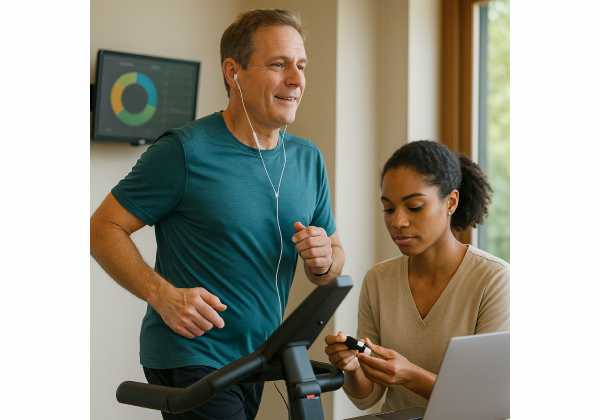
Zone 2 training improves insulin sensitivity because working muscle becomes better at taking up glucose, storing glycogen, burning fat, and using oxygen. The useful...
Balancing the Longevity Pillars: How to Sequence Changes Without Overwhelm
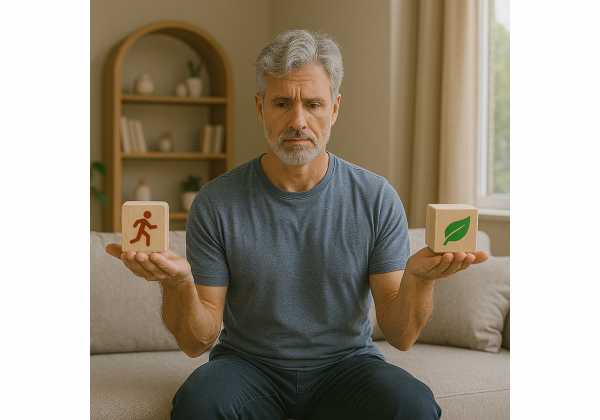
Longevity habits work best when they support each other instead of competing for the same time, energy, and attention. Sleep affects appetite and training....
Baseline Self-Assessment for Longevity: Where You Stand Now
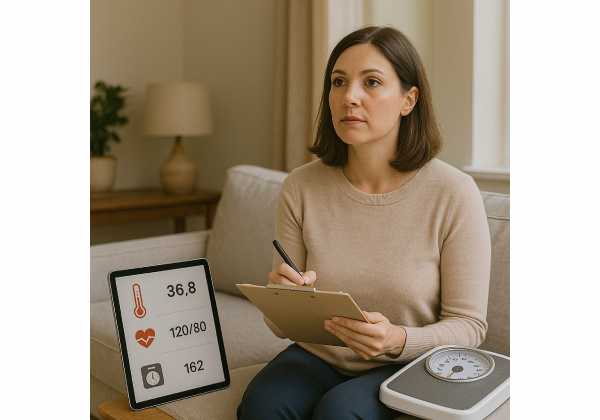
A useful longevity plan starts with honest measurement. Age alone tells little about how well your body is handling daily life, training, food, stress,...
Behavior Change for Longevity: Tiny Habits, Big Wins

A longer, healthier life is built from repeated actions, not heroic bursts of discipline. The daily walk, the earlier bedtime, the protein-rich breakfast, the...
Biomarkers to Outcomes in Longevity: Making Sense of Surrogate vs Real-World Benefits

Blood tests, scans, wearable data, and “biological age” scores now shape many longevity plans. They offer early signals, but early signals are not the...
Building Your Longevity Plan: From Baseline to Priorities

A strong longevity plan begins with a clear picture of your current health, then turns that picture into a short list of actions that...
Designing Your Environment for Longevity: Home, Work, and Social Cues
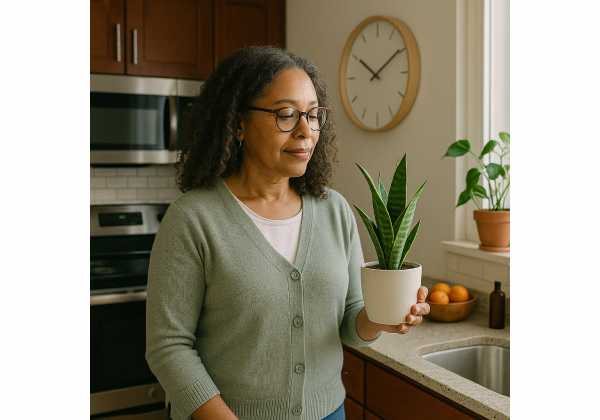
A long life with more strength, mobility, clear thinking, and independence grows from repeated ordinary choices. The room you wake in, the chair you...
Hallmarks of Aging: A Practical Overview

Aging shows up as slower recovery, weaker muscle, lower resilience to illness, stiffer blood vessels, changing hormones, and a higher risk of chronic disease....
How to Read Health Research: Levels of Evidence for Longevity

Health research often sounds more certain than it is. A headline says a food “extends life,” a supplement “reverses aging,” or a biomarker “predicts...
Integrating Sleep, Stress, Movement, and Nutrition for Longevity: A Weekly Rhythm

A longer healthspan grows from repeated ordinary choices: regular sleep, steady meals, useful movement, and enough recovery to keep the system responsive. These habits...
Longevity Across the Decades: 40s, 50s, 60s, and Beyond
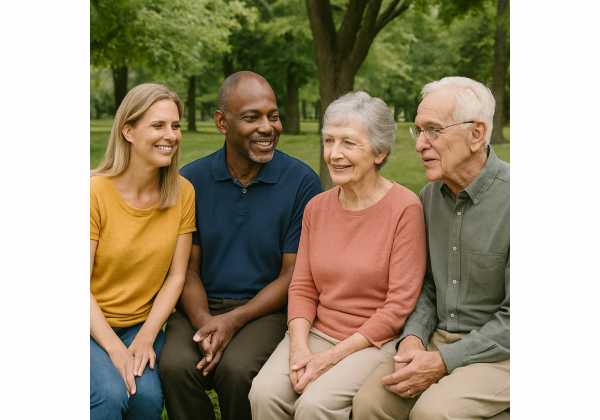
Aging well is built decade by decade. The same habits matter at every age—movement, food, sleep, stress control, relationships, and preventive care—but the emphasis...
Longevity for Everyone: Access, Culture, and Practical Constraints

A longer, healthier life is shaped by daily choices, but those choices never happen in a vacuum. Food prices, work hours, neighborhood safety, family...
Longevity vs Healthspan: What Really Matters

A long life loses much of its value when the final years are dominated by frailty, confusion, pain, or dependence. A healthy life is...
N of 1 Experiments for Longevity: Design, Tracking, and Decisions

A longevity experiment should answer one personal question with enough structure to guide a real choice. “Does an earlier dinner improve my sleep?” works...
Purpose, Relationships, and Longevity: The Social Foundations
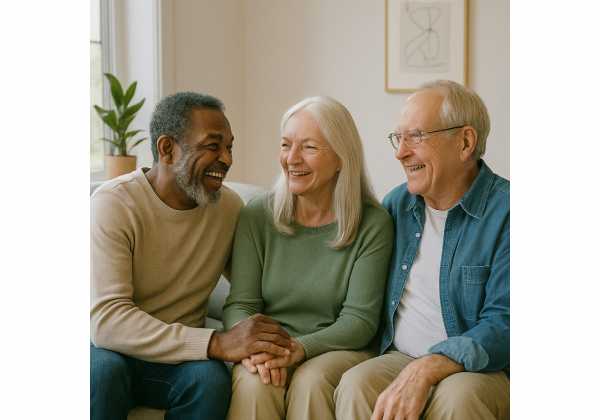
A long life is shaped by more than labs, workouts, meals, and sleep scores. People live inside relationships, roles, routines, neighborhoods, families, workplaces, and...
Risk Stratification for Longevity: Red Flags You Should Not Ignore

Longevity work starts with prevention, but prevention only helps when serious problems are not hiding in plain sight. A better diet, a new training...
Safe Self-Experimentation in Longevity: Protocols, Pauses, and Check-Ins

Safe self-experimentation turns personal health curiosity into a structured practice. Instead of changing sleep, fasting, supplements, exercise, sauna, caffeine, and tracking tools all at...
Sex and Age Differences in Longevity Strategy: Tailoring Your Approach

Women, men, and people with different hormone histories do not age in identical ways. Muscle loss, bone density, cardiovascular risk, sleep quality, insulin sensitivity,...
Sustainability and Relapse Prevention for Healthy Aging: Systems That Stick

Healthy aging improves when daily choices survive real life. The routine that works only during a calm month is too fragile for travel, illness,...
The Longevity Levers: Food, Movement, Sleep, Stress, and Connection

Healthy aging is built from repeated signals. Meals signal whether the body has enough protein, fiber, micronutrients, and energy to repair tissue. Movement signals...