
Working with Clinicians on Longevity Goals: Labs, Limits, and Communication

Longevity work goes better when it feels like regular medical care with a longer time horizon. A good clinician helps separate useful prevention from...
Active Recovery and Deloads for Healthy Aging: When and How
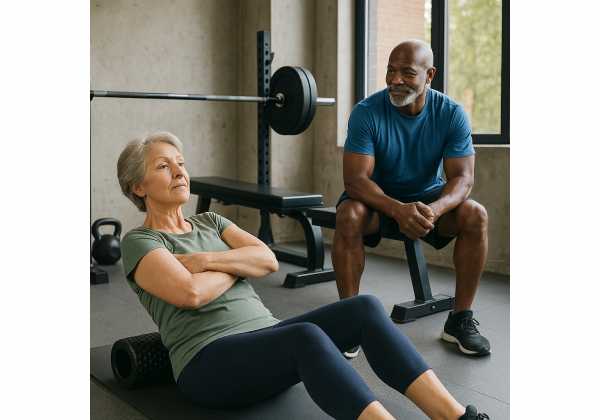
Training builds capacity when stress and recovery work together. Hard sessions challenge muscle, bone, tendons, the heart, and the nervous system. Recovery turns that...
Agility and Reaction Time in Healthy Aging: Drills to Stay Sharp
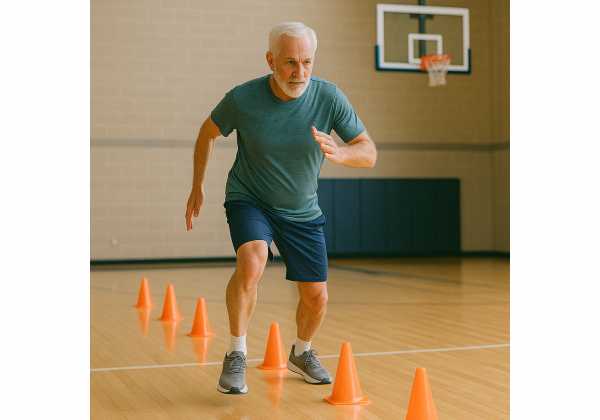
Agility keeps everyday movement smooth when life stops being predictable. A missed curb, a dog crossing your path, a grandchild running toward you, a...
Balance and Fall Prevention for Longevity: Daily Drills That Work
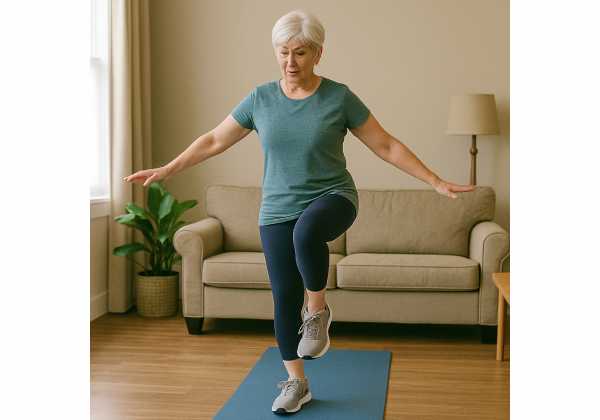
Balance protects the freedom to walk outside, climb stairs, carry groceries, play with grandchildren, travel, and train without fear. It is also trainable. The...
Bone Density and Longevity: Resistance and Impact Training
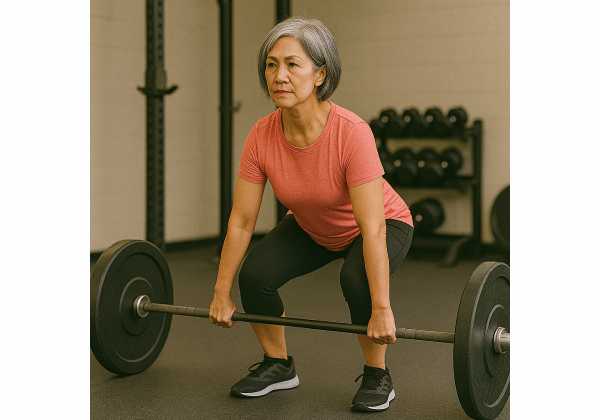
Bone density is one of the quiet foundations of long-term independence. Strong bones reduce fracture risk, but they also support confident movement, heavier strength...
Bracing and Breathing for Longevity Lifting: Diaphragm and Pressure
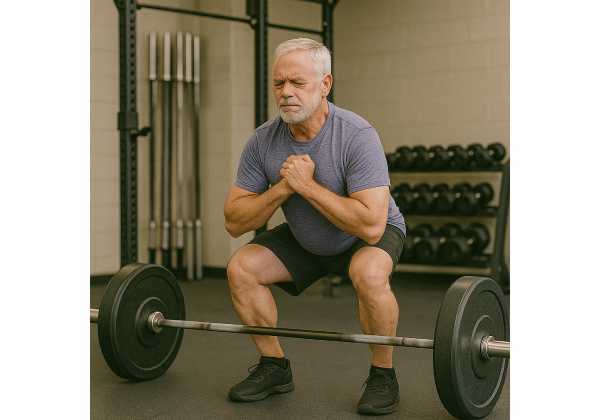
A strong brace turns lifting from a loose collection of moving parts into one coordinated body effort. During squats, deadlifts, carries, presses, rows, and...
Fitness Benchmarks for Longevity: Simple Field Tests to Track
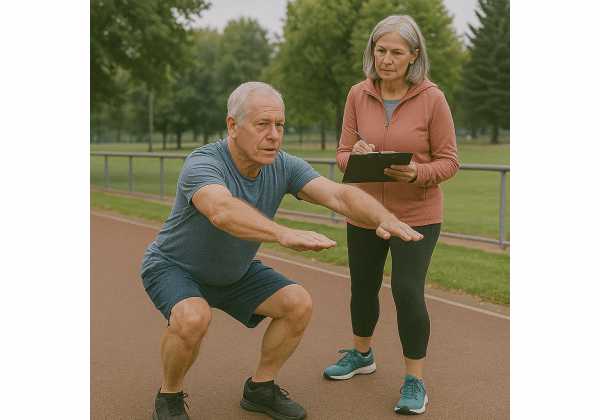
Fitness testing does not need a lab, a metabolic cart, or a complicated wearable dashboard. A small set of repeatable field tests shows whether...
Gait, Walking, and Rucking for Healthy Aging: Distance, Load, Terrain
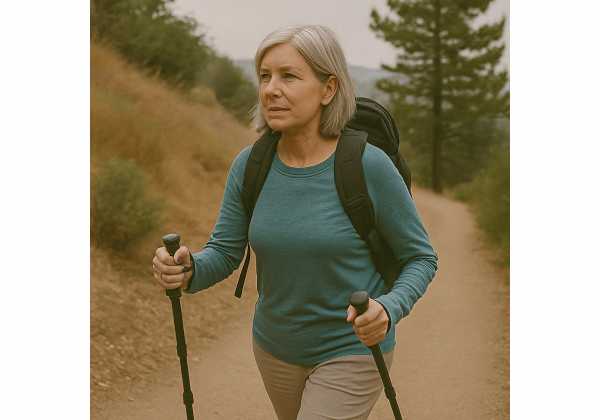
Walking protects healthy aging because it trains the exact skill adults need every day: moving confidently through the world. A strong walk uses the...
Grip Strength and Longevity: Simple Tests and Tools
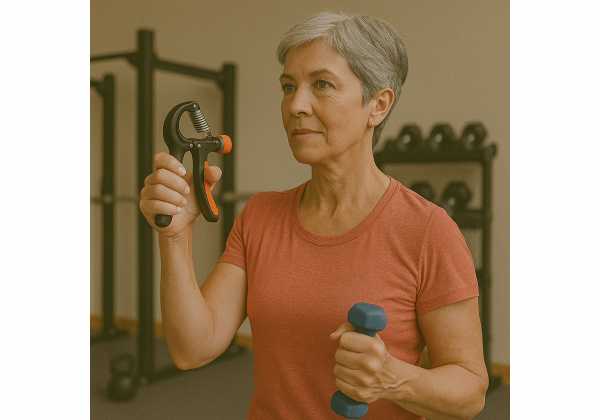
Grip strength is one of the simplest ways to check whether your muscles are aging well. A small handheld dynamometer gives a number in...
Home Gym for Longevity: Minimal Equipment, Maximum Return
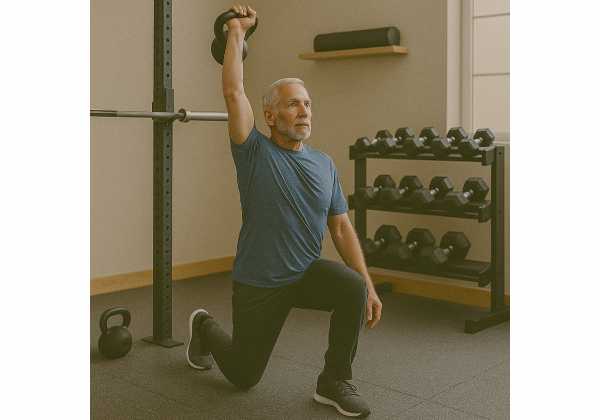
A home gym that supports longevity does not need rows of machines, a wall of mirrors, or a garage full of heavy steel. It...
Knee and Hip Friendly Training for Healthy Aging: Modifications That Matter
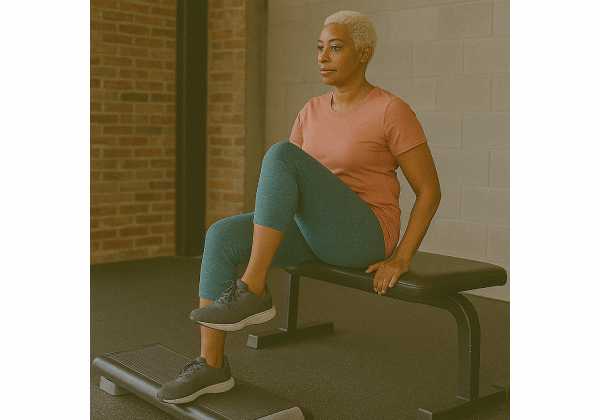
Knees and hips need regular loading to stay strong, useful, and resilient with age. The trick is choosing the right version of each movement...
Low-Impact Plyometrics for Healthy Aging: Power Progressions
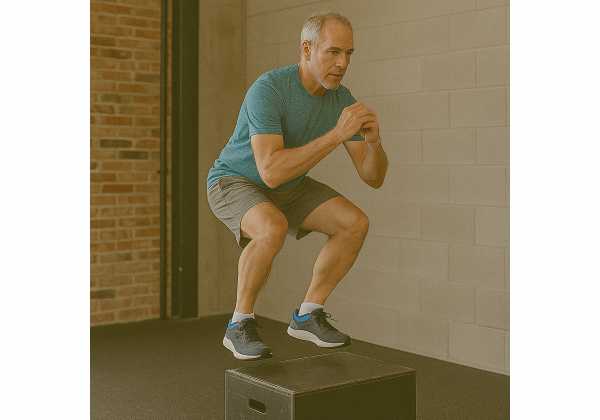
Low-impact plyometrics train the body to produce force quickly without turning every session into hard jumping. That matters with age because the ability to...
Mobility for Healthy Aging: Hips, Shoulders, and Ankles Routine
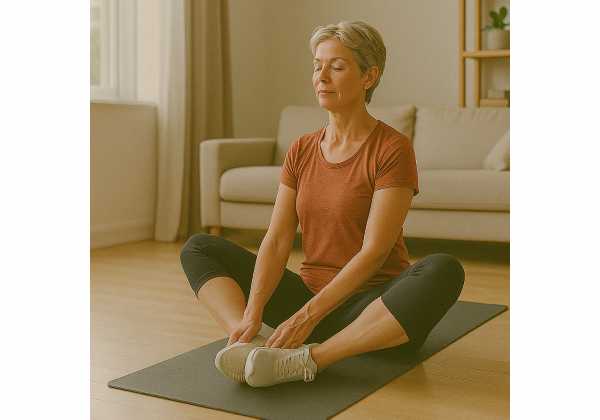
Mobility keeps everyday movement smooth, strong, and safe. The hips help you stand from a chair, climb stairs, walk with a longer stride, and...
Outdoor Conditioning for Longevity: Hills, Stairs, and Terrain
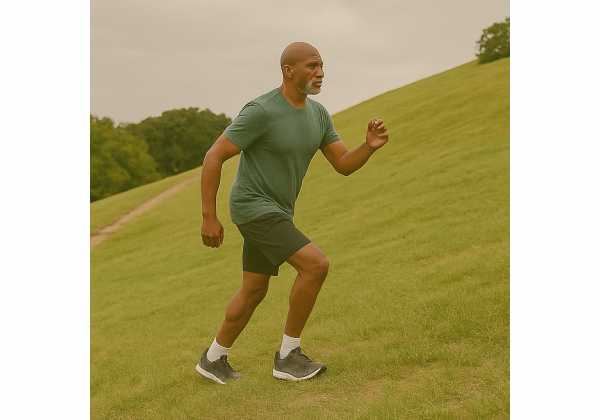
Outdoor conditioning turns ordinary places into a long-term fitness tool. A hill near your home, a public staircase, a park path, a trail, or...
Posture and Core for Healthspan: Anti-Extension and Anti-Rotation
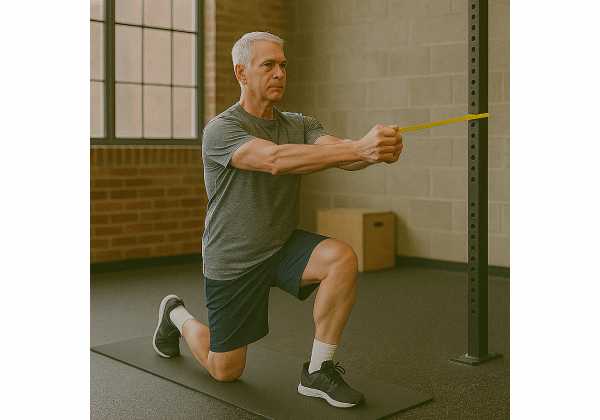
A strong core is less about visible abs and more about how well the trunk controls force. Every time you walk downhill, carry groceries,...
Power Training for Healthy Aging: Safe Jumps, Throws, and Sprints
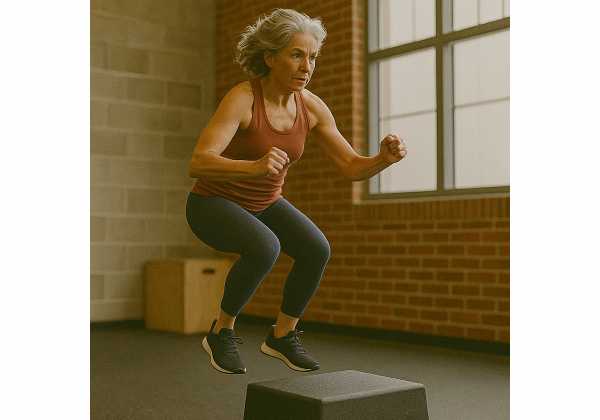
Power is the ability to produce force quickly. It shows up when you climb stairs without grabbing the rail, catch yourself after a stumble,...
Return to Training After Illness or Injury: Longevity-Minded Ramp-Up
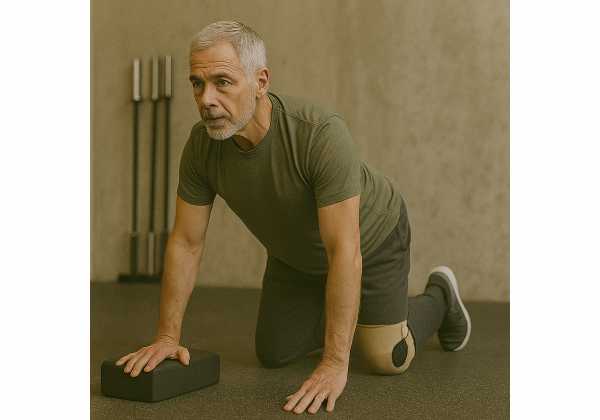
Returning to training works best when the first sessions rebuild rhythm, not ego. Illness and injury both reduce capacity, but they do it in...
Session Design for Healthspan: Sets, Reps, Tempo, and RPE
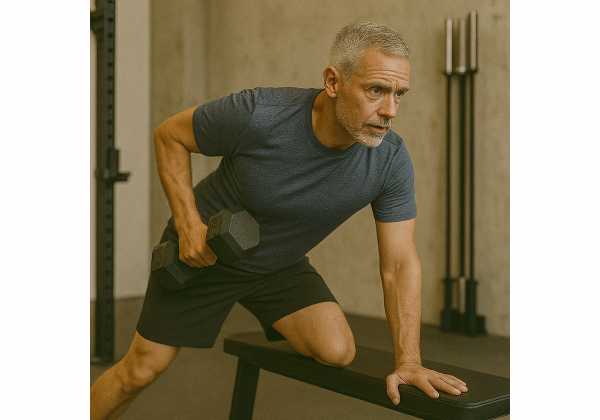
A good strength session for healthspan trains muscle, bone, tendon, balance, coordination, and confidence without draining the rest of the week. Sets and reps...
Shoulder Health for Longevity Training: Scapular Control and Overhead Options
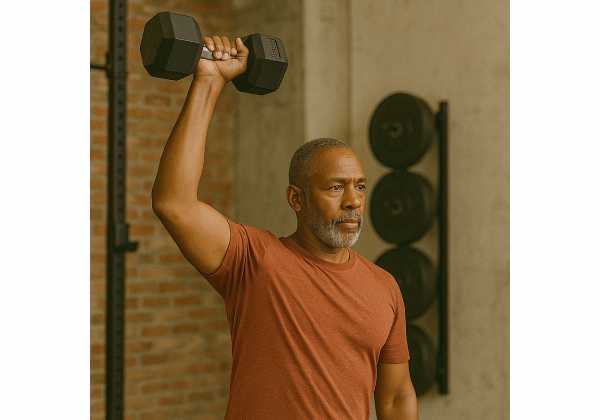
Shoulders stay healthy when they can move freely, create stable positions, and tolerate the work you ask them to do. Longevity training adds one...
Spine-Smart Training for Healthy Aging: Hinge Patterns and Anti-Flexion
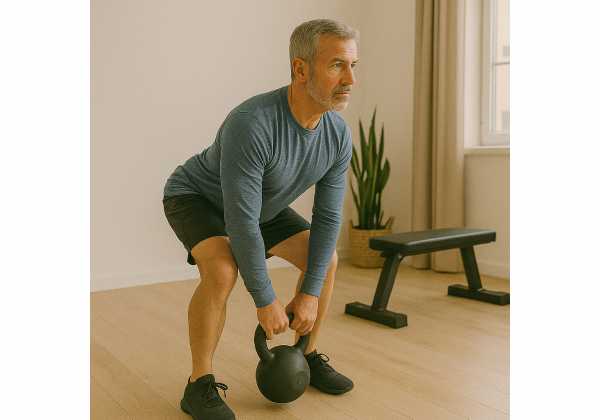
A strong back in later life is built through practiced movement, not fear of movement. The spine is made to bend, rotate, and transfer...