
Red Currant (Ribes rubrum) Uses and Benefits: Nutrition, Medicinal Value, and Safe Intake
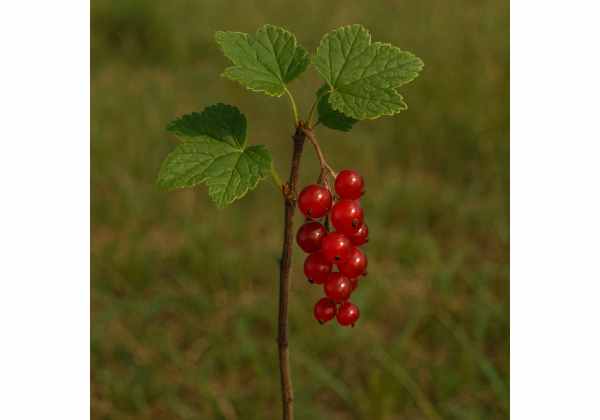
Red currant, Ribes rubrum, is a bright, translucent berry with a tart snap and a surprisingly sophisticated nutrition profile. It sits somewhere between fruit...
Red Clover (Trifolium pratense): Menopause Benefits, Active Compounds, Dosage, and Side Effects
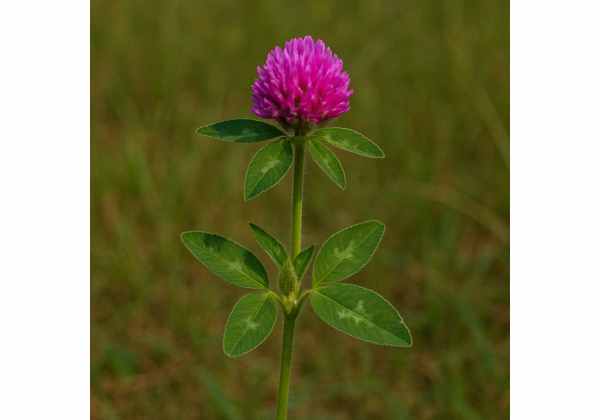
Red clover is a familiar meadow plant with pinkish-purple flower heads, but in herbal medicine it is known for much more than its appearance....
Red Cedar (Juniperus virginiana): Medicinal Properties, Traditional Uses, Dosage, and Side Effects
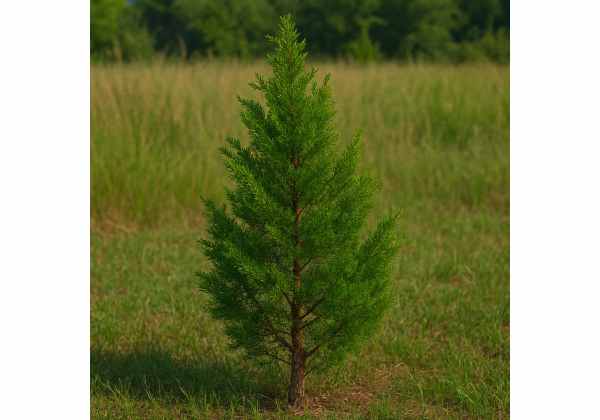
Red Cedar, more accurately known as Eastern Red Cedar, is an aromatic North American conifer that is botanically a juniper rather than a true...
Red Campion Uses and Medicinal Properties: Benefits, Serving Size, and Safety
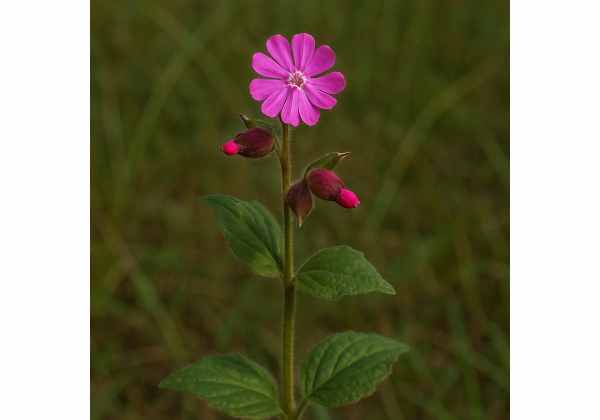
Red campion, or Silene dioica, is one of those plants that invites both admiration and misunderstanding. It is best known as a bright pink...
Red Bryony Uses and Benefits: Key Ingridients, Safety, Dosage, and Toxicity
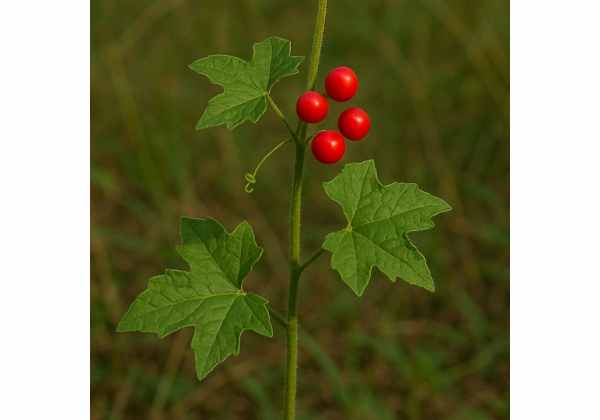
Red bryony, Bryonia dioica, is a climbing vine in the cucumber family with twisting tendrils, lobed leaves, and bright red berries that make it...
Red Basil (Ocimum basilicum ‘Purpurascens’): Key Ingredients, Potential Benefits, Uses, and Side Effects
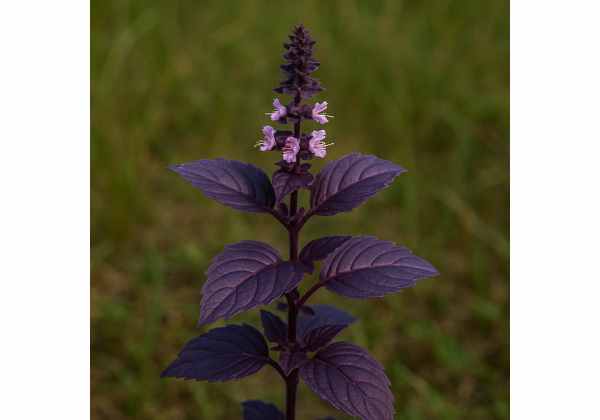
Red basil is the purple-leaved side of sweet basil: fragrant, vivid, and more than just ornamental. Usually grouped under purple or red cultivars of...
Red Baneberry – (Actaea rubra): Active Compounds, Folk Uses, Dosage Limits, and Safety
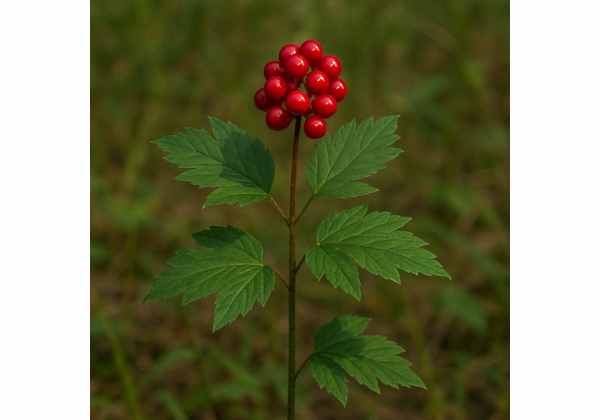
Red baneberry is a woodland wildflower with an arresting appearance and a complicated medicinal reputation. Its finely divided leaves, white flower clusters, and glossy...
Rau Ram Medicinal Properties and Health Benefits: How to Use It, Dosage, and Safety
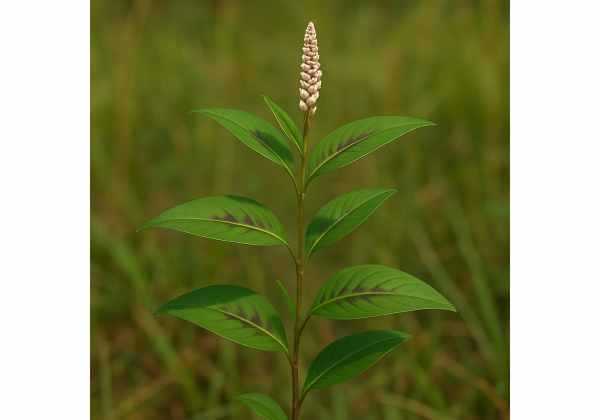
Rau ram, also known as Vietnamese coriander, is one of those herbs that can completely change a dish with just a few leaves. Botanically...
Rattlesnake Weed (Hieracium venosum) Benefits, Traditional Uses, Dosage, and Safety
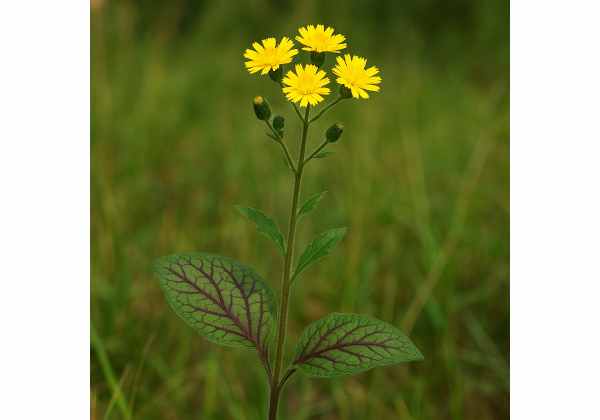
Rattlesnake weed, also called rattlesnake hawkweed, is a North American wildflower in the daisy family. It is easy to recognize once in bloom, but...
Rattlesnake Root (Prenanthes racemosa): What It Is, Traditional Uses, Dosage, and Safety
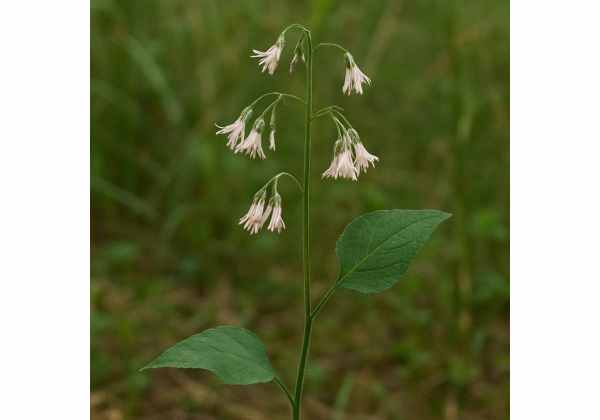
Rattlesnake Root, usually identified botanically as Prenanthes racemosa and now often treated as Nabalus racemosus, is a native North American member of the daisy...
Rattlesnake Plantain (Goodyera pubescens): Medicinal Properties, Folk Uses, and Safety Considerations
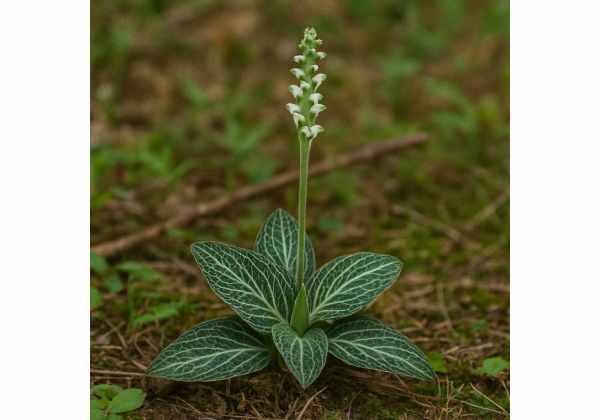
Rattlesnake plantain, Goodyera pubescens, is not a true plantain at all. It is a small woodland orchid with dark green leaves traced in pale...
Rattlesnake Master – (Eryngium yuccifolium): Medicinal Properties, Potential Benefits, How to Use It, and Safety
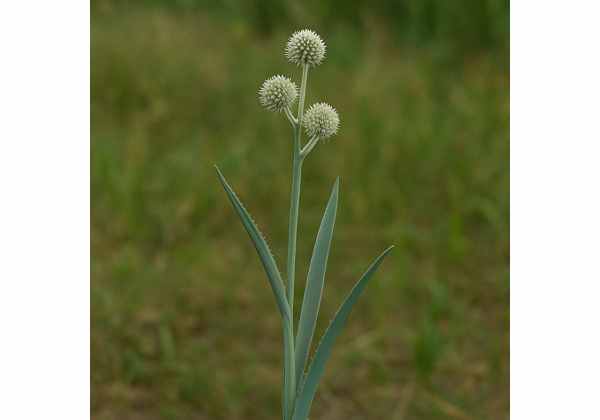
Rattlesnake master is a striking prairie herb native to North America, recognizable by its sword-like leaves and globe-shaped flower heads. Behind that bold appearance...
Ramsons for Circulation and Digestion: Benefits, Compounds, Uses, Dosage, and Safety
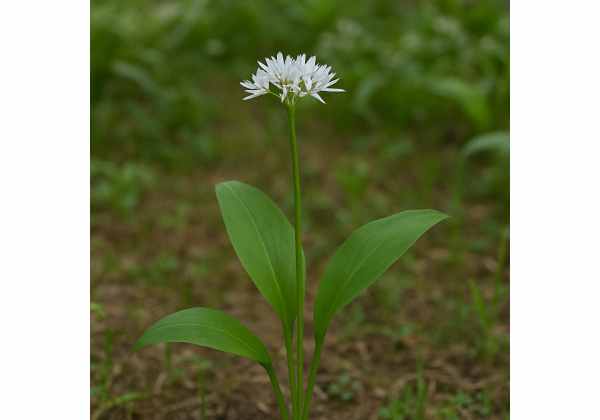
Ramsons, also called wild garlic or bear’s garlic, is one of the most distinctive spring herbs in Europe. Botanically known as Allium ursinum, it...
Rampion Safety and Health Benefits: Culinary Uses, Medicinal Value, and Daily Serving Guide
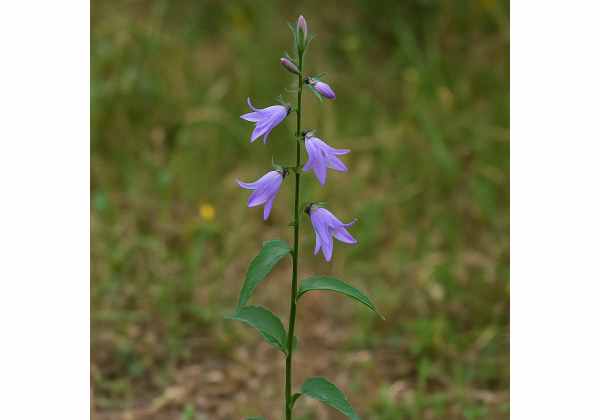
Rampion, botanically known as Campanula rapunculus, is an old European food plant that sits at the border between vegetable, herb, and cultural memory. It...
Ramp (Allium tricoccum): Wild Leek Benefits, Uses, Active Compounds, and Safety
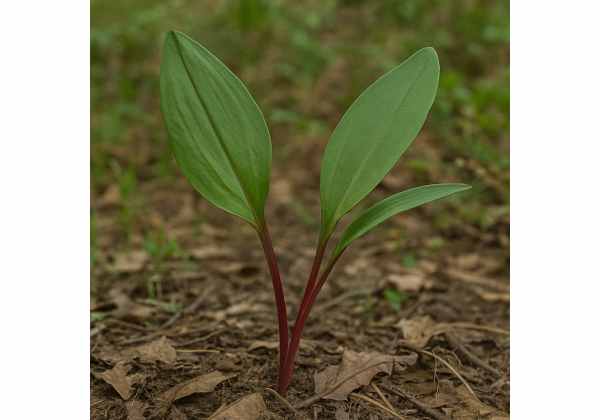
Ramps, also called wild leeks, are one of spring’s most distinctive edible herbs. Native to eastern North America, they emerge briefly from cool woodland...
Ramon Nut for Health: Benefits, Medicinal Properties, How to Use It, and Safety
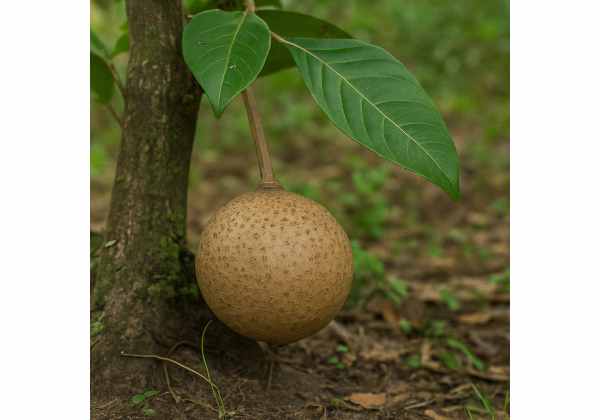
Ramon nut, also called maya nut, breadnut, or ramón seed, comes from Brosimum alicastrum, a tropical tree native to Mexico, Central America, and parts...