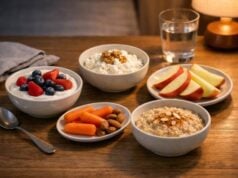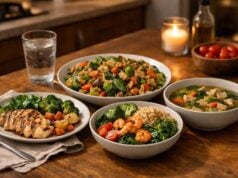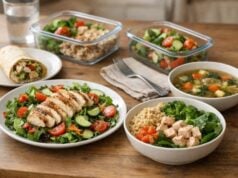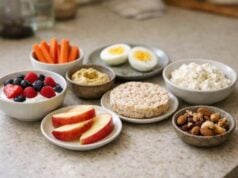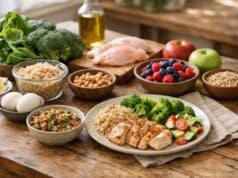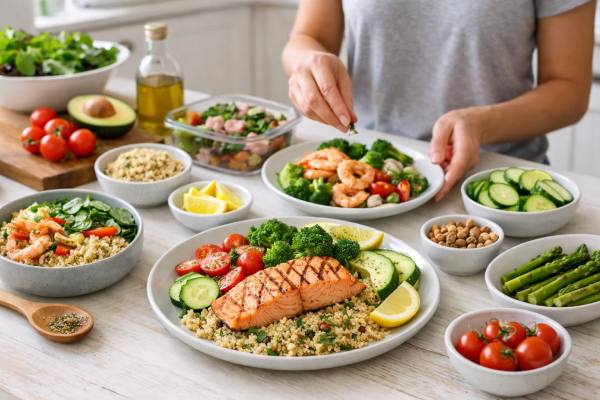
A pescatarian diet can work well for weight loss because it makes it easier to build meals around seafood, plants, and other filling whole foods instead of heavier meat-based dishes. When it is done well, it gives you lean protein, fiber-rich carbs, healthy fats, and enough variety to stay consistent without feeling boxed in.
The key is not simply “eat fish and lose weight.” Weight loss still depends on your calorie intake, food quality, portions, and how sustainable the plan feels in daily life. This guide explains how a pescatarian diet supports fat loss, which foods to prioritize, what to watch out for, and how to turn the approach into simple meals you can actually repeat for a full week and beyond.
Table of Contents
- How this diet supports fat loss
- Foods to eat most often
- Foods to limit and watch
- Benefits and tradeoffs to know
- How to build pescatarian meals
- Seven-day meal ideas
- Grocery and meal prep strategy
- Mistakes that can slow results
How this diet supports fat loss
A pescatarian diet usually includes fish, shellfish, plant foods, and often eggs and dairy, while excluding meat and poultry. For weight loss, that setup can be useful because it naturally pushes many meals toward foods that are high in protein, moderate in calories, and easier to pair with vegetables, legumes, fruit, and whole grains.
The biggest reason it can help is satiety. Seafood makes it easier to hit protein goals without relying on large servings of red meat or processed meat. Lean fish such as cod, pollock, tilapia, haddock, shrimp, tuna, and many shellfish provide a lot of protein for relatively few calories. Fatty fish such as salmon, trout, sardines, and mackerel are higher in calories, but they also bring more staying power and nutritional value. In practice, both lean and fatty fish can fit a fat-loss diet.
The second reason is food quality. A well-built pescatarian pattern tends to center meals on seafood, beans, lentils, yogurt, eggs, vegetables, fruit, potatoes, oats, rice, olive oil, nuts, and whole grains. That makes it easier to create meals that feel substantial without becoming calorie-dense in a hurry. If you still need a structured starting point, the basic logic is the same as any calorie deficit approach: choose foods that help you stay full while keeping total intake in a manageable range.
A pescatarian diet also tends to overlap with Mediterranean-style eating, which is helpful because Mediterranean patterns are generally easy to live with. You are not forced into ultra-low-carb eating, aggressive restriction, or endless chicken breast repetition. That flexibility matters. A diet only works for weight loss if you can follow it long enough for the calorie deficit to add up.
Protein still matters here, and many people underestimate how much they need. Seafood helps, but you may still need to be intentional about daily totals, especially if breakfast and snacks are low in protein. Looking at your overall protein intake for weight loss can make this style of eating much more effective.
The short version is simple: a pescatarian diet supports fat loss when it gives you enough protein, plenty of fiber-rich plant foods, and meals that are satisfying enough to repeat. It stops helping when it turns into pasta-heavy, bread-heavy, fried seafood eating under a healthy-sounding label.
Foods to eat most often
The best pescatarian foods for weight loss are the ones that give you the most nutrition and fullness for the calories. That usually means building your diet around a mix of seafood, high-fiber plants, and moderate portions of healthy fats and starches.
Seafood and protein foods
Use seafood as the anchor of most lunches and dinners. Strong options include:
- cod, haddock, pollock, tilapia, halibut, and other lean white fish
- shrimp, prawns, scallops, mussels, clams, and crab
- tuna and salmon, fresh or canned
- sardines and trout
- eggs and egg whites
- Greek yogurt, cottage cheese, skyr, or other high-protein dairy if you include dairy
- tofu, tempeh, edamame, beans, and lentils for added plant protein
This combination makes the diet easier to sustain than relying on seafood alone. A tuna bowl one day, lentil soup the next, shrimp stir-fry after that, and Greek yogurt at breakfast can keep protein intake solid without making meals feel repetitive.
Vegetables and fruit
These should show up daily and often in large amounts. Focus on:
- leafy greens
- broccoli, cauliflower, cabbage, Brussels sprouts
- zucchini, cucumbers, tomatoes, peppers, mushrooms
- green beans, asparagus, carrots
- berries, citrus, apples, pears, grapes, melon
Vegetables help keep meals large and lower in calorie density, while fruit makes the diet easier to stick with by giving you natural sweetness and convenient snack options.
Smart carbohydrate foods
Weight loss on a pescatarian diet does not require cutting carbs. It usually works better when carbs are chosen well and portioned on purpose. Good staples include oats, potatoes, quinoa, brown rice, whole-grain bread, beans, lentils, and high-fiber wraps. These are the kinds of carb choices that work well in a calorie deficit because they offer more staying power than pastries, chips, or refined snack foods.
Healthy fats
Healthy fats matter, but they are still easy to overeat. Keep olive oil, avocado, nuts, seeds, olives, and pesto in the diet, but treat them as measured additions instead of free pours.
| Food group | Best examples | Why they help |
|---|---|---|
| Lean seafood | Cod, shrimp, tuna, scallops, white fish | High protein with moderate calories |
| Fatty seafood | Salmon, trout, sardines, mackerel | Protein plus omega-3 fats and strong satiety |
| Plant proteins | Lentils, beans, tofu, edamame | Protein plus fiber |
| Produce | Leafy greens, broccoli, berries, apples, tomatoes | High volume and lower calorie density |
| Quality carbs | Oats, potatoes, quinoa, beans, rice | Energy and fullness when portioned well |
| Healthy fats | Olive oil, nuts, seeds, avocado | Flavor and satisfaction in moderate amounts |
The most effective pescatarian diet for fat loss is not exotic. It is built from ordinary foods you can buy every week and mix into bowls, salads, soups, wraps, trays, and skillets.
Foods to limit and watch
A pescatarian diet can sound automatically healthy, but plenty of pescatarian foods make weight loss harder if you eat them casually. The biggest trap is assuming that “no meat” equals “low calorie.” It often does not.
Fried seafood is the most obvious example. Fish and shrimp can be excellent weight-loss foods when grilled, baked, air-fried, poached, or sautéed lightly. Once they are breaded, deep-fried, and served with creamy sauces, the calorie profile changes fast. The same goes for seafood restaurant meals built around buttery rice, creamy pasta, oversized sushi rolls, tempura, garlic bread, and sugary sauces.
Refined carb-heavy vegetarian foods can be another issue. It is common for people new to pescatarian eating to rely too much on pasta, bagels, crackers, granola, veggie burgers, cheese pizza, and snack foods because they feel easy and familiar. Those foods can fit, but not as the backbone of the diet.
A few categories deserve extra attention:
- fried fish and fried shellfish
- creamy seafood chowders and pasta dishes
- cheese-heavy vegetarian meals
- sugary coffee drinks and smoothies
- large servings of nuts, trail mix, and nut butter
- pastries, chips, and crackers labeled as plant-based
- restaurant sushi meals that include multiple rolls, tempura, mayo sauces, and appetizers
- alcohol, especially when paired with dinner out
There is also a quality issue with packaged pescatarian convenience foods. Some meat-free products are useful, but many are high in sodium, refined starches, and oils while offering less protein than you would expect. Read labels instead of assuming the front of the package tells the whole story.
Seafood choices also matter for other reasons. Variety helps you avoid turning the diet into “salmon every night” or “tuna every lunch.” Some people also need to think about mercury exposure, especially during pregnancy. In general, mixing seafood choices and emphasizing lower-mercury options more often is a sensible move.
A useful rule is this: if the meal is mainly seafood and plants, you are probably on the right track. If the seafood is just a small topping on a large, oily, refined-carb dish, you are probably not getting the main advantage of the diet.
This is the same pattern seen with many foods that make a calorie deficit harder. The problem is usually not one ingredient. It is calorie density, portion creep, and meals that do not keep you full for long.
Benefits and tradeoffs to know
The best reason to choose a pescatarian diet for weight loss is that it combines structure with flexibility. It has enough rules to guide choices, but not so many that it becomes socially awkward or exhausting to maintain.
Main benefits
It is easier to hit protein targets.
Seafood, eggs, yogurt, cottage cheese, tofu, and legumes give you several ways to build satisfying meals. That can make weight loss easier and help with muscle retention when calories are lower.
It naturally supports higher-quality eating.
A well-built pescatarian diet tends to pull in more beans, vegetables, fruit, whole grains, and olive oil. That often improves meal quality without making the diet feel extreme.
It is usually easier to stick with than stricter plans.
For many people, it feels more flexible than vegan eating and less monotonous than very low-carb dieting. That overlap with a high-protein Mediterranean-style pattern is one reason it can be effective over time.
It can improve meal variety.
Alternating between seafood, dairy, eggs, legumes, and plant proteins creates more combinations than many standard “diet food” plans.
Tradeoffs and weak points
It can become carb-heavy by accident.
If you remove meat but do not intentionally replace it with enough protein, the diet can slide toward bread, pasta, cereal, and snack foods.
It may cost more if you choose premium seafood often.
Fresh salmon, tuna steaks, and shellfish can be expensive. Canned fish, frozen fillets, mussels, sardines, and shrimp can keep the plan more affordable.
Some people under-eat iron, B12, or protein if the diet is poorly planned.
This matters more if seafood intake is low and the diet is mostly dairy, bread, and vegetables.
Eating out can be deceptive.
Many seafood restaurant meals look lighter than they are. Sauces, oils, sides, and portions often matter more than whether the main protein is fish.
The most useful way to think about the diet is not as a magic fat-loss system. It is a food framework. Its strength is that it makes many good choices easier. Its weakness is that it can still be derailed by restaurant habits, snack foods, poor protein planning, and oversized portions.
How to build pescatarian meals
The simplest way to make a pescatarian diet work for weight loss is to use a repeatable meal formula. Instead of chasing recipes all day, build most meals from the same basic parts:
- Choose a protein anchor.
Pick one main protein source: fish, shrimp, tuna, eggs, Greek yogurt, tofu, beans, lentils, or cottage cheese. - Add a high-volume produce base.
Use vegetables or fruit to make the meal physically bigger. Salad greens, roasted vegetables, stir-fry mixes, soup vegetables, berries, and fruit all help. - Add a carb portion that fits your hunger and activity.
Potatoes, rice, oats, quinoa, beans, lentils, fruit, or whole-grain bread all work. The goal is enough to feel satisfied, not so much that the plate becomes mostly starch. - Finish with a measured fat source.
Olive oil, avocado, nuts, seeds, tahini, or pesto can round the meal out without taking it over.
This is almost the same logic as building a high-protein plate for weight loss. The only difference is that your protein sources shift toward seafood and plant foods.
Here are a few simple meal templates that work well:
- salmon, potatoes, and roasted broccoli
- shrimp stir-fry with vegetables and rice
- tuna bean salad with tomatoes, cucumbers, and olive oil
- Greek yogurt bowl with berries, chia seeds, and oats
- egg and vegetable scramble with fruit on the side
- lentil soup with a side salad and canned sardines
- tofu and edamame bowl with slaw and quinoa
Fiber matters here too. A pescatarian diet becomes much more filling when meals include beans, vegetables, fruit, oats, or whole grains instead of relying on protein alone. That is why it helps to know your rough fiber target per meal rather than treating fiber as an afterthought.
Aim for meals that are simple enough to repeat and flexible enough to adjust. For example, one bowl format can rotate between salmon, shrimp, tuna, tofu, or lentils through the week. That gives you variety without forcing you to reinvent your diet every day.
A good pescatarian weight-loss meal is not just “fish plus rice.” It is a meal that combines protein, volume, and enough flavor to make you want it again tomorrow.
Seven-day meal ideas
A 7-day plan is useful because it turns the idea of a pescatarian diet into real meals. The goal here is not perfection or exact macros. It is to show how the approach can look across a normal week.
| Day | Breakfast | Lunch | Dinner | Snack idea |
|---|---|---|---|---|
| 1 | Greek yogurt with berries, chia seeds, and oats | Tuna salad wrap with side vegetables | Baked salmon, potatoes, and green beans | Apple with cottage cheese |
| 2 | Egg and spinach scramble with fruit | Lentil soup with cucumber tomato salad | Shrimp stir-fry with rice and broccoli | Edamame |
| 3 | Overnight oats with skyr and blueberries | Chickpea tuna bowl with greens and peppers | Cod tacos with slaw, salsa, and avocado | Greek yogurt |
| 4 | Cottage cheese bowl with pineapple and walnuts | Egg salad toast with side salad | Sheet-pan trout, carrots, and quinoa | Orange and a cheese stick |
| 5 | Protein smoothie with berries and spinach | Sardine grain bowl with tomatoes and herbs | Shrimp and vegetable pasta with a measured olive oil sauce | Carrots with hummus |
| 6 | Veggie omelet with toast | Mediterranean bean salad with feta and tuna | Miso salmon with rice and bok choy | Pear with yogurt |
| 7 | Skyr with banana and pumpkin seeds | Leftover salmon salad bowl | Seafood stew with white beans and vegetables | Berries |
A few points make this work better:
- Breakfast rotates between dairy-based and egg-based options so protein stays consistent.
- Lunch relies on bowls, wraps, soups, and salads that are easy to prep ahead.
- Dinner alternates lean fish, fatty fish, shrimp, and plant-forward seafood meals to avoid boredom.
- Snacks are simple and mostly built from fruit, dairy, or legumes.
If you want a more structured version, a separate 7-day pescatarian meal plan can be useful. But even this sample week is enough to show the pattern: seafood plus plants, carbs on purpose, and meals that feel like normal food rather than diet punishment.
Grocery and meal prep strategy
A pescatarian diet is much easier to follow when your kitchen is set up for it. The most effective strategy is not elaborate recipe prep. It is keeping enough mix-and-match ingredients around that you can make decent meals quickly.
A practical grocery list usually includes:
- frozen salmon fillets or white fish
- frozen shrimp
- canned tuna, salmon, or sardines
- eggs
- Greek yogurt, cottage cheese, or skyr
- tofu or edamame
- beans and lentils
- salad greens and slaw mix
- broccoli, peppers, cucumbers, tomatoes, onions, carrots
- berries, apples, oranges, bananas
- oats, rice, potatoes, quinoa, whole-grain wraps
- olive oil, mustard, vinegar, salsa, herbs, spice blends
For meal prep, think in components:
- cook two proteins
- prep a starch
- wash and chop produce
- mix one sauce or dressing
- portion easy snacks
For example, you might bake salmon, cook shrimp, roast potatoes, chop cucumbers and tomatoes, and make a yogurt-herb sauce. That one session can cover bowls, salads, wraps, and dinner plates for several days.
This is the same logic used in a basic weekend meal prep plan. You do not need dozens of identical containers. You need enough ready ingredients that ordering takeout is not the easiest option.
Budget matters too. Seafood can be expensive, so lean on frozen fish, canned fish, mussels, sardines, shrimp, beans, eggs, and yogurt more often than premium fresh fillets. That keeps the diet realistic. Many people get better long-term results from a good-enough grocery routine than from an ambitious plan they abandon after one expensive week. A simple weight loss grocery list mindset helps here: buy foods that make your next meal easier, not foods that only sound healthy in theory.
Mistakes that can slow results
The most common reason a pescatarian diet fails for weight loss is not the fish. It is the gap between the label and the actual eating pattern.
One major mistake is not eating enough protein early in the day. If breakfast is toast, fruit, and coffee, then lunch is a light salad, you may arrive at dinner extremely hungry and end up overeating. Another is treating seafood restaurant meals as automatically light. Fish tacos with creamy sauce, sushi rolls with mayo, and large salmon rice bowls can be excellent meals or calorie bombs depending on the details.
Other common problems include:
- relying too much on pasta, bread, and snack foods
- using olive oil, nuts, seeds, and avocado too casually
- eating seafood too rarely to benefit from the structure of the diet
- building vegetarian meals that are low in protein
- skipping planning and defaulting to takeout
- assuming “healthy” means portion-free
A subtler issue is underestimating how repetitive good diets can be. People often chase novelty and end up with meals that are inconsistent in calories and protein. A better approach is to repeat a few dependable breakfasts, a few easy lunches, and several dinner formats with different seafood choices. That is usually what leads to steady progress.
You also need to be honest about appetite. Some people do better with lean fish more often. Others feel more satisfied when salmon, sardines, eggs, yogurt, and beans show up more frequently. The right version is the one that keeps hunger manageable and helps you stay consistent.
If results stall, the cause is usually one of the same issues seen in other diet mistakes that stall weight loss: portions have drifted up, snacks and extras have crept in, or “healthy” meals are not matching your actual calorie needs.
A pescatarian diet can be excellent for fat loss, but only when it is built on the same fundamentals that drive any good plan: adequate protein, enough fiber, controlled calorie density, repeatable habits, and food you can realistically keep eating.
References
- Fish – a scoping review for Nordic Nutrition Recommendations 2023 2024 (Review)
- Dietary Intake and Nutrient Composition of Seafood – The Role of Seafood Consumption in Child Growth and Development 2024 (Review)
- A Review of Plant-Based Diets for Obesity Management 2024 (Review)
- Are Dietary Proteins the Key to Successful Body Weight Management? A Systematic Review and Meta-Analysis of Studies Assessing Body Weight Outcomes after Interventions with Increased Dietary Protein 2021 (Systematic Review and Meta-Analysis)
- Protein, fiber, and exercise: a narrative review of their roles in weight management and cardiometabolic health 2025 (Review)
Disclaimer
This article is for general educational purposes only and is not a substitute for medical or personalized nutrition advice. If you are pregnant, have kidney disease, seafood allergies, a history of disordered eating, or another condition that affects your diet, speak with a qualified clinician or dietitian before making major changes to your eating pattern.
If this article was useful, share it on Facebook, X (formerly Twitter), or your preferred platform so others can use it too.