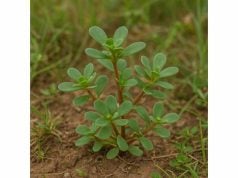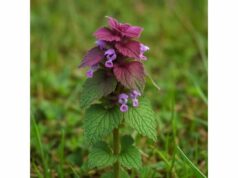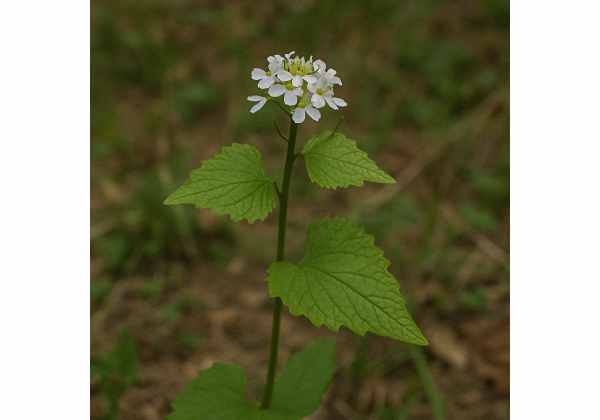
Poor man’s mustard, more widely known as garlic mustard, is a pungent spring herb in the mustard family that has long been used as both food and folk medicine. Its leaves, flowers, roots, and seeds are edible, and the plant was historically valued for its sharp flavor, warming character, and usefulness when fresh greens were scarce. Today, interest in Alliaria petiolata comes from two directions at once: foragers appreciate it as a strong-flavored wild edible, while herbal readers are curious about its glucosinolates, antioxidant compounds, and traditional uses for digestion, congestion, and minor topical care. The most balanced way to understand this plant is as a seasonal food herb with plausible health-supportive properties rather than as a well-proven medicinal remedy. Its chemistry resembles other mustard-family plants, which helps explain its aroma and bite, but direct human research on poor man’s mustard itself is limited. That means its benefits are best viewed with curiosity and caution. Used properly, it can be a flavorful and interesting spring herb. Used too aggressively, it may irritate the stomach or pose avoidable safety concerns.
Quick Overview
- Poor man’s mustard may modestly support antioxidant intake and digestive stimulation when used in small food-like amounts.
- Traditional use includes support for chest congestion, appetite, and seasonal nourishment, but modern human evidence remains limited.
- A cautious starting range is about 1 to 2 teaspoons of fresh chopped leaf, or 1 to 2 g dried leaf in tea.
- People with mustard allergy, thyroid concerns, pregnancy, breastfeeding, or sensitive digestion should avoid medicinal-style use.
Table of Contents
- What Poor Man’s Mustard Is and How to Identify It
- Key Ingredients and Active Compounds
- Potential Health Benefits and What the Evidence Suggests
- Traditional Uses and Modern Practical Applications
- Dosage, Preparation, and Best Ways to Use It
- Safety, Interactions, and Who Should Avoid It
- Research Gaps and a Practical Bottom Line
What Poor Man’s Mustard Is and How to Identify It
Poor man’s mustard is a biennial plant in the Brassicaceae family, the same broad family that includes pungent greens and spicy edible plants such as watercress. Its botanical name is Alliaria petiolata, and common names include garlic mustard, hedge garlic, jack-by-the-hedge, and garlic root. Although many people now know it mainly as an invasive woodland plant, it was originally valued as a useful herb for both the kitchen and the home apothecary.
Its two-year life cycle matters for recognition and use. In the first year, the plant grows as a low rosette close to the ground. These first-year leaves are usually rounded to kidney-shaped with scalloped or toothed edges, and they stay tender longer than the second-year growth. In the second year, the plant sends up upright stems that can reach notable height, bearing more triangular leaves and clusters of small white flowers with four petals. Later, long narrow seed pods develop. When the leaf is crushed, it releases a distinctive garlicky odor, which is one of the easiest field clues for identification.
That smell can confuse beginners into thinking the plant is closely related to garlic, but it is not. It belongs to the mustard family, not the onion family, and its pungency comes from mustard-family chemistry rather than garlic’s sulfur compounds. That distinction matters for both flavor and health expectations. Poor man’s mustard behaves more like a spicy brassica herb than a true garlic substitute.
All parts of the plant have been used. Tender young leaves are the most commonly eaten, especially in spring. The root can have a mild horseradish-like quality, and the seeds may be used as a peppery seasoning. Still, safe use starts with correct identification and clean harvesting. Wild plants should never be gathered from sprayed areas, polluted roadsides, industrial edges, or places where foraging is restricted.
From a health perspective, poor man’s mustard should be thought of as a variable wild plant, not a standardized supplement. The flavor, strength, and phytochemical profile can shift with age, growing conditions, and preparation. Young leaves are usually the best starting point because they are milder, more palatable, and easier to use in small culinary amounts.
Key Ingredients and Active Compounds
The key chemistry of poor man’s mustard reflects its place in the mustard family. The most important compounds are glucosinolates, sulfur-containing plant chemicals that become especially active when the leaf is cut, chewed, crushed, or blended. When plant tissue is damaged, glucosinolates meet an enzyme called myrosinase. That interaction helps form pungent breakdown products such as isothiocyanates, which are responsible for much of the plant’s hot, mustard-like bite.
One of the better known glucosinolates linked with Alliaria petiolata is sinigrin. In the broader mustard-family literature, sinigrin and its breakdown products are associated with antimicrobial activity, antioxidant effects, and general biological reactivity. This does not prove that poor man’s mustard itself treats disease, but it does help explain why the herb gained a reputation for stimulating digestion, sharpening appetite, and acting as a lively medicinal food.
The plant also contains phenolic compounds and flavonoids, which likely contribute to its antioxidant profile. These compounds are often studied for their ability to help counter oxidative stress and support normal inflammatory balance. In food terms, that means poor man’s mustard may offer more than flavor alone. Like many bitter or pungent greens, it may deliver small but meaningful amounts of protective plant chemicals when eaten as part of a varied diet.
Nutritionally, older accounts describe garlic mustard as a useful spring source of vitamin C and carotenoid-related compounds. That fits its historical role as a seasonal herb during times when fresh produce was limited. The seeds also contain fatty acids, but most people do not use the plant in a way that makes seed oil composition especially relevant. In ordinary home use, the leaves matter far more than the seed lipids.
Preparation changes the chemistry. Raw chopping, chewing, or blending tends to preserve more pungency, while long boiling softens the flavor and may reduce some of the more reactive mustard-family compounds. That is one reason poor man’s mustard works best as a fresh herb, pesto ingredient, chopped sauce component, or lightly cooked green rather than as a long-simmered vegetable.
For readers who already enjoy other brassica foods such as radish roots, the logic is familiar. The sharpness is not accidental. It reflects a real defensive chemistry that can be interesting from a health perspective but also irritating in excess. That balance between benefit and bite is central to understanding the plant.
Potential Health Benefits and What the Evidence Suggests
Poor man’s mustard is often described in sweeping terms online, but the most honest view is more measured. The plant has a credible traditional reputation and an interesting phytochemical profile, yet direct human research remains limited. That means its potential benefits should be discussed as plausible and supportive rather than as proven therapeutic outcomes.
The first likely benefit is digestive stimulation. Many pungent herbs increase salivation, sharpen appetite, and make food feel more active on the palate. In small amounts, poor man’s mustard may function as a classic bitter-pungent spring herb, encouraging digestive readiness before or with a meal. People who enjoy spicy greens often describe this effect as warming, enlivening, or appetite-opening.
The second likely benefit is antioxidant support. Because the plant contains glucosinolate-related compounds and phenolic constituents, it may contribute to the broader protective effects associated with cruciferous vegetables and herbs. This does not mean it is a miracle detoxifier or disease shield. It means that small culinary use may help diversify dietary phytochemicals in a useful way.
Traditional sources also describe poor man’s mustard as an expectorant or chest herb. That claim is understandable, since strong pungent herbs often create a feeling of movement in the throat and upper airways. A hot infusion or freshly crushed herb may seem to loosen heaviness or encourage clearing. However, this kind of traditional use should not be confused with clinical proof for respiratory disease.
Another often-mentioned traditional role is topical use for minor skin discomforts such as insect bites. Crushed leaves were sometimes applied externally, likely because the plant is aromatic, accessible, and obviously active. Still, topical tradition is not the same as universal safety. Mustard-family plants can irritate skin, so any such use should remain cautious and limited.
What poor man’s mustard does not have is a strong body of clinical evidence showing major benefits for cancer, heart disease, cholesterol, blood sugar, or immune disorders. The mustard family as a whole is widely studied, and that broader literature supports interest in glucosinolate-rich foods. But interest in a compound class is not the same as proof for this specific herb. In practical terms, poor man’s mustard is most credible as a seasonal food with possible functional value, not as a substitute for well-studied treatment.
It can also help to compare it with a better known household herb such as culinary garlic. The aroma may seem similar, but the chemistry and evidence base are not the same. Poor man’s mustard deserves its own category: a pungent wild brassica with traditional uses, moderate culinary value, and a still-developing research story.
Traditional Uses and Modern Practical Applications
Historically, poor man’s mustard sat comfortably between food and medicine. That combination is common among older European herbs. A plant did not need to be separated into “culinary” and “medicinal” categories to be valued. If it nourished the body, improved flavor, and offered a few reliable household uses, it earned a place in daily life.
As food, poor man’s mustard has several practical roles. Young leaves can be chopped into salads, though most people prefer to use them in modest quantities because the flavor can be sharp. They also work well in pestos, herb spreads, vinaigrettes, grain bowls, egg dishes, soups, and soft cheeses. Mixing them with milder greens helps control the intensity. That is often the best approach for beginners.
Second-year leaves are generally stronger, tougher, and more bitter. They are usually better cooked than eaten raw, and even then they tend to work better as an accent than as a full serving of greens. The root may be grated in tiny amounts as a wild horseradish-style ingredient, while the seeds can add a peppery note to seasoning blends.
Traditional medicinal use focused on accessible household applications. The herb was taken for sluggish digestion, poor appetite, chest congestion, and as a spring restorative. In older settings, this probably reflected a blend of real plant chemistry and practical nutrition. A pungent green rich in vitamin-related value would naturally feel refreshing after winter. That context helps explain why the herb acquired a reputation as both stimulating and cleansing.
Topical use also appears in traditional practice. Crushed leaves were sometimes used in simple poultices or rubs for minor bites and skin annoyance. This kind of use makes historical sense because the plant is easy to bruise and strongly aromatic. Still, it should be treated as a minor folk application, not as a major herbal treatment.
In modern life, the most practical application is still culinary. Poor man’s mustard is best seen as a seasonal herb for people who enjoy foraging, assertive flavors, and experimental spring cooking. If you already use other wild greens such as young dandelion leaves, this herb can fit into the same seasonal rhythm, though its taste is generally sharper and more mustard-like.
The strongest modern lesson is restraint. Small amounts in food, brief seasonal use, and careful harvesting are wiser than trying to turn the plant into a daily tonic or concentrated home remedy.
Dosage, Preparation, and Best Ways to Use It
There is no well-established, standardized medicinal dosage for poor man’s mustard. That fact should shape every practical recommendation. Unlike commercial herbs with formal monographs or widely studied extracts, Alliaria petiolata is mostly used as a foraged food plant. For that reason, food-sized portions are the safest and most realistic starting point.
A cautious introductory amount is about 1 to 2 teaspoons of fresh chopped young leaf mixed into food. This is enough to assess flavor and tolerance without overdoing the pungency. For people who enjoy the taste and tolerate mustard-family plants well, the amount can sometimes be increased modestly, but it is usually better to spread it through a dish than to eat a large pile of raw leaves at once.
For tea, a simple range is about 1 to 2 g of dried herb in 150 to 250 mL of hot water, steeped for 5 to 10 minutes. The infusion should be mild, not aggressively strong. If the taste becomes harsh or irritating, it is a sign to reduce the amount or choose culinary use instead.
A few practical ways to use it well include:
- Blending a small handful of young leaves into pesto with olive oil, nuts, cheese, and milder greens
- Finely chopping leaves into soups or scrambled eggs just before serving
- Adding a small amount to potato dishes or grain bowls for brightness
- Combining the herb with softer spring greens so its flavor does not dominate
Timing matters. If you are using poor man’s mustard for its appetite-opening or digestive character, taking it with or just before a meal makes the most sense. Taken alone in larger amounts, it may feel too sharp. For tea, once daily is a sensible starting frequency.
Duration should remain short and seasonal. Think in terms of occasional spring use over several days or a couple of weeks, not continuous daily use for months. The plant is better suited to brief culinary rotation than to long-term routine dosing.
People who build spring herbal meals sometimes pair poor man’s mustard with more nutritive greens such as nettle. That can work well, but the garlic mustard should remain the smaller accent ingredient rather than the bulk of the dish. In practical herbal terms, less is usually more with this plant.
Safety, Interactions, and Who Should Avoid It
Safety is the area where poor man’s mustard deserves the most respect. It is easy to assume that a wild edible plant is automatically gentle, but that is not always true. Mustard-family plants contain active pungent compounds that can irritate the mouth, stomach, skin, or mucous membranes, especially when used in large raw quantities or concentrated forms.
The first clear avoid group is people with mustard allergy. Because poor man’s mustard belongs to the mustard family and shares key reactive chemistry, anyone with a known sensitivity to mustard should avoid it completely. Even topical experimentation would be unwise in that setting.
The second concern is digestive irritation. People with reflux, gastritis, ulcers, inflammatory bowel flares, or generally sensitive digestion may find the herb too sharp. Small culinary amounts may still be tolerated by some, but medicinal-style use is not a good fit for anyone whose stomach already reacts poorly to peppery, pungent, or bitter plants.
A more specific caution involves cyanide-producing potential in plant tissues. This does not mean the herb should never be eaten, but it does support moderation. Poor man’s mustard should not be juiced, heavily concentrated, or used in unusually large raw servings. Culinary use in modest amounts is far more sensible than turning it into a high-dose wellness experiment.
People with thyroid concerns should also be careful. Like other glucosinolate-rich plants, poor man’s mustard may be a poor choice in very large or frequent amounts for those with hypothyroidism, iodine deficiency, or active thyroid treatment. Ordinary small food use is very different from heavy medicinal-style intake, and that distinction matters.
Pregnancy, breastfeeding, and use in young children are additional caution areas. Because direct safety data are limited, it is wiser to avoid medicinal dosing during these periods. Tiny incidental food exposure is one thing, but intentional herbal use is another.
Topical use has its own limits. Crushed leaves may sting or redden the skin, especially on delicate areas. Avoid contact with the eyes, broken skin, or prolonged occlusive applications. If your goal is simple topical soothing, a gentler herb such as plantain leaf may be easier to work with.
In practical terms, poor man’s mustard is best avoided by people with mustard allergy, sensitive digestion, thyroid vulnerability, pregnancy, breastfeeding, or any tendency to overuse strong wild herbs. The plant is most sensible when treated as a modest food herb rather than a potent remedy.
Research Gaps and a Practical Bottom Line
Poor man’s mustard is a compelling example of a plant that has more traditional credibility and phytochemical interest than direct clinical proof. That does not make it unimportant. In fact, many useful herbs begin with food use, folk observation, and emerging laboratory interest. Still, it does mean readers should resist overstatement.
The current picture is clear enough to support a practical conclusion. Poor man’s mustard contains mustard-family compounds that help explain its flavor and some of its traditional uses. It may contribute antioxidant and digestive value in small amounts, and it has a sensible place in seasonal foraging and culinary herbalism. But the evidence is not strong enough to support dramatic claims about treating major illness or replacing established care.
Its best role is as a spring accent herb. Used this way, it offers strong flavor, seasonal variety, and a chance to engage with a historically meaningful wild food. It may also appeal to readers who enjoy the broader category of functional greens and pungent plants. Still, strong flavor is not the same as strong proof.
There are also practical limits that matter. Potency varies from plant to plant. Research on exact medicinal dosing is sparse. Safety concerns become more important when people try to concentrate, juice, powder, or overconsume the plant. These realities make poor man’s mustard a poor candidate for casual self-experimentation at high doses.
A balanced bottom line looks like this:
- Use it as food first.
- Favor young leaves over mature harsh growth.
- Keep portions small.
- Avoid concentrated or long-term use.
- Be extra cautious if you have digestive, thyroid, allergy, or pregnancy-related concerns.
For most readers, that is enough. Poor man’s mustard does not need to become a miracle herb to be worthwhile. It is already interesting as a pungent wild edible with traditional medicinal associations and a distinctive mustard-family chemistry. Respecting both its promise and its limits is the most practical way to benefit from it.
References
- Brassicaceae Mustards: Phytochemical Constituents, Pharmacological Effects, and Mechanisms of Action against Human Disease 2024 (Review)
- A Comparative Review of Key Isothiocyanates and Their Health Benefits 2024 (Review)
- Glucosinolates in Human Health: Metabolic Pathways, Bioavailability, and Potential in Chronic Disease Prevention 2025 (Review)
- Biologically Active Compounds in Mustard Seeds: A Toxicological Perspective 2021 (Review)
- Cyanide in the chemical arsenal of garlic mustard, Alliaria petiolata 2007 (Original Research)
Disclaimer
This article is for educational purposes only and is not medical advice. Poor man’s mustard is a wild edible plant with traditional uses and limited direct human research. Identification mistakes, contamination, allergies, medication issues, and inappropriate dosing can all create risk. Do not use this herb to diagnose, treat, or delay care for any medical condition. Speak with a qualified healthcare professional before using it medicinally if you are pregnant, breastfeeding, have thyroid or digestive disorders, or take regular medications.
Please consider sharing this article on Facebook, X, or your preferred platform if you found it useful.