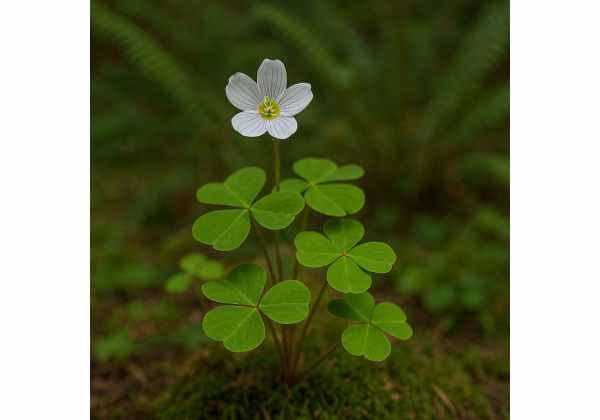
Redwood sorrel, also called Oxalis oregana, is one of the most recognizable understory plants of cool Pacific Northwest forests. Its three heart-shaped leaflets, delicate pale flowers, and bright lemony taste make it memorable as both a woodland edible and a traditional folk herb. Unlike many strong medicinal plants, redwood sorrel is best understood as a food-like wild herb with modest but interesting wellness value. Its sourness comes from oxalic acid, while its green tissues likely contribute vitamin C, polyphenols, and other antioxidant compounds found across the Oxalis genus.
People are usually drawn to redwood sorrel for three reasons: its refreshing tart flavor, its traditional use in small edible amounts, and its reputation for mild digestive and topical folk uses. At the same time, it is not a plant for heavy or careless use. Because it contains oxalates, serving size, frequency, and personal health history matter. A balanced guide should therefore do two things at once: explain what redwood sorrel may offer, and make clear where caution is wiser than enthusiasm.
Key Insights
- Small amounts may add vitamin C, polyphenols, and a fresh sour flavor to meals.
- Its traditional value centers on appetite, culinary use, and gentle folk applications rather than proven clinical treatment.
- A practical adult serving is about 5–15 fresh leaves, or 1–2 tablespoons chopped fresh leaf in food.
- Avoid regular or concentrated use if you have kidney stones, hyperoxaluria, kidney disease, or have been told to follow a low-oxalate diet.
Table of Contents
- What redwood sorrel is and why it stands out
- Key compounds and medicinal properties
- Redwood sorrel’s potential health benefits
- Traditional uses and practical ways to enjoy it
- Dosage, serving size, and preparation
- Safety, side effects, and who should avoid it
- What the research actually shows
What redwood sorrel is and why it stands out
Redwood sorrel is a low-growing perennial in the wood sorrel family. It spreads by rhizomes and can form soft green carpets across the floor of moist Douglas-fir and redwood forests. The leaves are often mistaken for clover, but the leaflets are more distinctly heart-shaped, and the plant behaves differently in light. One of its most charming features is how quickly the leaves fold or droop when exposed to bright sun, heavy rain, or nighttime darkness. That sensitivity is part of what makes the plant feel almost animated when seen in the wild.
The flavor is the next thing people notice. Redwood sorrel has a bright, tart, almost citrus-like bite. That sourness comes from oxalic acid, a naturally occurring plant compound also found in foods such as spinach, beet greens, and rhubarb. In small amounts, that acidity makes the leaves appealing as a garnish or trail nibble. In large amounts, it becomes the main reason the herb demands restraint.
Traditional use in the Pacific Northwest has been primarily practical rather than highly formalized. The leaves were eaten in small amounts, sometimes with dried fish, and the plant also appears in folk topical preparations for sore areas, boils, and skin discomfort. Those uses matter historically, but they should not be confused with modern clinical proof. Redwood sorrel belongs to a long line of plants that were part food, part field remedy, and part seasonal flavoring.
It also helps to distinguish redwood sorrel from other sour greens. It is not the same plant as garden sorrel or French sorrel, both of which belong to Rumex. It is also different from ornamental “shamrock” species sold as houseplants. That matters because flavor, oxalate level, and traditional use are often discussed loosely under the word “sorrel,” which can create confusion.
The most useful modern way to think about redwood sorrel is this: it is a flavorful wild edible with a modest traditional wellness profile, not a standardized medicinal herb. It can support a diverse plant-based diet and connect people to seasonal foraging traditions, but it makes the most sense when used lightly, thoughtfully, and with awareness of oxalate-related safety.
Key compounds and medicinal properties
Redwood sorrel is chemically interesting even though it is not a mainstream medicinal herb. Its best-known constituent is oxalic acid, which gives the leaves their sharp taste. In plants, oxalates help with regulation and defense. For human use, they are a double-edged trait: they create the refreshing sourness that makes the herb appealing, but they also limit how much is wise to eat, especially for people prone to calcium oxalate kidney stones.
Beyond oxalates, redwood sorrel likely shares several useful compounds common to other Oxalis species. Research on related species shows a profile that may include flavonoids, phenolic acids, organic acids, and other antioxidant constituents. These compounds help explain why wood sorrels are often described as antioxidant-rich plants in laboratory and food-science discussions. That does not mean redwood sorrel is a proven treatment for oxidative stress disorders. It means the plant has a plausible phytochemical basis for mild protective effects when eaten as part of a varied diet.
The herb may also contribute small amounts of vitamin C and other micronutrients typical of fresh leafy greens. Because the usual serving is small, redwood sorrel is unlikely to be a major nutrient source on its own. Its value is better seen as concentrated flavor with bonus phytonutrients rather than as a staple vegetable. In that sense, it behaves more like a garnish herb than a bulk green.
Its traditional “medicinal properties” are best described in gentle terms:
- Sour and saliva-stimulating, which may sharpen appetite before food.
- Lightly refreshing, especially when used fresh.
- Potentially antioxidant because of polyphenols and related plant compounds.
- Historically used in topical folk preparations for irritated or inflamed areas.
There is also an important nutritional tradeoff. Oxalates can bind certain minerals, especially calcium, in the gut. That is one reason heavy intake of high-oxalate greens is not ideal as a daily habit. Compared with larger portions of greens, a small amount of redwood sorrel is less about building your mineral intake and more about adding brightness and variety. For people interested in more substantial mineral-dense leafy herbs, nettle’s nutrient profile offers a very different model.
Another point worth stressing is variability. Wild herbs change with soil, moisture, season, and plant age. A leaf picked from a cool shaded patch in spring may not have the same intensity as one gathered later or from a drier edge habitat. That makes exact “active ingredient” claims less reliable than they are for standardized capsules or extracts.
So, the most accurate summary is that redwood sorrel contains interesting phytochemicals and has real traditional value, but its chemistry supports modest culinary and folk use far more clearly than strong therapeutic claims.
Redwood sorrel’s potential health benefits
Redwood sorrel’s health benefits are best described as potential and context-dependent. It is not a plant with strong human trial data behind it, so the most responsible approach is to focus on reasonable benefits that follow from its chemistry, traditional use, and food-like role.
The first likely benefit is antioxidant support. Fresh sour greens often contribute vitamin C and plant polyphenols, and related Oxalis species have shown antioxidant potential in laboratory studies. In real life, that probably means redwood sorrel can add a small amount of protective phytochemical variety to the diet. That is useful, but only in the same modest way that many fresh herbs and wild greens are useful.
The second likely benefit is appetite and digestive stimulation. Sour flavors naturally increase salivation and can make food feel more vivid and satisfying. A few chopped leaves scattered over fish, potatoes, grains, or spring salads may make a meal more appealing, which can be especially welcome when appetite feels flat. This is a classic food-as-support role rather than a drug-like effect.
A third benefit is culinary substitution. Because redwood sorrel is flavorful in small amounts, it can add brightness without relying on heavy dressings or extra salt. For some people, that helps make simple meals more enjoyable. This is not a glamorous claim, but it is practical and often more honest than overpromising disease benefits.
Traditional topical use deserves a careful mention. Folk preparations have included washes and poultices for sore spots, boils, and mild skin complaints. The plant’s acidity and phytochemicals may partly explain why it earned that role, but modern evidence is thin. It should be viewed as historical knowledge, not as proof that the herb should be used on broken skin or infections today.
There is also a broader benefit that is easy to overlook: plant diversity. Small servings of distinctive wild herbs can widen the range of flavors and phytochemicals in the diet. That can encourage more seasonal eating and more attention to how food is sourced and prepared. A tangy woodland herb does not need to be a miracle plant to be worthwhile.
Still, the limits matter. Redwood sorrel is not the right herb to market for detox, inflammation treatment, or metabolic disease control. Those claims are based mostly on data from related species, extracts, or laboratory work. If someone wants a more substantial peppery green with a stronger food tradition, watercress may be a better fit for regular use.
In plain terms, redwood sorrel may support antioxidant intake, brighten meals, and gently encourage appetite. Those are real but modest benefits. Its strongest value is thoughtful culinary use with respect for individual risk factors.
Traditional uses and practical ways to enjoy it
Redwood sorrel is most at home in the kitchen when treated as an accent herb. Its sourness is pleasant in small amounts and tiring in large ones, so the best uses are the simplest.
Fresh leaves work well as a garnish over:
- grilled or baked fish
- potatoes and roasted roots
- spring salads with mild greens
- rice, barley, or other cooked grains
- egg dishes and soft cheeses
A few leaves can also be chopped into a green sauce, stirred into herb butter, or folded into a finishing salad dressing. The plant pairs especially well with rich foods because the acidity cuts through heaviness. That is one reason traditional pairings with fish make practical sense.
Some people add it to soups right before serving. This preserves more of the fresh taste than long simmering does. If you cook it, keep the heat brief. Long cooking can flatten the flavor. That said, brief boiling or blanching may make sense when reducing the soluble oxalate load is more important than preserving raw sharpness.
As a foraged plant, redwood sorrel should be harvested with extra care:
- Harvest only from clean environments away from roads, sprayed landscapes, industrial runoff, and contaminated water.
- Take small amounts from abundant patches rather than stripping one area.
- Wash gently but thoroughly.
- Use fresh, tender leaves rather than older, tougher growth.
- Do not treat uncertain identification casually.
It can also be used in a more herbal way, though this is a secondary role. A mild infusion or short steep of fresh leaf has been used traditionally, but this is not the plant’s strongest format. Because oxalates remain part of the picture, concentrated or repeated medicinal-style use is less attractive than occasional food use.
For readers who enjoy tart, succulent edible plants, redwood sorrel can fill a niche similar to purslane, though the two herbs differ in texture, nutrition, and safety profile. Purslane is more substantial as a food green, while redwood sorrel is more intense and better in smaller amounts.
The traditional lesson is simple: redwood sorrel is a supporting herb. It shines when used to sharpen flavor, freshen a plate, and add a small wild note to ordinary food. It is less convincing when pushed into the role of a daily tonic or concentrated medicine. That difference is what often separates responsible herbal use from exaggerated herbal marketing.
Dosage, serving size, and preparation
There is no clinically standardized dosage for redwood sorrel. That is important to say plainly. Most practical dosing guidance is culinary and conservative, based on the plant’s strong flavor and oxalate content rather than on formal medical trials.
For most healthy adults, a sensible food-first range looks like this:
- Fresh leaf as garnish: about 5–15 small leaves at a time.
- Chopped fresh leaf in meals: about 1–2 tablespoons per serving.
- Cooked use: about 2–4 tablespoons added to a dish rather than used as a full bowl of greens.
These amounts are enough to enjoy the sour flavor without making the herb the center of the meal. They also fit how traditional and modern foragers tend to use the plant: lightly and occasionally.
If someone wants to try it more regularly, frequency matters as much as serving size. A few small servings across a week are more sensible than eating large raw handfuls in one sitting. Redwood sorrel is not a good candidate for “more is better” thinking.
For tea or infusion, caution is wise. A light short steep using about 1–2 g dried leaf or a small pinch of fresh leaf per cup can be tried, but this is not the preferred way to use the herb if you are sensitive to oxalates or have a history of stones. Food use is generally easier to control and easier to keep moderate.
Preparation tips that improve tolerance include:
- Pair small servings with a full meal rather than eating them alone.
- Avoid building a giant salad around the plant.
- Brief blanching or boiling may lower some soluble oxalates.
- Discard cooking water if oxalate reduction is your goal.
- Combine with calcium-containing foods only as part of a normal meal, not as a workaround for heavy intake.
If your interest is digestive support rather than sour woodland flavor, a more established herb such as dandelion usually offers clearer traditional dosing patterns.
Duration also matters. Redwood sorrel is best treated as an occasional seasonal herb, not as a daily long-term supplement. A good rule is to keep use intermittent and reassess if you notice stomach irritation, mouth discomfort, or any urinary symptoms.
The most honest dosage advice is therefore this: use the smallest amount that gives you the flavor or culinary effect you want, and do not force medicinal-style dosing onto a plant that is better suited to restrained food use.
Safety, side effects, and who should avoid it
Safety is the most important part of any redwood sorrel guide. The plant is edible, but its oxalate content means it is not a free-use salad green for everyone.
The main concern is oxalate burden. High-oxalate foods can contribute to calcium oxalate kidney stone risk in susceptible people. They may also reduce mineral availability in the gut when eaten in large amounts over time. That does not make redwood sorrel dangerous in small culinary servings for healthy people. It does mean portion and personal history matter.
People who should avoid regular or medicinal use include:
- anyone with a history of calcium oxalate kidney stones
- people diagnosed with hyperoxaluria
- those with significant kidney disease
- anyone instructed to follow a low-oxalate diet
- people prone to heavy intake of other oxalate-rich greens on the same day
Children should only have very small food-like tastes, not repeated large servings. Pregnancy and breastfeeding are different from ordinary healthy adult use because strong safety data are lacking. Culinary amounts are the safest boundary. Concentrated, daily, or experimental use is harder to justify.
Possible side effects from overuse may include:
- mouth or stomach irritation from the herb’s acidity
- nausea if eaten in excess
- digestive discomfort from large raw servings
- concern about oxalate load in susceptible individuals
There are no famous, well-established drug interactions specific to redwood sorrel, but that should not be taken as proof of safety with everything. Wild herbs are under-studied. If you take medicines for kidney disease, major mineral imbalances, or chronic metabolic issues, the safest approach is to keep use strictly culinary unless a clinician says otherwise.
Another practical safety point is sourcing. Wild plants can accumulate contamination from roadsides, treated landscapes, or polluted runoff. With redwood sorrel, the plant itself is only one part of the risk calculation; where it grows matters too.
Topical folk use also deserves modern caution. A traditional wash or poultice is part of the plant’s history, but home use on broken skin, infected wounds, or sensitive eyes is not a good idea. Modern first aid is more reliable.
The bottom line is reassuring but firm. Redwood sorrel is usually fine in small, occasional food amounts for healthy adults. It becomes a poor fit when used heavily, frequently, or by people with oxalate-related risk factors. If there is one herb where “occasional accent” is much wiser than “daily health tonic,” this is it.
What the research actually shows
The research story around redwood sorrel is mixed in a useful way. On one hand, there is genuine scientific interest in the Oxalis genus. On the other hand, direct human research on Oxalis oregana itself is extremely limited. That means the strongest article you can write is one that separates genus-level promise from species-specific proof.
Studies on related Oxalis species show that these plants can contain flavonoids, phenolic acids, organic acids, and other compounds with antioxidant, antimicrobial, and anti-inflammatory potential in laboratory settings. Reviews published in recent years describe the genus as chemically rich and biologically interesting. A food-science study on Oxalis pes-caprae also highlights that wild edible Oxalis plants may have usable nutritional and phytochemical value, while also confirming that oxalic acid remains a major limiting factor.
That pattern matters. It suggests three practical conclusions.
First, redwood sorrel’s reputation is not baseless. The broader genus does contain compounds that could support antioxidant and mild health-promoting effects.
Second, direct evidence for clinical outcomes in humans is weak. There are no strong trials showing that redwood sorrel, as ordinarily eaten, treats inflammation, digestive disease, infections, or any chronic condition.
Third, safety concerns are better documented than therapeutic dosage. Oxalate-related caution is not hypothetical. It is one of the clearest evidence-backed reasons to keep intake modest.
Research on food preparation adds one more helpful point: boiling can reduce soluble oxalates in vegetables. That does not turn redwood sorrel into a low-oxalate food, but it supports the common-sense advice that cooked, smaller servings may be gentler than large raw ones for people who still want to include it occasionally.
So where does that leave the herb? In a sensible middle ground. Redwood sorrel is neither useless nor a miracle plant. It is best seen as:
- a traditional edible herb with interesting phytochemistry
- a possible minor source of antioxidant compounds
- a flavorful sour green that can brighten meals
- a plant that should not be oversold as a proven medicine
That may actually make it more appealing, not less. Many herbs are most valuable when they are appreciated for what they truly are: modest, seasonally meaningful, and safely used in context. Redwood sorrel fits that model well. The most evidence-based use today is small, occasional culinary use backed by realistic expectations and strong respect for oxalate-related precautions.
References
- Potential Interest of Oxalis pes-caprae L., a Wild Edible Plant, for the Food and Pharmaceutical Industries 2024 (Food Science Study)
- Oxalis corniculata L. As a Source of Natural Antioxidants: Phytochemistry, Bioactivities, and Application Potential 2025 (Review)
- Oxalates: Dietary Oxalates and Kidney Inflammation: A Literature Review 2024 (Literature Review)
- Effect of different cooking methods on vegetable oxalate content 2005 (Comparative Study)
Disclaimer
This article is for educational purposes only and is not medical advice. Redwood sorrel is a traditional edible herb, but it is not a substitute for diagnosis, treatment, or individualized nutrition guidance. Because it contains oxalates, people with kidney stones, hyperoxaluria, kidney disease, or medically prescribed low-oxalate diets should speak with a qualified healthcare professional before using it beyond very small culinary amounts. Seek professional care for persistent digestive symptoms, urinary symptoms, suspected allergic reactions, eye problems, infected skin lesions, or any condition that needs medical evaluation.
If you found this article useful, please share it on Facebook, X, or your preferred platform to help more readers find practical, safety-aware herbal information.