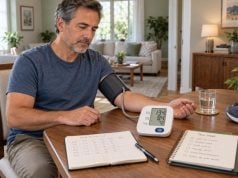
Muscle aches are the most common reason people stop statins, but pain that happens while taking a statin is not always caused by the drug. Typical statin-associated muscle symptoms include aching, soreness, cramps, heaviness, or weakness, often affecting both sides of the body in large muscle groups such as the thighs, hips, calves, shoulders, or upper arms. Serious muscle injury is much less common than ordinary aches.
The safest approach is not to ignore new symptoms, but also not to assume that one painful week means you can never take a statin again. Your clinician can look at timing, severity, other medicines, exercise, thyroid function, and other causes; temporarily stop or reduce the statin when appropriate; and then test a different dose or drug. Many people who have symptoms with one regimen can tolerate another. If no useful statin dose works, nonstatin medicines can still lower LDL and cardiovascular risk. Severe weakness, dark urine, or rapidly worsening symptoms need prompt medical attention.
Table of Contents
- What Statin Muscle Pain Usually Feels Like
- Why Muscle Symptoms Happen
- How Doctors Evaluate Statin Muscle Symptoms
- What to Try Before Giving Up on Statins
- When to Switch or Use Nonstatin Treatment
- Warning Signs That Need Faster Medical Care
- A Practical Plan for Your Next Appointment
What Statin Muscle Pain Usually Feels Like
Statin-associated muscle symptoms, often shortened to SAMS, are a broad group of complaints that begin during statin treatment. The most common form is myalgia: muscle pain or aching without clear evidence of muscle breakdown. Symptoms can also include stiffness, cramps, fatigue, heaviness, or a sense that muscles are weaker than usual.
A pattern that raises suspicion for SAMS is pain that is:
- new after starting a statin or increasing the dose;
- fairly symmetrical rather than isolated to one small spot;
- centered in large proximal muscles such as the thighs, buttocks, shoulders, or upper arms;
- unexplained by a new injury or unusually hard workout; and
- improved after reducing or stopping the statin, then recurring after a careful rechallenge.
That pattern is suggestive, not definitive. There is no single blood test that proves ordinary statin myalgia. A normal creatine kinase, or CK, level does not rule out muscle symptoms. CK is an enzyme released when muscle cells are injured, and it is more useful when symptoms are severe, weakness is prominent, or true myopathy is suspected. For more detail on how that test is interpreted, see creatine kinase and statins.
It also helps to separate common symptoms from rare but serious problems. Myopathy generally implies objective muscle disease or weakness, often with CK elevation. Rhabdomyolysis is severe muscle breakdown that can damage the kidneys and is a medical emergency. An even rarer condition, immune-mediated necrotizing myopathy related to antibodies against HMG-CoA reductase, can cause persistent weakness and marked CK elevation that continue even after the statin is stopped. These conditions are not the usual explanation for everyday aches.
Clinical reviews estimate that muscle symptoms are reported by roughly 5% to 10% or more of patients in routine care, depending on how SAMS is defined and studied. Blinded trials generally find a much smaller excess of symptoms caused directly by statins. That difference is important: symptoms are real, but their cause may be the statin, another medical issue, physical activity, expectations about side effects, or a combination of factors.
Why Muscle Symptoms Happen
There is no single cause of SAMS. Statin dose, blood concentration, individual susceptibility, interacting drugs, and other health conditions can all affect risk. Some people have symptoms because the statin truly changes muscle-cell function; others develop pain from another cause during treatment and naturally connect the two events.
Factors that can make statin-related muscle problems more likely include:
- higher statin doses or higher-intensity treatment;
- older age, frailty, or low body mass in some patients;
- untreated hypothyroidism;
- kidney or liver impairment that changes drug handling;
- certain drug interactions that increase statin exposure;
- heavy alcohol use;
- a history of muscle disease;
- very strenuous or unfamiliar exercise; and
- genetic differences in statin transport or metabolism.
Drug interactions matter most with statins that depend heavily on specific liver enzymes. Some antibiotics, antifungal drugs, HIV medicines, transplant medicines, and other drugs can sharply raise statin concentrations. Grapefruit can also affect the metabolism of certain statins, especially simvastatin and, to a lesser degree, atorvastatin. The practical lesson is to have a pharmacist or clinician review the entire medication list rather than assuming the statin itself is the only variable.
Exercise can be confusing because it is both heart-protective and a common source of muscle soreness. Starting a demanding strength program, running hills, or doing a long endurance event can raise CK and cause aches even without a statin. If symptoms appeared after a major change in activity, tell your clinician. That timing may affect when CK is measured and how results are interpreted.
Expectations also influence symptoms. In blinded crossover studies, many people who previously believed statins caused unacceptable symptoms experienced similar symptoms during placebo periods. This is sometimes called the nocebo or drucebo effect. It does not mean symptoms are imagined. It means the brain’s expectations, normal background aches, and attention to bodily sensations can change how symptoms are experienced and attributed. Acknowledging that effect can help patients test treatments systematically instead of abandoning cardiovascular prevention after one experience.
Finally, other conditions can mimic SAMS. Vitamin D deficiency, inflammatory disorders, arthritis, nerve compression, peripheral artery disease, infection, sleep problems, electrolyte disturbances, and thyroid disease can all produce pain, weakness, or fatigue. Identifying a reversible cause can make it possible to continue an effective statin safely.
How Doctors Evaluate Statin Muscle Symptoms
The evaluation starts with the story, not the laboratory panel. Your clinician will usually ask when symptoms began, where they occur, whether they are symmetrical, whether you feel true weakness, what changed around the same time, and whether symptoms improved when the statin was interrupted.
A useful timeline includes:
- the statin name and dose;
- the date it was started or increased;
- when muscle symptoms began;
- any new medicine, supplement, illness, or exercise change;
- what happened if you stopped the statin; and
- whether symptoms returned with a restart or another statin.
CK testing is generally selective rather than routine. Mild aches with normal strength may not require a CK test in every case. More significant pain, muscle weakness, dark urine, fever, or concern for substantial injury makes CK and kidney testing more important. A clinician may also check thyroid-stimulating hormone, liver and kidney function, electrolytes, or other tests when the history suggests an alternative cause.
The strongest clue that a statin is responsible is a reproducible pattern: symptoms appear with treatment, improve after withdrawal, and return with rechallenge. Even then, the goal is usually to find the highest statin exposure that is comfortable and safe rather than proving causation with absolute certainty.
Professional guidance distinguishes partial from complete statin intolerance. Partial intolerance means you can take some statin therapy but not enough to achieve the needed LDL reduction. Complete intolerance means no useful statin regimen is tolerated. The National Lipid Association definition generally requires attempts with at least two statins, including one at the lowest approved daily dose, before labeling a patient statin intolerant.
That distinction matters. A person who tolerates rosuvastatin 5 mg three times a week, for example, is not receiving a conventional high-intensity regimen, but that small amount may still lower LDL enough to make an added nonstatin therapy more effective. Treatment does not have to be all-or-nothing.
What to Try Before Giving Up on Statins
If symptoms are not severe or dangerous, several strategies can preserve statin benefit. Which one comes first depends on your cardiovascular risk, the severity of symptoms, and how strongly the timing points to the statin.
Pause and reassess when appropriate
A clinician may recommend a temporary statin break to see whether symptoms improve. The length of the pause varies, but the purpose is to establish a cleaner baseline. Do not stop a statin on your own if you recently had a heart attack, stroke, stent, or another high-risk event; in that setting, uninterrupted LDL lowering is especially important and a replacement plan may be needed immediately.
Try a lower dose
Muscle symptoms can be dose-related. A lower dose may be well tolerated while still providing meaningful LDL reduction. The relationship between statin dose and LDL lowering is not linear: doubling a statin dose usually produces only a modest additional percentage reduction, so dropping one dose step can sometimes improve tolerability without giving up most of the cholesterol benefit.
Switch to a different statin
Statins differ in potency, metabolism, solubility, and drug-interaction patterns. Someone who has symptoms with simvastatin or atorvastatin may tolerate pravastatin, rosuvastatin, pitavastatin, or another option. There is no universally “best” statin for muscle symptoms, but choosing one with fewer relevant interactions or a different pharmacologic profile can help.
Consider less frequent dosing
Longer-acting statins such as rosuvastatin can sometimes be used on alternate days or several times per week in patients who cannot tolerate daily treatment. This is an individualized strategy rather than the standard first-line schedule, but it can provide useful LDL reduction for people with partial intolerance.
Correct modifiable contributors
Treat hypothyroidism, review interacting medicines, address severe vitamin deficiencies when present, and separate medication changes from unusually intense exercise when possible. If the symptom has another cause, treating that cause may make a statin tolerable again.
Supplements are less certain. Coenzyme Q10 is widely promoted for statin muscle symptoms, but trial results have been inconsistent. It should not replace a systematic evaluation or proven LDL-lowering therapy. If you are considering it, review the evidence on CoQ10 for statin side effects and discuss interactions or unnecessary expense with your clinician.
When to Switch or Use Nonstatin Treatment
Switching away from a particular statin makes sense when symptoms are reproducible, significantly affect function or quality of life, return despite sensible dose adjustments, or occur in the setting of a concerning laboratory abnormality. Switching away from all statins usually requires more evidence because losing statin therapy can increase cardiovascular risk if LDL remains high.
The decision also depends on how urgently LDL must be lowered. Someone with established atherosclerotic cardiovascular disease, familial hypercholesterolemia, or a very high LDL level cannot safely spend months with inadequate treatment while repeatedly testing regimens. In higher-risk patients, clinicians may start a nonstatin while they work out whether a small statin dose is still possible.
Useful nonstatin options include:
- Ezetimibe, a daily pill that usually lowers LDL by roughly 15% to 25%.
- Bempedoic acid, an oral drug activated mainly in the liver that has cardiovascular outcomes evidence in statin-intolerant patients.
- PCSK9 monoclonal antibodies, injectable medicines that can lower LDL by about 50% to 60% and have strong cardiovascular outcomes evidence.
- Inclisiran, a longer-interval injectable therapy that lowers PCSK9 production and substantially lowers LDL.
A full comparison is available in statin alternatives for high LDL cholesterol. In practice, many people do best with combination therapy rather than a single replacement. A low or intermittent statin dose plus ezetimibe, for example, may be easier to tolerate and more effective than forcing a high statin dose. A PCSK9 inhibitor may be added when a much larger reduction is needed.
Treatment should be driven by your cardiovascular risk and LDL goal, not by whether the plan looks conventional. If the final regimen safely gets LDL or other atherogenic markers to the target and you can stay on it, it is doing its job.
Warning Signs That Need Faster Medical Care
Most statin muscle symptoms are uncomfortable rather than dangerous, but a few features call for rapid evaluation. Contact a clinician promptly, or seek urgent care when symptoms are severe, if you develop:
- marked or rapidly worsening muscle weakness;
- severe generalized muscle pain rather than mild soreness;
- dark brown, cola-colored, or unusually scant urine;
- muscle symptoms with fever, vomiting, or dehydration;
- inability to perform normal tasks such as rising from a chair or lifting the arms;
- symptoms after a new drug known to strongly interact with your statin; or
- persistent weakness that does not improve after the statin has been stopped under medical guidance.
Rhabdomyolysis is rare, but the combination of severe muscle symptoms, very high CK, and kidney injury requires urgent treatment. Risk can rise with excessive statin exposure from drug interactions, severe illness, kidney dysfunction, or certain high-risk dosing situations.
Persistent proximal weakness with a markedly elevated CK even after statin withdrawal raises a different concern: immune-mediated necrotizing myopathy. This is very uncommon and requires specialist evaluation, antibody testing, and treatment that is different from ordinary SAMS.
If symptoms are mild and localized—such as one sore calf after a long hike—there is usually no reason to panic. The goal is proportionate evaluation: take red flags seriously while avoiding unnecessary fear about routine muscle aches.
A Practical Plan for Your Next Appointment
Before your appointment, write down exactly what happened rather than simply saying “the statin made me hurt.” Specific details make it much easier to distinguish SAMS from another problem and choose the next treatment.
Bring or record:
- the names and doses of every statin you have tried;
- the dates symptoms began and ended;
- where the pain or weakness occurred;
- whether symptoms affected sleep, walking, climbing stairs, or work;
- all prescription drugs, over-the-counter medicines, and supplements;
- major changes in exercise, illness, or diet; and
- any previous CK, thyroid, kidney, liver, or vitamin D results.
Then ask four practical questions: How likely is this to be statin-related? What dangerous causes have we ruled out? What statin strategy should we try next? What is the backup plan for reaching my LDL goal if symptoms recur?
It is also worth asking what LDL reduction you need. Someone whose LDL is only slightly above goal may do well with a small tolerated statin dose plus ezetimibe. Someone with very high LDL cholesterol or known coronary disease may need a stronger combination immediately.
Avoid repeatedly starting and stopping medication without a plan. Each trial should answer a question: Did a lower dose help? Did a different statin change the symptoms? Did the pain disappear off treatment? Did a nonstatin provide enough LDL reduction? That turns a frustrating sequence of side effects into useful information.
If you use a fitness tracker or keep an exercise log, it can also help to note whether symptoms track with unusually hard workouts rather than medication changes. Ask whether your clinician wants you to avoid strenuous exercise for a short period before a CK test, because intense exercise can raise CK even in healthy people. If symptoms mainly involve joints, one small area, numbness, tingling, or shooting pain, mention that too; those patterns may point away from a statin muscle problem and toward arthritis, tendon injury, or a nerve condition. The more precisely you describe the symptom, the less likely you are to lose a useful medicine for the wrong reason.
Most importantly, do not confuse “I had muscle symptoms on a statin” with “I have no safe way to lower cholesterol.” Many patients tolerate a different statin strategy, and modern nonstatin treatments provide strong alternatives when they do not. The objective is long-term cardiovascular protection with a regimen you can actually continue.
References
- 2026 ACC/AHA/AACVPR/ABC/ACPM/ADA/AGS/APhA/ASPC/NLA/PCNA Guideline on the Management of Dyslipidemia: A Report of the American College of Cardiology/American Heart Association Joint Committee on Clinical Practice Guidelines 2026 (Guideline)
- Statin-Associated Muscle Symptoms and Myotoxicity: A Clinically Oriented Narrative Review with a Practical Prevention, Evaluation, and Management Algorithm 2026 (Review)
- Update on statin-associated myopathy symptoms in the view of new clinical management strategies. 2025 (Review)
- Statin-Associated Muscle Symptoms: Identification and Recommendations for Management. 2024 (Review)
- Statin-associated muscle symptoms: A comprehensive exploration of epidemiology, pathophysiology, diagnosis, and clinical management strategies 2024 (Review)
- NLA scientific statement on statin intolerance: a new definition and key considerations for ASCVD risk reduction in the statin intolerant patient 2022 (Position Statement)
Disclaimer
This article is for general education and is not a diagnosis or treatment plan. New or severe muscle weakness, dark urine, or rapidly worsening muscle pain during statin therapy can require urgent medical evaluation. Do not stop a prescribed statin without discussing your cardiovascular risk and a safe replacement plan with your clinician, especially after a recent heart attack, stroke, or coronary procedure.