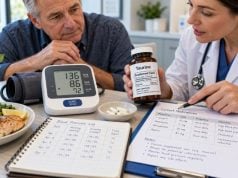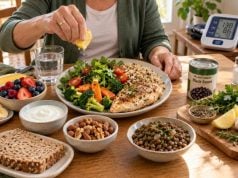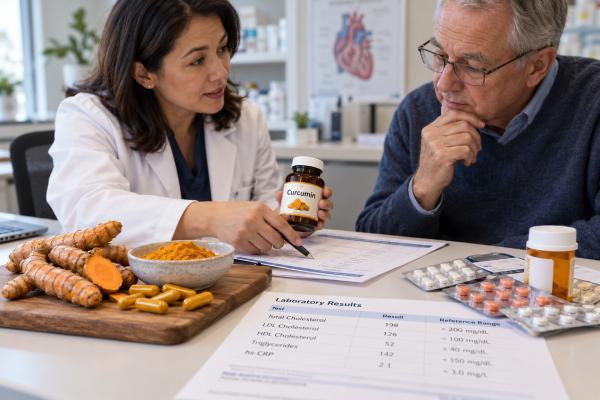
Turmeric is promising enough to study, but not proven enough to use as a substitute for standard heart treatment. Its best-known compound, curcumin, has anti-inflammatory and antioxidant effects in laboratory research, and clinical trials suggest small improvements in some markers such as triglycerides, LDL cholesterol, blood sugar, and C-reactive protein. The size of those effects varies widely by study and product, and there is no strong evidence that turmeric supplements prevent heart attacks or strokes.
The safety picture also deserves more attention than supplement marketing often gives it. Concentrated turmeric or curcumin products can cause digestive side effects, may interact with medicines, and have been linked to rare but potentially serious liver injury. Products designed for “enhanced absorption,” including some combined with piperine from black pepper, can produce very different blood levels than ordinary turmeric used in cooking. For most people, turmeric as a culinary spice is low risk. High-dose supplements require a more careful risk-benefit decision, especially if you take cardiovascular medicines.
Table of Contents
- Turmeric, Curcumin, and Heart Health
- What the Evidence Says About Inflammation
- Cholesterol, Triglycerides, and Blood Pressure
- Drug Interactions and Bleeding Concerns
- Liver Injury and Other Safety Issues
- Turmeric in Food vs Curcumin Supplements
- Who Should Talk to a Clinician First
Turmeric, Curcumin, and Heart Health
Turmeric is the yellow-orange spice made from the root of Curcuma longa. Curcumin is one of several curcuminoids in turmeric and is the ingredient most often isolated or concentrated in supplements. These terms are often used as if they mean the same thing, but the dose and exposure can be very different.
A meal seasoned with turmeric may contain a modest amount of curcumin. A supplement may contain hundreds or thousands of milligrams of turmeric extract, standardized curcuminoids, or a formulation engineered to increase absorption. That difference matters when interpreting both benefits and risks.
Researchers are interested in curcumin because cardiovascular disease involves more than cholesterol alone. Oxidative stress, inflammation, insulin resistance, endothelial dysfunction, and abnormal lipid metabolism can all contribute. Curcumin affects several of these pathways in laboratory and animal models.
Human trials, however, answer a different question: does taking a supplement produce a meaningful improvement in people? Recent meta-analyses suggest that it can change some cardiovascular risk markers, but effects are generally modest and trials are highly variable. There is still no reliable evidence that turmeric supplements reduce clinical events such as heart attack, stroke, hospitalization for heart failure, or cardiovascular death.
That distinction is important. A supplement can move a laboratory value without being proven to improve outcomes. Proven heart-risk reduction still centers on habits and therapies with strong evidence, including exercise, a heart-healthy diet, smoking cessation, blood pressure control, diabetes management, and appropriate lipid-lowering treatment. If cholesterol is a concern, understanding when statins are recommended is more important than trying to replace them with turmeric.
What the Evidence Says About Inflammation
Curcumin can influence inflammatory signaling, and pooled clinical trials often report reductions in C-reactive protein, or CRP, and some other inflammatory markers. A large 2024 meta-analysis covering more than 100 randomized trials rated the evidence for an effect on CRP more favorably than the evidence for many other outcomes.
That sounds encouraging, but it needs context. CRP is a marker of inflammation. Lowering CRP with a supplement has not by itself been shown to prevent cardiovascular events. The trials also differ in dose, formulation, duration, health status, and baseline inflammation. A person with obesity and type 2 diabetes may respond differently from a healthy adult with normal laboratory values.
“Anti-inflammatory” does not mean cardioprotective by default
Atherosclerosis has an inflammatory component, but heart disease prevention is not as simple as finding any product that lowers an inflammatory marker. The effect must be large enough, safe enough, and linked to better clinical outcomes. Turmeric has not crossed that evidence threshold.
If chronic inflammation is a concern, the highest-value steps are usually broader: treating obesity and diabetes, stopping tobacco use, improving sleep, exercising, and eating a dietary pattern rich in vegetables, legumes, whole grains, nuts, fish, and unsaturated fats. An anti-inflammatory eating pattern brings many proven cardiovascular benefits that a single supplement cannot replicate.
What a realistic benefit might look like
For someone who already has a strong prevention plan, a curcumin supplement might produce a small change in inflammatory markers. It should be viewed, at most, as a possible adjunct—not as a therapy for “inflamed arteries.” There is no home test or symptom that can tell you whether turmeric is cleaning plaque or reversing atherosclerosis, because those claims go beyond the evidence.
Cholesterol, Triglycerides, and Blood Pressure
Recent systematic reviews generally find small average improvements in lipid levels, but the results vary enough that you should not expect a predictable response.
A 2023 meta-analysis of 64 randomized trials found average reductions of only a few milligrams per deciliter in total cholesterol, LDL cholesterol, and triglycerides, with a small rise in HDL cholesterol. A 2026 meta-analysis focused on people with prediabetes or diabetes found somewhat larger average triglyceride reductions, but the certainty of evidence was low and study-to-study variation was high.
These changes are much smaller and less reliable than the LDL reductions achieved with established lipid-lowering medications. If you have high LDL, ApoB, or established cardiovascular disease, turmeric should not delay therapies proven to reduce heart attacks and strokes. Current care may include statins and, when needed, additional agents such as ezetimibe, bempedoic acid, or PCSK9-directed therapies.
If you are monitoring multiple lipid markers, ApoB can help show the number of atherogenic particles in situations where LDL cholesterol alone may be incomplete.
Triglycerides may respond more than LDL in some groups
Some trials show a stronger effect on triglycerides, particularly in people with diabetes, metabolic syndrome, or higher baseline levels. Even then, the effect is not large enough to make curcumin a primary treatment for severe hypertriglyceridemia.
If triglycerides are elevated, the fastest proven levers are usually diet changes that reduce sugar, refined carbohydrate, excess calories, and alcohol, along with exercise, weight loss when needed, and better glucose control.
Blood pressure effects are not established enough for treatment
Some meta-analyses report small reductions in systolic blood pressure, while others find inconsistent effects. A few millimeters of mercury can matter at a population level, but a supplement with uncertain dose-response and product quality is not a replacement for home blood pressure monitoring, dietary sodium reduction when appropriate, regular activity, weight management, or prescribed antihypertensive medication.
Do not reduce a blood pressure medicine because your supplement label says turmeric “supports circulation.” The correct decision depends on measured blood pressure and your clinician’s plan.
Drug Interactions and Bleeding Concerns
The interaction risk from concentrated curcumin is one of the strongest reasons to review supplements with a pharmacist or clinician. Laboratory and pharmacokinetic studies suggest that curcumin can affect drug-metabolizing enzymes and transport proteins, including some cytochrome P450 enzymes and P-glycoprotein. Human evidence is limited, so not every theoretical interaction becomes clinically important, but uncertainty does not equal zero risk.
Anticoagulants and antiplatelet medicines
Turmeric and curcumin are often described as having antiplatelet effects. Because of that, clinicians commonly use caution when concentrated supplements are combined with medicines that already reduce clotting, such as:
- warfarin;
- apixaban;
- rivaroxaban;
- dabigatran;
- edoxaban;
- aspirin;
- clopidogrel and other antiplatelet drugs.
The amount of added bleeding risk is not well quantified in high-quality clinical trials. Still, if you take one of these medicines, do not start a high-dose turmeric or curcumin supplement without checking first. Watch for unusual bruising, prolonged bleeding, black stools, blood in urine, vomiting blood, or severe unexplained headache and seek medical care when appropriate.
People taking blood thinners need to balance clot prevention with bleeding risk, so adding supplements casually can complicate that balance.
Other cardiovascular and metabolic medicines
Potential interactions are not limited to blood thinners. Curcumin may alter the absorption or metabolism of some medicines, and piperine can further change bioavailability. If you take drugs for diabetes, blood pressure, arrhythmias, transplantation, cancer, or other conditions with narrow therapeutic ranges, have the exact product reviewed.
The safest approach is to bring the bottle or a clear photo of the Supplement Facts label. “Turmeric supplement” is not enough information because one product may contain plain root powder while another contains a highly concentrated extract plus piperine.
Surgery and procedures
Tell your surgical or procedural team about turmeric or curcumin supplements. They may advise stopping certain supplements ahead of time because of bleeding or interaction concerns. Do not decide the timing yourself if you also take a prescription anticoagulant or antiplatelet drug; those medicines often require a separate, individualized plan.
Liver Injury and Other Safety Issues
A rare but important safety issue is turmeric- or curcumin-associated liver injury. Regulatory agencies have reported cases of hepatitis and severe liver injury linked to medicinal-dose products. The risk appears uncommon, and ordinary turmeric used as food has not been implicated in the same way.
Enhanced-bioavailability products may deserve extra caution. Some use piperine, lipid carriers, nanoparticles, or other technologies to increase absorption. Greater absorption is often marketed as a benefit, but it also changes exposure and may change risk.
Stop a turmeric or curcumin supplement and seek medical advice if you develop possible liver-injury symptoms such as:
- yellowing of the skin or eyes;
- dark urine;
- unusual fatigue or weakness;
- persistent nausea or vomiting;
- loss of appetite;
- upper abdominal discomfort or pain.
People with current or previous liver disease should be especially cautious with concentrated products.
Common side effects
Oral turmeric or curcumin can cause nausea, reflux, stomach upset, diarrhea, or constipation. Higher doses and formulations designed for greater absorption may not be tolerated as well as culinary use.
Turmeric can also stimulate the gallbladder, so people with gallstones or bile-duct obstruction should discuss supplements with a clinician. Anyone who is pregnant, breastfeeding, or preparing for surgery should also get individualized advice because supplement-level exposure differs from food use.
Supplement quality varies
Dietary supplements do not all contain the same form or dose. Labels may list turmeric root, turmeric extract, total curcuminoids, curcumin, proprietary complexes, black pepper extract, or piperine. Contamination, inaccurate labeling, and batch variability are additional concerns across the supplement market.
If you choose a product, favor one that clearly states the amount of active ingredients and has credible independent quality testing. Avoid products that make disease-treatment claims such as “cleans arteries,” “reverses plaque,” or “replaces statins.”
Turmeric in Food vs Curcumin Supplements
For most people interested in general heart health, using turmeric as a spice is the lower-risk choice. It adds flavor without meaningfully increasing sodium, sugar, or saturated fat, and it can fit easily into a Mediterranean-style or plant-forward diet.
Use turmeric in lentil soups, bean dishes, roasted vegetables, curries, eggs, whole grains, or yogurt-based sauces. Combining it with other healthy foods matters more than trying to maximize curcumin absorption from every meal.
Supplements are different because they deliver concentrated exposure. There is no universally accepted “heart-health dose,” and trials have used widely different amounts and formulations. That makes internet dosage charts misleading. A dose that was tolerated in one trial is not automatically appropriate for someone taking warfarin, multiple heart medicines, or a product containing piperine.
Black pepper is not automatically better
Piperine from black pepper is often added because it can increase curcumin absorption. From a marketing perspective, that sounds desirable. From a medication-safety perspective, it is another reason to be cautious because changing absorption can increase exposure and potentially affect drug interactions or liver risk.
Seasoning food with black pepper is not equivalent to taking a concentrated piperine-enhanced supplement. Keep the distinction between culinary use and pharmacologic-style supplementation clear.
How to judge a turmeric supplement claim
A useful way to evaluate marketing is to ask what outcome the evidence actually measured. Many studies look at short-term changes in CRP, LDL cholesterol, triglycerides, glucose, or blood pressure. Those are risk markers, not the same as showing fewer heart attacks or strokes. If a product turns a small change in one marker into a claim that it “protects arteries” or “prevents heart disease,” the marketing is stronger than the evidence.
Also check whether the cited research used the same formulation. Curcumin has poor natural oral absorption, so companies use phospholipid complexes, nanoparticles, micelles, piperine, and other technologies to raise blood levels. Results from one formulation cannot automatically be transferred to another. A 500 mg capsule of one product may create very different exposure from 500 mg of another.
Before buying, compare these features:
| Label feature | What it tells you | Why it matters |
|---|---|---|
| Turmeric root powder | Less concentrated, closer to culinary use | Usually lower curcuminoid exposure |
| Standardized curcuminoids | Concentrated extract with a stated percentage | More pharmacologic exposure than food |
| Piperine or black pepper extract | Absorption enhancer | May increase exposure and interaction concerns |
| “Bioavailable,” “micellar,” or “nano” formulation | Engineered to raise absorption | Benefits and risks may differ from standard curcumin |
| Third-party quality testing | Independent check of identity or contaminants | Helps with product quality, but does not prove effectiveness |
Finally, decide in advance what success would mean. If your goal is LDL reduction, for example, record your baseline lipid panel and review the result with your clinician after an appropriate interval rather than relying on how you feel. If the supplement produces little measurable benefit, there is no reason to keep taking it indefinitely just because it is “natural.”
Who Should Talk to a Clinician First
Discuss turmeric or curcumin supplements before starting them if you:
- take an anticoagulant or antiplatelet drug;
- take several cardiovascular medicines;
- have liver disease or a history of unexplained liver injury;
- have gallstones or bile-duct disease;
- take medicines with a narrow therapeutic range;
- have diabetes and use glucose-lowering medication;
- are pregnant or breastfeeding;
- are preparing for surgery or an invasive procedure;
- have established coronary artery disease, stroke, or peripheral artery disease and are considering turmeric instead of prescribed therapy.
If you already take a supplement, tell your clinician the brand, dose, formulation, and whether it contains piperine or another absorption enhancer. Do not just report “vitamins,” because concentrated botanicals can matter clinically.
For heart health, turmeric works best as a food ingredient, not a shortcut. The supplement evidence is interesting but still limited by small effects, inconsistent formulations, and lack of cardiovascular outcome trials. If you enjoy turmeric in cooking, keep using it as part of a healthy diet. If you are considering a concentrated supplement, make sure the possible benefit is worth the interaction and safety questions in your specific situation.
It is also worth reviewing the basics before adding another capsule. If blood pressure is high, confirm it with reliable measurements and address sodium, activity, weight, sleep, and prescribed treatment. If LDL or ApoB is high, focus on therapies known to lower atherogenic particles. If triglycerides are high, look at sugar, refined starch, alcohol, glucose control, and excess calories. These changes may be less exciting than a supplement, but they directly target the problems most strongly tied to cardiovascular risk.
If you and your clinician still decide to try curcumin, treat it like a real intervention: use one clearly labeled product, avoid changing several supplements at once, watch for side effects, and reassess whether it is providing a measurable benefit. That approach makes it easier to spot both useful effects and problems, and it prevents a supplement routine from drifting on for years without a clear reason.
References
- Effects of Curcumin/Turmeric Supplementation on Lipid Profile in Subjects With Prediabetes and Diabetes: A Systematic Review and Meta-Analysis 2026 (Systematic Review)
- Curcumin and multiple health outcomes: critical umbrella review of intervention meta-analyses 2025 (Review)
- Curcumin on Human Health: A Comprehensive Systematic Review and Meta-Analysis of 103 Randomized Controlled Trials 2024 (Systematic Review)
- Medicines containing turmeric or curcumin – risk of liver injury 2023
- Pharmacokinetic interactions of curcuminoids with conventional drugs: A review 2017 (Review)
Disclaimer
Turmeric used in food and concentrated curcumin supplements are not equivalent. This article is general information, not medical advice; check with a healthcare professional before using turmeric or curcumin supplements if you take blood thinners or other prescription medicines, have liver or gallbladder disease, are pregnant, or are preparing for a procedure.