Uric acid is easy to overlook because it usually sits near the bottom of a routine lab report. Yet it carries useful information about metabolism, kidney handling, inflammation, blood pressure patterns, diet quality, medications, and gout risk. A high value does not automatically mean disease, and a low value is not always “better.” The number earns attention when it stays elevated, rises over time, appears alongside insulin resistance or kidney changes, or comes with gout attacks, kidney stones, or high blood pressure.
For healthy aging, uric acid works best as a context marker. It does not replace glucose, ApoB, blood pressure, waist size, kidney tests, or inflammatory markers. It adds another clue. The goal is not to chase the lowest possible value. The goal is to understand why the number sits where it does, whether it signals a pattern worth correcting, and when medical treatment matters.
Table of Contents
- What Uric Acid Shows in the Body
- Healthy Range and Risk Zones
- When High Uric Acid Matters
- What Raises or Lowers Uric Acid
- How to Test and Track Uric Acid
- What to Do by Result
- Medication and Clinician Decisions
- The Longevity View of Uric Acid
What Uric Acid Shows in the Body
Uric acid is the final breakdown product of purines. Purines come from normal cell turnover and from foods such as organ meats, some seafood, meat, and beer. Your liver produces uric acid, your blood carries it, and your kidneys remove most of it through urine. The gut removes a smaller share.
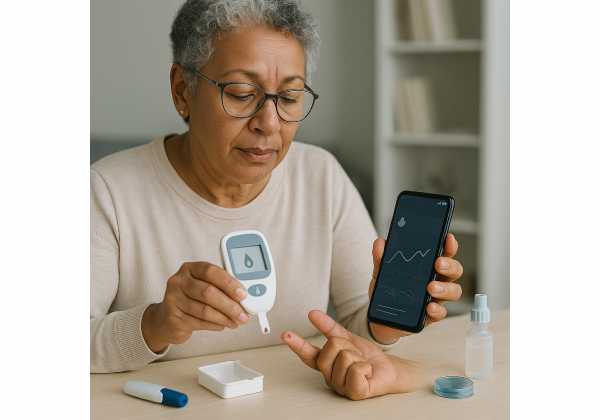
A blood test usually reports serum uric acid or serum urate in mg/dL. In everyday lab interpretation, the two terms often refer to the same blood marker. One mg/dL equals about 59.5 µmol/L.
Uric acid has a split personality. In the bloodstream, it acts as part of the body’s antioxidant system. Inside cells and blood vessel tissue, excess uric acid links with oxidative stress, endothelial dysfunction, inflammation, and insulin resistance. That is why the same marker looks harmless in one person and concerning in another.
The kidneys play a major role. When kidney filtration falls, uric acid often rises because the body clears less of it. When insulin levels run high, the kidneys also tend to hold on to more uric acid. This is one reason uric acid often travels with central weight gain, higher triglycerides, fatty liver patterns, elevated blood pressure, and abnormal glucose handling.
Fructose adds another layer. Large doses of sugar-sweetened drinks and high-fructose corn syrup push ATP turnover in the liver. ATP is the cell’s quick energy currency. When the liver burns through ATP quickly, uric acid production rises. This does not mean whole fruit is the same as soda. Whole fruit brings fiber, water, chewing, and a slower intake pattern. Liquid sugar delivers a larger, faster load.
Uric acid therefore reflects several overlapping processes:
- Purine load from body turnover and food
- Kidney clearance
- Insulin resistance and high insulin levels
- Fructose intake, especially from sweet drinks
- Alcohol intake, especially beer and spirits
- Medication effects
- Hydration, fasting, rapid weight loss, and illness
This is why uric acid deserves a different interpretation than a simple vitamin level. A single value tells you less than the pattern around it. Pairing uric acid with A1c, fasting glucose, and fasting insulin often reveals whether the result is part of a larger metabolic pattern.
Healthy Range and Risk Zones
Most laboratories show a reference range near 3.5–7.2 mg/dL for men and 2.6–6.0 mg/dL for women, though exact ranges vary by lab. Reference ranges describe common values in a population. They do not define an ideal longevity target.
A major threshold is 6.8 mg/dL. Above this level, blood becomes more likely to hold more urate than it can comfortably keep dissolved. When urate crystals form in joints or tissues, gout becomes possible. Not everyone above 6.8 mg/dL gets gout, but crystal risk rises as levels climb and stay high.
A longevity-minded interpretation separates “normal on the lab sheet” from “worth watching.”
| Serum uric acid | Usual interpretation | What to do with the result |
|---|---|---|
| Below 2.0 mg/dL | Unusually low | Review medications, kidney handling, nutrition status, liver disease, rare genetic causes, or lab error with a clinician. |
| 2.0–3.9 mg/dL | Low-normal for many adults | Usually not a problem by itself. Interpret with nutrition, kidney function, and medications. |
| 4.0–5.5 mg/dL | Common low-risk zone | Often a comfortable range when kidney function, blood pressure, and metabolic markers look healthy. |
| 5.6–6.7 mg/dL | Upper-normal or mildly elevated pattern | Watch trends, waist size, triglycerides, glucose, blood pressure, alcohol, sweet drinks, and kidney markers. |
| 6.8–7.9 mg/dL | Above urate saturation threshold | Repeat when well hydrated and medically stable. Look for gout, stones, kidney changes, and metabolic drivers. |
| 8.0–8.9 mg/dL | Clearly elevated | Stronger reason to investigate causes and correct drivers, especially with CKD, hypertension, stones, or family history of gout. |
| 9.0 mg/dL or higher | High-risk zone | Needs clinician review, especially with kidney disease, gout symptoms, stones, or rapid changes. |
Do not treat this table as a dosing chart. A person with gout and a level of 6.4 mg/dL still needs a gout-focused plan if crystals are already present. A person with 7.2 mg/dL and no symptoms needs a careful review rather than automatic medication. A person with 8.5 mg/dL plus high blood pressure, rising creatinine, fatty liver, and high triglycerides has a different risk picture than a lean, well-trained person with one temporary elevation after dehydration.
Low uric acid also deserves nuance. Some observational studies show higher mortality at very low levels in older or frail groups, but that does not prove low uric acid itself causes harm. Low levels often tag other issues, such as poor nutrition, illness, medications, or kidney wasting. The lesson is simple: longevity does not mean “lower is always better.”
When High Uric Acid Matters
High uric acid matters most when it connects to symptoms, tissue damage, kidney stress, or a broader cardiometabolic pattern. The same number has different meaning in different bodies.
Gout and urate crystals
Gout is the clearest uric-acid-related disease. It happens when monosodium urate crystals trigger sudden joint inflammation. A classic flare causes intense pain, swelling, warmth, and redness, often in the big toe, midfoot, ankle, knee, wrist, or fingers. Flares often start at night and peak within 24 hours.
Uric acid levels above 6.8 mg/dL increase the chance of crystal formation, but gout diagnosis does not rest on the blood number alone. Some people have high uric acid for years and never get gout. Some people have a normal uric acid result during an acute flare because inflammation and kidney handling shift temporarily.
Features that make uric acid more urgent include:
- Repeated gout flares
- Visible or imaging-confirmed tophi, which are urate deposits under the skin or around joints
- Joint damage linked to gout
- A uric acid level above 9 mg/dL
- Kidney stones
- Chronic kidney disease
- Diuretic use combined with gout symptoms
When gout is established, treatment focuses on dissolving crystals over time, not just making the lab result look better. The common long-term serum urate goal in gout care is below 6 mg/dL. Some clinicians use lower targets for severe tophaceous gout, but that belongs in a medical plan.
Kidney stones and kidney disease
Uric acid contributes to some kidney stones. It also rises when kidney function declines. This creates a two-way interpretation problem: high uric acid might reflect kidney strain, and kidney strain might raise uric acid.
A longevity-focused lab review should pair uric acid with eGFR and urine albumin-to-creatinine ratio. eGFR estimates filtration. Urine albumin-to-creatinine ratio looks for kidney leakiness, which often appears before major filtration decline. These markers give much better kidney context than uric acid alone. A fuller review of eGFR and albumin-to-creatinine ratio helps separate a mild isolated uric acid issue from an early kidney signal.
Red flags include rising uric acid together with falling eGFR, higher urine albumin, blood in urine, recurrent stones, or swelling. Those patterns need medical review rather than lifestyle guessing.
Metabolic syndrome and insulin resistance
Uric acid often rises with metabolic syndrome: abdominal fat, high triglycerides, low HDL cholesterol, elevated blood pressure, and impaired glucose regulation. The number is not part of the formal diagnostic criteria, but it often behaves like a metabolic warning light.
The link makes biological sense. High insulin reduces uric acid excretion through the kidneys. High fructose intake raises uric acid production in the liver. Visceral fat, fatty liver, and inflammation add more pressure. A rising uric acid value in midlife often appears before a person receives a diabetes or fatty liver diagnosis.
This is where uric acid earns value as a longevity biomarker. It encourages a broader scan: waist circumference, blood pressure, fasting insulin, triglycerides, HDL, liver enzymes, and kidney markers. The triglycerides-to-HDL ratio often adds useful context because it reflects insulin-resistant lipid patterns.
Blood pressure and vascular aging
High uric acid frequently appears with hypertension. It does not prove that uric acid caused the blood pressure rise, because kidney handling, insulin resistance, diet, and medications all overlap. Still, persistent hyperuricemia should prompt a careful blood pressure check.
Home readings matter more than a single office number. A person with uric acid of 7.8 mg/dL and repeated home blood pressure readings around 135/85 mmHg has a stronger risk pattern than someone whose home readings average 115/72 mmHg. Proper technique matters: seated rest, arm supported, correct cuff size, and repeated measurements. A guide to home blood pressure measurement fits naturally into uric acid follow-up.
What Raises or Lowers Uric Acid
Uric acid changes when production rises, clearance falls, or both happen at the same time. The most useful interventions address the reason for the elevation.
Food and drink patterns
The strongest dietary drivers are not small servings of beans or spinach. The biggest recurring levers are sweet drinks, alcohol, large portions of certain meats and seafood, and total metabolic load.
Sugar-sweetened beverages deserve special attention. Soda, sweet tea, energy drinks, fruit drinks, and frequent large juices deliver rapid fructose loads without much fullness. Cutting these often improves uric acid, triglycerides, liver enzymes, weight, and glucose patterns together.
Alcohol raises uric acid through several routes. Beer adds both alcohol and purines from brewer’s yeast. Spirits raise uric acid and impair clearance. Wine appears less strongly linked than beer in many studies, but alcohol still adds sleep disruption, blood pressure load, liver stress, and calories. For someone with gout, recurrent stones, or uric acid above 8 mg/dL, alcohol reduction often produces more benefit than fine-tuning vegetables.
High-purine animal foods matter most when portions are large or frequent. Organ meats, game meats, anchovies, sardines, mussels, scallops, and large meat-heavy meals raise risk more than moderate servings of poultry, eggs, yogurt, tofu, or legumes. Legumes contain purines, but they also bring fiber, minerals, and metabolic benefits. Most people do not need to fear beans.
Helpful food patterns include:
- Water as the default drink
- Unsweetened coffee or tea if tolerated
- Low-fat or plain fermented dairy if tolerated
- High-fiber meals built around vegetables, legumes, whole grains, and intact starches
- Protein portions spread across the day instead of one large evening meat load
- Fruit eaten whole rather than as juice
- A Mediterranean-style pattern with olive oil, fish in reasonable portions, nuts, and vegetables
A uric-acid-friendly pattern overlaps strongly with metabolic health. A person working on glucose, waist size, triglycerides, and fatty liver does not need a separate “uric acid diet” full of fear. The better target is a consistent, lower-sugar, higher-fiber, protein-sufficient pattern.
Body weight, muscle, and rapid weight loss
Gradual fat loss often lowers uric acid, especially when it reduces visceral fat and improves insulin sensitivity. Rapid weight loss does the opposite in the short term. Crash dieting, prolonged fasting, dehydration, and ketogenic transitions increase uric acid in some people because the body breaks down more tissue and the kidneys handle ketones and urate through overlapping pathways.
This does not mean weight loss is bad for uric acid. It means the pace matters. A loss of about 0.5–1.0% of body weight per week is usually easier on joints, muscle, sleep, training, and uric acid stability than a severe crash diet. Protein should stay adequate, especially in midlife and older age, to protect muscle.
Exercise helps indirectly by improving insulin sensitivity, blood pressure, body composition, and vascular function. Very intense sessions, dehydration, and long endurance events temporarily raise uric acid. That temporary rise should not be confused with a chronic metabolic problem. Test during a normal week, not after an unusually hard training block.
Medications and medical conditions
Several common medications raise uric acid. Thiazide diuretics and loop diuretics are frequent examples. Low-dose aspirin, niacin, pyrazinamide, ethambutol, cyclosporine, and tacrolimus also raise levels in some people. Do not stop prescribed medications because of a uric acid result. The right move is a medication review.
Some blood pressure medications have a more favorable uric acid profile. Losartan lowers uric acid modestly in many people. Calcium channel blockers also tend to look more neutral or favorable than some diuretics. This matters when a person has both hypertension and gout, but medication choice belongs with a clinician.
Medical conditions that shift uric acid include chronic kidney disease, psoriasis, blood disorders with high cell turnover, hypothyroidism, sleep apnea, lead exposure, and some cancer treatments. Menopause also often raises uric acid because estrogen supports uric acid excretion. In women, a value that was stable for years can climb during the menopause transition, especially if sleep, weight, blood pressure, and insulin resistance also worsen.
How to Test and Track Uric Acid
Uric acid is a simple blood test, but interpretation improves when testing conditions are steady. One abnormal value deserves confirmation unless symptoms or very high levels make the result urgent.
Good testing conditions include:
- Normal hydration for the previous day
- No heavy alcohol intake for 48–72 hours
- No unusually hard training for 24–48 hours
- No crash diet or prolonged fast immediately before the test
- A medically stable period, not during acute illness
- Usual diet rather than a one-day “perfect” diet
Fasting is not always required for uric acid, but fasting often occurs because the same blood draw includes glucose, insulin, lipids, or liver markers. If you compare results over time, keep the testing setup similar.
Retesting is useful when the value is above 6.8 mg/dL, when it changed sharply, or when the result does not fit the rest of the picture. A repeat test after 2–8 weeks often clarifies whether the elevation was temporary. For long-term tracking, every 3–12 months is enough for most people, depending on the degree of elevation and whether treatment or lifestyle changes are underway.
During a gout flare, uric acid testing still has value, but a normal result does not rule out gout. Retesting at least two weeks after the flare settles gives a cleaner baseline.
Uric acid is most useful when included in a panel. A strong longevity lab snapshot around uric acid includes:
- Fasting glucose, A1c, and fasting insulin
- Lipid panel with triglycerides, HDL cholesterol, non-HDL cholesterol, and preferably ApoB
- Creatinine with eGFR
- Urine albumin-to-creatinine ratio
- ALT, AST, and possibly GGT for liver context
- hs-CRP when inflammation context is needed
- Blood pressure logs
- Waist circumference or waist-to-height ratio
Uric acid with high hs-CRP tells a different story than uric acid with normal inflammatory markers and excellent metabolic health. A review of hs-CRP and other inflammation markers helps avoid reading one lab value in isolation.
What to Do by Result
A useful response starts with the level, symptoms, and surrounding markers. The goal is to correct the pattern, not punish the number.
If uric acid is below 2.0 mg/dL
Very low uric acid is uncommon. Confirm the result first. Then review medications, supplements, nutrition status, kidney function, liver markers, and recent illness. Rare inherited conditions affect uric acid handling, but common explanations come first.
Do not try to raise uric acid with high-purine foods. The priority is to find the reason for the low value and check whether it matters clinically.
If uric acid is 4.0–6.7 mg/dL
This range usually needs no uric-acid-specific action when the rest of the health picture looks good. Focus on the larger healthspan basics: blood pressure, glucose control, ApoB or non-HDL cholesterol, kidney markers, sleep, movement, strength, waist size, and nutrition quality.
If the value is rising year after year, look for early drivers. A climb from 4.8 to 6.5 mg/dL over several years often tracks with weight gain, alcohol drift, menopause, declining kidney function, higher insulin, or medication changes. The trend deserves attention before it becomes a gout or kidney-stone problem.
If uric acid is 6.8–7.9 mg/dL
This range crosses the urate saturation threshold. First, repeat the test under steady conditions. Then check for symptoms: joint flares, kidney stones, tendon or joint lumps, and family history of gout.
If there are no symptoms, start with the highest-yield causes:
- Remove sugar-sweetened drinks.
- Reduce alcohol, especially beer and spirits.
- Review diuretics and other uric-acid-raising medications with a clinician.
- Improve insulin resistance through waist reduction, walking after meals, and strength training.
- Check blood pressure properly.
- Pair the result with eGFR and urine albumin-to-creatinine ratio.
- Address fatty liver patterns if ALT, AST, GGT, waist size, or triglycerides point that way.
Fatty liver and uric acid often move together because both respond to insulin resistance and fructose load. A review of ALT, AST, FIB-4, and ultrasound for fatty liver screening adds useful context when liver enzymes or waist size are elevated.
If uric acid is 8.0–8.9 mg/dL
This level is less likely to be random noise. It needs a clearer plan, even without gout symptoms. A reasonable next step is a clinician-guided review of kidney function, urine findings, blood pressure, medications, stones, psoriasis, sleep apnea risk, alcohol intake, sweet drinks, and weight change.
Lifestyle changes should be specific enough to measure. Examples include: no sweet drinks for 12 weeks, alcohol only on planned occasions or none during the reset, 7,000–10,000 steps per day as tolerated, two or three weekly strength sessions, and a repeat uric acid test in about 8–12 weeks. Pair the retest with glucose, insulin, lipids, liver enzymes, and kidney markers.
If uric acid is 9.0 mg/dL or higher
A value at or above 9 mg/dL deserves medical attention, even if you feel well. The risk of gout and stones rises, and the chance of an underlying driver increases. Medication is not automatic for every asymptomatic person, but the evaluation should be more deliberate.
Seek prompt care if high uric acid appears with severe joint pain, fever, a red hot joint, flank pain, blood in urine, vomiting, sudden kidney function change, or cancer treatment. A red hot joint with fever needs urgent assessment because infection and gout can look similar.
Medication and Clinician Decisions
Uric-acid-lowering medication belongs in a medical decision, not a longevity self-experiment. The main drugs include xanthine oxidase inhibitors, such as allopurinol and febuxostat, and uricosuric drugs, which increase uric acid excretion. Allopurinol is a common first-line choice for long-term gout management, but starting dose, kidney function, ancestry-related safety considerations, drug interactions, and flare prevention all matter.
For established gout, long-term urate-lowering therapy often changes the disease course. It lowers urate, reduces crystal burden, prevents flares over time, and protects joints when used consistently. Early months can bring flares as crystals mobilize, so clinicians often use flare-prevention medication during the start period.
For asymptomatic hyperuricemia, the situation is different. A high number without gout, stones, or crystal-related damage does not automatically mean medication. Current guideline thinking generally favors treating symptoms and crystal disease rather than prescribing urate-lowering drugs solely to improve a lab value. In chronic kidney disease, major guidance also advises against using uric-acid-lowering agents only to slow CKD progression in people with asymptomatic hyperuricemia.
This distinction matters for longevity. Medication that clearly helps gout does not automatically become an anti-aging treatment. Lowering a biomarker is not the same as improving outcomes. A better first step for asymptomatic elevations is to identify the driver and correct proven risk factors: blood pressure, kidney protection, insulin resistance, alcohol intake, sweet drinks, excess visceral fat, and medication contributors.
Medication conversations become more relevant when any of these are present:
- Two or more gout flares per year
- Tophi
- Joint damage linked to gout
- Uric acid kidney stones
- Very high uric acid, especially above 9 mg/dL
- Chronic kidney disease plus symptomatic hyperuricemia
- Recurrent flares despite strong lifestyle changes
- Need for diuretics that worsen gout risk
Drug safety deserves respect. Allopurinol can rarely cause severe hypersensitivity reactions. Risk is higher in certain genetic backgrounds, and some patients need HLA-B*58:01 testing before use. Febuxostat has cardiovascular safety considerations in some populations. Uricosuric agents are not appropriate for everyone, especially people with certain kidney stone risks or reduced kidney function.
A good clinician conversation should include the exact uric acid level, prior levels, flare history, kidney function, urine albumin, stone history, current medications, blood pressure, alcohol intake, and cardiometabolic markers. Bring home blood pressure averages and a current medication list. That makes the visit more useful than asking, “Is this number bad?”
The Longevity View of Uric Acid
Uric acid is not a stand-alone lifespan score. It is a signal that becomes useful when it changes action.
A healthy uric acid strategy follows three rules.
First, do not ignore persistent elevation. A repeated value above 6.8 mg/dL deserves context. A repeated value above 8 mg/dL deserves a more active review. A value above 9 mg/dL deserves clinician attention.
Second, do not chase the lowest possible value. Low uric acid is not a proven longevity hack. Very low results need interpretation, not celebration.
Third, connect uric acid to higher-impact targets. Blood pressure control, kidney protection, ApoB lowering when indicated, glucose and insulin improvement, healthy body composition, good sleep, and regular movement carry stronger outcome evidence than uric acid optimization alone. Uric acid helps identify which levers need more attention.
The most useful pattern is integration. A person with uric acid of 7.6 mg/dL, fasting insulin of 18 µIU/mL, triglycerides of 190 mg/dL, waist-to-height ratio of 0.57, and blood pressure of 138/86 mmHg is not dealing with a “uric acid problem.” They are dealing with an insulin-resistant cardiometabolic pattern that includes uric acid. The solution should target the whole pattern.
Another person with uric acid of 7.6 mg/dL, normal insulin, normal triglycerides, excellent blood pressure, normal kidney markers, no stones, and no gout history still deserves a repeat test and review of hydration, alcohol, medications, and family history. The urgency is lower.
For tracking, use uric acid as a quarterly or yearly marker, not a daily obsession. It moves too slowly and too contextually for wearable-style attention. The best question after a repeat result is: What changed in the pattern around the number?
A good improvement plan might lower uric acid by 0.5–1.5 mg/dL over several months while also lowering triglycerides, improving blood pressure, reducing waist size, and stabilizing glucose. That is more meaningful than a tiny uric acid change with no improvement elsewhere.
The number matters when it points to crystals, kidneys, stones, hypertension, insulin resistance, medications, alcohol, sweet drinks, or rapid metabolic change. It matters less when it sits mildly high in isolation and stays stable. It matters most when it helps you take a smarter next step.
References
- 2020 American College of Rheumatology Guideline for the Management of Gout 2020 (Guideline)
- KDIGO 2024 Clinical Practice Guideline for the Evaluation and Management of Chronic Kidney Disease 2024 (Guideline)
- Association between metabolic syndrome and uric acid: a systematic review and meta-analysis 2022 (Systematic Review)
- Effect of Urate-Lowering Therapy on Cardiovascular and Kidney Outcomes: A Systematic Review and Meta-Analysis 2020 (Systematic Review)
- Efficacy and safety of urate-lowering agents in asymptomatic hyperuricemia: systematic review and network meta-analysis of randomized controlled trials 2022 (Systematic Review)
- Higher serum uric acid levels and risk of all-cause mortality in general population: a systematic review and meta-analysis 2025 (Systematic Review)
Disclaimer
This content is educational and does not replace care from a qualified health professional. Uric acid interpretation changes with gout symptoms, kidney function, medications, pregnancy status, cancer treatment, stones, and other medical conditions. Discuss high, very low, rapidly changing, or symptom-linked results with a clinician before changing medications or starting uric-acid-lowering treatment.