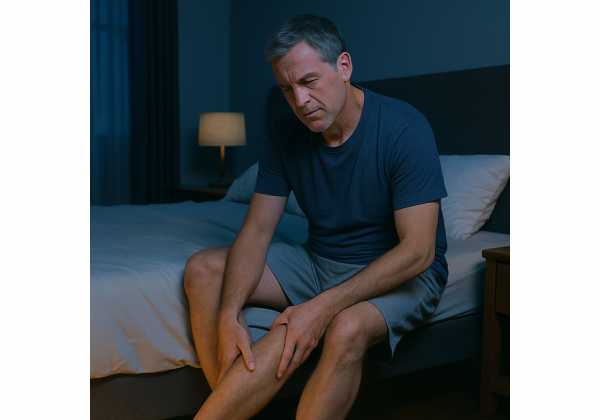
Restless legs and night-time leg kicking can quietly hollow out your sleep. You may spend hours with a deep itch or pull in the calves, finally doze, and then wake to involuntary jerks that disturb you or your bed partner. In midlife and older age, these symptoms are common, often mistaken for “just nerves,” and very treatable once you know what to test and how to adjust your routine. This guide explains what the sensations mean, how restless legs syndrome (RLS) differs from periodic limb movement disorder (PLMD), and which triggers—iron deficiency, certain medications, caffeine, sleep loss—turn up the volume. We outline specific lab targets, practical non drug strategies, and when medication makes sense. You will also learn how to track progress and when to ask for a sleep study. For the broader context of how sleep, stress, and recovery fit into healthy aging, see our concise overview of sleep, stress, and recovery strategies.
Table of Contents
- Recognizing Symptoms: Urge to Move, Discomfort, and Night Kicking
- RLS Versus PLMD: How They Differ and Overlap
- Root Causes and Triggers: Iron, Caffeine, Medications, and Sleep Loss
- Testing and Targets: Ferritin, Transferrin Saturation, and More
- Non Drug Strategies: Sleep Hygiene, Stretching, and Temperature
- Medication Options and When to Consider Them
- Tracking Progress and When to Request a Sleep Study
Recognizing Symptoms: Urge to Move, Discomfort, and Night Kicking
RLS is defined by an urge to move the legs that is strongest at rest and in the evening, improves with movement, and is often accompanied by unpleasant sensations—pulling, crawling, tingling, or deep ache—usually below the knees. Many people describe it as an internal restlessness they cannot scratch. Symptoms peak at night, making it hard to sit through a show or settle in bed. The moment you walk or stretch, relief arrives; the moment you stop, it returns. RLS can also affect the arms, though that is less common.
PLMD lives in a different lane: it involves involuntary, repetitive leg movements during sleep, typically every 20–40 seconds for minutes to hours. Movements are stereotyped—dorsiflexion of the big toe, ankle, or knee—and the sleeper may be unaware except for unexplained insomnia or daytime sleepiness. Bed partners often report “kicking.” PLMs can coexist with RLS, but they can also appear on their own or alongside other sleep disorders.
Why do these conditions matter? Because even short arousals fracture sleep architecture. You may log a normal time in bed yet lose deep, restorative stages to frequent micro-awakenings. The result: daytime sleepiness, poor focus, irritable mood, and, over time, higher cardiometabolic risk markers associated with chronic sleep fragmentation. In older adults, sleep disruption also worsens balance, reaction time, and pain sensitivity, compounding fall risk and discomfort.
Common real-world clues:
- “I can’t keep still after dinner; walking the hallway helps.”
- “I dangle my legs out of bed to cool them.”
- “My partner says I kick in my sleep. I feel fine, but I wake tired.”
Two practical tools can capture severity and impact:
- Sleep diary: note bedtime, sleep onset, awakenings, and any evening triggers (caffeine, long sitting, heavy meals).
- RLS symptom rating: a simple 0–10 intensity score each evening to watch trends as you change habits or iron status.
If your urge to move is asymmetric, travels to the arms early, or starts in the morning, ask your clinician to screen for mimics such as neuropathy, muscle cramps, positional discomfort, or akathisia from medications. Getting the diagnosis right guides what to test and what to treat first.
RLS Versus PLMD: How They Differ and Overlap
Think of RLS as a sensory–motor urge disorder with a strong circadian pattern, and PLMD as a sleep motor phenomenon detected by sensors during the night. The overlap is real, but teasing them apart improves treatment decisions.
RLS essentials
- Timing: worse in the evening and night; rarely present on waking unless severe.
- Trigger: rests and immobility (movie seats, long drives, bed).
- Relief: walking, stretching, cool water, or sensory counter-stimulation.
- Conscious experience: urge plus uncomfortable sensations.
- Evaluation priorities: iron status, sleep deprivation, medication review, kidney function, and peripheral neuropathy screen.
PLMD essentials
- Timing: during sleep, across N1/N2 more than REM.
- Trigger: may be intrinsic, but often coexists with sleep apnea, RLS, or antidepressant use.
- Relief: treating the underlying condition often reduces PLMs; sometimes they persist without daytime symptoms.
- Conscious experience: none, unless arousals cause awakenings.
- Evaluation priorities: consider polysomnography if movements are suspected to fragment sleep or if diagnosis is unclear.
Where they overlap
- Many people with moderate to severe RLS also have PLMs in sleep. Treating RLS and correcting iron deficiency usually reduces both the evening discomfort and the nocturnal movements.
- PLMs without RLS can still matter if they fragment sleep or worsen daytime function. Crucially, when PLMs are driven by sleep apnea, addressing the breathing disorder often cuts the leg movements. If snoring, choking arousals, or morning headaches are in the picture, review foundational signs in sleep apnea basics.
Key point for older adults: focus on what is disrupting sleep. If evening restlessness delays sleep, prioritize RLS strategies (iron, triggers, behavioral tools). If unexplained awakenings and daytime sleepiness dominate, clarify whether PLMs or another condition (apnea, pain, reflux) is the main driver before escalating treatment.
Root Causes and Triggers: Iron, Caffeine, Medications, and Sleep Loss
RLS biology points to brain iron deficiency and altered dopamine signaling in pathways that regulate movement and sensory processing. That is why even “normal” iron by general lab standards may be insufficient for RLS. Outside of iron, several everyday triggers can magnify symptoms—particularly in the evening, when circadian factors already tilt the system toward restlessness.
Iron and nutrients
- Low ferritin (iron storage) and transferrin saturation (iron availability) strongly correlate with RLS severity. Many clinicians aim to raise ferritin to ≥75–100 ng/mL and transferrin saturation to ≥20% to reduce symptoms.
- Contributors to iron loss or low absorption include low dietary iron, chronic low-level bleeding (e.g., GI sources), low stomach acid, or medications that block absorption.
Medications that can worsen RLS/PLMs
- Antidepressants (especially SSRIs/SNRIs), some antipsychotics, and sedating antihistamines may aggravate symptoms in susceptible people. Do not stop prescribed medicines on your own; ask your clinician if alternatives or dose timing changes could help.
- Dopamine blockers (for nausea or hiccups) and certain antihypertensives may also worsen restlessness.
Caffeine, alcohol, nicotine
- Caffeine late in the day can increase sensory arousal and delay sleep, amplifying RLS at exactly the wrong time. If you reduce caffeine, also review evening intake timing and stimulants in timing rules that protect sleep.
- Alcohol may briefly sedate but often lightens sleep and worsens PLMs. Nicotine is a stimulant and can worsen both RLS and insomnia.
Sleep loss and circadian drift
- RLS flares with sleep deprivation, jet lag, and irregular schedules. Stabilizing bedtime, getting morning light, and protecting the evening wind-down can lower symptom intensity. For light timing tactics, see the practical evening steps in evening darkness routines.
Medical contributors
- Kidney disease, diabetes with neuropathy, pregnancy, and low B12 can intensify RLS. So can untreated sleep apnea, which fragments sleep and heightens arousal, increasing both perceived restlessness and PLMs.
Action list
- Audit caffeine, alcohol, and nicotine use; shift or reduce after lunch.
- Review medications with your clinician for RLS-friendly options.
- Prioritize consistent sleep timing and a predictable pre-bed routine.
- Plan iron testing (details next) and treat documented deficiency.
Testing and Targets: Ferritin, Transferrin Saturation, and More
If your symptoms fit RLS—or if PLMs are suspected—start with focused labs and a brief medical screen. You are looking for iron status, potential contributors, and safety flags before any medication changes.
Core labs (morning draw, not during acute illness)
- Ferritin (iron storage): aim to raise to ≥75–100 ng/mL for symptom control.
- Serum iron, TIBC, transferrin saturation (TSAT): target ≥20% TSAT; low values suggest poor iron availability even if ferritin looks “normal.”
- CBC (anemia), creatinine/eGFR (kidney function), fasting glucose or A1c (neuropathy risk), B12/folate if neuropathy is suspected.
- If symptoms are asymmetric, focal, or atypical, consider targeted testing for neuropathy or spinal causes.
Interpreting results
- Ferritin <75 ng/mL or TSAT <20%: oral iron repletion is usually first-line if tolerated.
- Normal ferritin but low TSAT: consider that ferritin rises with inflammation; functional iron deficiency can still be present.
- Ferritin >100 ng/mL and TSAT adequate: iron is unlikely to be the primary driver; prioritize triggers and sleep factors.
Oral iron basics
- Common option: ferrous sulfate 325 mg (≈65 mg elemental iron) once daily or every other day to improve absorption and reduce GI effects. Vitamin C (e.g., a small glass of orange juice) can aid absorption.
- Take away from calcium, tea/coffee, or proton pump inhibitors when feasible.
- Recheck ferritin/TSAT after 8–12 weeks, then periodically until targets are met.
When IV iron is considered
- Intolerant of oral iron, poor absorption, or persistent RLS despite ferritin rising only modestly: your clinician may consider intravenous iron (e.g., ferric carboxymaltose) using protocols designed for RLS. This decision weighs benefits, risks (hypersensitivity, hypophosphatemia), and the presence of other conditions.
Imaging and sleep testing
- Imaging is not routine for classic RLS. Consider if there are focal neurologic findings or red flags (numbness, weakness).
- Polysomnography (sleep study) is not required to diagnose RLS but is helpful when PLMs, apnea, or another sleep disorder is suspected to fragment sleep (details in the final section).
Keep it simple
- Start with iron studies and a medication/sleep review. Correcting iron and stabilizing evenings improves a surprising share of moderate cases without further escalation.
Non Drug Strategies: Sleep Hygiene, Stretching, and Temperature
Before pills, build an evening that turns down the nervous system and removes common triggers. In older adults, these steps often reduce intensity enough to sleep through mild symptoms—and they improve outcomes even when medication is needed.
Light and routine
- Dim lights after dinner and shift to warm, low-intensity lamps. Keep a predictable wind-down: light snack if needed, gentle mobility, then bed. For room-by-room setup, see sleep hygiene essentials.
- Avoid heavy meals or alcohol within 3–4 hours of bedtime.
Movement and stretching
- RLS hates immobility. Sprinkle 2–3 brief mobility breaks between dinner and bed: ankle pumps, calf raises, hamstring stretches, gentle hip openers. Each bout can be 2–3 minutes.
- In bed, try a calf-and-foot release: flex and point each foot slowly for 60 seconds; then circle ankles 10 times each direction.
Temperature and sensory tricks
- Many find relief with cooling the lower legs: a short cool rinse or a cool pack (wrapped) for 2–5 minutes before bed.
- Others prefer warmth: a brief warm shower or a heating pad on low for 10 minutes (remove before sleep). Experiment; stick with what calms your signals.
- Compression: light, knee-high compression socks (15–20 mmHg) can help some people during evening sitting, particularly after long days on your feet.
Evening stimulants
- Shift all caffeine to before early afternoon. If you miss the ritual, switch to decaf or herbal tea at night.
Breathwork and attention retraining
- Try 4-6 breathing (inhale four, exhale six) for 5 minutes to nudge the autonomic system toward parasympathetic.
- A 10-minute body scan reduces the tendency to catastrophize sensations and can lower urgency.
- If stress spikes symptoms, short practices from breathwork for sleep and stress pair well with RLS routines.
Footwear and daytime habits
- Supportive shoes and calf mobility during the day pay dividends at night.
- Get morning outdoor light and some daytime activity; both improve circadian tone and reduce evening restlessness intensity.
Two-week experiment
- Choose two strategies (e.g., cooling plus mobility breaks) and repeat nightly for 14 days. Track your RLS 0–10 score and wake-ups to see what truly helps you.
Medication Options and When to Consider Them
Medications help when symptoms persist despite iron repletion and behavioral strategies, or when severity is high from the start. Choice depends on age, comorbidities, and whether symptoms are intermittent (a few nights per week) or chronic (most nights).
First, fix iron
- If ferritin is <75–100 ng/mL or TSAT is <20%, prioritize iron repletion. Many patients improve enough to avoid medication altogether.
For intermittent RLS
- Levodopa/carbidopa (short-acting) can be used sparingly for occasional nights, but frequent use risks augmentation—symptoms becoming earlier, stronger, and spreading to the arms. Keep doses low and infrequent if used.
For chronic persistent RLS
- Alpha-2-delta ligands (gabapentin, pregabalin) are common choices. They reduce sensory discomfort and sleep fragmentation but can cause dizziness and daytime sedation. Start low at night and titrate slowly, especially in older adults and those at fall risk.
- Dopamine agonists (pramipexole, ropinirole, rotigotine patch) can be very effective but carry higher risks of augmentation and impulse-control disorders (gambling, shopping). In older adults, many clinicians now favor alpha-2-delta ligands first unless there is a strong reason to choose dopamine therapy.
For PLMD without prominent RLS
- Treat coexisting conditions first (notably sleep apnea) and review medications. If PLMs continue to fragment sleep, a carefully chosen low-dose agent (often the same classes used for RLS) may be considered.
When IV iron is reasonable
- If oral iron is not tolerated, iron metrics lag behind targets, or symptoms remain moderate–severe, intravenous iron can help under clinician supervision.
Medications to be careful with
- Sedating antihistamines (diphenhydramine) and some antidepressants can worsen RLS/PLMs. Review options if you notice a clear link.
- Opioids are reserved for refractory cases with careful monitoring; they can worsen breathing during sleep and carry dependence risk.
Older-adult priorities
- Favor lowest effective doses, nighttime-only dosing when possible, and regular reassessment for daytime sedation, balance, constipation, and cognition. For broader medication-safety context, see safer sleep aids in aging.
Define success
- Fewer nights with disruptive symptoms, shorter sleep latency, fewer awakenings, better morning energy, and no significant side effects. Re-evaluate every 6–12 weeks while adjusting.
Tracking Progress and When to Request a Sleep Study
RLS and PLMD improve fastest when you measure what matters. Simple tracking distinguishes what helps from what only feels helpful in the moment.
Home tracking (2–4 weeks)
- Evening RLS score (0–10) and time to fall asleep.
- Number of awakenings, approximate times, and any observed leg movements or bed-partner notes.
- Daily notes on caffeine, alcohol, medications, iron doses, and evening routine (mobility, breathwork, temperature).
- Brief daytime ratings: sleepiness, mood, and focus (e.g., 0–10).
Wearables—use selectively
- Many devices estimate sleep stages and movement. Look for trends, not absolutes: sleep onset, wake after sleep onset, and restlessness are more reliable than stage labels. To avoid over-focusing on noisy metrics, see our guidance on what to track and what to ignore.
When to ask for a sleep study
- You or your partner observe loud snoring, choking arousals, or witnessed apneas—treating apnea often reduces PLMs and improves RLS tolerance.
- RLS diagnosis is uncertain or symptoms are atypical (asymmetry, daytime onset without rest, progressive neurologic signs).
- Significant daytime sleepiness persists despite improved evening routines and iron repletion.
- Medication decisions are unclear and objective confirmation of PLMs and arousals would change the plan.
What a study shows
- Polysomnography records periodic limb movement index (PLMI)—the number of movements per hour of sleep—and whether they cause arousals. It also quantifies sleep apnea, oxygen levels, and sleep architecture. High PLMI with arousals supports treatment if symptoms match.
Set a follow-up loop
- Review your 2–4 week tracking with your clinician, adjust iron or medication, and repeat the same measurement window to see if changes stick. Aim for steady improvement rather than perfection; many older adults report 50–70% symptom reduction with combined strategies.
References
- The Management of Restless Legs Syndrome: An Updated Algorithm 2021 (Guideline)
- Practice guideline summary: Treatment of restless legs syndrome in adults: Report of the Guideline Development, Dissemination, and Implementation Subcommittee of the American Academy of Neurology 2016 (Guideline)
- Restless legs syndrome: from pathophysiology to clinical diagnosis and management 2023 (Review)
- Ferric carboxymaltose in patients with restless legs syndrome and low ferritin: a randomized, double-blind, placebo-controlled study 2014 (RCT)
Disclaimer
This article is informational and is not a substitute for medical advice, diagnosis, or treatment. Always speak with a qualified clinician about your symptoms, test results, and medications—especially before changing prescriptions or starting iron. Seek prompt care for red-flag signs such as rapidly worsening symptoms, weakness or numbness, bowel or bladder changes, or severe daytime sleepiness that affects safety.
If you found this guide helpful, please consider sharing it on Facebook, X (formerly Twitter), or any platform you prefer, and follow us for future updates. Your support helps us continue producing careful, people-first resources on sleep and healthy aging.