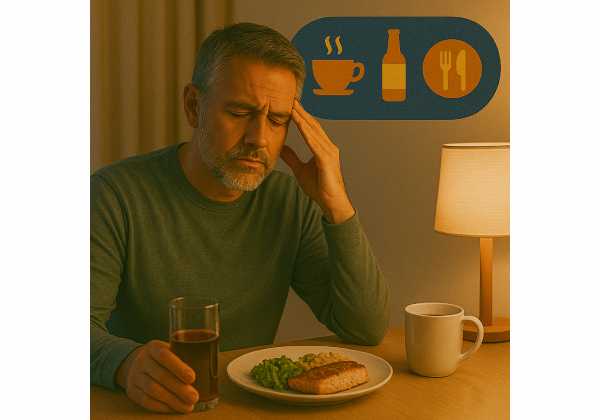
Sleep improves when the evening has fewer chemical mixed messages. Caffeine tells the brain to stay alert by blocking adenosine, the pressure signal that builds during the day. Alcohol can make eyelids feel heavy, but it fragments sleep and cuts into REM sleep, especially later in the night. Large late meals ask the gut, liver, pancreas, and reflux barrier to work when the body is trying to cool down, lower alertness, and repair.
The timing rules are simple enough to use tonight: keep caffeine earlier, keep alcohol away from bedtime or skip it, and finish large meals several hours before sleep. These habits do not require perfect routines or complicated tracking. They work because they respect circadian rhythm, digestion, breathing, temperature, and recovery. The payoff is deeper sleep, steadier energy the next day, and better support for the metabolic and brain-health systems tied to long-term health.
Table of Contents
- Simple Timing Rules That Work for Most Adults
- Caffeine Cutoff: Dose Matters More Than the Clock Alone
- Alcohol and Sleep: Why the Nightcap Backfires
- Late Meals and Snacks: How to Eat Without Wrecking Sleep
- Why These Timing Habits Matter for Longevity
- Personalize Your Rules by Bedtime, Age, and Symptoms
- A Seven-Day Reset for Better Nights
Simple Timing Rules That Work for Most Adults
Use bedtime as the anchor. Count backward from the time you want to fall asleep, not from when you start getting ready for bed.
For a typical 10:30 p.m. bedtime, the most sleep-friendly pattern looks like this: caffeine ends by late morning or early afternoon, alcohol is skipped or kept with an early meal, and dinner ends by about 7:00 to 7:30 p.m. A small planned snack still fits when hunger would otherwise wake you.
| Sleep disruptor | Best everyday cutoff | Stricter cutoff for poor sleepers | Why it helps |
|---|---|---|---|
| Caffeine | 8–10 hours before bed for coffee or energy drinks | 10–12 hours before bed, especially for high doses | Reduces alertness, lighter sleep, and night waking |
| Alcohol | At least 4 hours before bed, preferably with dinner | Skip alcohol on sleep-priority nights | Protects REM sleep, breathing, heart rate, and sleep continuity |
| Large meals | Finish 3 hours before bed | 4 hours before bed for reflux, large meals, or high-fat meals | Improves digestion, glucose control, temperature drop, and comfort |
| Small snack | 60–90 minutes before bed when truly needed | Keep it light and predictable | Prevents hunger without creating a second dinner |
These are not moral rules. They are physiology rules. A late espresso, two drinks at dinner, and a heavy meal at 9:30 p.m. each adds a small burden. Stacked together, they create a night of lighter sleep, more awakenings, higher overnight heart rate, and a groggy morning.
The simplest version is the “10-4-3” rule:
- Stop meaningful caffeine about 10 hours before bed.
- Stop alcohol about 4 hours before bed, or skip it.
- Finish large meals about 3 hours before bed.
A stricter “12-6-4” version works better for people with insomnia, hot flashes, reflux, sleep apnea, high evening stress, or a wearable pattern showing frequent night waking. Sleep timing also interacts with light exposure, so pairing these rules with stable wake time and evening darkness supports a stronger circadian rhythm.
The first sign that the timing is working is often not “more sleep.” It is fewer 2–4 a.m. awakenings, lower morning sleepiness, and less need to chase energy with more caffeine the next day.
Caffeine Cutoff: Dose Matters More Than the Clock Alone
Caffeine timing has two moving parts: how much you take and how quickly your body clears it. A 70–100 mg cup of coffee at breakfast behaves differently from a 300–400 mg pre-workout, energy drink, or large specialty coffee after lunch.
Caffeine blocks adenosine receptors. Adenosine is one of the signals that helps sleep pressure build across the day. Blocking that signal does not erase tiredness; it hides it. When caffeine lingers into the night, the brain loses part of the chemical push toward deep, continuous sleep.
A practical caffeine cutoff:
- For solid sleepers: keep the final 70–100 mg serving at least 8 hours before bed.
- For sensitive sleepers: stop caffeine 10 hours before bed.
- For high doses near 300–400 mg: avoid them within 12 hours of bedtime.
- For insomnia, anxiety, pregnancy, certain medications, or slow caffeine clearance: use a morning-only rule.
A standard brewed coffee often contains around 80–120 mg of caffeine per cup, but size and strength change the number quickly. A large café drink often contains two or more shots. Energy drinks range widely. Pre-workout powders frequently contain 150–350 mg per serving, and some exceed that when scoops are rounded.
The cutoff should match the dose. For someone who sleeps at 10:30 p.m., a small coffee at 10:00 a.m. is usually safer than a 250 mg energy drink at 2:00 p.m. The clock time alone hides the real issue: total caffeine still in circulation at night.
Why “I can fall asleep after coffee” is misleading
Falling asleep is only one sleep outcome. Caffeine can shorten total sleep, lower sleep efficiency, reduce deep sleep, and increase wake after sleep onset even when a person thinks the night was normal. That matters because people often judge caffeine tolerance by sleep onset only.
A person who says, “Coffee never affects me,” may still show lighter sleep, more movement, and a higher resting heart rate overnight. The next morning, they feel slightly under-recovered and use more caffeine. That loop quietly turns caffeine from a helpful morning tool into a debt-management system.
For readers who enjoy coffee or tea for taste, ritual, and alertness, the better strategy is not total avoidance. It is dose placement. Morning coffee fits well into many healthy routines, and a broader discussion of benefits and limits belongs with coffee and tea habits. Sleep trouble usually starts when caffeine becomes an afternoon rescue or an evening performance aid.
How to taper without headaches
A sudden caffeine cut can cause headaches, irritability, constipation, and low mood for several days. A smoother taper works better:
- Move the last caffeine serving earlier by 30–60 minutes every two days.
- Replace the final serving with half-caf, decaf, herbal tea, or sparkling water.
- Keep the morning serving stable at first so the change feels manageable.
- After one week, reduce total daily caffeine if sleep remains light or broken.
The best caffeine plan protects the morning without stealing from the night. If energy crashes every afternoon, the deeper fix is usually better sleep timing, breakfast protein, outdoor light, movement breaks, and a more stable lunch—not a later stimulant.
Alcohol and Sleep: Why the Nightcap Backfires
Alcohol is a sedative, not a sleep enhancer. It can shorten the time it takes to fall asleep, especially at higher doses, but it disrupts the structure of the night. The most consistent problem is reduced REM sleep. REM supports emotional processing, memory, learning, and mental flexibility. Alcohol also increases sleep fragmentation as blood alcohol levels fall.
The classic nightcap pattern feels convincing because the first half of the night seems easier. The second half tells the truth: more awakenings, vivid dreams, sweating, thirst, bathroom trips, snoring, faster heart rate, and shallow sleep.
For sleep, the best alcohol rule is simple: avoid alcohol within 4 hours of bedtime and skip it on nights when recovery matters. That includes nights before hard training, travel, important work, emotionally demanding days, or early wake times.
Dose changes everything:
- One drink with an early dinner is less disruptive than two or three drinks close to bed.
- Several drinks can shorten sleep onset while worsening REM disruption later.
- Alcohol affects breathing, so snoring and sleep apnea risk rise when drinking happens in the evening.
- Older adults often feel stronger effects because body water, medication use, sleep architecture, and balance risk change with age.
Alcohol also raises overnight heart rate for many people. A wearable may show a normal sleep duration but a higher resting pulse, lower heart rate variability, and more restless sleep. This pattern is one reason people wake after drinking and feel “tired but wired.”
A useful rule for longevity-minded adults is to treat alcohol as optional, not medicinal. Do not use it to force sleep. If alcohol is part of a social meal, keep it earlier, keep it modest, and pair it with food and water. A deeper review of health tradeoffs belongs in alcohol and longevity evidence, but the sleep-specific pattern is clear: less alcohol close to bedtime produces better nights.
What to drink instead at night
A replacement works best when it still feels like a ritual. Good options include sparkling water with citrus, ginger tea, tart cherry juice diluted with water, alcohol-free bitters in soda water, warm milk, or decaf tea. The drink matters less than the repeatable cue: the day is closing, stimulation is dropping, and sleep is protected.
Be cautious with alcohol-free beers, wines, and cocktails if they keep the habit loop alive. They work well for some people and trigger more craving for others. The test is honest: if the substitute leads to better sleep and no urge to keep drinking, it is doing its job.
Late Meals and Snacks: How to Eat Without Wrecking Sleep
Large late meals disrupt sleep because digestion is active work. The stomach stretches, acid secretion rises, insulin responds, body temperature stays higher, and blood flow shifts toward the gut. At the same time, the body is trying to move toward cooler temperature, lower alertness, and stable overnight repair.
Finish dinner about 3 hours before bed. For a 10:30 p.m. bedtime, aim to finish by 7:30 p.m. If dinner is large, spicy, fried, high-fat, or paired with alcohol, leave closer to 4 hours. Reflux-prone sleepers often need the stricter version because lying down increases the chance that stomach contents move upward. The meal-size and timing ideas overlap closely with anti-reflux eating habits.
Late eating does not affect everyone the same way. A lean, active person who eats a light 8:30 p.m. dinner after training may sleep well. A person with reflux, insulin resistance, sleep apnea, hot flashes, or a heavy restaurant meal may have a poor night from the same clock time. The rule is not “never eat late.” The rule is “do not make the body digest a feast while it is trying to sleep.”
When a small snack helps
Going to bed hungry can also disturb sleep. A small snack 60–90 minutes before bed is reasonable when hunger is real, dinner was early, training was hard, or blood sugar dips wake you overnight.
Good sleep-friendly snacks are small, boring, and balanced:
- Greek yogurt or kefir with berries
- Cottage cheese with cinnamon
- Kiwi with a small handful of nuts
- Whole-grain toast with a thin layer of nut butter
- A boiled egg with a few crackers
- Warm milk or soy milk
The snack should not become dessert dinner. Keep it around 100–250 calories for most adults. Avoid large portions of chocolate, heavy leftovers, fried foods, spicy foods, and high-sugar snacks. Chocolate adds both sugar and caffeine-like methylxanthines, which makes it a poor late-night choice for sensitive sleepers.
A planned snack also beats grazing. Grazing keeps digestion active and makes timing blurry. A defined snack has a start, an end, and a purpose.
Use a post-meal walk
A 10–20 minute easy walk after dinner is one of the simplest ways to improve the late-meal problem. It helps move glucose out of the bloodstream, reduces the heavy feeling after eating, and creates a natural boundary between dinner and the wind-down period. It does not need to be exercise. It should feel like gentle movement, not training.
This habit fits especially well for people working on glucose control, waist size, or evening cravings. It also connects with post-meal walking for metabolic health, because the same low-effort walk supports both sleep and blood sugar.
Why These Timing Habits Matter for Longevity
Sleep timing habits influence longevity through repetition. One late meal or one night of drinks does not define health. Hundreds of nights with fragmented sleep, high late glucose, reduced REM, and elevated overnight heart rate create a different biological environment.
Sleep supports immune regulation, appetite hormones, blood pressure, glucose control, memory consolidation, emotional regulation, and tissue repair. Adults generally need at least 7 hours of sleep on a regular basis, with many doing best around 7–9 hours. The details of sleep duration, quality, and aging are broader than this article, but the foundation is clear: protected sleep time supports healthspan. For a deeper look, see adult sleep duration for longevity.
Caffeine, alcohol, and late meals matter because they target three different sleep pathways:
- Caffeine interferes with sleep pressure and alertness signals.
- Alcohol changes sleep architecture, especially REM sleep, and raises fragmentation.
- Late meals shift digestion, glucose, reflux risk, and body temperature into the sleep window.
The combined effect is larger than each habit alone. A late workday leads to afternoon caffeine. Afternoon caffeine delays sleepiness. Delayed sleepiness pushes dinner later. A late dinner pairs with alcohol. Alcohol fragments sleep. Poor sleep raises cravings and caffeine use the next day. That loop is common, and breaking it at any point helps.
Meal timing also influences circadian metabolism. The body handles glucose better earlier in the active day than late at night. Melatonin rises in the evening, and late food intake during that biological night can worsen post-meal glucose in some people. Night eating has also been linked in population research with poorer metabolic markers and higher mortality risk, especially when it is frequent, late, and energy-dense.
This does not mean every person needs strict fasting windows. Aggressive fasting can backfire when it causes under-eating, nighttime hunger, binge-style dinners, poor training recovery, or anxiety around food. A steady earlier eating rhythm is often enough: breakfast or brunch after waking, a real lunch, dinner finished a few hours before bed, and fewer calories in the late-night window. The broader pattern sits within chrononutrition and sleep timing.
Longevity habits work best when they are repeatable. Earlier caffeine, less alcohol near bedtime, and lighter evenings are not extreme. They are low-cost changes that reduce nightly friction.
Personalize Your Rules by Bedtime, Age, and Symptoms
The right cutoff depends on your bedtime. Someone sleeping from 9:30 p.m. to 5:30 a.m. needs earlier limits than someone sleeping from midnight to 8:00 a.m.
| Target bedtime | Suggested caffeine stop | Latest alcohol with least sleep disruption | Dinner finish target |
|---|---|---|---|
| 9:30 p.m. | 11:30 a.m.–1:30 p.m. | 5:30 p.m. or earlier | 6:30 p.m. |
| 10:30 p.m. | 12:30–2:30 p.m. | 6:30 p.m. or earlier | 7:30 p.m. |
| 11:30 p.m. | 1:30–3:30 p.m. | 7:30 p.m. or earlier | 8:30 p.m. |
| 12:00 a.m. | 2:00–4:00 p.m. | 8:00 p.m. or earlier | 9:00 p.m. |
Use the earlier end of the caffeine range if you sleep lightly, wake often, or use more than 150 mg at a time. Use the later end only if sleep is already solid.
Use symptoms as feedback
Your body gives useful clues:
- Taking more than 30 minutes to fall asleep points toward late caffeine, stress, late light, or irregular sleep timing.
- Waking hot, thirsty, or with a racing heart points toward alcohol, heavy dinner, dehydration, or evening stress.
- Waking with sour taste, cough, or throat clearing points toward reflux or late meals.
- Waking at 3 a.m. hungry points toward under-eating earlier, excessive alcohol, or unstable glucose.
- Morning headaches, dry mouth, and loud snoring point toward possible sleep-disordered breathing.
Age also changes tolerance. In midlife and later life, sleep often becomes lighter and more fragmented. Hormonal shifts, medications, chronic pain, nocturia, and caregiving stress reduce the margin for late stimulants, alcohol, and heavy meals. A routine that worked at age 30 may stop working at 50.
Medication interactions matter too. Stimulants, decongestants, steroids, thyroid medication timing, antidepressants, beta blockers, sedatives, and reflux drugs can all change sleep patterns. Alcohol should be handled with extra caution when taking medications that affect the brain, liver, blood pressure, balance, or breathing.
Wearables can help when used correctly. Do not obsess over sleep-stage labels, but do look for patterns after alcohol, late caffeine, or late meals. Resting heart rate, heart rate variability, awakenings, and sleep timing trends are often more useful than a single “sleep score.” This fits with a sensible approach to wearables and sleep tracking.
Different people need different rules
Use a morning-only caffeine rule if you have insomnia, panic symptoms, frequent palpitations, restless sleep, or a strong afternoon coffee habit. Use an alcohol-free sleep experiment if you snore, wake at 3 a.m., have hot flashes, feel anxious after drinking, or see a clear wearable change after alcohol. Use a 4-hour dinner gap if reflux, bloating, or overnight glucose is the main issue.
Shift workers, caregivers, and people with irregular schedules need a slightly different approach. Anchor rules to the intended sleep episode, not the clock. Caffeine belongs early in the wake period. Alcohol does not belong in the pre-sleep window. The largest meal belongs away from the main sleep block when possible.
A Seven-Day Reset for Better Nights
A one-week reset is long enough to notice patterns and short enough to feel realistic. The aim is not perfection. It is a cleaner signal.
For seven days, set one target bedtime and one target wake time. Keep wake time within 30–60 minutes, even on the weekend. Then apply three timing rules:
- Stop caffeine 10 hours before target bedtime.
- Avoid alcohol within 4 hours of bedtime; choose at least four alcohol-free nights.
- Finish dinner 3 hours before bed; use only a small planned snack if hungry.
During the reset, keep notes simple. Each morning, record sleep quality from 1–5, number of awakenings, morning energy, and whether you followed the three timing rules. People using a wearable can also record resting heart rate and heart rate variability, but the subjective notes matter too.
A realistic seven-day plan:
| Day | Focus | Action |
|---|---|---|
| Day 1 | Set the baseline | Pick bedtime, wake time, caffeine cutoff, dinner target, and alcohol rule. |
| Day 2 | Move caffeine earlier | Replace the final caffeine serving with decaf or herbal tea. |
| Day 3 | Stabilize dinner | Finish dinner 3 hours before bed and take a short walk after eating. |
| Day 4 | Test alcohol-free sleep | Skip alcohol and compare awakenings, heart rate, and morning energy. |
| Day 5 | Plan the snack | Use a small protein-rich snack only if hunger would interfere with sleep. |
| Day 6 | Protect the social night | Keep alcohol early, choose a lighter dinner, and avoid late dessert grazing. |
| Day 7 | Review the pattern | Keep the rule that made the clearest difference and adjust the weakest one. |
The most common result is not a dramatic transformation. It is a quieter night. Fewer awakenings, less heat, less reflux, less morning fog, and less need for rescue caffeine are meaningful wins.
If sleep does not improve after timing is cleaned up, look deeper. Persistent insomnia, loud snoring, witnessed pauses in breathing, restless legs, severe reflux, depression, anxiety, pain, and frequent nighttime urination deserve proper evaluation. Timing habits help the system work better, but they do not replace treatment for sleep disorders or medical problems.
The long-term version is flexible: morning caffeine, alcohol kept occasional and early, dinner finished a few hours before bed, and a small snack only when it serves sleep. That pattern protects recovery without turning evenings into a rigid rulebook.
References
- The effect of caffeine on subsequent sleep: A systematic review and meta-analysis 2023 (Systematic Review)
- Dose and timing effects of caffeine on subsequent sleep: a randomized clinical crossover trial 2025 (RCT)
- The effect of alcohol on subsequent sleep in healthy adults: a systematic review and meta-analysis 2025 (Systematic Review)
- Association between meal timing and sleep quality 2024 (Study)
- Night eating in timing, frequency, and food quality and risks of all-cause, cancer, and diabetes mortality: findings from national health and nutrition examination survey 2024 (Cohort Study)
- The effects of time-restricted eating on sleep in adults: a systematic review of randomized controlled trials 2024 (Systematic Review)
Disclaimer
This article is educational and does not replace care from a qualified health professional. Speak with a clinician if you have chronic insomnia, sleep apnea symptoms, reflux that wakes you, alcohol dependence concerns, diabetes medication adjustments, pregnancy-related caffeine questions, or medication interactions that affect sleep.