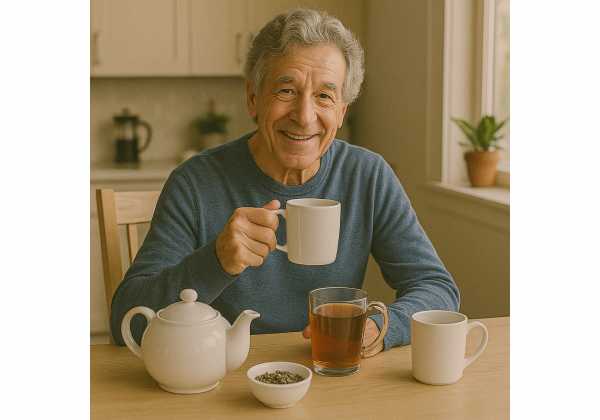
Coffee and tea sit in an unusual place in longevity nutrition: they are everyday drinks, but they also deliver hundreds of bioactive plant compounds. Plain coffee supplies chlorogenic acids and other polyphenols. Tea supplies flavonoids such as catechins, theaflavins, and flavonols. Both drinks also contain caffeine unless you choose decaf or naturally caffeine-free herbal infusions. The strongest evidence links moderate coffee and tea intake with lower risk of death and several cardiometabolic diseases, but the benefit comes from the whole habit, not from chasing high caffeine. Timing, brewing method, sleep quality, blood pressure response, reflux, anxiety, and added sugar all shape whether these drinks help or hurt. A longevity-minded approach keeps coffee and tea simple: drink them mostly unsweetened, keep caffeine earlier in the day, choose filtered coffee when LDL cholesterol matters, and match the dose to your body’s response.
Table of Contents
- Why Coffee and Tea Fit Longevity Nutrition
- Benefits Linked to Coffee
- Benefits Linked to Tea
- Caffeine Dose, Timing, and Sleep
- Best Ways to Prepare Coffee and Tea
- Who Should Limit or Adjust Intake
- Daily Use Plan for Longevity
Why Coffee and Tea Fit Longevity Nutrition
Coffee and tea fit a longevity diet because they add flavor, ritual, hydration, and plant compounds with almost no calories when served plain. They work best as part of a food pattern rich in legumes, whole grains, vegetables, fruit, nuts, olive oil, fish, and fermented foods. They do not cancel out poor sleep, low protein intake, smoking, heavy alcohol use, or a low-fiber diet.
The health signal comes from more than caffeine. Coffee contains chlorogenic acids, trigonelline, melanoidins formed during roasting, diterpenes, and small amounts of minerals such as magnesium and potassium. Tea from the Camellia sinensis plant contains flavonoids, with the mix changing by type. Green tea is richer in catechins such as EGCG. Black tea contains more theaflavins and thearubigins formed during oxidation. Oolong sits between green and black tea.
These compounds influence pathways related to oxidative stress, inflammation, endothelial function, glucose handling, gut microbes, and liver metabolism. That does not mean each cup acts like medicine. It means a consistent, low-calorie beverage habit adds small favorable nudges over years.
Coffee and tea also support eating patterns that matter for healthy aging. A morning coffee after breakfast or a pot of tea with a high-fiber lunch gives structure to the day. A hot drink after dinner, when decaffeinated or herbal, often replaces dessert grazing or alcohol. That behavioral effect matters. Longevity nutrition is not only about nutrients; it is also about routines that repeat without strain.
Coffee and tea belong naturally beside Mediterranean-style eating, where plant foods, olive oil, legumes, fish, and unsweetened drinks do most of the work. They also contribute to a broader intake of polyphenol-rich foods, especially when paired with berries, cocoa, herbs, spices, and colorful vegetables.
The main caution is interpretation. Most coffee and tea longevity research is observational. It follows large groups of people and compares health outcomes by intake level. These studies adjust for smoking, diet quality, activity, income, alcohol, and health conditions, but they still cannot prove that coffee or tea alone caused longer life. The pattern is still useful because it is consistent, biologically plausible, and low-risk for most adults at moderate intakes.
Benefits Linked to Coffee
Moderate coffee intake is linked with lower all-cause mortality in many large cohort studies. The strongest range is often around 2 to 4 cups per day, though “cup” size varies. A standard research cup is often closer to 8 oz, not a 16 oz café drink. The benefit appears for both caffeinated and decaffeinated coffee, which supports the idea that coffee’s polyphenols and other compounds matter beyond caffeine.
Coffee’s most consistent health links involve type 2 diabetes risk, liver health, and several cardiovascular outcomes. Regular coffee intake is associated with better insulin sensitivity patterns and lower type 2 diabetes risk in many populations. This does not mean sweet coffee drinks improve glucose control. A large flavored latte with syrup and whipped cream behaves more like dessert than plain coffee.
Coffee also has a strong relationship with liver outcomes. Regular intake is linked with lower risk of fatty liver progression, liver fibrosis, and some chronic liver disease outcomes. The liver is exposed to many compounds absorbed from coffee, including polyphenol metabolites produced after digestion and microbial processing. This partly explains why coffee often stands out in liver research.
For heart health, the picture is favorable but more nuanced. Moderate coffee intake is linked with lower risk of heart failure and all-cause mortality. Long-term coffee drinking does not appear to raise hypertension risk in most habitual drinkers, although caffeine raises blood pressure temporarily in some people. That distinction matters: a person who feels shaky and sees a 15-point blood pressure rise after coffee should not force the habit because a cohort study looked favorable on average.
Coffee also affects blood lipids through brewing method. Unfiltered coffee contains cafestol and kahweol, diterpenes that raise LDL cholesterol in some people. Boiled coffee, French press, Turkish coffee, and some espresso-heavy routines deliver more diterpenes than paper-filtered drip coffee. Paper filters trap much of these compounds. A person watching ApoB, non-HDL cholesterol, or LDL cholesterol should treat filtered coffee as the default and keep unfiltered styles occasional. Food choices that improve lipid markers still matter more than the coffee method, but the brewing switch is simple and low-cost. For a broader food approach, see dietary moves that improve blood lipids.
Coffee timing has become more interesting. Morning-focused coffee intake appears more favorable than drinking coffee throughout the day, partly because late caffeine interferes with sleep and circadian rhythm. It also reflects a simple truth: coffee works best when it supports a stable day, not when it props up chronic sleep debt.
What counts as a moderate coffee habit?
A practical range is 1 to 3 standard cups per day for many adults, with 4 cups still reasonable for some people when total caffeine stays within safe limits and sleep remains solid. Strong café drinks change the math. One large brewed coffee or cold brew often equals two standard servings. A double espresso has less volume but still adds meaningful caffeine.
Use response, not pride, to set the dose. Good signs include steady energy, normal appetite, no palpitations, no reflux flare, normal blood pressure response, and sleep that stays consistent. Poor signs include anxiety, tremor, urgent bowel symptoms, racing heart, afternoon crash, or needing more caffeine to compensate for poor sleep.
Benefits Linked to Tea
Tea has a gentler caffeine profile than coffee and a strong polyphenol profile. Black, green, white, and oolong tea all come from the same plant, but processing changes their compounds and taste. Green tea tastes grassy and lighter. Black tea tastes fuller and more tannic. Oolong ranges from floral to roasted. White tea is delicate and mild.
Large studies link tea drinking with lower all-cause mortality, especially around 2 or more cups per day in some cohorts and around 1.5 to 2 cups per day in dose-response meta-analyses. The strongest evidence comes from black and green tea, because those are studied most often. Herbal teas are useful drinks, but they are a different category. Chamomile, peppermint, rooibos, hibiscus, ginger, and other infusions do not contain the same tea flavonoids unless blended with real tea leaves.
Tea’s cardiovascular value comes mainly from flavonoids. These compounds support endothelial function, which helps blood vessels relax and respond properly. Tea intake is also linked with healthier blood pressure patterns in some research, though the effect is modest. People with hypertension still need the core habits: lower sodium when intake is high, higher potassium from foods, weight management when relevant, regular activity, enough sleep, and medication when prescribed. Tea fits well inside a broader blood-pressure-friendly diet.
Tea also works well for glucose steadiness because it often replaces sweet drinks or snacks. Unsweetened iced tea, hot green tea, or black tea with a small splash of milk gives flavor without a sugar load. This helps reduce liquid calories, one of the easiest places to improve metabolic health without shrinking meals. When blood sugar spikes are the concern, tea works best alongside high-fiber carbohydrates, protein, and post-meal walking. Those habits matter more than any single beverage; a broader approach is covered in food habits that flatten glucose spikes.
Green tea, black tea, and matcha
Green tea is rich in catechins, including EGCG. It suits people who want a lighter caffeine lift and a clean afternoon drink, as long as it does not disturb sleep. Black tea has more theaflavins and thearubigins and often pairs well with breakfast or lunch. Matcha is powdered green tea, so you consume the leaf rather than an infusion. That gives a stronger flavor and usually more caffeine than steeped green tea.
Matcha is not automatically better. It is useful when you enjoy it plain or lightly prepared. It becomes less useful when turned into a large sweetened latte. The same rule applies across tea types: the base drink is the benefit; the sugar-heavy café version is a treat.
Caffeine Dose, Timing, and Sleep
Caffeine improves alertness by blocking adenosine signaling in the brain. Adenosine builds during the day and helps create sleep pressure. Caffeine blocks that sleepy signal for several hours, which explains both its benefit and its downside. The same cup that improves morning focus can weaken deep sleep if taken too late.
Most healthy adults should keep total caffeine at or below 400 mg per day. Some people need much less. Pregnancy, trying to conceive, breastfeeding, heart rhythm symptoms, anxiety disorders, uncontrolled hypertension, insomnia, and certain medications all call for a more cautious plan with professional guidance.
Approximate caffeine ranges help with daily planning:
| Drink | Typical serving | Approximate caffeine |
|---|---|---|
| Brewed coffee | 8 oz | 80–100 mg |
| Cold brew | 8 oz | 100–200 mg |
| Espresso | 1 shot | 60–75 mg |
| Black tea | 8 oz | 40–70 mg |
| Green tea | 8 oz | 20–45 mg |
| Decaf coffee | 8 oz | 2–15 mg |
| Herbal infusion | 8 oz | Usually 0 mg |
The most useful timing rule is simple: put caffeine in the first half of your day. Many adults do best with a cutoff 8 to 10 hours before bedtime. For a 10:30 p.m. bedtime, that means the last caffeinated drink around 12:30 to 2:30 p.m. Sensitive sleepers often need an earlier cutoff. Fast metabolizers sometimes tolerate later tea, but tolerance does not always mean sleep quality is unaffected.
A strong morning coffee after a poor night creates a common loop: caffeine masks fatigue, the person pushes through the day, caffeine lingers, sleep gets lighter, and the next morning starts with a bigger deficit. Breaking the loop usually means reducing afternoon caffeine, getting morning light, taking a short walk after meals, and keeping bedtime consistent. For more detail on timing, see caffeine, alcohol, and late meals for sleep.
Caffeine also changes appetite in different ways. Some people skip breakfast after coffee and under-eat protein early, then snack heavily later. Others use coffee as a pre-workout boost and eat well afterward. The better longevity pattern preserves protein, fiber, and total energy needs. Coffee should not replace breakfast in someone losing muscle, feeling wired, or struggling with cravings.
Best Ways to Prepare Coffee and Tea
The best preparation style protects the helpful compounds while avoiding the most common problems: excess sugar, disrupted sleep, reflux, and unwanted lipid effects. Plain does not mean joyless. Good beans, fresh tea leaves, proper water temperature, cinnamon, cocoa, milk, or a small amount of unsweetened soy milk all improve taste without turning the drink into dessert.
For coffee, paper-filtered brewing is the safest everyday choice when cardiovascular risk or cholesterol is a concern. Drip coffee, pour-over, and AeroPress with a paper filter reduce diterpene exposure. French press, boiled coffee, Turkish coffee, and frequent espresso keep more diterpenes in the cup. Espresso portions are small, so dose still matters, but several espresso drinks daily add up.
Roast level changes flavor more than health value. Light roasts tend to taste brighter and retain slightly different polyphenol patterns. Dark roasts taste bolder and contain different roasting compounds. Choose the roast you enjoy. The bigger health difference comes from serving style: black or lightly milked coffee beats syrup-heavy drinks.
For tea, steeping temperature and time shape bitterness. Green tea often tastes best at 70–85°C for 2 to 3 minutes. Black tea usually handles near-boiling water for 3 to 5 minutes. Oolong varies. Over-steeping extracts more tannins and creates bitterness, which leads many people to add sugar. Better brewing reduces the urge to sweeten.
| Current habit | Better default | Why it helps |
|---|---|---|
| Large flavored latte | Cappuccino or latte with no syrup | Keeps the ritual, cuts sugar |
| French press daily | Paper-filtered coffee most days | Reduces LDL-raising diterpenes |
| Sweet iced tea | Unsweetened iced tea with lemon | Removes liquid sugar |
| Late afternoon coffee | Green tea, decaf, or herbal infusion | Protects sleep pressure |
| Coffee instead of breakfast | Coffee after a protein-rich meal | Supports muscle and appetite control |
Sweeteners deserve special attention. One teaspoon of sugar has about 4 g of sugar and 16 calories. That sounds small, but three drinks a day with two teaspoons each gives 24 g of added sugar before food enters the picture. Artificial sweeteners remove sugar calories, but they do not always improve the whole pattern if they keep the palate trained toward constant sweetness. The best long-term strategy is gradual reduction. Move from two teaspoons to one, then to half, then use spices, milk, or better brewing to carry the flavor.
Pairing coffee and tea with food also changes tolerance. Coffee on an empty stomach triggers reflux, nausea, or jitters in some people. Taking it after breakfast often solves the problem. Tea tannins interfere with iron absorption from plant foods when taken with iron-rich meals, especially in people with low ferritin. If iron status is low, drink tea between meals rather than with lentils, beans, spinach, or iron-fortified foods.
Who Should Limit or Adjust Intake
Coffee and tea suit most adults, but the right dose changes by person. Longevity habits should improve function today while lowering risk over time. A beverage that worsens sleep, anxiety, reflux, palpitations, or blood pressure is not helping, even if population averages look good.
People with insomnia or light sleep should treat caffeine as a sleep variable, not just a beverage. Reduce the dose, move it earlier, or switch to half-caf. Track sleep quality for two weeks after the change. The result is often clearer than a debate about caffeine metabolism. Wearables are imperfect, but a consistent drop in awakenings, better morning energy, and less need for caffeine all count.
People with anxiety, panic symptoms, tremor, or palpitations often need a lower caffeine ceiling. Green tea, white tea, half-caf coffee, or decaf coffee gives a gentler routine. The goal is not to prove tolerance. The goal is stable energy without nervous system strain.
People with reflux should test timing, meal pairing, dose, and roast. Coffee relaxes the lower esophageal sphincter in some people and worsens symptoms. Smaller servings, coffee after food, low-acid beans, or switching to tea helps many. Peppermint tea worsens reflux for some because peppermint also relaxes the sphincter.
People with high LDL cholesterol, high ApoB, familial hypercholesterolemia, or established cardiovascular disease should favor paper-filtered coffee. This does not require giving up espresso forever. It means making filtered coffee the daily base and treating unfiltered styles as occasional. Anyone tracking lipids can confirm the effect with repeat testing after 8 to 12 weeks; for deeper marker interpretation, see ApoB and non-HDL cholesterol as primary markers.
People with low iron stores should avoid tea with iron-rich meals and iron supplements. Leave at least 1 to 2 hours between strong tea and iron-focused meals when ferritin is low. Coffee also affects iron absorption, but tea is usually the bigger issue because of tannins.
Pregnant people, those trying to become pregnant, and those breastfeeding need individualized caffeine guidance. Many clinicians use lower limits than the general adult ceiling. Because caffeine comes from coffee, tea, chocolate, energy drinks, cola, pre-workout products, and some medications, the total matters more than the source.
Children and teens should not build an energy-drink habit. Tea with family meals is different from high-caffeine canned drinks. Energy drinks combine caffeine with sugar or intense sweeteners, large serving sizes, and marketing that encourages fast intake. That pattern works against sleep, appetite regulation, and blood pressure.
Daily Use Plan for Longevity
A good coffee and tea plan is steady, enjoyable, and boring in the best way. It gives you the upside without making caffeine the driver of your day.
Start with your current intake. Count total caffeine for three normal days. Include brewed coffee, espresso drinks, tea, matcha, energy drinks, pre-workout powders, cola, chocolate-heavy products, and caffeine pills. Many people discover that their “two coffees” are closer to 300–450 mg because the servings are large.
Then choose a default pattern:
- Low caffeine: decaf coffee in the morning, green tea before lunch, herbal infusion later.
- Moderate caffeine: 1 to 2 cups of coffee before noon, tea after lunch, no caffeine after mid-afternoon.
- Higher but controlled caffeine: 2 to 3 standard cups of coffee early, no energy drinks, no caffeine within 8 to 10 hours of bedtime.
The strongest longevity version is usually not the highest caffeine version. It is the version that lets you sleep deeply, train consistently, eat enough protein and fiber, and keep blood pressure and lipids in a good range.
Use coffee and tea to anchor meals instead of replacing them. A strong pattern looks like this: coffee after a protein-rich breakfast, unsweetened tea with or after lunch, and decaf or herbal tea after dinner. This structure supports appetite control and gives the day a rhythm. It also leaves room for a high-fiber diet, which does more for gut health and metabolic health than any beverage alone. Coffee and tea work especially well beside adequate daily fiber from legumes, whole grains, nuts, seeds, vegetables, and fruit.
Watch the add-ins. A splash of milk is fine. Unsweetened soy milk adds protein. Cinnamon, cocoa powder, cardamom, ginger, and vanilla add flavor. Large amounts of cream, butter, coconut oil, syrups, and whipped toppings shift the drink away from longevity nutrition. “Bulletproof” style coffee adds saturated fat and calories without the fiber, micronutrients, or fullness of a real meal.
Hydration still matters. Coffee and tea count toward fluid intake for habitual users, despite mild diuretic effects from caffeine. Still, plain water should remain the main drink, especially during hot weather, exercise, sauna use, illness, or travel. Dark urine, headache, constipation, and dizziness on standing suggest that caffeine is not the only hydration variable to consider.
A simple self-check every few months keeps the habit honest:
- Do I sleep well most nights?
- Do I stay within a caffeine range that feels calm and steady?
- Are my coffee and tea mostly unsweetened?
- Do I use paper-filtered coffee if cholesterol markers matter?
- Do I avoid caffeine as a substitute for meals, rest, or recovery?
- Do my blood pressure, reflux, anxiety, and heart rhythm stay stable?
Coffee and tea are not longevity shortcuts. They are useful daily tools. When prepared simply and timed well, they add polyphenols, pleasure, and routine with little downside. When overloaded with sugar, pushed late into the day, or used to override fatigue, they lose that advantage. The best practice is moderate, mostly unsweetened, earlier in the day, and adjusted to the person drinking it.
References
- Coffee consumption and cardiometabolic health: a comprehensive review of the evidence 2024 (Review)
- Association of Sugar-Sweetened, Artificially Sweetened, and Unsweetened Coffee Consumption With All-Cause and Cause-Specific Mortality: A Large Prospective Cohort Study 2022 (Prospective Cohort Study)
- Coffee drinking timing and mortality in US adults 2025 (Prospective Cohort Study)
- Tea consumption and risk of all-cause, cardiovascular disease, and cancer mortality: a meta-analysis of thirty-eight prospective cohort data sets 2024 (Meta-analysis)
- Association of sugar-sweetened, artificially sweetened, and unsweetened tea with all-cause and cause-specific mortality: a prospective cohort study in UK biobank 2025 (Prospective Cohort Study)
- Spilling the Beans: How Much Caffeine is Too Much? 2024 (Official Guidance)
Disclaimer
This article is educational and does not replace care from a qualified health professional. People who are pregnant, breastfeeding, managing heart rhythm symptoms, uncontrolled blood pressure, anxiety, insomnia, reflux, low iron, or medication interactions should ask a clinician how much caffeine is appropriate.