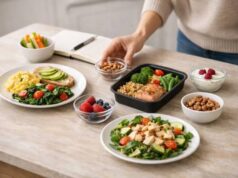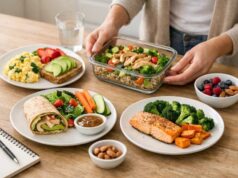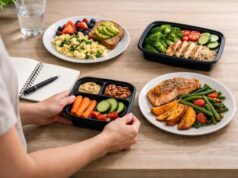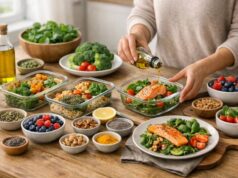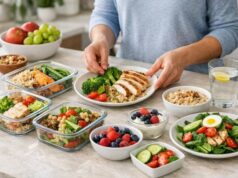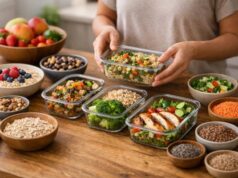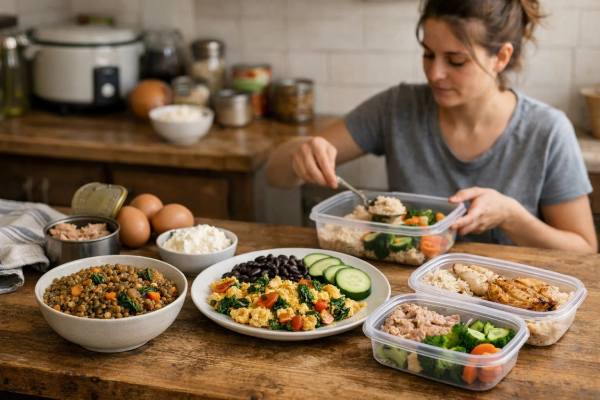
Cheap high-protein meals can absolutely support weight loss, and they do not need to revolve around expensive powders, steak, or fancy meal prep containers. The real goal is simpler: use affordable protein foods that help you stay full, protect muscle, and make a calorie deficit easier to maintain. That usually means building meals around eggs, Greek yogurt, cottage cheese, beans, lentils, canned fish, chicken, tofu, and a few reliable frozen or pantry staples.
This guide shows how to choose the cheapest useful protein sources, how to build filling meals without overspending, and how to turn budget ingredients into breakfasts, lunches, dinners, and snacks that are realistic enough to repeat all week.
Table of Contents
- Why cheap high-protein meals work so well
- The best budget protein foods to buy
- How to build cheap meals that still feel filling
- 12 cheap high-protein meal ideas
- How to shop and prep on a budget
- Common budget mistakes that hurt weight loss
- When a cheap plan needs more flexibility
Why cheap high-protein meals work so well
Cheap high-protein meals work for weight loss because they solve two common problems at the same time: hunger and cost. Many people can tolerate a calorie deficit for a few days, but staying consistent gets much harder when meals are small, low in protein, and not satisfying enough to hold you until the next meal. On the other hand, some people assume that eating more protein automatically means spending much more money. In practice, that is only true if you rely on premium convenience foods, protein bars, specialty shakes, or large portions of expensive meat.
A budget-friendly high-protein meal plan can be much simpler. Eggs, beans, lentils, yogurt, cottage cheese, canned tuna, chicken thighs, tofu, edamame, and even milk can give you a lot of protein for relatively little money. These foods also combine well with cheaper fiber-rich staples like oats, potatoes, rice, frozen vegetables, bananas, carrots, cabbage, and whole grain bread. That combination matters because protein helps fullness, but protein plus fiber and food volume tends to work even better.
There is also a practical adherence benefit. Expensive meal plans often fail because they ask people to buy ingredients they would never normally keep around. Cheap high-protein meals tend to be more repeatable. A bowl of chili, egg-and-potato scramble, yogurt with oats, or lentil soup is not glamorous, but it is realistic. Realistic meals are the ones most likely to survive a busy week, a tight grocery budget, and the moment when motivation drops.
Another reason these meals work is that they reduce the need for random snacking. A breakfast with 25 to 35 grams of protein usually behaves differently than a pastry or sugary cereal. A dinner based on beans, lean protein, and vegetables usually holds better than a plate built around refined carbs and a small amount of meat. That does not mean you need to obsess over exact numbers at every meal, but it does mean protein deserves to be planned instead of left to chance.
A cheap high-protein approach also fits well with the broader logic behind protein intake for weight loss and a calorie deficit that reduces hunger. The point is not to make every meal ultra-high-protein. It is to make each meal strong enough that staying on track feels easier, not harder.
The best budget protein foods to buy
The best budget protein foods are not just cheap by package price. They are cheap relative to how much usable protein and meal value they provide. That is why a large tub of Greek yogurt or a bag of dried lentils often beats a flashy “high-protein” snack product that costs more and fills you less.
Best low-cost protein staples
These foods usually give the best balance of cost, convenience, and fullness:
- Eggs
- Greek yogurt
- Cottage cheese
- Milk
- Canned tuna or sardines
- Canned salmon when on sale
- Chicken thighs or bulk chicken breast
- Ground turkey on sale
- Tofu
- Tempeh if priced reasonably in your area
- Lentils
- Black beans, chickpeas, kidney beans, and split peas
- Edamame, especially frozen
- Dry peas and bean mixes
Beans and lentils are especially useful because they bring both protein and fiber. That means they often punch above their price in terms of fullness. Eggs are another standout because they are versatile, fast, and easy to combine with vegetables, potatoes, oats, or toast. Dairy foods like Greek yogurt and cottage cheese also work well because they can function as breakfast, snack, or part of a savory meal.
Protein foods that often cost more than they are worth
These are not automatically bad, but they are often less budget-friendly:
- Individual protein shakes
- Protein bars
- Pre-cooked high-protein frozen meals
- Jerky
- Single-serve flavored yogurts
- Fancy high-protein cereals
- Premium deli meats
Most of these cost more because you are paying for convenience, branding, or packaging. If your budget is tight, whole-food staples nearly always stretch further.
Plant and animal options can both fit
A cheap high-protein meal plan does not have to be all meat or all plant-based. In fact, many of the most affordable plans mix both. Using eggs, yogurt, or canned fish in some meals and lentils, beans, tofu, or edamame in others often gives you the best balance of cost and variety. That approach also tends to improve food quality because you are not relying on processed meat as your default protein.
It helps to think in “protein anchors.” Keep three or four cheap anchors around every week. For example:
- Eggs
- Greek yogurt
- Lentils or beans
- Chicken or canned tuna
Once you have those, meals become easier to assemble. If you want a broader ingredient list to build from, the same logic overlaps naturally with a high-protein foods list and with a high-protein grocery list for weight loss.
How to build cheap meals that still feel filling
A cheap meal is not automatically a good weight loss meal, and a high-protein meal is not automatically satisfying if the rest of the structure is weak. The most effective budget meals usually combine four things: protein, produce, a filling carbohydrate, and enough flavor that you actually want to eat the meal again.
| Meal part | Why it matters | Budget-friendly examples |
|---|---|---|
| Protein anchor | Helps fullness and muscle retention | Eggs, Greek yogurt, lentils, beans, tofu, tuna, chicken |
| Produce | Adds volume and fiber | Frozen vegetables, cabbage, carrots, onions, spinach, tomatoes |
| Smart carbohydrate | Makes the meal more satisfying and usable for real life | Oats, potatoes, rice, whole grain bread, beans, fruit |
| Flavor support | Makes the meal easier to repeat | Salsa, spices, mustard, yogurt sauces, soy sauce, lemon, garlic |
This formula matters because people often make one of two mistakes. The first is building a cheap meal that is mostly starch, like plain pasta, toast, or rice with very little protein. The second is building a “healthy” meal that has protein but not enough overall volume, so hunger comes back too fast. A better setup is something like tuna mixed into a bean salad, eggs scrambled with potatoes and vegetables, or lentil chili with extra frozen peppers.
Volume matters more than many budget meal plans acknowledge. If you are trying to lose weight, a bowl that looks substantial is easier to stick with than a tiny “portion-controlled” meal that leaves you prowling the kitchen an hour later. That is why cheap vegetables and fiber-rich carbs are so useful. Potatoes, cabbage, oats, beans, frozen broccoli, carrots, and fruit often make meals feel much bigger for relatively little money.
Flavor is another overlooked part of fullness. Bland meals tend to trigger boredom and extra snacking. You do not need expensive sauces, but you do need enough seasoning and contrast that the meal feels like food, not punishment. Garlic, onion, hot sauce, salsa, vinegar, curry powder, taco seasoning, Italian herbs, and lemon juice can do a lot of work for very little cost.
This is also where meal balance matters. A cheap high-protein lunch built around the same structure used in a high-protein plate usually works better than just chasing the highest protein number. If hunger is a big issue for you, it also helps to pair these meals with some ideas from high-volume, low-calorie foods.
12 cheap high-protein meal ideas
These meal ideas are built around affordable staples, decent protein, and enough volume to be useful for weight loss. Costs vary by location, but all of them are based on ingredients that are usually cheaper than relying on takeout or convenience protein foods.
Breakfast ideas
1. Egg and potato scramble
Eggs, diced potatoes, onions, and frozen spinach or peppers. This is cheap, filling, and easy to make in a big pan for multiple servings.
2. Greek yogurt oats bowl
Plain Greek yogurt, oats, banana, cinnamon, and a spoon of chia or peanut butter if your calories allow. This works well when you need something fast and more filling than cereal.
3. Cottage cheese toast plate
Cottage cheese with whole grain toast, tomatoes, fruit, and pepper. It is simple, but it gives you a lot of protein for low effort.
4. Savory oatmeal with eggs
Cook oats with salt, pepper, and frozen spinach, then top with eggs. It sounds unusual if you are used to sweet oatmeal, but it is cheap and surprisingly satisfying.
Lunch ideas
5. Lentil soup with extra vegetables
Lentils, onions, carrots, canned tomatoes, and broth or water with seasoning. Add leftover chicken if you have it, but it is still useful without meat.
6. Tuna and white bean salad
Canned tuna, white beans, chopped cucumber, onion, lemon, and a little olive oil or yogurt-based dressing. This is one of the cheapest high-protein lunches that still feels substantial.
7. Chicken and rice bowl
Cooked chicken thighs, rice, frozen broccoli, and soy sauce or hot sauce. This works especially well when you batch cook the chicken.
8. Black bean taco bowl
Black beans, rice, lettuce or cabbage, salsa, corn, and a spoon of Greek yogurt. Cheap, high in fiber, and easy to portion.
Dinner ideas
9. Turkey and bean chili
Ground turkey, beans, canned tomatoes, onions, and peppers. Chili is one of the best budget dinners because it reheats well and stretches meat with beans.
10. Tofu vegetable stir-fry
Tofu, frozen stir-fry vegetables, rice, and a simple soy-garlic sauce. This is often cheaper than meat-based stir-fry and still protein-rich.
11. Chickpea and egg shakshuka-style skillet
Eggs cooked in tomato sauce with chickpeas, onion, and spices. Serve with toast or potatoes.
12. Cheap pasta and protein upgrade
Use a modest serving of pasta, then raise the protein with lentils, cottage cheese stirred into sauce, canned tuna, or extra lean ground turkey. Pasta does not have to disappear from a weight loss plan. It just needs a better structure.
Cheap snack ideas that actually help
- Greek yogurt with fruit
- Cottage cheese and pineapple or berries
- Hard-boiled eggs with fruit
- Roasted chickpeas
- Milk and a banana
- Edamame with salt and chili flakes
For people who want more ready-made meal categories, many of these ideas connect closely to high-protein breakfast prep and high-protein dinner prep. The point is not that you must prep every meal. It is that a few repeatable cheap recipes can carry most of your week.
How to shop and prep on a budget
Budget high-protein eating works best when you stop shopping meal by meal and start shopping by function. Instead of buying ingredients for seven separate recipes, buy a few proteins, a few vegetables, and a few carbohydrates that can combine in multiple ways.
What to prioritize first
Start with these categories:
- Protein: eggs, yogurt, cottage cheese, beans, lentils, tofu, canned fish, bulk chicken
- Produce: frozen vegetables, onions, carrots, cabbage, bananas, apples, spinach
- Carbs: oats, rice, potatoes, whole grain bread, pasta
- Flavor basics: salsa, garlic, soy sauce, spices, mustard, vinegar, canned tomatoes
That kind of list usually beats buying expensive “health food” items that only work in one recipe. Frozen vegetables are especially helpful because they cut waste and often cost less than fresh produce that goes bad before you use it. Beans and lentils are also strong value foods because they store well and can bulk up meals without needing much planning.
A simple budget prep routine
A one-hour prep session can cover most of the week:
- Cook one big protein, such as chicken thighs, lentils, or a turkey chili.
- Make one breakfast base, like boiled eggs or overnight oats.
- Cook one starch, such as rice or potatoes.
- Chop a few vegetables or buy them frozen to save time.
- Portion two or three easy snacks.
This does not need to become a bodybuilder-style routine with identical containers. The goal is just to remove friction. When your cheapest good options are ready, you are less likely to spend money on food that is less filling and harder to fit into your goals.
It also helps to compare price per serving instead of shelf price. A big tub of yogurt, a bag of oats, or a pot of lentil soup may look boring, but they often deliver more useful meals than a cart filled with single-serve products. That is why a beginner grocery list for weight loss often works better than trying to shop by online recipe inspiration alone. If cost is the biggest challenge, the broader strategy is very close to meal planning on a budget.
Common budget mistakes that hurt weight loss
The biggest budget mistake is assuming the cheapest calories are the best value. They usually are not. Instant noodles, pastries, chips, sugary cereal, and frozen snack foods may be cheap in the moment, but they tend to be weak on protein and fullness. That often leads to more hunger and more eating later.
Another common mistake is buying too much expensive convenience protein. Protein bars, bottled shakes, deli snack packs, and branded “fitness foods” are often poor budget choices. They can be helpful occasionally, but they should not be the backbone of a tight grocery budget.
People also overspend by choosing protein foods that do not stretch well. For example, buying small portions of salmon, steak, or pre-marinated chicken every week can crowd out more practical staples. You do not need to avoid those foods completely, but they are usually not the best foundation for cheap high-protein eating.
A different mistake is letting meals become protein-only. If you spend money on chicken or tuna but skip vegetables and fiber-rich carbs, the meal may still feel incomplete. Then you end up grabbing extra bread, sweets, or snacks later. Cheap weight loss meals usually work better when protein is paired with foods that increase volume and keep you satisfied.
There is also the problem of waste. Fresh produce that goes bad, meat that never gets cooked, and leftovers that sit in the fridge all drive up your actual food cost. Buying fewer ingredients and repeating them more often is usually smarter than buying wide variety you cannot realistically use.
Finally, some people under-eat because they are trying to save money and lose weight at the same time. That can backfire fast. If your meals are too small, you are much more likely to end up overeating at night or spending money on random convenience food later. If hunger keeps boomeranging back, it may help to review the logic behind protein per meal targets and to keep a few high-protein snacks available instead of relying on willpower alone.
When a cheap plan needs more flexibility
A budget-friendly high-protein plan can work for many people, but there are times when the cheapest foods are not automatically the best fit. Digestive issues, allergies, medical conditions, food intolerances, and personal preferences can all change which foods are practical.
For example, someone who does not tolerate beans well may rely more on eggs, yogurt, tofu, chicken, and lower-fiber starches. Someone who does not eat dairy may use tofu, edamame, lentils, plant-based yogurt with added protein, or canned fish. Someone on appetite-suppressing medication may find that very bulky meals do not sit well, in which case smaller protein-focused meals might be easier than giant bowls of chili or huge salads.
There is also a point where extremely tight budgeting can push food quality too low. If you are forced into a very narrow food selection, it helps to protect the basics first: enough protein, enough total calories, some produce, and enough variety that the plan does not become miserable. Weight loss plans fail when they become too punishing to maintain.
Families, shift workers, and people who eat away from home a lot may also need more convenience than the cheapest possible setup allows. In that case, the smartest move is usually selective convenience. Buy mostly low-cost staples, then spend a little more on one or two items that save your routine, such as pre-cooked chicken, microwave rice, frozen high-protein meals, or single-serve yogurt. That is usually a better trade than letting the whole plan collapse and defaulting to takeout.
The main goal is not to win a frugality contest. It is to build a meal pattern that is affordable enough to maintain, protein-rich enough to keep you full, and flexible enough to survive normal life. If you want more structure once you have the basics down, this style of eating fits well with macro-friendly meals and with a 7-day high-protein meal plan.
References
- Healthy diet 2026 (Fact Sheet)
- Protein, fiber, and exercise: a narrative review of their roles in weight management and cardiometabolic health 2025 (Review)
- Impacts of dietary animal and plant protein on weight and glycemic control in health, obesity and type 2 diabetes: friend or foe? 2024 (Review)
- Legumes and common beans in sustainable diets: nutritional quality, environmental benefits, spread and use in food preparations 2024 (Review)
Disclaimer
This article is for general educational purposes only and is not a substitute for medical advice, diagnosis, or treatment. If you have a medical condition, a history of disordered eating, trouble meeting your nutrition needs on a tight budget, or unexplained difficulty losing weight, get personalized guidance from a qualified clinician or registered dietitian.
If this article helped, please share it on Facebook, X, or your preferred platform so more people can find budget-friendly high-protein meals that support weight loss without making grocery costs harder to manage.