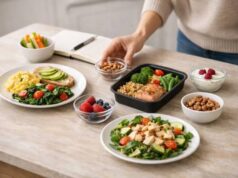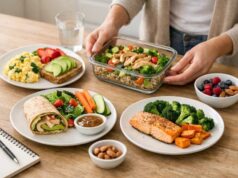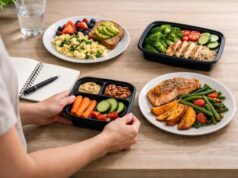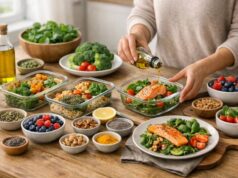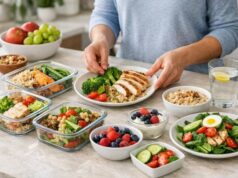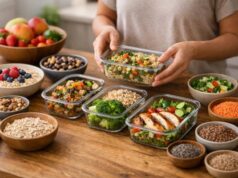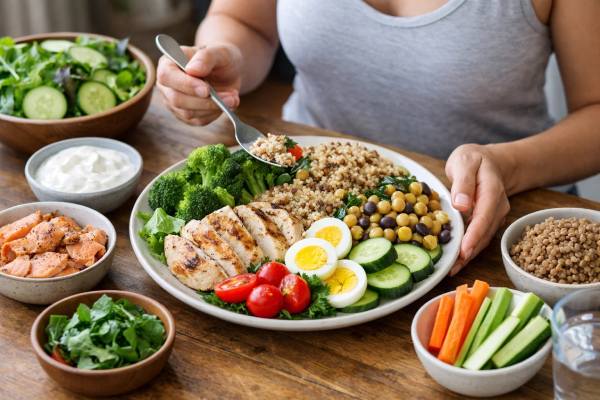
Eating in a calorie deficit is the foundation of fat loss, but what you choose to eat determines how sustainable—and comfortable—that deficit feels. The right foods can reduce hunger, support muscle retention, and make your meals more satisfying without adding excess calories.
This guide focuses on the most effective categories: protein-rich foods, high-fiber options, and high-volume foods that help you eat more while consuming fewer calories. You’ll also learn how to combine them into practical meals that actually work in real life.
Table of Contents
- Why food choice matters in a calorie deficit
- High-protein foods for fullness and muscle
- Fiber-rich foods that keep you satisfied
- High-volume low-calorie foods to eat more
- Smart carb and fat choices in a deficit
- How to build meals with these foods
- Common food mistakes that increase hunger
Why food choice matters in a calorie deficit
A calorie deficit means you’re consuming fewer calories than your body uses. While that’s simple in theory, in practice it can feel difficult if your food choices leave you constantly hungry.
Not all calories affect hunger, energy, and satiety equally. Some foods help you stay full for hours, while others are easy to overeat and lead to cravings.
Three key factors determine how filling a food is:
- Protein content: Slows digestion and reduces appetite hormones
- Fiber content: Adds bulk and slows absorption
- Food volume: Helps you eat larger portions with fewer calories
When these factors are combined, meals become much more satisfying—even at lower calorie levels.
For example:
- 400 calories of grilled chicken, vegetables, and potatoes will feel far more filling than
- 400 calories of pastries or processed snacks
If you’re struggling with hunger in a deficit, improving food quality often works better than cutting calories further. Many people find success by focusing on foods from guides like a practical fat-loss food list rather than simply eating less.
High-protein foods for fullness and muscle
Protein is the most important macronutrient in a calorie deficit. It supports fat loss in two major ways: it helps you stay full and protects muscle mass.
Higher protein intake is consistently linked to reduced hunger, fewer cravings, and better long-term results.
Best high-protein foods
Lean protein sources provide the most benefit per calorie:
- Chicken breast and turkey
- Lean beef (5–10% fat)
- Fish (cod, tuna, salmon)
- Eggs and egg whites
- Greek yogurt (especially nonfat or low-fat)
- Cottage cheese
- Tofu, tempeh, and legumes
These foods are nutrient-dense and relatively low in calories for the amount of protein they provide.
Why protein is so effective
Protein:
- Takes longer to digest
- Requires more energy to process (higher thermic effect)
- Helps stabilize blood sugar
- Reduces the likelihood of overeating later
A practical approach is to aim for protein at every meal. For most people, spreading protein across 3–4 meals works better than consuming it all at once.
If you want a simple structure, building meals around protein is one of the easiest strategies. You can learn a step-by-step approach in how to structure a high-protein plate.
Quick protein meal examples
- Grilled chicken + roasted vegetables + potatoes
- Greek yogurt + berries + chia seeds
- Tuna salad with mixed greens
- Eggs + spinach + whole-grain toast
These meals combine protein with fiber and volume, making them ideal for a calorie deficit.
Fiber-rich foods that keep you satisfied
Fiber is the second key component of a hunger-friendly diet. It adds bulk to meals, slows digestion, and helps you feel full with fewer calories.
Unlike protein, fiber doesn’t directly build or repair tissue—but it plays a major role in appetite control and digestive health.
Best high-fiber foods
Focus on whole, minimally processed sources:
- Vegetables (broccoli, carrots, zucchini, spinach)
- Fruits (apples, berries, oranges)
- Legumes (lentils, chickpeas, beans)
- Whole grains (oats, quinoa, brown rice)
- Seeds (chia, flaxseed)
Many of these foods also contain water, which further increases fullness.
Why fiber works
Fiber helps by:
- Expanding in the stomach
- Slowing gastric emptying
- Supporting stable blood sugar levels
- Feeding beneficial gut bacteria
This combination reduces hunger between meals and helps prevent energy crashes that lead to cravings.
Practical fiber targets
Instead of focusing on daily totals alone, it’s helpful to distribute fiber across meals. This approach supports steady fullness throughout the day.
A helpful breakdown can be found in how much fiber per meal supports appetite control.
Easy ways to increase fiber
- Add vegetables to every lunch and dinner
- Include fruit as a snack or dessert
- Swap refined grains for whole grains
- Add beans or lentils to meals
Small adjustments like these can significantly improve satiety without increasing calories much.
High-volume low-calorie foods to eat more
High-volume foods allow you to eat larger portions while keeping calories relatively low. This is one of the most powerful strategies for managing hunger in a calorie deficit.
These foods are typically high in water and fiber, which increases their size without adding many calories.
Examples of high-volume foods
- Leafy greens (lettuce, spinach, arugula)
- Cruciferous vegetables (broccoli, cauliflower)
- Zucchini, cucumbers, tomatoes
- Berries and melon
- Air-popped popcorn
- Broth-based soups
You can eat a large bowl of these foods for the same calories as a much smaller portion of calorie-dense options.
Why volume matters
Volume affects:
- Physical fullness (stomach stretch)
- Meal satisfaction
- Eating speed and enjoyment
When meals feel large and satisfying, you’re less likely to feel restricted or deprived.
Real-life examples
Compare:
- A small portion of pasta with cream sauce
vs. - A large plate of chicken, vegetables, and potatoes
Even at similar calories, the second option feels much more filling due to volume and protein.
For more ideas, explore high-volume foods that support fat loss and how to build meals around them.
Easy ways to increase volume
- Add a large salad or vegetables to meals
- Use soups or stews as a starter
- Choose fruits instead of calorie-dense desserts
- Bulk up meals with vegetables
These strategies help you eat more food overall while still staying in a calorie deficit.
Smart carb and fat choices in a deficit
Carbohydrates and fats are often misunderstood in weight loss. Both can fit into a calorie deficit—but the type and portion size matter.
Carbohydrates: focus on quality
Carbs provide energy, especially for workouts and daily activity. The goal is to choose options that also support fullness.
Better carb choices include:
- Potatoes
- Oats
- Rice and quinoa
- Whole-grain bread
- Fruits
These tend to be more filling than highly processed carbs like pastries, chips, or sugary snacks.
For a deeper breakdown, see which carbs work best in a deficit.
Fats: essential but easy to overeat
Fats are calorie-dense (9 calories per gram), so they require more attention to portion size.
Healthy fat sources include:
- Olive oil
- Nuts and seeds
- Avocado
- Fatty fish
These support hormone function and satiety, but even healthy fats can slow fat loss if portions are too large.
Balance is key
A practical approach:
- Prioritize protein first
- Add fiber-rich carbs
- Include moderate amounts of healthy fats
This balance supports energy, fullness, and long-term adherence.
How to build meals with these foods
Knowing which foods to eat is helpful—but combining them into meals is what makes a calorie deficit sustainable.
A simple structure works best:
The balanced plate method
Each meal should include:
- Protein: chicken, fish, eggs, tofu
- Fiber/volume: vegetables or fruit
- Carbs: potatoes, rice, oats
- Fats: small amounts of oils, nuts, or seeds
Example meal templates
Breakfast
- Greek yogurt + berries + oats
Lunch
- Chicken salad with mixed vegetables and quinoa
Dinner
- Lean beef + roasted vegetables + potatoes
Snack
- Apple + cottage cheese
This structure keeps meals balanced and satisfying without requiring complicated tracking.
If you prefer a done-for-you approach, a structured plan like a high-protein, high-fiber monthly meal plan can make consistency easier.
Key tips for success
- Build meals around protein first
- Add volume with vegetables
- Keep calorie-dense foods controlled, not eliminated
- Keep meals simple and repeatable
Consistency matters more than perfection. Meals that are easy to prepare and enjoyable are far more sustainable.
Common food mistakes that increase hunger
Even in a calorie deficit, certain food choices can make hunger worse and lead to overeating.
Common mistakes
1. Too little protein
Low-protein meals often lead to hunger within a few hours.
2. Not enough fiber
Meals lacking vegetables, fruits, or whole grains tend to be less filling.
3. Over-reliance on processed foods
Highly processed foods are easy to overeat and less satisfying.
4. Drinking calories
Sugary drinks and high-calorie beverages don’t provide the same fullness as solid food.
5. Extremely low fat intake
Cutting fat too aggressively can reduce meal satisfaction and lead to cravings.
What to do instead
- Include protein in every meal
- Add vegetables to most meals
- Choose whole foods most of the time
- Drink mostly water, coffee, or tea
- Keep fat moderate—not zero
Avoiding these mistakes can make a calorie deficit feel significantly easier without needing to reduce calories further.
For a deeper look at what can slow progress, see which foods make a deficit harder to maintain.
References
- Dietary protein and weight reduction: a review of the evidence 2017 (Review)
- Role of dietary fiber in promoting satiety and weight management 2020 (Review)
- Energy density and weight loss: a systematic review 2014 (Systematic Review)
- Effects of high-protein diets on weight loss and appetite 2019 (Review)
Disclaimer
This article is for educational purposes only and is not a substitute for professional medical or nutritional advice. Individual calorie needs, health conditions, and dietary requirements vary, so consult a qualified healthcare professional or registered dietitian before making significant changes to your diet.
If you found this guide helpful, consider sharing it on Facebook, X (formerly Twitter), or your favorite platform to help others build a more sustainable calorie deficit.