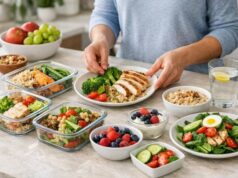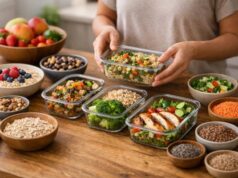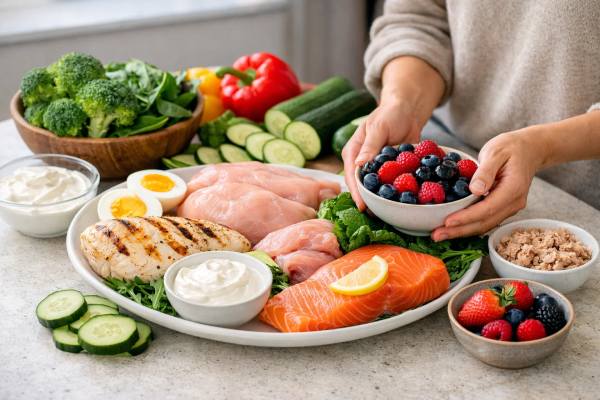
The best fat-loss foods are not the ones with the loudest claims. They are the foods that make a calorie deficit easier to maintain by helping you stay full, control portions, and keep your diet nutritionally solid. In practice, that usually means foods with a strong mix of protein, fiber, water, and volume rather than foods marketed as “fat burning.”
This guide breaks down the most useful fat-loss foods by category, explains why they work, and shows how to combine them into satisfying meals. You will also find a practical grocery strategy, common mistakes to avoid, and a simple way to choose foods that support real progress instead of making dieting harder than it needs to be.
Table of Contents
- What makes a food good for fat loss
- Best protein foods for a calorie deficit
- Best high-fiber foods for fullness
- Best low-calorie high-volume foods
- Smart carbs and fats that still fit fat loss
- How to build meals from these foods
- Grocery list and everyday food swaps
- Mistakes that make good foods less effective
What makes a food good for fat loss
A food does not have to be magical to be helpful. The best fat-loss foods simply make the main job easier: eating fewer calories than you burn without feeling constantly deprived.
The most useful foods for a calorie deficit usually have one or more of these traits:
- High protein for better satiety and muscle retention
- High fiber for fullness and slower digestion
- High water content for more food volume per calorie
- Lower energy density, meaning you can eat a satisfying portion without calories climbing too fast
- Good nutrient value so the diet stays easier to sustain over time
This is why foods like Greek yogurt, eggs, potatoes, berries, beans, lentils, chicken breast, cottage cheese, tofu, leafy greens, and air-popped popcorn tend to outperform many so-called diet foods. They help with appetite control in a practical way.
By contrast, many foods marketed as healthy can still make fat loss harder if they are easy to overeat and not very filling for their calories. Granola, nut butters, trail mix, smoothies, dried fruit, fancy coffee drinks, and restaurant salads drenched in dressing can all fit a healthy diet, but they are not always the best tools for a tight calorie budget.
A better question than “Is this food healthy?” is “How likely is this food to keep me full relative to its calories?” That shift in thinking changes everything. It moves the focus away from labels and toward function.
It also helps explain why many of the most effective foods overlap with the staples in a practical calorie-deficit eating pattern. The goal is not just to eat clean. The goal is to eat in a way that makes consistency realistic.
Another useful distinction is that single foods do not cause fat loss on their own. Even excellent foods work best when they are part of a structure. Cottage cheese helps more when it replaces a less filling snack. Potatoes help more when they are baked and paired with lean protein, not loaded like restaurant fries. Oats help more when they become a protein-rich breakfast instead of a small bowl that leaves you hungry an hour later.
The best fat-loss foods are the foods that improve your whole day of eating, not just one meal.
Best protein foods for a calorie deficit
Protein is the anchor of most effective fat-loss diets. It helps reduce hunger, improves meal satisfaction, and supports lean mass while you lose weight. That does not mean every meal has to be centered on chicken breast, but it does mean most meals should include a real protein source.
Some of the best protein foods for fat loss are:
- Greek yogurt and skyr
- Cottage cheese
- Eggs and egg whites
- Chicken breast and turkey breast
- Lean ground turkey
- Tuna, salmon, shrimp, and white fish
- Tofu, tempeh, and edamame
- Lentils, beans, and high-protein dairy
- Protein shakes when convenience matters
| Food | Why it works | Best use |
|---|---|---|
| Greek yogurt | High protein, easy to portion, versatile | Breakfast, snacks, sauces |
| Cottage cheese | Very filling for the calories | Snacks, breakfast bowls, savory plates |
| Chicken breast | Lean, easy to batch cook | Lunch bowls, wraps, dinners |
| Tuna and white fish | High protein with relatively low calories | Quick lunches and dinners |
| Tofu and edamame | Useful plant-based protein with good satiety | Stir-fries, bowls, salads |
| Lentils and beans | Protein plus fiber in one food | Soups, chili, grain bowls |
The biggest advantage of protein is not just muscle protection. It is how it shapes the rest of your diet. A breakfast with Greek yogurt, fruit, and oats usually holds longer than toast alone. A lunch with chicken and beans is less likely to lead to an afternoon snack spiral than a salad with mostly lettuce and dressing.
That is why it helps to think in terms of your overall meal pattern, not just a daily number. A strong starting point is to spread protein across breakfast, lunch, dinner, and maybe one snack. If you want more detail, guidance on daily protein intake for weight loss and how much protein per meal can make the picture clearer.
One practical note: lean protein is useful, but it does not have to mean dry or boring. Marinades, salsa, herbs, spices, yogurt sauces, mustard, lemon, and broth-based cooking methods make protein easier to repeat. Since repeatability is what matters most, the best protein source is often the one you will happily eat three or four times a week.
Best high-fiber foods for fullness
Fiber helps fat loss in a very practical way: it slows eating down, adds bulk, and makes meals feel larger and more satisfying. It also tends to push your diet toward foods that are harder to overeat mindlessly.
The strongest high-fiber foods for a calorie deficit include:
- Oats
- Beans, lentils, and chickpeas
- Berries
- Apples and pears
- Potatoes and sweet potatoes
- High-fiber cereals and breads
- Vegetables like broccoli, carrots, Brussels sprouts, cauliflower, and leafy greens
- Chia seeds and flaxseed in modest portions
- Air-popped popcorn
A useful distinction is that fiber works best when it comes packaged inside foods that also provide chewing, volume, and meal structure. An apple is usually more filling than apple juice. Potatoes are usually more satisfying than chips. Oatmeal tends to work better than a sugary granola bar with a fiber claim on the wrapper.
Fiber is especially powerful when paired with protein. Beans and lentils are standout foods for this reason. They help in two directions at once: more fullness from fiber and better staying power from protein. That makes them some of the most useful low-cost staples for people trying to lose fat without constantly feeling hungry.
This is also where food variety helps. If fiber only comes from one bowl of oatmeal in the morning, it is easier to miss the bigger benefits. If it shows up at breakfast, lunch, dinner, and snacks, the whole day gets easier. That may mean berries in the morning, beans at lunch, roasted vegetables at dinner, and popcorn or fruit as a snack.
For many people, building from a short list of low-calorie vegetables that add volume and a few fruits that fit a calorie deficit well is an easy place to start.
The main caution is not to increase fiber aggressively overnight. If your current intake is low, a sudden jump to huge salads, large bean portions, and bran-heavy foods can feel uncomfortable. A steadier increase, along with good hydration, usually works better than trying to force a “perfect” high-fiber diet in two days.
When people say a diet feels easier, fiber is often one of the hidden reasons why.
Best low-calorie high-volume foods
Some of the best fat-loss foods are simply foods that let you eat a lot without taking in many calories. This is where volume eating becomes useful. The idea is not to stuff yourself with lettuce. It is to use high-volume foods to make meals look and feel generous.
Top low-calorie, high-volume foods include:
- Leafy greens
- Cucumbers
- Tomatoes
- Zucchini
- Mushrooms
- Broccoli and cauliflower
- Cabbage and slaws
- Carrots
- Berries
- Watermelon
- Broth-based soups
- Air-popped popcorn
These foods help because they change the visual and physical size of meals. A plate with grilled chicken, roasted potatoes, and a big pile of broccoli feels more satisfying than the same calories squeezed into a pastry and sweetened coffee. The second option may disappear faster and leave you looking for more.
Soup is especially underrated. A broth-based soup with vegetables, beans, chicken, or lentils can be one of the best preloaded meals in a calorie deficit because it adds warmth, volume, and eating time. The same goes for large chopped salads with lean protein, crunchy vegetables, and a measured dressing.
| Food type | Examples | Best role |
|---|---|---|
| Watery vegetables | Cucumber, tomato, zucchini, mushrooms | Add bulk to meals with minimal calories |
| Fibrous vegetables | Broccoli, cauliflower, carrots, cabbage | Increase fullness and chewing time |
| Fruit with high water content | Berries, melon, oranges | Better dessert and snack volume |
| Broth-based meals | Vegetable soup, chicken soup, lentil soup | Useful for hunger control |
| Light snack volume | Air-popped popcorn | Good for people who like to snack |
Volume foods work best when they support the meal rather than replace it. A giant salad with almost no protein can still leave you unsatisfied. A more balanced plate using high-volume foods alongside protein and smart carbs tends to work much better. That is the real strength of ideas behind a high-volume eating approach and other low-calorie, high-volume food strategies.
If you often feel like dieting means eating tiny portions, this is the category that changes the experience most.
Smart carbs and fats that still fit fat loss
Carbs and fats are often treated like the problem, but the real issue is usually food form, calorie density, and portion awareness. Many carbs and fats fit fat loss very well when they are chosen strategically.
Some of the best carbohydrate choices for a calorie deficit are:
- Potatoes and sweet potatoes
- Oats
- Beans and lentils
- Fruit
- Brown rice and quinoa in moderate portions
- Whole-grain breads and wraps that are actually satisfying
- High-fiber cereals
These foods tend to work better than pastries, sugary cereals, oversized bakery items, or refined snack foods because they bring more satiety, more fiber, or both. Potatoes are a great example. They are often misunderstood because people associate them with fries and chips, but baked or boiled potatoes can be one of the most satisfying carb foods around.
Fats also belong in a fat-loss diet, but they need more attention to portion size because they are calorie-dense. Helpful choices include:
- Avocado
- Nuts and seeds
- Olive oil
- Nut butter
- Fatty fish like salmon
These foods improve meal satisfaction, but they are best used intentionally. A tablespoon of olive oil can make vegetables much more enjoyable. Free-pouring several tablespoons into a pan can quietly add a lot of calories. A small portion of nuts can be a solid snack. Several handfuls while distracted can undo a deficit fast.
This is where smart selection matters. Choosing from carbs that support energy and fullness and using healthy fats in measured portions usually works better than trying to eliminate entire macronutrients.
The overall pattern is simple: pick carbs that satisfy, fats that enhance meals, and portions that still leave room for the rest of the day.
How to build meals from these foods
Knowing the best fat-loss foods is useful, but meals are what actually determine whether the plan works. A simple meal formula makes these foods easier to use.
A strong fat-loss meal usually includes:
- One main protein
- One high-fiber or satisfying carb
- One or two volume foods
- A modest amount of fat for flavor
That might look like:
- Greek yogurt, oats, berries, and chia seeds
- Eggs, potatoes, and sauteed vegetables
- Chicken breast, rice, and broccoli
- Tuna, beans, chopped vegetables, and a light dressing
- Salmon, roasted potatoes, and asparagus
- Lentil soup with cottage cheese and fruit
- Tofu stir-fry with edamame, vegetables, and rice
The key is to stop building meals around what sounds “light” and start building them around what actually keeps you full. A skimpy lunch often leads to a bigger dinner and more snacking. A better lunch may look larger but can still support fat loss more effectively because it prevents the rebound hunger that wrecks adherence.
Breakfast is especially important here. Many people unknowingly set up the whole day poorly by eating something low in protein and low in staying power. A better breakfast often means a calmer appetite later, which is why so many people do better with a high-protein breakfast or a few repeatable low-calorie breakfast options that still satisfy.
For lunch and dinner, a plate method works well:
- Half the plate from vegetables or fruit
- One quarter from protein
- One quarter from a satisfying carb
- Fat added in a measured, intentional way
That structure is simple enough to use at home, at work, or even when eating out. It also gives you a way to judge meals quickly. If a plate is mostly refined carbs and added fat with not much protein or produce, it probably will not help much with hunger control. If it has a strong protein base, a filling carb, and real volume, it is usually a much better bet.
The best fat-loss meals are not the prettiest ones on social media. They are the meals that reduce the chances you will spend the next three hours thinking about food.
Grocery list and everyday food swaps
A good fat-loss food list should help you shop better, not just think better. The easiest way to use it is to stock your kitchen with foods that make a decent choice the default choice.
A practical grocery list includes:
- Proteins: Greek yogurt, cottage cheese, eggs, chicken breast, turkey, tuna, salmon, shrimp, tofu, edamame, beans, lentils
- Carbs: oats, potatoes, sweet potatoes, brown rice, quinoa, high-fiber wraps, whole-grain bread
- Produce: berries, apples, pears, oranges, melon, leafy greens, cucumbers, tomatoes, broccoli, carrots, cauliflower, zucchini, mushrooms
- Fats and extras: olive oil, avocado, nuts, seeds, salsa, mustard, hummus, herbs, spices
A few everyday swaps can make a big difference:
- Sugary cereal to Greek yogurt with fruit and oats
- Pastry breakfast to eggs and fruit
- Chips to air-popped popcorn
- Candy snack to fruit with yogurt or cottage cheese
- Creamy high-calorie sauces to salsa, mustard, yogurt-based dressings, or hot sauce
- Takeout lunch to a protein bowl or wrap built at home
- Ice cream every night to planned portions of fruit, yogurt, or lighter desserts
You do not need to turn every food choice into a swap, but you do want the most common meals and snacks to work in your favor. That is why a strong weight loss grocery list matters more than random discipline during the week.
Convenience also counts. Frozen vegetables, frozen berries, canned beans, microwavable rice, rotisserie chicken, and single-serve yogurt can all help fat loss when they reduce friction. The more convenient your better options are, the less often you need motivation to rescue the day.
Mistakes that make good foods less effective
Even the best fat-loss foods can stop being helpful when the overall pattern is off. Most problems come from a handful of repeat mistakes.
Common ones include:
- Relying on “healthy” but calorie-dense foods too heavily: nuts, nut butter, avocado, olive oil, granola, and dried fruit can add up fast
- Choosing low-protein meals that look healthy: salads without enough protein are a classic example
- Drinking calories that do not satisfy much: sweet coffee drinks, smoothies, juice, and alcohol often make the deficit harder
- Underestimating restaurant portions: grilled does not always mean low-calorie
- Trying to live on snack foods: even protein bars and packaged “fit” foods often do not satisfy like actual meals
- Ignoring the rest of the diet: one strong meal cannot fix a day built around grazing
Another common problem is expecting a food list to do all the work. Fat loss still depends on total intake. Helpful foods make a deficit easier, but they do not remove the need for some portion awareness. This is especially true with foods that are both nutritious and dense.
It also helps to watch out for foods that seem harmless but quietly erode progress. Dressings, sauces, creamers, bites while cooking, and late-night extras can matter more than people think. That is one reason lists of foods that make a calorie deficit harder and discussions of common diet mistakes that stall progress are often so useful.
The goal is not to become afraid of food. It is to recognize which foods genuinely support fat loss and which ones only seem helpful on the surface. Once you can tell the difference, meal planning gets much simpler.
References
- Protein, fiber, and exercise: a narrative review of their roles in weight management and cardiometabolic health 2025 (Review)
- Effects of dietary fibre on metabolic health and obesity 2024 (Review)
- Nutritional Considerations During Major Weight Loss Therapy: Focus on Optimal Protein and a Low-Carbohydrate Dietary Pattern 2024 (Review)
- Obesity Management in Adults: A Review 2023 (Review)
- Medical Nutrition Therapy Interventions Provided by Dietitians for Adult Overweight and Obesity Management: An Academy of Nutrition and Dietetics Evidence-Based Practice Guideline 2023 (Guideline)
Disclaimer
This article is for general educational purposes only and is not a substitute for medical advice, diagnosis, or treatment. Nutrition needs for fat loss may need to be individualized if you have diabetes, kidney disease, digestive disorders, a history of disordered eating, or take medications that affect appetite, blood sugar, or weight.
If this article was helpful, please share it on Facebook, X, or your preferred platform so others can find it too.