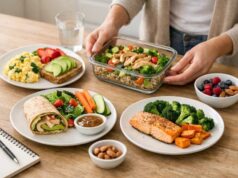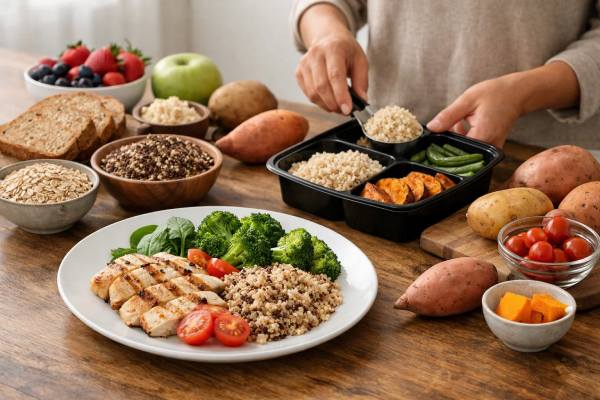
The best carbs for a calorie deficit are not the ones with the fewest grams of carbohydrate. They are the ones that help you stay full, train well, recover well, and stick to your calories without feeling drained. In practice, that usually means choosing carbs with more fiber, more volume, and better overall nutrition, then matching portions to your needs.
This article breaks down which carbohydrate foods are most useful for fat loss, how to tell a smart carb from a low-value one, when to eat carbs for energy and appetite control, and how to fit them into meals without turning a calorie deficit into a low-energy grind.
Table of Contents
- Why carbs still matter in a deficit
- What makes a carb good for fat loss
- Best carb foods to prioritize
- Carbs that make a deficit harder
- How to time carbs for energy and appetite
- How much carb to eat in a calorie deficit
- Simple meal ideas using better carbs
Why carbs still matter in a deficit
Carbs get blamed for weight gain far more often than they deserve. A calorie deficit works because overall energy intake stays below energy needs over time, not because carbs are automatically fattening. Cutting carbs can help some people eat less, but that does not mean carbs are the problem for everyone.
In a deficit, carbs often help with three things people notice quickly when dieting:
- training performance
- day-to-day energy
- appetite control when the right carb sources are used
That last point is where a lot of diets go off track. People slash carbs, feel flat, then end up overeating highly palatable foods later. The issue is often not “too many carbs” but “the wrong carbs in the wrong amounts.” A bowl of oats, beans with rice, or potatoes with a lean protein dinner behaves very differently from pastries, chips, sugary cereal, or a giant coffee drink that disappears in five minutes.
Carbs also make balanced meals easier to build. A plate with protein, vegetables, and a satisfying carbohydrate source usually feels more normal and sustainable than a plate built around restriction. That matters because the best diet for fat loss is rarely the most extreme one. It is the one you can repeat on weekdays, weekends, workdays, and tired days.
Another practical point: people who lift, run, cycle, take long walks, or just move a lot usually perform better with some carbohydrate in the diet. If workouts feel terrible, daily steps drop, or recovery falls apart, the deficit can become harder to maintain. In that sense, the best carbs for a calorie deficit are often the foods that help protect consistency.
For many people, the more useful question is not “Should I eat carbs?” but “Which carbs help me feel full and function well?” That is also why carb quality matters so much in the context of a calorie deficit for weight loss. The right choices support energy and adherence. The wrong ones burn through calories fast and leave hunger behind.
A reasonable fat-loss approach is not high-carb or low-carb by default. It is selective-carb. Keep the foods that pull their weight. Limit the ones that mainly add calories, cravings, and mindless snacking.
What makes a carb good for fat loss
A good carb for fat loss usually does at least one of four jobs well, and the best ones often do several at once.
It gives you more fullness per calorie
This is the first filter. A carb that fills your stomach, slows eating, and keeps you satisfied is far more useful in a deficit than one that vanishes quickly. Potatoes, oats, beans, fruit, and high-fiber grains usually do better here than crackers, pastries, or sweet drinks.
It comes with fiber, water, or intact structure
Carbs are not equal just because they have the same grams. Foods with fiber, water, and less processing tend to have a bigger impact on satiety. Compare an orange with orange juice, or oats with a frosted cereal. The more a carb still looks like food, the better it usually works in a deficit.
It brings useful nutrition beyond calories
The best carb foods often carry more than energy. They may also provide potassium, magnesium, B vitamins, antioxidants, or extra protein and fiber. Beans, fruit, whole grains, and potatoes all punch above their reputation here.
It fits your habits and portions
This point gets overlooked. A carb can be healthy on paper and still be a poor choice for your deficit if you always overeat it. Granola is a classic example. It can contain decent ingredients, but many people pour a “small bowl” that quietly turns into several hundred calories. A baked potato, apple, or packet of plain oatmeal is harder to misjudge.
The easiest way to compare carb choices is to look at how they behave in real life.
| Better carb traits | Less helpful carb traits | Examples |
|---|---|---|
| High in fiber and water | Dry, low-fiber, easy to overeat | Boiled potatoes vs chips |
| Minimal added sugar | Sweetened and calorie-dense | Plain oats vs sugary cereal |
| Intact or minimally processed | Highly refined | Fruit vs juice |
| Easier to portion with meals | Easy to snack on mindlessly | Rice in a bowl vs crackers from a box |
| Pairs well with protein and vegetables | Often eaten alone as a snack | Beans in a meal vs bakery items |
This is also why carbohydrate quality matters more than blanket rules about “good” and “bad” carbs. If you are building meals around protein, produce, and smarter carbohydrate choices, you usually get better appetite control than you would from simply cutting carbs across the board. That is part of the broader pattern behind the best foods to eat in a calorie deficit.
Best carb foods to prioritize
The best carbs for a calorie deficit are usually the ones people can eat regularly without losing control of their calories. These are the standouts.
Potatoes and sweet potatoes
Potatoes are one of the most underrated fat-loss foods. They are filling, inexpensive, easy to portion, and pair well with lean protein and vegetables. The problem is rarely the potato itself. It is what gets done to it. Baked, boiled, roasted, or air-fried potatoes are very different from fries loaded with oil or chips engineered for mindless snacking.
Sweet potatoes work similarly, with a slightly different flavor and texture. Both are practical choices for lunch or dinner, especially if low energy is leading to evening overeating.
Oats
Oats are one of the easiest breakfast carbs for a deficit. They are warm, high in fiber, and easy to combine with protein. Plain oats with Greek yogurt or protein powder, berries, and chia seeds can be much more satisfying than toast and jam or a sugary granola bowl.
Beans and lentils
Beans and lentils are excellent because they bring both carbohydrate and fiber, plus some protein. That combination makes them unusually effective for fullness. They also fit soups, salads, bowls, burrito-style meals, and stews.
If someone says they are always hungry in a calorie deficit, beans and lentils are often one of the first foods worth increasing.
Fruit
Whole fruit is usually much more helpful for weight loss than people expect. It provides sweetness, fiber, water, and portion control built into the food itself. Apples, berries, oranges, pears, and kiwi are especially useful because they travel well and work as snacks or dessert replacements. For many people, fruit is one of the easiest ways to reduce cravings without feeling deprived. There is more room for it than many low-carb diets imply, especially when you understand which fruits work well for weight loss.
Rice and whole grains
Rice is not the most filling carb per calorie, but it is easy to digest, familiar, and useful around training. Brown rice, quinoa, bulgur, farro, and barley often offer a little more fiber and staying power than refined grains, though portion size still matters.
High-fiber breads, wraps, and cereals
These can be useful convenience foods, but they deserve label scrutiny. Some are genuinely helpful and make sticking to a deficit easier. Others are only “healthy” because the packaging says so. Look for simpler ingredient lists, decent fiber, and portions you can actually respect.
If you struggle with fullness, an easy rule is to build most meals around the same structure:
- a solid protein source
- a vegetable or fruit
- one smart carb
- a moderate amount of fat
That framework also aligns well with a high-protein plate for weight loss, which often works better than trying to micromanage carbs in isolation.
Carbs that make a deficit harder
The carbs that sabotage a calorie deficit are not always the ones with the most grams of carbohydrate. More often, they are the ones that are easiest to overeat, least filling, or most likely to trigger “I already messed up” eating.
The biggest troublemakers usually fall into a few categories.
Liquid carbs
Sugary coffee drinks, soda, sweet tea, juice, smoothies with lots of add-ins, and sports drinks can add a surprising number of calories with almost no chewing and limited fullness. Liquid calories slip through appetite control more easily than solid food, which is why they are such a common hidden problem.
Refined snack carbs
Crackers, pretzels, chips, snack mixes, cereal bars, and pastries are often easy to keep eating because they are dry, salty, sweet, and low in satiety. Even when the label looks moderate per serving, very few people stop at one tidy serving straight from the package.
“Healthy” dessert foods
Granola, protein cookies, acai bowls, muffins made with oat flour, and similar foods can sound much better than they perform. They are not automatically bad, but many are calorie-dense and still not very filling. They are often more treat than staple.
Fast-digesting carb combos with fat
The hardest foods to manage in a deficit are often not pure carbs at all, but highly rewarding mixes of refined carbs and fat. Think donuts, cookies, pastries, pizza crust-heavy meals, and snack foods with both crunch and richness. These foods can fit occasionally, but they are rarely the best carbs for regular fat loss meals.
That does not mean you need a rigid ban list. It means you should know which foods cost you more hunger than they are worth. If progress keeps stalling, it is often useful to review foods that make a calorie deficit harder and see whether “small extras” are quietly erasing your margin.
A good test is simple: after eating this carb, do you feel fed or just stimulated to eat more? A bagel with eggs may work well. A basket of crackers before dinner may not. A bowl of fruit and yogurt may settle cravings. A cereal-based snack may wake them up.
This is where realism matters more than nutrition perfection. Many refined carb foods are not difficult because they are morally bad. They are difficult because they are easy to overconsume in modern portions, especially when stressed, tired, distracted, or hungry.
How to time carbs for energy and appetite
Carb timing is not the first thing that matters for fat loss, but it can make a deficit feel noticeably easier. Good timing helps you place carbs where they improve performance, reduce cravings, or make adherence simpler.
Use carbs where you need energy most
If you train in the morning, some carbohydrate earlier in the day may help. If you lift after work, pushing all carbs to breakfast and lunch may leave you flat by evening. A lot of “carbs make me hungry” complaints are really “my carbs are poorly timed for my schedule.”
For most active people, carbs tend to be most useful:
- before demanding workouts
- after training if recovery matters
- at meals where low energy usually leads to snacking later
That is why many people do well with a carb-containing meal before training and another at the next meal afterward. You do not need complicated nutrient timing to benefit from this. A banana and yogurt, oats and eggs, rice with chicken, or potatoes with fish can all work.
Do not save all your carbs for a reward meal
Some people stay very low-carb all day, then have a huge high-carb dinner or dessert because cravings build up. If that pattern keeps happening, the answer is often not stricter discipline. It is better distribution.
Front-load fiber when cravings hit early
If you get hungry mid-morning or mid-afternoon, use carbs that slow the meal down. Oats, fruit, beans, potatoes, or a high-fiber wrap usually work better than toast, cereal, or snack crackers.
Evening carbs can still fit
There is no rule that says carbs must be cut off at night. In fact, a balanced dinner with a smart carb source can reduce late snacking and improve satisfaction. The problem is usually not the clock. It is the portion, the food choice, or the habit of adding dessert on top.
People who exercise regularly often benefit from matching carbs to training demands rather than treating all carb intake as equal. This is especially true if you are using pre-workout meals or post-workout meals to keep performance and recovery from collapsing during a cut.
The best timing pattern is the one that helps you feel human, train well enough, and avoid the rebound hunger that turns a small deficit into a binge-restrict cycle.
How much carb to eat in a calorie deficit
There is no single carb number that works for everyone in a calorie deficit. The right amount depends on body size, activity, food preferences, protein intake, and how aggressively you are dieting.
A smaller sedentary person may feel good on fewer carbs than a larger, highly active person who lifts four days per week and gets 10,000 steps a day. Both can lose fat. Their carb needs just look different.
A practical way to think about carb intake is to start with the big rocks first:
- Set calories at a reasonable deficit.
- Set protein high enough to support fullness and muscle retention.
- Keep enough fat for satisfaction and general health.
- Use the remaining calories for carbs in a way that supports training, energy, and adherence.
That is why carb needs vary so much. They are partly personal and partly determined by what is left after protein and fat are accounted for.
For many people, a helpful starting point is not grams but meal structure. At one to three meals per day, include a fist-sized carb portion and see how hunger, energy, and progress respond. Then adjust based on results.
You may want more carbs if:
- workouts feel flat
- steps and spontaneous movement drop
- sleep gets worse from hunger
- cravings are building hard at night
- you are eating enough protein but still feel unsatisfied
You may want fewer carbs if:
- your portions have drifted up
- you keep choosing low-satiety carb foods
- you are hitting calories too easily
- you feel better with slightly more protein, vegetables, and fat
If you prefer more structure, it helps to understand how to calculate protein, carbs and fat for weight loss. If you prefer not to track closely, a plate method can work just as well: protein first, vegetables next, carbs chosen deliberately, fats kept moderate.
The goal is not to chase the lowest possible carb intake. The goal is to find the lowest-friction intake that lets you stay in a deficit without feeling weak, obsessed with food, or unable to train.
Simple meal ideas using better carbs
Knowing the best carbs is helpful. Knowing how to eat them on a busy Tuesday matters more. The most useful carb choices are the ones you can actually plug into ordinary meals.
Here are practical combinations that work well in a calorie deficit.
Breakfast ideas
- Oats with Greek yogurt, berries, and chia seeds
- Eggs with roasted potatoes and fruit
- High-protein yogurt bowl with fruit and a small portion of high-fiber cereal
- Cottage cheese with oats on the side and cinnamon apples
Lunch ideas
- Chicken, rice, and roasted vegetables
- Turkey and bean chili
- Tuna salad with potatoes
- Lentil soup with a side salad and fruit
- High-fiber wrap with chicken, vegetables, and hummus
Dinner ideas
- Salmon, sweet potato, and green beans
- Lean beef stir-fry with rice and broccoli
- Chicken burrito bowl with beans, salsa, lettuce, and rice
- Shrimp with quinoa and roasted vegetables
- Turkey meatballs with potatoes and a large salad
Snack ideas
- Apple and Greek yogurt
- Banana with cottage cheese
- Berries with skyr
- Roasted chickpeas with fruit
- A small baked potato with plain yogurt as a savory snack if you need something more substantial
The common thread is that the carb is part of a real meal, not a random handful from a package. That is a major difference. A carb eaten with protein and fiber usually behaves better for appetite than the same calories eaten alone.
If you need more structure, build meals with a repeatable formula:
- choose one lean protein
- add one vegetable or fruit
- add one smart carb
- keep fats controlled but not absent
That is often enough to make a deficit feel organized instead of chaotic. It also works well when rotating between low-calorie lunches and easy high-protein, high-fiber dinners without overcomplicating the week.
The smartest carb choices are usually the least dramatic ones: oats instead of pastries, potatoes instead of chips, fruit instead of juice, beans instead of snack crackers, rice in a measured portion instead of a giant takeout side. Those swaps are not flashy, but they are exactly the kind that make fat loss more sustainable.
References
- Healthy diet 2026 (Fact Sheet)
- Dietary Guidelines for Americans, 2025-2030 2026 (Guideline)
- A New Carbohydrate Food Quality Scoring System to Reflect Dietary Guidelines: An Expert Panel Report 2022 (Expert Panel Report)
- Application of a New Carbohydrate Food Quality Scoring System: An Expert Panel Report 2023 (Expert Panel Report)
- 2021 Dietary Guidance to Improve Cardiovascular Health 2021 (Scientific Statement)
Disclaimer
This article is for general educational purposes only and is not a substitute for personal medical or nutrition advice. If you have diabetes, take glucose-lowering medication, have a history of disordered eating, or need a therapeutic diet, get individualized guidance before making major changes to carbohydrate intake.
If this article was useful, share it on Facebook, X, or your preferred platform so others can make smarter carb choices for fat loss too.