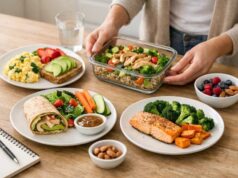
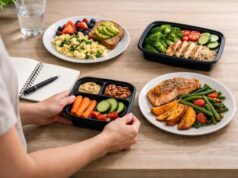
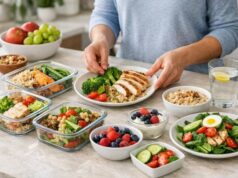
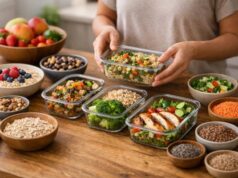
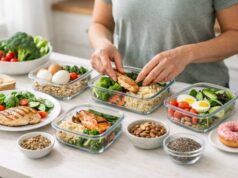
A 1,200-calorie meal plan can help some adults create a clear, structured calorie deficit, but it only works well when the meals are satisfying, protein-forward, and realistic enough to repeat. The goal is not to eat as little as possible. The goal is to make a smaller intake feel organized, nourishing, and sustainable for a full week.
Below, you will find a full 7-day plan with breakfasts, lunches, dinners, and snacks, plus a grocery list, prep strategy, and guidance on when 1,200 calories is too low. The menus are built around lean protein, high-fiber foods, produce, and simple staples so the plan feels doable on a normal schedule.
Table of Contents
- Who this plan fits
- How the week is structured
- 7-day 1,200-calorie meal plan
- Grocery list and prep guide
- How to adjust the plan
- Mistakes, results, and safety
Who this plan fits
A 1,200-calorie weight loss plan is not a magic number, and it is not automatically the “best” calorie target. It is simply a low-calorie template that may create a useful deficit for some adults with lower energy needs, especially if they are shorter, lighter, older, or relatively sedentary. For others, it is too aggressive.
That distinction matters. A plan that is technically low enough for weight loss but too hard to stick with usually leads to the same pattern: strong weekday compliance, weekend overeating, and frustration that feels like a lack of willpower when the real issue is that the target is too low.
This plan is often most practical when you want:
- a short, structured reset after periods of unplanned eating
- a one-week template to test meal timing, portions, and hunger management
- a simple routine with repeated staples instead of constant recipe decisions
It may be too low for many men, taller women, highly active adults, people doing frequent intense workouts, and anyone who is pregnant, breastfeeding, under 18, or recovering from restrictive eating. It also deserves extra caution if you take glucose-lowering medication, have a history of disordered eating, or have a medical condition that changes appetite, digestion, or energy needs.
If you are not sure whether 1,200 calories is appropriate, start by comparing it against your likely maintenance needs and normal intake rather than assuming lower is always better. A more personalized starting point often comes from understanding how many calories to eat for weight loss and estimating your maintenance calories first.
A good working rule is this: a calorie target should reduce intake enough to drive progress without making you cold, exhausted, preoccupied with food, or prone to nightly rebound eating. When those signs show up early, the smarter move is usually to raise calories slightly, not double down on restriction.
This article gives you a full week of meals at roughly 1,180 to 1,220 calories per day. Treat those numbers as estimates, because exact totals change with brands, cooking method, and portion size. Close enough is fine. Consistency matters more than pretending every meal is nutritionally exact.
How the week is structured
This 7-day plan is built around one simple idea: low calories work better when the food has enough protein, fiber, and volume to keep hunger from taking over.
Most days in this plan use:
- 3 meals and 1 to 2 snacks
- roughly 85 to 110 grams of protein
- produce at every meal
- starches in measured portions instead of eliminated entirely
- repeated ingredients so shopping and prep stay manageable
That balance matters more than chasing a perfect macro split. At 1,200 calories, every choice has to do more work. A breakfast that is all refined carbs may fit the calorie budget, but it usually makes the rest of the day harder. A lunch with no protein may look “light,” yet it often leads to stronger cravings later.
A better structure is:
- Start with protein. Greek yogurt, eggs, cottage cheese, chicken, tuna, tofu, shrimp, turkey, and lean beef all help keep meals anchored.
- Add fiber and bulk. Fruit, vegetables, beans, oats, and potatoes make a small calorie budget feel larger.
- Use fats strategically. Nuts, olive oil, avocado, nut butter, and cheese are satisfying, but portions need attention because calories add up quickly.
- Keep one convenience layer. Frozen vegetables, bagged salad, rotisserie chicken, pre-cooked grains, or canned beans make adherence much easier.
This is also why the plan does not rely on “diet foods” alone. You will not see endless rice cakes, plain salads, or tiny meals designed to look virtuous. Instead, the menus aim to make each eating occasion useful. Breakfast should keep you steady through late morning. Lunch should prevent afternoon grazing. Dinner should be satisfying enough that you are not raiding the pantry at 9 p.m.
If you want to make the structure even more effective, it helps to understand practical targets for protein at each meal and fiber per meal. Those two variables do a lot of the heavy lifting in low-calorie plans.
You will also notice that the week mixes warm meals, cold meals, and a few easy repeats. That is deliberate. The more a plan depends on cooking every single meal from scratch, the more likely it is to fail on a busy Wednesday. Convenience is not cheating. It is often the difference between a good plan on paper and a plan you can actually follow.
7-day 1,200-calorie meal plan
The menu below keeps calories tight while still including balanced meals and snacks. Water, black coffee, unsweetened tea, and other near-zero-calorie drinks can be used freely. Seasonings, mustard, vinegar, lemon juice, and nonstarchy vegetables are included in the estimates unless noted otherwise.
| Day | Estimated calories | Main focus | Why it works |
|---|---|---|---|
| Day 1 | About 1,185 | Greek yogurt, turkey, salmon | High protein with a simple sheet-pan dinner |
| Day 2 | About 1,195 | Eggs, chicken, turkey chili | Classic meals with strong fullness for the calories |
| Day 3 | About 1,180 | Overnight oats, tuna, tofu | Mixes convenience foods with a vegetarian dinner |
| Day 4 | About 1,200 | Smoothie, lentils, shrimp | Fast breakfast and a higher-volume dinner bowl |
| Day 5 | About 1,190 | Cottage cheese, chicken pasta salad, fajitas | Good variety without difficult prep |
| Day 6 | About 1,185 | Oats, chicken salad, turkey meatballs | Meal-prep friendly and easy to repeat |
| Day 7 | About 1,185 | Yogurt parfait, potato lunch, burger bowl | Feels flexible and less “diet-like” |
Day 1
- Breakfast: 3/4 cup nonfat Greek yogurt, 1/3 cup oats, 1/2 cup berries, and 1 tablespoon chia seeds.
Estimated calories: 285 - Lunch: Whole-grain wrap with 3 ounces sliced turkey breast, 2 tablespoons hummus, spinach, cucumber, and tomato. Serve with baby carrots.
Estimated calories: 300 - Snack: 1 medium apple and 1 light string cheese.
Estimated calories: 145 - Dinner: 4 ounces baked salmon, 150 grams roasted baby potatoes, and 2 cups broccoli with 1 teaspoon olive oil.
Estimated calories: 455
This is a strong first day because it feels generous without being complicated. The salmon dinner is especially useful when you want the evening meal to feel substantial.
Day 2
- Breakfast: 2 eggs scrambled with spinach and mushrooms, 1 slice whole-grain toast, and 1 clementine.
Estimated calories: 290 - Lunch: Chicken quinoa bowl with 3 ounces chicken breast, 1/2 cup cooked quinoa, chopped cucumber, tomatoes, greens, and light lemon vinaigrette.
Estimated calories: 355 - Snack: 3/4 cup low-fat cottage cheese with pineapple chunks.
Estimated calories: 170 - Dinner: 1 1/2 cups turkey chili with a side salad and 1 tablespoon plain Greek yogurt on top. Add 1 small square of dark chocolate after dinner if desired.
Estimated calories: 380
This day works well for colder weather or busy schedules because chili is easy to make ahead and portion precisely.
Day 3
- Breakfast: Overnight oats made with 1/2 cup oats, 1/2 scoop protein powder, 1/2 banana, unsweetened almond milk, and cinnamon.
Estimated calories: 315 - Lunch: Tuna pita with 1 can tuna packed in water, 1 tablespoon light mayo, celery, onion, lettuce, and half a whole-wheat pita. Serve with grapes.
Estimated calories: 320 - Snack: Sliced carrots and cucumber with 2 tablespoons tzatziki.
Estimated calories: 90 - Dinner: Tofu stir-fry with 5 ounces extra-firm tofu, mixed stir-fry vegetables, 1/2 cup cooked brown rice, extra cauliflower rice for volume, and a light soy-sesame sauce. Finish with 1 kiwi.
Estimated calories: 455
This day is helpful if you want one meatless dinner without losing structure. The cauliflower-rice trick keeps the plate full while preserving calories.
Day 4
- Breakfast: Smoothie with 1 scoop whey or plant protein, frozen berries, spinach, 1/2 banana, and unsweetened almond milk.
Estimated calories: 280 - Lunch: 1 cup lentil soup and a half turkey sandwich on whole-grain bread with mustard and lettuce.
Estimated calories: 330 - Snack: Grapes and 10 almonds.
Estimated calories: 160 - Dinner: Shrimp taco bowl with 4 ounces shrimp, cabbage slaw, 1/2 cup rice, 1/2 cup black beans, salsa, and a small portion of avocado.
Estimated calories: 430
This day gives you a faster breakfast and a dinner that feels restaurant-style without the calorie hit that usually comes with takeout bowls.
Day 5
- Breakfast: 3/4 cup low-fat cottage cheese, blueberries, 1 tablespoon walnuts, and 1 slice whole-grain toast.
Estimated calories: 300 - Lunch: High-protein pasta salad made with chickpea pasta, chopped vegetables, 2 ounces chicken breast, and light Italian dressing.
Estimated calories: 355 - Snack: 1 orange and a small portion of pistachios.
Estimated calories: 140 - Dinner: Chicken fajita skillet with 4 ounces chicken, peppers, onions, 2 corn tortillas, salsa, and 2 tablespoons plain Greek yogurt instead of sour cream.
Estimated calories: 395
This is one of the easiest days to repeat because every meal is portable, simple, and built from grocery-store basics.
Day 6
- Breakfast: Oatmeal cooked with water, topped with 1 tablespoon ground flax, served with 1 whole egg, 1 egg white, and strawberries on the side.
Estimated calories: 310 - Lunch: Mason jar salad with 3 ounces chicken breast, mixed greens, chopped vegetables, 1/3 cup chickpeas, and light vinaigrette.
Estimated calories: 325 - Snack: Shelled edamame.
Estimated calories: 100 - Dinner: Turkey meatballs with spaghetti squash, marinara, green beans, and a sprinkle of Parmesan. Add berries later if you want something sweet.
Estimated calories: 450
This day is especially useful for meal prep because the lunch and dinner components can both be made in advance.
Day 7
- Breakfast: Greek yogurt parfait with berries, 2 tablespoons granola, and 1 tablespoon chia seeds.
Estimated calories: 300 - Lunch: Stuffed baked potato with 1 medium potato, 1/2 cup cottage cheese, salsa, broccoli, and scallions.
Estimated calories: 325 - Snack: 3 cups air-popped popcorn and 1 light mini cheese round.
Estimated calories: 140 - Dinner: Burger bowl with 4 ounces lean ground turkey or lean beef, roasted potatoes, lettuce, tomatoes, onions, pickles, and a light burger-style sauce.
Estimated calories: 420
Day 7 is important because it proves a 1,200-calorie day does not have to look like “diet food.” Meals that feel familiar are easier to sustain than meals that feel punishing.
A few practical notes for the full week:
- Swap fruit within the same calorie range freely.
- Frozen vegetables are completely fine and often easier to portion.
- If a meal leaves you unsatisfied, check protein first before cutting carbs further.
- If dinner is your hardest time of day, save a slightly larger calorie share for dinner rather than forcing a perfectly even split.
Grocery list and prep guide
A good meal plan becomes much easier when the grocery list is short enough to follow and flexible enough to prevent waste. This week uses overlapping ingredients on purpose.
Protein staples
- Eggs
- Nonfat or low-fat Greek yogurt
- Low-fat cottage cheese
- Light string cheese or mini cheese rounds
- Chicken breast
- Turkey breast slices
- Lean ground turkey or lean beef
- Salmon fillets
- Shrimp
- Canned tuna
- Extra-firm tofu
- Edamame
- Protein powder, if desired
Produce
- Spinach or mixed greens
- Broccoli
- Bell peppers
- Onions
- Mushrooms
- Cucumber
- Tomatoes
- Cabbage slaw mix
- Carrots
- Green beans
- Spaghetti squash
- Potatoes or baby potatoes
- Berries
- Apples
- Bananas
- Grapes
- Oranges or clementines
- Kiwi
- Pineapple
Carbs and fiber-rich staples
- Oats
- Whole-grain bread
- Whole-grain wraps
- Corn tortillas
- Brown rice
- Quinoa
- Chickpea pasta
- Lentil soup
- Black beans
- Chickpeas
- Air-popped popcorn or popcorn kernels
Fats, condiments, and extras
- Chia seeds
- Ground flax
- Almonds, pistachios, or walnuts
- Hummus
- Olive oil
- Salsa
- Marinara
- Light vinaigrette
- Mustard
- Tzatziki
- Light mayo
- Seasonings, herbs, lemon juice, vinegar
If you want a broader foundation for future weeks, a beginner-friendly weight loss grocery list can help you build beyond this one plan.
Here is the most efficient prep approach:
- Cook two proteins in bulk. Chicken breast and turkey chili or turkey meatballs cover multiple meals.
- Wash and cut produce immediately. This is the difference between eating the vegetables and watching them die in the crisper.
- Cook one grain and one starch. Quinoa or rice plus roasted potatoes handles several lunches and dinners.
- Pre-portion snacks. Nuts, popcorn, cheese, and fruit are easy to overeat when eaten from the package.
- Make one sauce or shortcut item. A quick yogurt sauce, vinaigrette, or salsa-based topping makes repeated meals taste less repetitive.
- Keep at least one emergency meal ready. Frozen shrimp, canned soup, tuna, bagged salad, or rotisserie chicken can rescue the plan on the busiest day.
If you want to push efficiency even further, a simple weekend meal-prep routine pairs very well with this style of menu.
How to adjust the plan
A meal plan only works if it matches your real life. The smartest way to use a 1,200-calorie menu is not to follow it rigidly forever, but to use it as a base and adjust based on hunger, activity, recovery, and consistency.
If you are too hungry:
Do not immediately slash carbs harder. First, look for low-protein meals, tiny lunches, or underbuilt dinners. Most people do better by adding 100 to 200 calories from protein, fruit, potatoes, beans, or yogurt than by trying to “tough out” constant hunger.
If you exercise hard:
A 1,200-calorie plan is often not enough for frequent lifting, long cardio sessions, or very active jobs. In that case, the better move is usually to step up to a 1,400-calorie plan or even a 1,600-calorie plan rather than forcing workouts onto an intake that leaves you drained.
If you want more protein without raising calories much:
- swap regular yogurt for Greek yogurt
- use egg whites alongside whole eggs
- choose shrimp, tuna, chicken breast, turkey breast, or extra-lean ground turkey
- replace part of a grain portion with beans or edamame
- use cottage cheese or yogurt as a topping instead of sour cream
If you want a vegetarian version:**
You can replace chicken, turkey, and tuna with tofu, tempeh, edamame, Greek yogurt, cottage cheese, eggs, or higher-protein legumes. The main thing to watch is calorie density. Vegetarian swaps can still work well, but nuts, cheese, and granola can quietly drive calories up if they become the main protein sources.
If you eat out during the week:
Keep one principle in mind: preserve the structure. Aim for protein, vegetables, one measured starch, and one intentional extra. That matters more than finding a perfectly “clean” order.
The best meal plans are not the ones you follow perfectly. They are the ones that still make sense after a schedule change, social event, or tiring day.
Mistakes, results, and safety
Most 1,200-calorie plans fail for practical reasons, not because the idea of meal planning is flawed.
The most common mistakes are:
- Not counting calorie-dense extras. Oil, nut butter, creamy dressings, cheese, and handfuls of nuts can turn a 1,200-calorie plan into a much higher intake without looking dramatic.
- Eating too little early, then overeating late. A tiny breakfast and salad-only lunch often backfire at night.
- Using too many “healthy” foods that are still easy to overeat. Granola, trail mix, smoothies, avocado, hummus, and restaurant bowls are all good foods, but portions matter.
- Relying on willpower instead of structure. Keeping regular meals is often more effective than trying to “be good” spontaneously. That is why steady routines and consistent meal times help so many people.
- Forgetting food quality while focusing only on calories. Even in a deficit, it helps to limit the foods that make appetite control harder. A short list of foods that often derail a calorie deficit can be useful if you keep repeating the same slip-ups.
As for results, avoid judging the plan by one day of scale weight. In the first week, body weight can shift from water, sodium, carbohydrate intake, digestion, and menstrual-cycle changes. A tighter meal plan may show a quick drop at first, but not all of that is fat. What matters more is whether the plan helps you feel more in control, more consistent, and less reactive around food.
A better one-week checklist is:
- Did hunger feel manageable?
- Were energy and mood acceptable?
- Could you follow the plan on busy days?
- Did evening cravings improve?
- Could you imagine repeating the structure next week?
If the answer is mostly yes, the plan is doing its job. If the answer is no, that does not mean you failed. It usually means the target, the meal timing, or the food choices need adjusting.
Stop and get professional guidance if you develop dizziness, faintness, repeated binges, worsening obsession around food, or strong fatigue that makes normal daily function harder. A low-calorie plan should feel disciplined, not alarming.
References
- Obesity Management in Adults: A Review 2023 (Review)
- Behavioral Lifestyle Interventions for Weight Loss in Adults with Overweight or Obesity: A Systematic Review, Meta-Analysis and Meta-Regression 2024 (Systematic Review and Meta-Analysis)
- The role of dietary fibers in regulating appetite, an overview of mechanisms and weight consequences 2024 (Review)
- Aerobic Exercise and Weight Loss in Adults: A Systematic Review and Meta-Analysis of Randomized Clinical Trials 2024 (Systematic Review and Meta-Analysis)
- Dietary Guidelines for Americans, 2020-2025 2020 (Guideline)
Disclaimer
This meal plan is for general educational purposes only. A 1,200-calorie intake is not appropriate for everyone, and nutrition needs can change with age, body size, activity level, pregnancy, medications, and medical conditions. For personal advice, especially if you have diabetes, a history of disordered eating, or ongoing trouble losing weight, speak with a doctor or registered dietitian.
If this article helped you, please share it on Facebook, X, or any platform your friends and family use most.