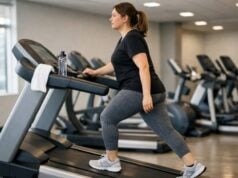
If your main goal is weight loss, morning walks are not clearly better than evening walks when pace, distance, and consistency are matched. The better option is usually the one you can repeat most often without skipping, rushing, or feeling miserable. That said, the timing can still matter because morning and evening walks affect routine, appetite, energy, stress, and sleep in different ways.
For some people, a morning walk is easier to protect from schedule chaos and helps set up healthier choices all day. For others, an evening walk feels physically better, fits work and family life more naturally, and helps reduce stress or post-dinner snacking. This guide compares both options honestly, explains where each one shines, and helps you choose the timing that is most likely to support real fat-loss progress.
Table of Contents
- The Short Answer and What Matters Most
- When Morning Walks Have an Edge
- When Evening Walks Have an Edge
- Which Is Better for Appetite, Sleep and Adherence?
- How to Choose the Best Time for You
- Best Walking Plans for Weight Loss
- Mistakes That Make Walks Less Effective
The Short Answer and What Matters Most
If you strip away the internet debate, the real answer is simple: the best walking time for weight loss is the time that helps you walk more often and more consistently.
Walking contributes to fat loss by increasing energy expenditure, improving fitness, and making it easier to stay active across the day. But the total effect depends much more on weekly volume than on whether the walk happened at 7 a.m. or 7 p.m. A person who walks 35 minutes five evenings per week will usually do better than someone who plans perfect morning walks and only manages two of them.
That is why timing should be treated as a practical tool, not a magic lever. A morning walk can be powerful if it locks in movement before work, childcare, commuting, or decision fatigue take over. An evening walk can be powerful if it gives you a reliable wind-down routine, reduces late snacking, and helps you hit a higher weekly step count.
What matters most for weight loss is usually this combination:
- consistent walking volume across the week
- a brisk enough pace to raise breathing at least somewhat
- eating habits that still allow a calorie deficit
- enough recovery and sleep to keep the habit going
- strength training or other activity somewhere else in the week
Walking is often underestimated because it looks easy. But easy is part of the point. A walk is easier to recover from than hard intervals, easier to repeat than all-out cardio, and easier to build into daily life than many formal workouts. That is why it remains one of the smartest tools for walking for weight loss, especially when the goal is not just to lose weight quickly, but to keep moving for months.
It also helps to remember that walking is only one part of the bigger weekly picture. The total amount of aerobic activity still matters, which is why broader guidance on how much cardio per week for weight loss can help you decide whether your walks are enough on their own or should be paired with other sessions.
| Factor | Morning walk | Evening walk |
|---|---|---|
| Routine protection | Often better before the day gets busy | Can be disrupted by work, family, or social plans |
| Energy and stiffness | Some people feel stiff or slow at first | Many people feel looser and more physically ready |
| Stress relief | Can create a calmer start | Often works well as a decompression habit |
| Sleep impact | Usually no downside | Often fine for walking, but timing matters for sensitive sleepers |
| Weight loss advantage | No clear universal winner | No clear universal winner |
If one walking time helps you stay more active across the whole week, that is the one with the real fat-loss advantage.
When Morning Walks Have an Edge
Morning walks can be excellent for weight loss, but not because they magically “burn more fat” in all situations. Their biggest advantage is behavioral: they often make the habit easier to protect.
Once a walk happens early, it cannot be canceled by overtime, errands, late meetings, tiredness, or evening social plans. For busy people, that matters more than small theoretical differences in metabolism. Morning walking turns exercise into something that is already done rather than something you still need to negotiate later.
Morning walks may also support healthier choices across the day. Many people notice that when they start the day with movement, they feel more “on track” and are less likely to slide into an all-or-nothing mindset. The walk becomes a cue for other good decisions, which is why it fits naturally with a broader morning routine for weight loss.
Another useful advantage is light exposure. If the walk happens outdoors, morning daylight can help reinforce a more regular body clock. That is not a direct fat-loss mechanism by itself, but it may support better daily rhythm, better alertness earlier in the day, and, for some people, better sleep timing later. Those effects make morning walks especially appealing for people whose schedule has become irregular or whose energy is dragging. This is one reason morning sunlight and appetite control has become a growing point of interest.
Morning walks may feel especially useful for people who:
- want a simple habit before work
- tend to skip planned evening exercise
- like quiet, low-distraction movement
- feel mentally sharper after getting outside early
- want to start the day with momentum rather than urgency
That said, morning walks are not ideal for everyone. Some people are stiff when they wake up, dislike cold temperatures, or simply cannot think clearly enough to get out the door. Others end up cutting the walk short because they overslept or keep pressing snooze. In that case, the “best” timing loses its advantage fast.
Morning walks may be a particularly good fit if you can do them without turning them into a stressful production. That usually means:
- laying out clothes the night before
- keeping the route simple
- starting with shorter sessions
- not waiting to feel fully motivated
A 20-minute morning walk you do five times a week is more useful than a 45-minute sunrise plan that only happens when life is unusually calm. Morning walking works best when it is boring enough to become automatic.
When Evening Walks Have an Edge
Evening walks can work just as well for weight loss, and for some people they work better. The biggest reason is simple: many people feel physically better later in the day.
By evening, your joints may feel looser, your body temperature is higher, and your movement often feels smoother than it does first thing in the morning. That can make the walk feel easier, faster, or more enjoyable, especially for people who hate waking up early or feel stiff after sleep.
Evening walks also pair naturally with daily stress relief. A lot of overeating happens not because people are truly hungry, but because the workday ends and their brain wants a reward, a distraction, or a transition. A short walk can interrupt that pattern. It gives your mind a buffer between work mode and home mode, which is why it fits well with walking for stress relief and appetite control.
Another practical advantage is meal timing. Many people find that a walk after dinner is easier to fit than a separate formal workout. It turns “doing cardio” into “going out for 10 to 20 minutes after we eat,” which is often a more durable routine. That makes evening walking especially helpful for people who struggle with long sedentary stretches at night or who tend to drift into snacking after the evening meal. For that reason, a lot of people get excellent results from 10-minute walks after meals without ever treating them like a hardcore training plan.
Evening walks may have an edge for people who:
- feel sluggish or rushed in the morning
- want movement after sitting most of the day
- use walking to reduce end-of-day stress
- struggle most with nighttime snacking or restlessness
- like walking with a partner, family member, or dog after work
There is one caveat: timing and intensity matter if sleep is fragile. For most people, an easy or moderate evening walk is not too stimulating. In fact, it may help them unwind. But if you turn the walk into a hard power walk right before bed, or you combine it with bright lights, screens, and a very late schedule, it may not feel as calming.
This is why evening walks are often best when they happen early enough to feel like a transition rather than a last-minute chore. A gentle 20- to 40-minute walk after dinner is very different from forcing yourself outside at 10:30 p.m. because you missed your step goal.
Evening walking works best when it feels like release, not punishment. If it helps you end the day with less stress and fewer unplanned snacks, it can be one of the most effective fat-loss habits in your week.
Which Is Better for Appetite, Sleep and Adherence?
This is where the morning-versus-evening debate becomes more interesting, because weight loss is not just about calories burned during the walk. Appetite, sleep, and adherence can matter just as much.
Appetite
There is no universal rule that morning walks suppress appetite better or that evening walks automatically prevent overeating. The effect is personal. Some people find a morning walk reduces sluggish hunger and helps them make calmer breakfast choices. Others finish a morning walk noticeably hungrier and eat more unless they plan for it.
Evening walks can help in a different way. They often reduce stress, break up the “workday is over, now I deserve food” pattern, and reduce boredom snacking. That can be especially valuable if your hardest eating window is late afternoon or evening. If that pattern sounds familiar, a walk can be more useful than willpower alone.
Sleep
Morning walks tend to be the safer bet if sleep is unpredictable. Early movement and daylight can help anchor daily rhythm, which may support a more regular sleep schedule. Evening walks can still work well, especially if they are easy or moderate and not too close to bedtime. But people who are very sensitive to late stimulation may do better keeping the walk earlier in the evening and protecting sleep consistency for weight loss instead of pushing activity later and later.
Adherence
This is often the deciding factor. Morning walks win when they happen before life has a chance to interfere. Evening walks win when mornings are chaotic, rushed, or unrealistic. Neither is better in theory if it keeps getting skipped in practice.
The truth is that the “best” walking time often depends on your most fragile behavior. Ask yourself:
- When am I most likely to cancel?
- When am I least likely to feel rushed?
- When do I need the stress relief most?
- When does walking make healthy eating easier instead of harder?
There is also a compensation issue to watch. Some people do a long walk and then unconsciously eat more or move less later. That can happen with either timing, which is one reason it helps to understand why exercise can increase hunger and slow weight loss for some people.
If you want the most honest answer, it is this: the better walking time is the one that improves your appetite control, protects your sleep, and is easiest to repeat four to seven times per week. That answer sounds less exciting than “morning burns more fat,” but it is much more useful in real life.
How to Choose the Best Time for You
Choosing between morning and evening walks is easier when you stop asking which is “best” for everyone and start asking which creates the best weekly pattern for you.
A simple way to decide is to match the walking time to your biggest obstacle.
If your problem is schedule chaos, morning often wins. Once the walk is done, it cannot be pushed aside by meetings, errands, tiredness, or social plans.
If your problem is end-of-day stress or snacking, evening often wins. A walk gives you a transition, reduces mental friction, and can replace the automatic move from couch to pantry.
If your problem is inconsistency on busy days, you may not need a perfect morning or evening routine. You may need a more flexible system built around shorter walking blocks, which is where step habits for busy days become more useful than debating clock time.
If your problem is too much sitting at work, the answer may be partly both. A short morning walk plus more movement breaks and a short evening walk can work better than one longer session. People with desk jobs often do best when the habit is spread throughout the day, which fits well with an office and desk job movement plan rather than one all-or-nothing exercise slot.
Here is a practical decision guide:
| Your main issue | More likely better choice | Why |
|---|---|---|
| You keep skipping workouts after work | Morning | Gets the walk done before daily friction builds |
| You wake up rushed and hate early exercise | Evening | Lower resistance usually improves adherence |
| You snack heavily after dinner | Evening | Walk interrupts the usual eating cue |
| You want more daylight and a better start | Morning | Supports routine and gets movement in early |
| You sit all day and feel mentally fried | Evening | Works well as decompression and movement recovery |
You can also test both options instead of guessing. Try morning walks for 10 to 14 days. Then try evening walks for 10 to 14 days. Track:
- number of walks completed
- average walk length
- step count
- hunger after the walk
- snacking later
- sleep quality
- how hard it felt to get started
The better walking time is usually the one that produces more completed walks with less friction, not the one that sounds more disciplined in your head.
Best Walking Plans for Weight Loss
You do not need a complicated plan for morning or evening walking to support weight loss. You need enough frequency, enough briskness, and enough structure that the habit keeps happening.
A practical target for many people is 150 to 300 minutes of walking or other cardio per week, depending on pace, fitness, and what else is in the program. For walking specifically, that often means 20 to 45 minutes on most days.
Simple morning walking plan
- Monday: 25-minute brisk walk
- Tuesday: 20-minute walk
- Wednesday: 30-minute brisk walk
- Thursday: 20-minute easy walk
- Friday: 25-minute brisk walk
- Saturday: 40-minute longer walk
- Sunday: Rest or easy steps
This works well if your main goal is consistency and getting movement done early.
Simple evening walking plan
- Monday: 15-minute walk after dinner
- Tuesday: 30-minute brisk walk after work
- Wednesday: 15-minute walk after dinner
- Thursday: 30-minute brisk walk
- Friday: 20-minute easy walk
- Saturday: 40-minute outdoor walk
- Sunday: Rest or easy movement
This version works well if you use walking to reduce stress and control evening eating.
Hybrid plan for busy people
- Morning: 10 to 15 minutes on 3 weekdays
- Evening: 10 to 20 minutes after dinner on 3 to 4 days
- Weekend: one longer 40- to 60-minute walk
A hybrid plan is often the smartest choice when life is unpredictable. It lets you get some movement early, some later, and a stronger total without asking one time slot to carry the whole week.
A few practical rules help both versions work better:
- Walk at a pace that feels purposeful at least part of the time.
- Keep one or two easy walks for recovery or stress relief.
- Increase time before trying to make every walk harder.
- Use flat routes when building the habit, then add hills or pace later.
- Pair walking with strength training elsewhere in the week if possible.
Morning or evening, the walks do not need to be heroic. They need to add up. A set of repeatable 20- to 35-minute walks done most weeks will usually beat occasional power sessions that leave you sore and inconsistent.
Mistakes That Make Walks Less Effective
Walking is simple, but a few common mistakes make it less effective for weight loss than it could be.
Picking the “ideal” time instead of the realistic time
Many people choose morning because it sounds disciplined or choose evening because it sounds more comfortable, but then they ignore the reality of their schedule. If the chosen time keeps getting skipped, it is not the right choice.
Keeping every walk too easy
Not every walk has to be brisk, but if your breathing never changes and the pace never becomes purposeful, progress may be slower than needed. Most people benefit from at least some walks that feel like real exercise rather than casual wandering.
Using walks to justify extra eating
Walking burns calories, but not enough to offset large portions, reward snacks, or daily “I earned this” eating. That is why walking works best when paired with a realistic calorie deficit, not as a way to outwalk overeating.
Ignoring total activity
A morning or evening walk is helpful, but it is only one piece of your movement picture. If you walk 30 minutes and then sit the rest of the day, you miss a lot of the background activity that supports fat loss.
Expecting the scale to move immediately
Walking improves fitness, mood, and daily energy before the scale always shows it. Some weeks the biggest win is better adherence, fewer snack attacks, or a higher step average. Those changes matter because they usually come before visible fat loss.
Turning walks into another stressful obligation
This is easy to do with step goals, pace pressure, and perfectionism. If the walk becomes one more thing you fail at by 9 p.m., it loses much of its value. The best walking habit should make your day more manageable, not less.
The most useful conclusion is not that morning or evening walks have a universal winner. It is that both work well for weight loss when they help you walk more, recover well, and keep the rest of your routine aligned with the goal. Morning walks often win on structure. Evening walks often win on stress relief and practicality. The best choice is the one that becomes your normal.
References
- WHO guidelines on physical activity and sedentary behaviour 2020 (Guideline)
- Physical activity and exercise for weight loss and maintenance in people living with obesity 2023 (Review)
- Aerobic Exercise and Weight Loss in Adults: A Systematic Review and Dose-Response Meta-Analysis 2024 (Systematic Review)
- Effects of exercise timing on metabolic health 2023 (Review)
- Effect of timed exercise interventions on patient-reported outcome measures: A systematic review 2025 (Systematic Review)
Disclaimer
This article is for general educational purposes only and is not a substitute for medical advice, diagnosis, or treatment. If you have heart, lung, joint, balance, or metabolic conditions, are pregnant, or are unsure how much walking is appropriate for you, speak with a qualified clinician before starting or increasing exercise.
If this article helped you, please share it on Facebook, X, or your preferred platform so more people can find a walking routine that actually fits their life.