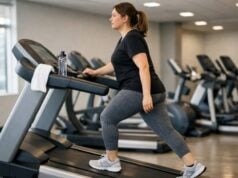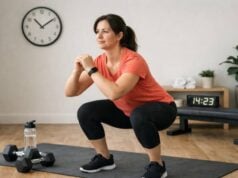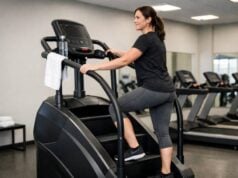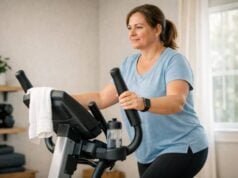
Exercise snacking sounds almost too simple to matter: a few minutes of movement here, another short burst there, repeated across the day. For weight loss, that approach can help, but not because tiny workouts magically melt fat. It works when those short bouts raise your total activity, reduce long stretches of sitting, make exercise feel less overwhelming, and help you stay consistent enough to support a calorie deficit over time.
That makes exercise snacking especially appealing for people who struggle with long formal workouts, sit for most of the day, or keep waiting for the “perfect” time to exercise. The bigger question is not whether a two-minute movement break counts. It is how to use those breaks in a way that adds up to real results. That is where this article matters.
Table of Contents
- What exercise snacking actually means
- Can short bouts really help fat loss?
- Why it works in real life
- Best exercise snacks for weight loss
- How much exercise snacking is enough?
- A sample day and week of exercise snacks
- Limits and common mistakes
- How to use exercise snacking well
What exercise snacking actually means
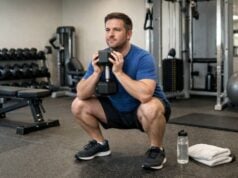
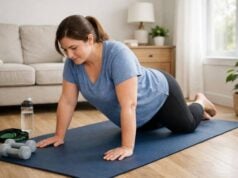
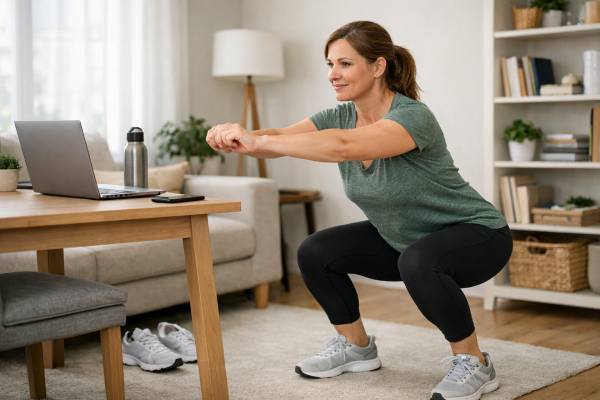
Exercise snacking usually means doing very short bouts of movement throughout the day instead of relying only on one longer workout. In practice, that can mean one to ten minutes of brisk walking, stairs, bodyweight squats, desk push-ups, marching in place, cycling, or a short mobility circuit. Some versions are light and easy. Others are intentionally hard and breathy. The core idea is the same: small movement “snacks” spread across the day rather than one large “meal” of exercise.
That distinction matters because the term gets used loosely online. Some people use it to describe mini cardio intervals. Others mean any break from sitting. Others use it for structured micro-workouts that happen at set times every day. All of those approaches overlap, but they are not identical.
For weight loss, the most useful working definition is simple: exercise snacking is any intentional short bout of physical activity that helps increase your total daily movement and break up sedentary time.
That can look like:
- a 3-minute stair walk before a meeting
- 20 bodyweight squats every hour
- a brisk 5-minute walk after lunch
- 2 minutes of step-ups while dinner cooks
- a short bodyweight circuit during work breaks
This is one reason the idea appeals to busy people. You do not need gym clothes, a full training block, or a perfect energy window. You just need openings in the day that you can use more deliberately.
It is also helpful to separate exercise snacking from formal training. A 30-minute strength workout is not usually an exercise snack. A 4-minute circuit between calls is. That said, the two can work together. Short bouts can complement, not replace, longer workouts.
Another important point: exercise snacking is not automatically intense. Some of the best versions are simply brisk and consistent. That makes them easier to recover from and easier to repeat. For people who sit a lot, the biggest win may be reducing inactive time and raising everyday calorie burn, which is closely connected to NEAT and daily movement outside formal workouts.
So when people ask whether exercise snacking “counts,” the answer is yes. The better question is whether it adds up. If those short bouts meaningfully increase movement across your week, they count a great deal.
Can short bouts really help fat loss?
Yes, short bouts of movement can help with fat loss, but not because they bypass the usual rules of energy balance. They help when they increase your total activity enough to support a sustainable calorie deficit, improve adherence, and make you less sedentary overall.
That is the part people often miss. Exercise snacking is not a special loophole. It is a practical strategy.
Research on exercise snacks and accumulated short bouts suggests a few consistent themes. First, short bouts can improve cardiorespiratory fitness and some cardiometabolic markers, especially in people who are inactive to begin with. Second, they appear feasible and safe for many adults. Third, the evidence for direct changes in body weight or body fat is more modest and mixed than social media often suggests.
That does not make the method disappointing. It just means the most realistic benefit is not “five two-minute walks will torch fat.” The more accurate message is that repeated short bouts can help you move enough, often enough, to make fat loss more likely over time.
For example, imagine two people with the same desk job:
- One sits almost all day and does one short gym session twice a week.
- The other still does structured workouts but also adds 3 to 5 movement breaks each workday.
The second person may not only burn more energy during those breaks. They may also feel less stiff, less mentally drained, and more likely to stay active the rest of the day. That matters.
There is also a behavioral advantage. A lot of people fail at weight loss because they rely on a plan that is too all-or-nothing. If they miss the workout, they feel the whole day is off track. Exercise snacking weakens that pattern. When movement can happen in short bursts, the barrier to getting started drops.
Still, short bouts are not always enough by themselves. If your diet consistently wipes out the energy you expend, or if the movement is so light that it barely changes your day, fat loss may be minimal. That is why exercise snacking works best when it supports a broader calorie deficit rather than trying to replace it.
The short answer in practical terms is this:
- short bouts can help fat loss
- they are often better than doing nothing
- they are especially useful for sedentary people
- they work best when they add up to meaningful weekly movement
- they are a support strategy, not a miracle method
Used that way, exercise snacking is not a gimmick. It is a smart way to make physical activity more realistic.
Why it works in real life
One reason exercise snacking gets traction is that it fits real schedules better than idealized workout plans. Many people do not struggle because they hate movement. They struggle because their day is full, their energy is uneven, and a 45-minute workout often feels like a task that requires too much setup.
Short bouts solve part of that problem.
They reduce friction. If all you need is two minutes and a hallway, stairs, or patch of floor space, the barrier to action becomes much smaller. That makes movement easier to repeat, and repeatability is what gives any fat-loss strategy real value.
Short bouts can also work psychologically. A lot of people resist exercise because they picture sweat, showering, changing clothes, travel time, and a complete disruption to the day. Exercise snacking changes the mental frame. Instead of asking, “Do I have time to work out?” the question becomes, “Can I move for three minutes right now?” That is far easier to say yes to.
There is another advantage: short bouts can improve the rhythm of the day. Long periods of sitting tend to make people feel sluggish, tight, and mentally flat. A brief movement break often boosts alertness enough that it becomes self-reinforcing. You move, you feel better, and you are more willing to do it again.
This is why exercise snacking is especially useful for:
- desk workers
- people new to exercise
- parents with fragmented schedules
- anyone who gets discouraged by missed workouts
- people trying to build a more active identity without overhauling life overnight
That does not mean longer workouts are unnecessary. A structured strength plan or longer cardio session still offers benefits that random movement breaks may not fully match. But exercise snacking often fills the gap between formal exercise sessions, and for many people that gap is where results are won or lost.
It also pairs naturally with habits already tied to the day. You can attach movement to coffee breaks, meetings, bathroom trips, cooking time, or the end of a work block. That makes it similar to the logic behind simple weight-loss habits for busy people: lower the barrier and make the action automatic.
The key insight is that exercise snacking works in real life not because it is physiologically magical, but because it is behaviorally realistic. That matters more than most people think.
Best exercise snacks for weight loss
The best exercise snacks are not necessarily the hardest ones. They are the ones you can perform safely, repeat often, and recover from without wrecking the rest of your day. For most people, that means choosing simple movements that raise heart rate, use a decent amount of muscle, or get you out of the chair and walking.
| Exercise snack | Typical duration | Best use | Why it works |
|---|---|---|---|
| Brisk walk | 3 to 10 minutes | After meals, between work blocks | Easy, joint-friendly, and simple to repeat |
| Stair climbing | 1 to 5 minutes | Quick intensity boost | Raises heart rate fast with no setup |
| Bodyweight circuit | 3 to 8 minutes | Home or office breaks | Combines strength and conditioning |
| Marching or fast step-ups | 2 to 5 minutes | Indoor movement when space is limited | Accessible and easy to scale |
| Mini mobility and squat break | 2 to 4 minutes | Long sitting days | Improves movement quality and breaks up stiffness |
| Bike or walking pad burst | 5 to 10 minutes | Home or desk setup | Convenient for repeated daily use |
A good exercise snack usually falls into one of three buckets.
Walking-based snacks are often the most sustainable. A short brisk walk after meals or between tasks is easy to recover from and easy to repeat. That is one reason routines like 10-minute walks after meals have become so popular. They are simple, practical, and surprisingly effective for increasing movement.
Strength-style snacks can also work well. Think squats, lunges, incline push-ups, step-ups, or glute bridges. These are useful if you want your short bouts to feel more like mini training sessions instead of just movement breaks.
Cardio-style snacks such as stair intervals, fast marching, or short cycling bursts are best when you want a more noticeable heart-rate response.
The smart move is not choosing only one kind. It is matching the snack to the moment. After lunch, a brisk walk may be perfect. During a mid-afternoon slump, a stair climb may be better. If you are home waiting for dinner, a 4-minute bodyweight circuit might fit.
If you need more structure, these ideas also connect well to a broader desk job movement plan and a sustainable approach to walking for weight loss.
The best exercise snack is the one that is short enough to start, useful enough to matter, and easy enough to repeat tomorrow.
How much exercise snacking is enough?
This is where people usually want a clean answer, but real life is messier than a single number. Exercise snacking matters when it adds enough weekly movement to change your baseline, not when it hits a trendy target once in a while.
For many adults, a good starting point is 2 to 5 exercise snacks per day, each lasting about 2 to 10 minutes. That could mean as little as 10 extra minutes of movement on a busy day or 30 minutes spread across a full workday. Both can matter, especially if you are starting from a mostly sedentary baseline.
A few practical rules help:
- Aim for frequency before intensity.
- Make the bouts short enough that you rarely skip them.
- Build total weekly movement, not just one heroic day.
- Treat snacks as additions to your routine, not compensation for overeating.
This last point matters. One common mistake is assuming that a few mini workouts will erase a high-calorie diet or a very inactive lifestyle. They will not. But repeated movement can nudge daily energy expenditure upward in a way that is much easier to sustain than relying only on long formal workouts.
For example, someone who adds:
- a 5-minute walk after lunch,
- 3 minutes of stairs in the afternoon,
- and 5 minutes of bodyweight work in the evening
has turned an otherwise sedentary day into one with 13 extra minutes of deliberate activity. Over a week, that is real movement. Over months, it becomes meaningful.
That is also why exercise snacking is better judged by patterns than by single sessions. One 4-minute break is not a fat-loss program. Fifty of them across two weeks can be part of one.
The most realistic target is not “How many minutes makes me lose fat?” It is “How much short movement can I repeat almost every day?” Once that answer becomes consistent, you can expand it.
If you are already doing longer workouts, exercise snacks may function as a bonus rather than the main event. If you are just starting, they may be your gateway into a larger plan. Either way, the total still needs to support your broader needs for health and weight loss, which is why it helps to understand how short workouts work for weight loss and how much exercise you actually need to lose weight.
Enough is whatever amount you can sustain long enough to raise your weekly activity in a meaningful way. For most people, consistency beats ambition.
A sample day and week of exercise snacks
One reason people fail with exercise snacking is that they keep it too vague. They like the idea but never decide when the movement will happen. A better approach is to anchor short bouts to moments that already exist.
Here is a realistic workday example:
- Morning: 3 minutes of marching, squats, and arm circles before sitting down to work
- Mid-morning: 2 to 3 flights of stairs or a brisk hallway walk
- After lunch: 5 to 10 minutes of brisk walking
- Mid-afternoon: 3-minute bodyweight circuit with squats, incline push-ups, and step-ups
- Evening: 5-minute walk, mobility flow, or light cycling burst
That gives you several movement exposures without requiring a full dedicated workout window.
A weekly structure can stay just as simple:
- Monday to Friday: 3 to 5 exercise snacks per day
- 2 to 3 days per week: add one longer workout if possible
- Weekend: keep a lighter version going with walks, chores, hiking, or short circuits
This matters because exercise snacking is most powerful when it plugs the gaps between formal exercise sessions. If you already lift or do cardio a few times per week, short bouts can keep the rest of the day from becoming totally inactive. If you do not yet have formal training in place, exercise snacks can serve as your bridge into a more structured routine.
A few sample snack ideas to rotate through the week:
- 5-minute brisk walk
- 3 rounds of 10 squats, 8 incline push-ups, and 20 marching steps
- 2-minute stair burst
- 5-minute easy mobility flow
- 4 minutes of alternating reverse lunges and step-ups
This approach is also easier on motivation than relying only on intense sessions. You are not trying to summon peak energy every day. You are trying to make movement normal.
That is why the method works especially well as part of a bigger routine instead of a stand-alone challenge. It can sit next to a normal program, help you accumulate more movement on busy days, and keep progress from collapsing when life gets chaotic. If your schedule is inconsistent, it may also support the kind of flexibility described in a beginner home workout plan.
The more automatic the placement becomes, the less discipline it takes. That is where exercise snacking becomes useful instead of just interesting.
Limits and common mistakes
Exercise snacking can help with weight loss, but it has limits. The biggest mistake is treating short bouts as a total substitute for everything else. They can support a fat-loss plan. They usually do not replace the value of regular strength training, longer cardio, solid nutrition, and a decent sleep routine.
Another mistake is overestimating how much a few minutes of movement can offset. A quick stair climb is worthwhile. It is not a free pass for mindless eating, large weekend splurges, or assuming your overall activity is high when the rest of the day is still mostly sitting.
There is also a tendency to make exercise snacks too intense too quickly. People see the phrase and imagine all-out burpees every hour. That usually backfires. If the snacks are so draining that you dread them, skip them, or reduce your movement later in the day, the strategy becomes less useful. This is part of the broader problem of exercise compensation, where hard sessions can unintentionally reduce activity elsewhere.
Common mistakes include:
- choosing snacks that are too hard to repeat
- keeping them so easy they barely change the day
- failing to attach them to specific cues
- assuming they replace a calorie deficit
- using them as punishment after eating
- ignoring joint pain or fatigue
Another limit is measurement. People often expect fast scale changes from a strategy that may first show up as better energy, improved fitness, lower stiffness, or a stronger daily routine. That is real progress, but it may not look dramatic right away on the scale. For that reason, it helps to think beyond body weight alone and pay attention to energy, movement consistency, waist fit, and work capacity. That broader lens is similar to the logic behind body recomposition versus scale loss.
Safety matters too. Short bouts should still match your current fitness level. If you have joint pain, balance issues, heart symptoms, or a medical reason to be cautious with exertion, the safest version may be gentle walking and low-impact movement, not explosive intervals.
Exercise snacking works best when it stays realistic. If you turn it into a perfection game, it loses its biggest advantage.
How to use exercise snacking well
The most effective way to use exercise snacking for weight loss is to treat it as a layer, not a miracle. It is a way to build a more active day, reduce sedentary drift, and make movement easier to sustain when life is busy. That is valuable. It is just not the whole plan.
A strong setup usually looks like this:
- keep short bouts frequent and manageable
- combine them with at least some formal exercise when possible
- protect the basics of diet, sleep, and recovery
- choose movements that fit your day instead of idealized workouts
- track consistency before chasing complexity
If you are starting from almost no activity, exercise snacking may be enough to create an important shift. If you already work out regularly, it can fill in the dead zones of the day and boost total movement without demanding another full session.
It also helps to decide what role exercise snacking plays for you. It can be:
- a gateway into exercise if you feel overwhelmed
- a fallback option on busy days
- an add-on to improve total energy expenditure
- a way to break up long sitting periods
- a consistency tool when motivation is low
That clarity matters because people often expect one method to do everything. Short bouts are best when used for what they do well: lowering the barrier to movement and helping activity accumulate.
There is also value in keeping expectations honest. Exercise snacks can help you lose fat, but they tend to work quietly. They make your day more active. They reduce the “I sat all day” pattern. They make movement easier to repeat. They help keep you engaged with the process. Those wins may look small, but over months they can matter a lot.
The bigger picture is this: the people who get the most out of exercise snacking are usually not the ones chasing dramatic micro-workouts. They are the ones who make short movement normal enough that it stops feeling like a separate task.
That is why exercise snacking can be a smart strategy for fat loss. Not because the bouts are tiny, but because the habit can become big.
References
- WHO guidelines on physical activity and sedentary behaviour 2020 (Guideline)
- Exercise Snacks and Other Forms of Intermittent Physical Activity for Improving Health in Adults and Older Adults: A Scoping Review of Epidemiological, Experimental and Qualitative Studies 2024 (Scoping Review)
- Effects of Exercise Snacks on Cardiometabolic Health and Body Composition in Adults: A Systematic Review and Meta-Analysis 2025 (Systematic Review and Meta-Analysis)
- Effect of exercise snacks on fitness and cardiometabolic health in physically inactive individuals: systematic review and meta-analysis 2026 (Systematic Review and Meta-Analysis)
- Effects of Accumulated Short Bouts of Exercise on Weight and Obesity Indices in Adults: A Meta-Analysis 2020 (Meta-Analysis)
Disclaimer
This article is for general educational purposes only and is not a substitute for medical advice, diagnosis, or treatment. If you have heart symptoms, dizziness, joint pain, balance problems, a recent injury, or any medical condition that affects exercise tolerance, get personalized guidance before starting an exercise snacking routine.
If this article helped, please share it on Facebook, X, or any other platform you prefer so more people can find it.