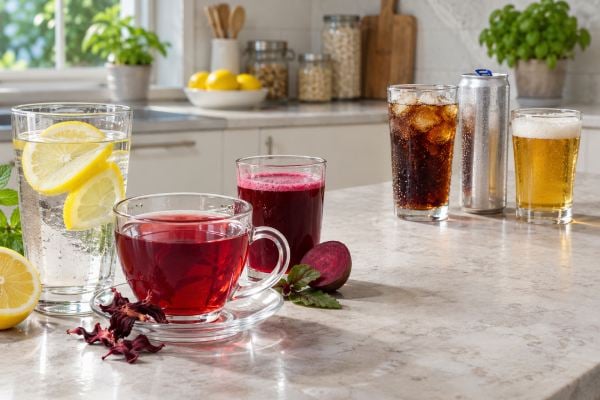
The best drinks for blood pressure are water and unsweetened beverages that do not add large amounts of sugar, alcohol, sodium, or stimulants. Water should be the default. Unsweetened tea and coffee can fit for many people, while beetroot juice and hibiscus tea have evidence for modest blood-pressure reductions in some adults. What you avoid may matter just as much: sugary drinks, energy drinks, frequent alcohol, and high-sodium electrolyte beverages can work against blood-pressure control. No drink is a substitute for medication, a lower-sodium diet, exercise, sleep, or weight management when those are needed. Response also varies. Caffeine can raise blood pressure temporarily, especially in people who are not habitual users, while people with kidney disease, heart failure, diabetes, or medication-related fluid restrictions may need individualized advice about both volume and ingredients. The most useful approach is to choose drinks that support the rest of your blood-pressure plan rather than searching for a single beverage that “flushes out” hypertension.
Table of Contents
- Best Everyday Drinks for Blood Pressure
- Beetroot and Hibiscus Drinks
- Coffee, Tea, and Caffeine
- Drinks That Can Raise Blood Pressure
- Electrolyte Drinks and Sodium
- How Much to Drink
- A Simple Drink Plan for the Day
Best Everyday Drinks for Blood Pressure
For most people, the best beverage strategy is not exotic: make water the main drink and use unsweetened coffee, tea, or milk-type beverages according to your preferences and medical needs.
Water
Water does not act like a blood-pressure drug, but it is the best default because it hydrates without sugar, sodium, caffeine, or alcohol. Replacing soda, sweet tea, or alcohol with water can indirectly improve blood pressure by reducing calorie intake, added sugar, and alcohol exposure.
Plain sparkling water also works if it contains little or no sodium. Check the label because some mineral waters can contain meaningful sodium. Flavor water with citrus, cucumber, mint, or berries if plain water feels boring.
Do not force excessive water intake. More is not always better, and people with heart failure, advanced kidney disease, low blood sodium, or a prescribed fluid restriction should follow individualized guidance.
Unsweetened tea
Black, green, and herbal teas can replace sugary drinks with very few calories. Green tea has been studied in randomized trials and meta-analyses, with recent evidence suggesting small average reductions in systolic and diastolic blood pressure. The effect is modest, so tea should be viewed as a supportive habit rather than treatment on its own.
If you are caffeine-sensitive, choose decaffeinated green or black tea or use herbal tea. Bottled teas often contain added sugar, so the word “tea” on the label does not automatically make the drink blood-pressure-friendly.
Milk and unsweetened fortified alternatives
Low-fat milk provides calcium, potassium, and protein and can fit a DASH-style eating pattern. Unsweetened fortified soy milk is a useful non-dairy option. Compare plant milks because some are low in protein and others contain added sugar or sodium.
A glass of milk is food as well as fluid, so count its calories as part of the meal rather than drinking large amounts for hydration.
What about coconut water and vegetable juice?
Coconut water is often marketed for blood pressure because it contains potassium. It can fit, but it is not necessary and should not replace ordinary water. Potassium from food is useful for many people with hypertension, yet coconut water can also provide natural sugar and a surprisingly large potassium load depending on the brand and serving size. That makes it a poor choice for some people with kidney disease or for anyone who has been told to restrict potassium. If you like it, treat it as a food-containing beverage and compare labels rather than assuming every bottle is equivalent.
Vegetable juice can provide potassium and plant nutrients, but sodium varies widely. Traditional tomato or mixed vegetable juice may contain several hundred milligrams of sodium in a single serving, while low-sodium versions can contain much less. Choose the lower-sodium option and keep the serving moderate. Eating whole vegetables is still preferable for fiber and fullness.
The same principle applies to trendy “wellness” drinks. A beverage with beets, greens, or fruit can sound heart-healthy while containing concentrated juice, added sugar, or sodium. Look past the ingredient claims and check the nutrition panel. For everyday hydration, the simplest beverage is usually the best one. If a specialty drink is expensive, strongly flavored, or difficult to use consistently, you are unlikely to gain more from it than from a repeatable pattern built around water and unsweetened drinks daily. Use specialty drinks only when they solve a real problem—such as adding a researched beetroot dose, replacing a sugary drink, or meeting a clinician-directed nutrition need.
Beetroot and Hibiscus Drinks
Two beverages receive special attention because clinical trials suggest they can lower blood pressure in some people: nitrate-rich beetroot juice and hibiscus tea.
Beetroot juice
Beetroot contains inorganic nitrate. Oral bacteria and the body convert nitrate through a pathway that increases nitric oxide, which can help blood vessels relax. A 2024 systematic review and meta-analysis of randomized trials in adults with hypertension found that beetroot juice reduced clinic systolic blood pressure by about 5 mmHg on average, although evidence certainty was low and effects on diastolic and 24-hour pressure were not clearly significant.
That makes beetroot juice promising as an adjunct, not a replacement for antihypertensive therapy. Research products are often standardized for nitrate content; a random grocery-store juice may not provide the same dose.
Beet juice also contains calories and carbohydrate. People with diabetes may need to fit it into their carbohydrate plan. It can turn urine or stool pink or red, which is usually harmless. If you take multiple blood-pressure medicines or tend to have low blood pressure, discuss concentrated beetroot products with a clinician before using them regularly.
For a deeper look at dosing and evidence, see beetroot juice for blood pressure.
Hibiscus tea
Hibiscus tea, also called roselle or sour tea, has shown blood-pressure-lowering effects in several randomized trials and systematic reviews. It is naturally caffeine-free and can be served hot or cold without sugar.
The main mistake is sweetening it heavily. A large sweetened hibiscus drink can become a sugary beverage that undercuts the reason you chose it. Brew it strong, cool it, and add citrus or a small amount of fruit for flavor.
Hibiscus may interact with medicines or add to the effect of blood-pressure treatment. If your readings are already low or you take several antihypertensive drugs, monitor for dizziness and discuss regular use with a healthcare professional. More practical guidance is available in hibiscus tea for blood pressure.
Coffee, Tea, and Caffeine
Coffee is more nuanced than “good” or “bad” for blood pressure. Caffeine can raise blood pressure temporarily, but habitual coffee consumption has not consistently been associated with a higher long-term risk of hypertension in observational research.
A 2023 meta-analysis of randomized trials found that caffeine supplementation increased systolic blood pressure by roughly 2 mmHg and diastolic pressure by about 1.7 mmHg on average. Individual responses can be much larger. People who rarely use caffeine tend to feel the effect more strongly than regular users.
Test your own response
If you have hypertension and drink coffee, you can learn whether caffeine produces a large acute rise for you. Measure your blood pressure correctly after resting, then repeat it about 30–120 minutes after your usual caffeinated drink on a typical day. Do not obsess over one reading, but a repeated large increase is a reason to discuss caffeine intake with your clinician.
Decaf coffee contains very little caffeine and can be an easier option if regular coffee triggers palpitations, anxiety, or blood-pressure spikes. For a broader evidence review, see coffee and heart health.
Watch what goes into the coffee
A plain coffee is different from a large sweetened coffee drink with syrup, whipped cream, and several hundred calories. Added sugar and calorie load can work against weight and metabolic goals even if the coffee itself is not a problem.
Energy drinks are not equivalent to coffee
Energy drinks often combine high caffeine doses with other stimulants and, in many products, substantial sugar. The caffeine can be consumed quickly and may cause a stronger cardiovascular response than a slowly sipped coffee. People with hypertension, arrhythmias, or stimulant sensitivity should be particularly cautious. See energy drinks and high blood pressure for more detail.
Drinks That Can Raise Blood Pressure
The drinks most worth limiting are the ones that combine poor cardiovascular value with easy overconsumption.
Alcohol
Alcohol is not a blood-pressure treatment. Contemporary evidence supports a dose-related association between alcohol intake and hypertension risk. A 2024 systematic review found increasing hypertension risk as alcohol intake rose, and a 2023 dose-response analysis found higher blood pressure over time even at relatively modest average intakes.
If you do not drink, there is no reason to start for heart health. If you do drink and your blood pressure is high, reducing intake can help—especially if alcohol consumption is frequent or heavy. For some people, a period without alcohol makes it easier to see whether readings improve. See how alcohol affects blood pressure.
Sugar-sweetened beverages
Soda, sweet tea, lemonade, sweetened coffee drinks, sports drinks, and many energy drinks add sugar without much fullness. Habitual sugar-sweetened beverage intake is associated with higher cardiometabolic risk and has been linked with hypertension in meta-analytic research.
Replacing one or two daily sugary drinks with water or unsweetened tea can remove a large amount of added sugar with very little effort. If you want sweetness, try gradually reducing syrup or sugar rather than switching from full-sugar to another very sweet beverage and maintaining the same preference intensity.
Fruit juice
One hundred percent fruit juice is not the same as soda, but it is easy to consume quickly and lacks much of the fiber of whole fruit. A small serving can fit, but drinking several large glasses per day is not necessary for blood-pressure health. Whole fruit is usually the better default.
Licorice-containing drinks
True licorice root contains glycyrrhizin, which can raise blood pressure and lower potassium in susceptible people. Some herbal teas and specialty drinks contain licorice root. This is different from many licorice-flavored candies that use other flavorings, but the ingredient list matters. People with hypertension should avoid regular medicinal-style licorice root unless a clinician says otherwise.
Electrolyte Drinks and Sodium
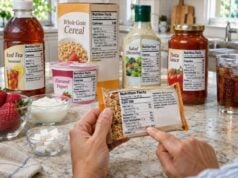
Electrolyte drinks are useful in specific situations, such as prolonged endurance exercise, heavy sweating, vomiting, diarrhea, or clinician-directed rehydration. They are not automatically healthier than water for everyday use.
Many electrolyte powders and sports drinks contain hundreds of milligrams of sodium per serving. That may be useful after major fluid losses but counterproductive if you are sedentary, have salt-sensitive hypertension, and are already consuming too much sodium from food.
Read the label for:
- Sodium per serving.
- The true number of servings in the bottle or packet.
- Added sugar.
- Caffeine or other stimulants.
- Potassium content.
Do not use high-potassium electrolyte products casually if you have kidney disease or take medicines that can raise potassium, such as certain ACE inhibitors, angiotensin receptor blockers, mineralocorticoid receptor antagonists, or potassium-sparing diuretics. A detailed comparison is available in electrolyte drinks and blood pressure.
For an ordinary 30-minute walk or gym session in a comfortable environment, water is usually enough. Hydration products become more relevant when sweat losses are substantial or an illness has caused fluid and electrolyte loss.
How Much to Drink
There is no single ideal fluid number for every adult. Fluid needs depend on body size, climate, activity, pregnancy, diet, kidney function, medications, and medical conditions. Water also comes from food, especially fruit, vegetables, soups, yogurt, and other high-water foods.
A practical approach for healthy adults is to drink when thirsty, make water readily available, and look for pale-yellow urine much of the day rather than forcing a fixed gallon target. Very dark urine can suggest underhydration, while completely clear urine all day may mean you are drinking more than needed.
Blood pressure can fall when someone is dehydrated, but that does not mean dehydration is healthy. Conversely, quickly drinking huge amounts of water does not treat hypertension and can be dangerous in extreme cases.
People taking diuretics may need specific advice because these medicines change sodium and fluid handling. Heart failure and advanced kidney disease can also require fluid limits. If you have been given a daily fluid target, follow that plan rather than general hydration advice.
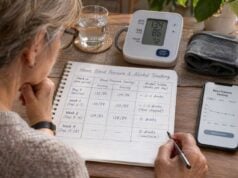
When monitoring blood pressure, keep your beverage routine reasonably consistent before measurements. Caffeine, alcohol, exercise, smoking, and a full bladder can all affect readings. For more reliable home measurements, avoid caffeine and exercise shortly before checking unless your clinician has given different instructions.
A Simple Drink Plan for the Day
You do not need a complicated rotation of functional beverages. A simple day might look like this:
Morning
Start with water if you are thirsty. Have coffee or tea with breakfast if you tolerate caffeine. Keep sweeteners modest and avoid turning the drink into a dessert. If caffeine raises your readings noticeably, switch to half-caf or decaf.
Midday
Use water or sparkling water with lunch. Unsweetened green tea can be another option. If you are trying beetroot juice, use a research-informed, consistent portion rather than drinking large amounts unpredictably.
Afternoon
Choose water, decaf coffee, or unsweetened tea. Avoid using energy drinks to compensate for poor sleep; they can add a large stimulant dose exactly when blood pressure control is the goal.
Evening
Use water or caffeine-free herbal tea. Hibiscus tea can fit if it is unsweetened and safe with your medications. Limiting alcohol in the evening can support both blood pressure and sleep quality.
The hierarchy is simple: water first, unsweetened beverages next, targeted options such as beetroot or hibiscus as optional adjuncts, and sugary or high-stimulant beverages as occasional rather than routine. If your blood pressure remains high despite a strong beverage and diet pattern, the answer is not to keep adding more “lowering” drinks. Review sodium intake, exercise, sleep, medication adherence, and your treatment plan with a healthcare professional.
A useful way to judge any drink is to ask what it replaces. Switching from a sugar-sweetened soft drink to water removes added sugar without adding sodium. Replacing a large energy drink with unsweetened tea removes a concentrated stimulant load. Choosing sparkling water instead of several alcoholic drinks can reduce both alcohol exposure and calories. These substitutions often matter more than chasing a single “blood-pressure-lowering” beverage.
Also consider timing and measurement. If you are checking your blood pressure at home, do not use a reading taken immediately after caffeine, exercise, smoking, or a stressful rush to decide whether a drink is “working.” Follow your clinician’s instructions and measure under similar resting conditions so trends are comparable. If your readings stay high despite reasonable drink choices, do not keep adding beet juice, tea, or supplements in place of treatment. Drinks can support a healthy pattern, but they do not replace prescribed medication, sleep, physical activity, sodium reduction, or medical evaluation of persistent hypertension.
Hydration needs also change with heat, exercise, illness, pregnancy, and certain medical conditions. Water is usually the simplest base drink, but “more water” is not a universal blood-pressure treatment. Drinking excessive fluid can be harmful for some people with heart failure, kidney disease, or prescribed fluid restrictions. Likewise, sports drinks are not automatically necessary after ordinary daily activity; many contain sodium and sugar designed for prolonged sweating rather than routine hydration. For a typical short walk or gym session, water is often enough unless a clinician has given different advice.
When trying a beverage such as beetroot juice or hibiscus tea, keep the rest of your routine stable and avoid treating a short-term reading as proof of benefit. Blood pressure naturally varies across the day. A better approach is to record properly measured home readings over several days and look at the average. If a drink causes dizziness, stomach upset, palpitations, or symptoms of low blood pressure, stop using it and discuss the reaction with a clinician—especially if you take blood-pressure medicine.
For everyday use, make the easy choice visible: keep cold water ready, brew unsweetened tea ahead of time, and buy smaller amounts of beverages you are trying to limit. Environment often shapes intake more reliably than willpower.
References
- Effects of beetroot juice on blood pressure in hypertension according to European Society of Hypertension Guidelines: A systematic review and meta-analysis 2024 (Systematic Review)
- Effect of green tea supplementation on blood pressure in adults: a GRADE-assessed systematic review and dose-response meta-analysis of randomised controlled trials 2025 (Systematic Review)
- Alcohol Intake and Risk of Hypertension: A Systematic Review and Dose-Response Meta-Analysis of Nonexperimental Cohort Studies 2024 (Systematic Review)
- The effects of caffeine supplementation on blood pressure in adults: A systematic review and dose-response meta-analysis 2023 (Systematic Review)
- Consumption of sugar sweetened beverages, artificially sweetened beverages and fruit juices and risk of type 2 diabetes, hypertension, cardiovascular disease, and mortality: A meta-analysis 2023 (Meta-Analysis)
Disclaimer
This article provides general education and is not a substitute for medical advice or blood-pressure treatment. If you have kidney disease, heart failure, a fluid restriction, very high blood pressure, or take medicines that affect sodium, potassium, or blood pressure, ask your healthcare professional before using concentrated functional drinks or changing fluid intake substantially.