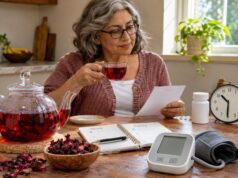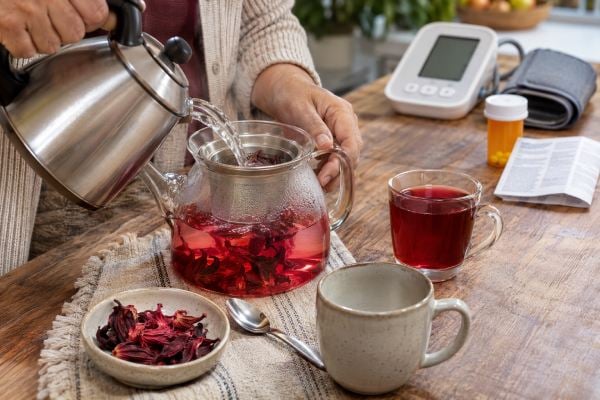
Hibiscus tea may modestly lower blood pressure, especially in people whose readings are already elevated, but it should be treated as a helpful dietary addition rather than a replacement for proven hypertension care. The tart, ruby-red drink is made from the dried calyces of Hibiscus sabdariffa, also called roselle, and is naturally caffeine-free when it is not blended with caffeinated tea. Clinical trials and recent evidence reviews suggest regular hibiscus intake can reduce systolic and diastolic blood pressure by several millimeters of mercury in some people. Results vary, however, and researchers have not established one ideal brew strength, dose, or schedule. The safest approach is to drink unsweetened hibiscus tea consistently, track your blood pressure correctly, and discuss regular use with a clinician if you take blood pressure or diabetes medicine, have low blood pressure, are pregnant, or use concentrated hibiscus extracts. Those details matter more than chasing a “perfect” cup.
Table of Contents
- Does Hibiscus Tea Lower Blood Pressure?
- How Hibiscus May Affect Blood Pressure
- How to Drink Hibiscus Tea
- How Much to Drink and How Long It May Take
- Hibiscus Tea Safety and Side Effects
- Who Should Use Extra Caution?
- How to Use Hibiscus as Part of a Blood Pressure Plan
Does Hibiscus Tea Lower Blood Pressure?
Yes, hibiscus can lower blood pressure in some adults, but the average effect is moderate and the evidence is not strong enough to use it as a stand-alone treatment for hypertension.
A 2025 evidence review that pooled randomized trials found that Hibiscus sabdariffa reduced both systolic blood pressure, the top number, and diastolic blood pressure, the bottom number. Earlier systematic reviews reached a similar conclusion. One widely cited meta-analysis reported a systolic reduction of about 7 mm Hg compared with placebo, although results varied substantially between studies. Another review of 13 randomized trials found average reductions of about 6.7 mm Hg systolic and 4.4 mm Hg diastolic compared with placebo.
Those averages do not mean everyone should expect the same change. Studies used different hibiscus preparations, doses, brewing methods, populations, and treatment durations. Some tested ordinary tea, while others used extracts or standardized products. People who began with higher blood pressure often appeared to experience larger reductions than those who started with normal readings.
That makes hibiscus most reasonable as an adjunct to proven habits and treatment. If you have elevated readings, the bigger priorities are accurate measurement, sodium reduction, regular activity, a heart-healthy eating pattern, weight management when appropriate, adequate sleep, and prescribed medication when indicated. A structured eating pattern such as the DASH diet for high blood pressure has much broader evidence than any single beverage.
Hibiscus also should not be used to “treat the number” without knowing what your number means. Blood pressure categories, treatment thresholds, and targets depend on the clinical context. If you are unsure how to interpret a home reading, review the ranges in normal blood pressure readings and what they mean and discuss repeated high values with a healthcare professional.
How Hibiscus May Affect Blood Pressure
Hibiscus contains plant compounds that may influence blood-vessel tone and other pathways involved in blood-pressure control. The exact mechanism in humans is not fully settled, and the beverage probably works through several modest effects rather than one dramatic action.
The red pigments in hibiscus are anthocyanins, a family of polyphenols. The calyces also contain organic acids, including hibiscus acid, as well as other phenolic compounds. Laboratory and animal research suggests these compounds may support nitric-oxide-related blood-vessel relaxation, influence calcium movement in vascular smooth muscle, and inhibit angiotensin-converting enzyme, or ACE, activity. ACE is part of a hormone system that helps regulate blood-vessel constriction and fluid balance.
That does not make hibiscus tea equivalent to an ACE-inhibitor medication. A cup of tea contains a variable mixture of plant chemicals, and the amount changes with the plant variety, processing, quantity used, water temperature, and brewing time. Prescription medicines, by contrast, have standardized doses and large clinical-outcome trials.
Hibiscus may also have mild diuretic effects, meaning it can influence urine production and fluid handling. That has sometimes been proposed as part of its blood-pressure effect, but it is not a reason to deliberately dehydrate yourself. Normal hydration remains important, particularly during exercise, hot weather, illness, or when you take medicines that affect fluid balance.
Researchers have also studied hibiscus for cholesterol, glucose, inflammation, and oxidative stress. Some reviews find small improvements in certain cardiometabolic markers, but those findings are less consistent and should not distract from the main point: hibiscus is a food-based strategy with a possible modest blood-pressure benefit, not a cure for cardiovascular risk.
How to Drink Hibiscus Tea
The most practical way to use hibiscus is as an unsweetened tea that replaces a less heart-friendly drink. That gives you the potential benefit of hibiscus without adding large amounts of sugar, sodium, or alcohol.
For a simple cup:
- Put about 1 to 2 teaspoons of dried hibiscus calyces, or one hibiscus tea bag, in 8 ounces (240 mL) of hot water.
- Steep for about 5 to 10 minutes, or follow the package directions.
- Strain if you used loose calyces.
- Drink it hot or chill it for iced tea.
A longer steep makes a stronger, more tart drink, but stronger color does not guarantee a proportionally larger blood-pressure effect. Research has not established a home-brewing formula that can reliably deliver a specific medicinal dose.
Hibiscus is naturally sour. If you need to soften the flavor, try cinnamon, ginger, mint, citrus peel, or a small amount of fruit rather than turning it into a sugary drink. Sweetened bottled hibiscus drinks can contain substantial added sugar, so check the label. If reducing blood pressure is the goal, a high-sugar beverage is a poor trade.
Plain hibiscus tea is generally caffeine-free, but blends can contain black tea, green tea, yerba mate, or other caffeine sources. Read the ingredient list if caffeine affects your sleep, palpitations, or blood pressure.
It also helps to distinguish tea from extract. Capsules, powders, tinctures, and concentrated extracts may provide much larger amounts of hibiscus compounds than a brewed beverage. Their dosing and quality can vary, and supplement labels do not make them automatically equivalent to products used in research. If you want a food-first approach, ordinary tea is easier to use conservatively.
When buying hibiscus, look for Hibiscus sabdariffa or “roselle” on the ingredient list if you want the plant studied in most blood-pressure research. “Hibiscus flavor” does not necessarily mean the product contains a meaningful amount of hibiscus calyx. Loose dried calyces and simple tea bags are both reasonable; convenience and consistent use matter more than whether the tea is loose-leaf. Store dried hibiscus in a cool, dry place and discard it if it develops moisture, mold, or an unusual odor.
Check blended products for ingredients that may work against your goal. Licorice root, for example, can raise blood pressure in susceptible people and is not a good companion ingredient for someone specifically trying to lower it. Energy-style herbal blends may also contain caffeine or stimulants. Bottled “agua de jamaica” and hibiscus coolers can be refreshing, but some are closer to soft drinks than tea because of their sugar content. Compare the nutrition label rather than assuming the red color makes the drink heart-healthy.
You can also cold-brew hibiscus. Refrigerate dried calyces or tea bags in water for several hours, then strain and keep the drink chilled. Cold brewing changes flavor and extraction, but research has not shown that it lowers blood pressure better than hot brewing. The best preparation is the one you can make consistently without loading it with sugar.
Hibiscus is only one dietary option. Nitrate-rich beet drinks have also been studied for blood pressure; the evidence and precautions are different, so compare them separately if you are considering beetroot juice for blood pressure.
How Much to Drink and How Long It May Take
There is no universally established “blood-pressure dose” of hibiscus tea. Clinical trials have used a wide range of preparations, from several cups of tea per day to measured amounts of dried calyx or concentrated extracts.
One well-known randomized trial used three 8-ounce (240 mL) servings of brewed hibiscus tea daily for six weeks in adults with prehypertension or mild hypertension. Other studies have used different strengths and schedules, which is one reason reviews cannot define one best dose.
For everyday use, one cup daily is a cautious starting point, especially if you take medication or tend to have lower readings. If it agrees with you, some people use two to three cups spread through the day. More is not automatically better. The 2025 evidence review suggests a dose-response relationship in pooled data, but long-term safety at therapeutic or highly concentrated doses still needs better study.
Do not judge effectiveness from a single reading after one cup. Blood pressure naturally changes with stress, activity, sleep, pain, caffeine, meals, temperature, and measurement technique. Most hibiscus trials assessed repeated intake over several weeks, not an immediate one-time effect.
A sensible way to evaluate it is to keep the rest of your routine stable and measure blood pressure consistently for two to six weeks. Use a validated upper-arm cuff, rest quietly for five minutes, sit with your back supported and feet on the floor, and take two readings about one minute apart. Measuring at similar times each day gives you a more useful trend than checking only when you feel different.
If your numbers are persistently in the hypertension range, do not delay care while experimenting with tea. People with stage 1 hypertension may need lifestyle treatment alone or lifestyle plus medication depending on overall cardiovascular risk and other conditions. The decision process is explained in what stage 1 hypertension means and what to do next.
Hibiscus Tea Safety and Side Effects
For most healthy adults, ordinary food-level hibiscus tea appears to be well tolerated. Clinical reviews report few serious adverse events, but the evidence base is still much smaller than it is for common medications.
Possible problems include:
- Blood pressure that drops too low. This matters most if you already have low blood pressure or take antihypertensive medicine.
- Dizziness or lightheadedness. These symptoms may occur if blood pressure falls, if you are dehydrated, or if hibiscus is combined with other blood-pressure-lowering strategies.
- Stomach upset. Tart, acidic drinks can bother some people, especially in larger amounts.
- Blood-sugar effects. Hibiscus has been studied for glucose lowering, so people using insulin or glucose-lowering medication should be cautious about concentrated or frequent use.
- Uncertain supplement quality. Extracts and herbal products can vary in strength and purity more than brewed tea.
Recent safety reviews are reassuring overall but emphasize that long-term therapeutic dosing has not been studied as thoroughly as short-term use. That distinction is important. A beverage consumed as part of a normal diet is not the same exposure as a high-dose extract taken every day for months or years.
Do not stop or reduce prescription medication because hibiscus seems to be lowering your readings. If your home blood pressure becomes consistently lower after a dietary change, contact the clinician who manages your medication. Doses can be adjusted when appropriate, but that should be based on a pattern of reliable readings and your medical history. Medication timing is another separate issue; if you are unsure about your regimen, see morning versus night blood-pressure medication timing rather than changing the schedule on your own.
Who Should Use Extra Caution?
Some people should treat regular or concentrated hibiscus use as something to discuss with a healthcare professional rather than as a casual wellness habit.
People taking blood-pressure medicine: Hibiscus can add to the effect of antihypertensive drugs. The combination is not automatically unsafe, but dizziness, weakness, fainting, or unusually low readings deserve attention.
People with naturally low blood pressure: If your usual pressure is already low, a beverage intended to lower it further may not be useful. Symptoms matter. Recurrent lightheadedness, fainting, chest discomfort, shortness of breath, or confusion needs medical assessment.
People taking diabetes medicine: Because hibiscus may affect glucose, regular high intake or extracts could complicate glucose control. Monitor according to your diabetes plan and discuss significant changes with your clinician.
Pregnant or breastfeeding people: Safety data are not strong enough to recommend medicinal or concentrated hibiscus use during pregnancy or breastfeeding. Food amounts and occasional beverages are a different question, but pregnancy is a time to be conservative with herbal products and confirm regular use with an obstetric clinician.
People preparing for surgery or a procedure: Tell the care team about herbal products and concentrated supplements you take. Blood-pressure and glucose effects can matter around fasting, anesthesia, and medication adjustments.
People with complex medical conditions or multiple medicines: The more medicines you take, the harder it is to predict herb-drug interactions. A pharmacist can often review a specific hibiscus product against your medication list.
The main safety principle is simple: the stronger and more concentrated the hibiscus product, the less you should assume that food-level safety data apply.
How to Use Hibiscus as Part of a Blood Pressure Plan
Hibiscus works best as one small part of a plan that targets the major drivers of blood pressure. If you enjoy it, use it to make an already healthy routine easier rather than treating it as the centerpiece.
A practical plan looks like this:
- Start with unsweetened tea. One cup per day is a reasonable low-intensity trial for many adults.
- Measure, do not guess. Keep a short home blood-pressure log before and after starting so you can see whether your average actually changes.
- Keep medication stable unless your clinician changes it. Do not substitute tea for antihypertensive treatment.
- Reduce excess sodium. Sodium reduction has a much larger evidence base for hypertension. If you are unsure where your intake is coming from, review how much sodium is too much for blood pressure.
- Build meals around proven patterns. Vegetables, fruit, beans, whole grains, nuts, seeds, and appropriate low-fat dairy or other nutrient-rich foods help provide potassium, magnesium, fiber, and other nutrients that support cardiovascular health.
- Stay active. Regular aerobic activity and resistance training can lower resting blood pressure and improve overall cardiovascular risk.
- Protect sleep and limit excess alcohol. Both can materially affect blood pressure, sometimes enough to overwhelm the small benefit of a tea.
Pay attention to the direction of your readings. If hibiscus causes no meaningful change after several weeks, there is little reason to keep increasing the amount in search of a stronger effect. If your readings improve, that is useful information, but it does not prove the tea alone caused the change. Diet, weight, activity, sleep, medication adherence, and normal variation can all contribute.
Seek prompt medical care for very high blood pressure accompanied by symptoms such as chest pain, severe shortness of breath, weakness or numbness, trouble speaking, severe headache with neurologic symptoms, confusion, or vision changes. A herbal drink is never an appropriate response to a possible hypertensive emergency.
The bottom line is that hibiscus tea is a reasonable heart-healthy beverage for many adults and may produce a modest blood-pressure reduction when consumed regularly. Its best role is supportive: drink it because you enjoy it, keep it unsweetened, monitor your response, and let proven blood-pressure care do the heavy lifting.
References
- Efficacy and safety of Hibiscus sabdariffa in cardiometabolic health: An overview of reviews and updated dose-response meta-analysis. 2025 (Systematic Review)
- A systematic review and meta-analysis of the effects of Hibiscus sabdariffa on blood pressure and cardiometabolic markers 2022 (Systematic Review)
- Physiological Effects and Human Health Benefits of Hibiscus sabdariffa: A Review of Clinical Trials 2022 (Review)
- Safety classification of herbal medicine use among hypertensive patients: a systematic review and meta-analysis. 2024 (Systematic Review)
- 2025 AHA/ACC/AANP/AAPA/ABC/ACCP/ACPM/AGS/AMA/ASPC/NMA/PCNA/SGIM Guideline for the Prevention, Detection, Evaluation and Management of High Blood Pressure in Adults: A Report of the American College of Cardiology/American Heart Association Joint Committee on Clinical Practice Guidelines 2025 (Guideline)
Disclaimer
Hibiscus tea can affect blood pressure and may interact with medicines, so regular or concentrated use is worth discussing with a healthcare professional if you take blood-pressure or diabetes medication, are pregnant, or have a medical condition. Do not stop prescribed treatment or use hibiscus to manage severe or symptomatic high blood pressure without medical care.