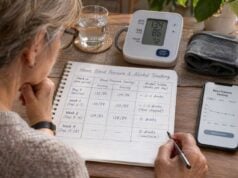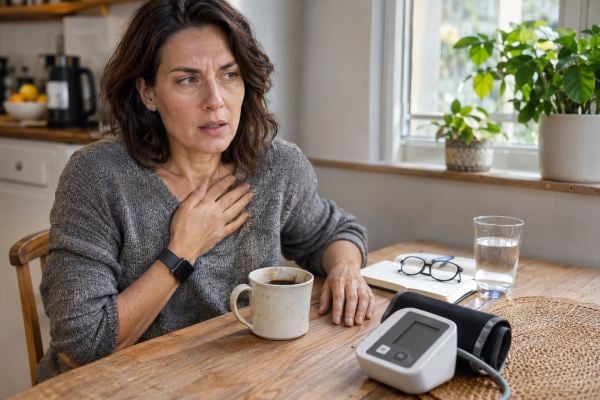
Caffeine sensitivity means you develop noticeable effects from an amount of caffeine that other people may tolerate easily. Those effects can include jitteriness, anxiety, a racing or pounding heartbeat, palpitations, tremor, insomnia, stomach upset, and a temporary rise in blood pressure. Sensitivity varies because caffeine metabolism, genetics, medications, sleep, stress, pregnancy, smoking status, and habitual intake all influence the response. The often-quoted limit of 400 mg per day is a population-level amount that the FDA says is not generally associated with negative effects for most healthy adults; it is not a target and it is not a guarantee of comfort or safety for every person. If 80 to 100 mg makes you feel unwell, your practical limit is lower. The most useful approach is to track the dose, timing, symptoms, heart rate, and blood pressure, then reduce caffeine gradually until the unwanted effects stop. New chest pain, fainting, sustained rapid heart rate, severe shortness of breath, or neurologic symptoms need medical attention rather than a caffeine experiment.
Table of Contents
- What caffeine sensitivity feels like
- Why caffeine can raise anxiety, heart rate, and blood pressure
- How much caffeine is too much for you?
- Why some people are more sensitive than others
- How to test your caffeine response
- How to cut back without feeling awful
- When palpitations or high blood pressure need medical care
What caffeine sensitivity feels like
Caffeine is a stimulant, so the same effects that make one person feel alert can make another feel overstimulated. Common signs of sensitivity include restlessness, shakiness, a sense of internal “buzzing,” difficulty sitting still, faster breathing, sweating, stomach discomfort, trouble falling asleep, and a forceful or rapid heartbeat.
Anxiety can be especially confusing because caffeine and anxiety share many physical sensations. Both can cause a racing heart, chest awareness, tremor, muscle tension, and a feeling that something is wrong. If you are already stressed or sleep-deprived, caffeine may amplify those sensations and make them easier to interpret as danger.
Blood pressure can also rise after caffeine. The increase is often temporary, and regular users may develop some tolerance, but the response differs widely. Some people notice little change while others see a clear jump after coffee or an energy drink.
Palpitations are not always the same as a fast heart rate. You may feel skipped beats, extra beats, fluttering, or a strong thump even when your average pulse is normal. In a randomized case-crossover trial of 100 ambulatory adults, caffeinated coffee did not significantly increase premature atrial contractions, but it was associated with more premature ventricular contractions on coffee days. The study was short and does not mean coffee is dangerous for most people; it shows that individual rhythm effects can be more nuanced than “caffeine always causes arrhythmias” or “caffeine never affects the heart.”
If skipped or extra beats are your main symptom, coffee, palpitations, and atrial fibrillation risk deserve a more specific discussion than heart rate alone.
Why caffeine can raise anxiety, heart rate, and blood pressure
Caffeine blocks adenosine receptors in the brain. Adenosine normally helps promote sleepiness and dampen neural activity. Blocking it increases alertness and can increase the release or activity of stress-related signaling chemicals such as adrenaline and norepinephrine.
That stimulant effect can increase sympathetic nervous system activity. Blood vessels may constrict, the heart may beat more forcefully, and blood pressure can rise. A 2023 systematic review and dose-response meta-analysis of randomized trials found that caffeine supplementation increased systolic blood pressure by about 2 mm Hg and diastolic pressure by about 1.7 mm Hg on average. Individual responses can be larger or smaller than those averages.
Anxiety also shows a dose relationship. A 2024 meta-analysis found that caffeine increased anxiety symptoms in healthy participants, with larger effects at higher doses. The evidence was heterogeneous, so the exact effect cannot be predicted from dose alone, but it supports what many sensitive people notice in real life: more caffeine often means more nervous-system activation.
Heart rate is less predictable. Caffeine can make the heartbeat feel stronger even without a large increase in average pulse. Some people experience tachycardia, while others show little heart-rate change because reflexes in the cardiovascular system partially offset the stimulant effect.
This is why symptoms should be interpreted together. A pounding heart after a double espresso may reflect increased contractility, anxiety, or extra beats rather than a sustained high pulse. Measuring your pulse instead of guessing can help. normal resting heart rate ranges provide context, but your usual baseline is also important.
Caffeine can indirectly worsen cardiovascular symptoms through sleep. If an afternoon coffee shortens or fragments sleep, the next day may bring higher stress, greater anxiety, more caffeine use, and less stable blood pressure. Breaking that cycle can matter as much as reducing the morning dose.
How much caffeine is too much for you?
For most healthy adults, the FDA cites 400 mg per day as an amount not generally associated with negative effects. That number should be treated as an upper population reference, not a recommended daily intake. Sensitive people may feel symptoms at 50 to 100 mg or even less.
Caffeine content also varies more than many people realize. Brew method, bean type, serving size, and brand all matter. A large café coffee can contain several times the caffeine of a small home-brewed cup. Tea, cola, energy drinks, pre-workout powders, chocolate, headache medicines, and some supplements can add to the total.
Do not judge intake by “cups” alone. Track milligrams when possible. A practical log might include:
- Time consumed
- Drink or product and serving size
- Estimated caffeine in mg
- Whether it was taken with food
- Symptoms during the next 1 to 4 hours
- Bedtime and sleep quality
Timing matters because caffeine can remain in the body for hours. Its half-life is commonly around 4 to 6 hours in healthy adults, but it varies considerably. If your half-life is 5 hours, a 200 mg dose at 3 p.m. could still leave roughly 100 mg in your system around 8 p.m. and about 50 mg around 1 a.m. That does not mean everyone will be awake at those levels, but it shows why afternoon caffeine can affect sleep long after the obvious buzz is gone.
If blood pressure is the main concern, compare readings on similar mornings with and without caffeine rather than relying on one isolated high value. caffeine and blood pressure explains how to judge temporary increases and when cutting back makes sense.
A personal limit is the highest intake that does not cause unwanted symptoms, interfere with sleep, or conflict with medical advice. For some people that is 300 mg; for others it is one cup of tea or none at all.
Coffee size can hide the real dose
A “cup of coffee” is not a standardized caffeine dose. A home mug may hold 8 ounces, while a café drink may be 12, 16, or 20 ounces, and brewing methods can produce very different concentrations. Espresso is concentrated per ounce, but a large brewed coffee may contain more total caffeine because the serving is much larger. Cold brew can also be highly variable.
That variability matters when symptoms seem inconsistent. You may tolerate one small coffee at home yet feel anxious after “one coffee” from a café because the caffeine dose is two or three times higher. The same problem occurs with energy drinks that come in multiple serving sizes or cans that contain more than one labeled serving.
For a two-week experiment, use products with stated caffeine amounts whenever possible. If a café publishes caffeine values, record the exact size. If it does not, treat the number as uncertain and choose a smaller serving. This simple step often explains why a person who believes they tolerate “two cups” sometimes has a very different reaction from day to day. It also makes a gradual taper much easier to plan, repeat consistently, and discuss clearly with a healthcare professional if symptoms persist unexpectedly.
Why some people are more sensitive than others
Genetics is part of the answer. Variants in genes related to caffeine metabolism and adenosine signaling, including CYP1A2 and ADORA2A, have been linked with differences in caffeine intake, metabolism, and response. A 2024 systematic review found multiple genetic associations with habitual caffeine use and metabolism.
Genetics is not destiny, however. A consumer genetic result cannot tell you a perfectly safe caffeine dose. Your real-world response remains more useful than a single genotype.
Habitual use also matters. People who drink caffeine every day often develop tolerance to some effects. If they stop, withdrawal can cause headache, fatigue, irritability, and poor concentration. Tolerance does not mean caffeine has no physiological effect, and it can reverse after a period of abstinence.
Sleep deprivation can make sensitivity feel worse. When you are exhausted, caffeine may improve alertness briefly while also increasing jitteriness and anxiety. The result can be “wired but tired,” especially with repeated doses.
Medications and health conditions can change the response or slow caffeine clearance. Some medications interact with caffeine metabolism, and people with panic disorder, certain arrhythmias, uncontrolled hypertension, or severe insomnia may tolerate stimulants poorly. Pregnancy also slows caffeine clearance and has separate intake recommendations.
Smoking status can affect metabolism as well. Components of cigarette smoke can speed caffeine clearance; after quitting, the same coffee intake can suddenly feel much stronger. That is one reason someone may become “caffeine sensitive” without changing their usual number of cups.
Age, liver function, and individual enzyme activity add more variation. Because so many factors interact, there is no universal dose that predicts symptoms. If caffeine suddenly affects you differently than it used to, look for changes in sleep, stress, medications, smoking, health, and serving size rather than assuming your body changed for no reason.
How to test your caffeine response
If your symptoms are mild and you do not have a concerning heart condition, a simple self-test can help identify whether caffeine is a trigger. The goal is not to provoke symptoms with a huge dose. It is to compare your usual state with a lower-caffeine state under reasonably similar conditions.
First, establish a baseline for 3 to 7 days. Record caffeine dose and timing, sleep, symptoms, resting heart rate, and home blood pressure if you already monitor it. Do not start repeatedly checking your pulse every few minutes; that can increase anxiety and make normal fluctuations feel alarming.
Next, reduce your caffeine by about half for several days, or switch one serving to decaf. Keep sleep, meals, hydration, and exercise as consistent as practical. If anxiety, palpitations, or blood pressure clearly improve, that supports caffeine as a contributor.
For blood pressure, measure correctly. Sit quietly for about 5 minutes, support your back and arm, keep your feet flat, and use a validated upper-arm cuff. If you are specifically comparing caffeine response, you might measure before caffeine and again about 30 to 120 minutes afterward on more than one occasion. Do not interpret this as a formal diagnostic test; it is a way to identify a repeatable pattern.
| Pattern | What it suggests | Useful next step |
|---|---|---|
| Symptoms start 30–120 minutes after caffeine | Timing is compatible with a stimulant response | Reduce dose and compare |
| Symptoms are worse after a second or third serving | Total dose may exceed your tolerance | Set a daily mg limit |
| Afternoon caffeine worsens sleep | Clearance may be slow enough to affect bedtime | Move the last dose earlier |
| Blood pressure repeatedly rises after caffeine | You may have a noticeable pressor response | Discuss the pattern if you have hypertension |
| Symptoms improve during several low-caffeine days | Caffeine is more likely to be a trigger | Use the lowest comfortable dose |
If anxiety is the main symptom, remember that checking blood pressure or heart rate compulsively can itself increase anxiety. Use a planned measurement schedule. For more context, anxiety can temporarily raise blood pressure even without caffeine.
How to cut back without feeling awful
If you consume caffeine daily, stopping abruptly can cause withdrawal. Headache, fatigue, sleepiness, irritability, and difficulty concentrating often begin within a day and can last several days. A gradual taper is easier for many people.
One approach is to reduce total intake by about 25% every 3 to 4 days. If you drink four caffeinated servings, make one decaf for several days, then two. If you use one large coffee, reduce the serving size or blend regular and decaf beans.
Move caffeine earlier before reducing it further. If your main problem is insomnia or evening anxiety, keeping the same morning dose while eliminating afternoon caffeine may solve much of the problem. Many sensitive people do better when the last dose is at least 8 hours before bedtime, although individual timing varies.
Replace the ritual, not just the chemical. Decaf coffee, herbal tea, sparkling water, or a warm caffeine-free drink can preserve the habit of taking a break. Decaf is not always completely caffeine-free, but the amount is usually much lower than regular coffee.
Be careful with energy drinks and pre-workout supplements. They can deliver large caffeine doses quickly and may contain other stimulants. If a product uses a proprietary blend or does not clearly state the caffeine content, it is difficult to manage a sensitivity accurately.
If morning fatigue drives heavy caffeine use, address the cause. Chronic sleep restriction, sleep apnea, depression, iron deficiency, thyroid problems, and medication effects can all produce fatigue. Caffeine can temporarily mask tiredness without fixing the underlying issue.
When palpitations or high blood pressure need medical care
Caffeine-related symptoms are often uncomfortable rather than dangerous, but not every racing heart or high blood pressure reading should be blamed on coffee.
Seek urgent medical care for chest pressure or pain, fainting, severe shortness of breath, weakness on one side, trouble speaking, or a sustained rapid or irregular heartbeat accompanied by dizziness or near-fainting. Severe symptoms deserve evaluation regardless of how much caffeine you consumed.
If a home blood pressure reading is extremely high, repeat it after several minutes of quiet rest using correct technique. Blood pressure above 180/120 mm Hg with symptoms suggesting acute organ injury—such as chest pain, severe shortness of breath, neurologic symptoms, or major vision changes—requires emergency evaluation. Very high readings without those symptoms still need prompt medical guidance.
Arrange a routine medical review if palpitations are new, recurrent, prolonged, happen during exercise, or occur even after you reduce caffeine. A clinician may check an ECG, blood count, thyroid function, electrolytes, medications, or an ambulatory rhythm monitor depending on the pattern.
Similarly, do not diagnose hypertension from a single post-coffee reading. Blood pressure diagnosis should use repeated properly measured readings, often including home or ambulatory monitoring. If your numbers are variable, blood pressure spikes have many triggers besides caffeine.
The key is to use your symptoms as feedback rather than as a challenge to “build tolerance.” You do not gain a cardiovascular benefit from forcing yourself to tolerate a dose that makes you anxious, sleepless, or symptomatic. Caffeine is optional. The right amount is the amount that fits your health, sleep, medications, and personal response.
References
– The effects of caffeine supplementation on blood pressure in adults: A systematic review and dose-response meta-analysis 2023. Systematic review and meta-analysis. – Caffeine intake and anxiety: a meta-analysis 2024. Meta-analysis. – Acute Effects of Coffee Consumption on Health among Ambulatory Adults 2023. Randomized case-crossover trial. – Genetic susceptibility to caffeine intake and metabolism: a systematic review 2024. Systematic review. – Spilling the Beans: How Much Caffeine is Too Much? 2024. Government guidance.
Disclaimer
This article provides general information about caffeine sensitivity and is not a diagnosis of anxiety, arrhythmia, or hypertension. New or severe chest symptoms, fainting, neurologic symptoms, or sustained abnormal heart rhythms require medical evaluation, and repeated high blood pressure should be discussed with a healthcare professional. Do not change heart or blood pressure medication because of caffeine symptoms without advice from the clinician who manages it.