


K Herbs
Home K Herbs
The K Herbs category brings together herbal remedies, medicinal plants, spices, sea vegetables, fruits, and traditional botanicals whose names begin with the letter K. Readers exploring this section will find balanced, practical articles on health benefits, active compounds, traditional uses, nutrition, wellness support, dosage questions, and safety considerations. The range is broad by design, covering familiar plants used for digestion, energy, immunity, stress, and culinary wellness alongside lesser-known traditional herbs from Ayurveda, Pacific herbalism, African medicine, bushfoods, and East Asian practice.
If you are interested in citrus-based wellness, kaffir lime is commonly explored for immune support, aromatic compounds, and practical culinary and household uses. For everyday nutrition, kale stands out for antioxidant content, anti-inflammatory potential, and its role in a nutrient-dense diet.
For bitter traditional botanicals, kalmegh is often discussed for immune resilience, liver support, and classic Ayurvedic applications. If calming herbs are your focus, kava is a key article for readers looking into relaxation, stress support, traditional Pacific use, and important safety context.
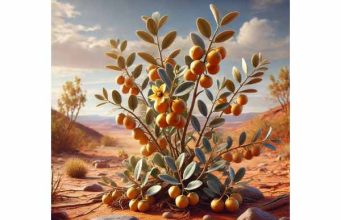
Among native and regional plants, kawakawa introduces a respected Māori herbal remedy often associated with digestion, skin comfort, and general wellbeing. kutjura, also known as bush tomato, offers a different perspective by blending native food culture with antioxidant-rich culinary use and practical preparation guidance.
For mineral-rich wellness topics, kelp is especially useful for readers interested in iodine, thyroid health, sea vegetable nutrition, and when caution is needed with concentrated intake. If sour fruits and digestive botanicals appeal to you, kokum is commonly associated with digestive comfort, culinary use, and refreshing traditional preparations.
Stimulating and energizing plants are also represented. kola nut is often explored for alertness, traditional stimulant use, and dosage awareness, while Korean ginseng is a cornerstone herb for energy, resilience, cognitive performance, and adaptogenic support.
Readers drawn to roots used in traditional medicine may want to start with kudzu, a plant often discussed for alcohol cravings, menopausal support, and classic East Asian uses. kutki is another important entry for those researching liver-focused herbs, bitter digestive support, and therapeutic traditions from Ayurveda.
Taken together, this category is designed to help you compare K-named herbs in a clear and grounded way. Whether you are looking for edible plants with nutritional value, traditional remedies with a long history of use, or botanicals with modern interest in active compounds and practical applications, this collection offers a useful starting point without losing sight of safety, preparation, and real-world context.