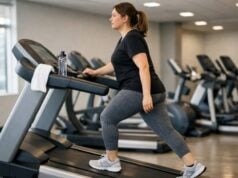
Fasted cardio usually means doing aerobic exercise after an overnight fast, often first thing in the morning before breakfast. It is popular because it sounds efficient: if you have not eaten, your body may rely more on stored fat during the workout. That part is partly true. The bigger question is whether it leads to better weight loss over time.
For most people, fasted cardio is not a magic fat-loss shortcut. It can be useful in the right situation, especially for light to moderate morning cardio, but it is not clearly superior to fed cardio for long-term fat loss. The best choice depends on workout intensity, appetite, performance, schedule, and medical context. This guide explains what fasted cardio really does, where it can help, where it can backfire, and how to decide whether it fits your routine.
Table of Contents
- What fasted cardio actually means
- Does fasted cardio burn more fat?
- Potential benefits of fasted cardio
- Downsides and risks to know
- Who fasted cardio may suit
- Who should avoid fasted cardio
- How to do fasted cardio safely
- Sample beginner fasted cardio week
What fasted cardio actually means
Fasted cardio is simpler than the hype around it. In most real-world cases, it means doing aerobic exercise after waking up, before eating breakfast, after roughly 8 to 12 hours without food. That could be a brisk walk, easy cycling, incline treadmill walking, light jogging, or another steady session done in a post-absorptive state.
It does not always mean a fully empty system. Many people still drink water, black coffee, or plain tea beforehand. Some even use electrolytes. The main idea is that they are not taking in a calorie-containing meal before the workout.
This matters because your body uses a mix of fuels during exercise. After an overnight fast, insulin is lower and liver glycogen is somewhat reduced compared with the fed state. That often increases the percentage of energy coming from fat during lower-intensity exercise. This is one reason fasted cardio became linked to “fat burning.”
Still, the term gets misused. Fasted cardio is not the same as:
- doing any morning workout
- training after a long day without enough food
- doing hard intervals while under-fueled
- lifting weights with no meal and assuming it is ideal for fat loss
It also is not limited to runners. Many people who try fasted cardio are really doing a version of walking for weight loss, incline treadmill sessions, or low-key bike work. In practice, these lower-intensity forms are where fasted cardio tends to make the most sense.
Another important distinction is intensity. The lower the exercise intensity, the easier it usually is to tolerate in a fasted state. That is why a relaxed morning walk is very different from a hard tempo run or a demanding circuit session. Once intensity rises, carbohydrate availability matters more, and performance often matters more too.
The question is also not just whether your body burns fat during the session. Weight loss depends on the full picture: total daily intake, total daily expenditure, recovery, appetite, consistency, and whether you move less later because the workout drained you. That is one reason people often misunderstand concepts like the fat-burning heart rate zone. Burning a higher percentage of fat during a workout does not automatically mean losing more body fat over weeks and months.
So the cleanest definition is this: fasted cardio is low- to moderate-intensity aerobic exercise done after not eating for several hours, usually first thing in the morning. Whether that is useful depends less on theory and more on how your body and routine respond to it.
Does fasted cardio burn more fat?
This is the core question, and the most honest answer is: fasted cardio often increases fat oxidation during the workout, but that does not clearly mean greater fat loss over time.
That distinction matters. During a fasted session, your body may rely more heavily on fat as a fuel source, especially during steady, moderate-effort work. But body fat loss is not decided by one hour in isolation. It is decided by what happens across the entire day and across many weeks. If fasted cardio leads to lower performance, higher hunger, lower energy later, or more compensation with food and inactivity, the theoretical advantage can disappear.
A useful way to think about it is this:
| Question | Fasted cardio | Fed cardio |
|---|---|---|
| More fat used during the session? | Often yes, especially at lower intensities | Usually less relative fat use during the session |
| Better workout performance? | Often worse for harder efforts | Often better, especially for longer or harder sessions |
| Clearly better long-term fat loss? | Not consistently shown | Not clearly worse |
| Best when? | Short to moderate steady cardio, good tolerance, convenient timing | Intervals, longer sessions, hard cardio, or when energy is low |
For weight loss, the more important questions are:
- Can you maintain the workout quality?
- Does it help you stay consistent?
- Does it affect hunger in a helpful or unhelpful way?
- Does it fit your schedule without increasing stress?
For some people, fasted cardio feels easy and natural. They wake up, do a 30-minute walk or bike session, and move on with their day. In that case, it can absolutely support fat loss because it helps them stay active and consistent. For others, it turns a good workout into a weak one, makes them ravenous by mid-morning, or encourages an all-or-nothing mindset around food and exercise.
That is why fasted cardio should be treated as a tool, not a rule. It is not required for fat loss. It is also not automatically useless. It is simply one way to do cardio, with tradeoffs.
This becomes especially important when training intensity rises. If your workout is demanding enough that you would benefit from better fueling, then choosing fed cardio may help you burn more total calories, preserve better performance, and feel better afterward. That broader comparison is similar to what shows up when people compare steady-state cardio and HIIT for fat loss: the “best” method is often the one you can recover from and repeat, not the one with the flashiest theory.
So yes, fasted cardio can increase fat use during the session. No, that alone does not guarantee better body-fat loss.
Potential benefits of fasted cardio
Fasted cardio has stayed popular for a reason. Even though it is not a magic fat-loss method, it can offer real benefits in the right context.
One obvious benefit is convenience. Some people simply do not like eating before morning exercise. A fasted session can feel lighter, easier on the stomach, and more realistic than waking up earlier to digest food first. When convenience improves adherence, that matters more than small theoretical differences in fuel use.
Another benefit is routine. Morning exercisers often do better when the workout happens before the rest of the day becomes messy. If fasted cardio helps you finish your workout before work, commuting, childcare, or decision fatigue takes over, that can be a meaningful advantage. A good weight-loss plan is not just about physiology. It is also about friction. Lower-friction habits win.
Some people also feel mentally sharper during easy fasted cardio, especially when it is something simple like a brisk walk, bike ride, or treadmill session. There is less prep, less planning, and less of a barrier to getting started. That simplicity can make the habit feel easier to repeat.
Fasted cardio may work particularly well for:
- easy morning walks
- low- to moderate-intensity cycling
- incline treadmill walking
- short steady sessions before the day starts
- people who dislike food in the stomach before exercise
It can also pair well with a broader movement-based strategy. For example, if your fasted session is really a calm morning walk rather than a draining workout, it may complement step goals, work breaks, and general activity instead of competing with them. In that sense, fasted cardio can overlap with approaches like fasted walking for fat loss, where the session is light enough to feel sustainable rather than punishing.
There may also be situations where a fasted session slightly reduces the chance of skipping cardio. That sounds minor, but it is not. A “good enough” 30-minute morning session done regularly usually beats a more optimal plan that keeps getting postponed.
Still, these benefits are conditional. They depend on the session being the right type of cardio. Once you turn fasted cardio into a hard, stressful workout, many of the advantages fade and the downsides become more obvious.
That is why the most practical benefit of fasted cardio is not that it is somehow metabolically superior. It is that, for the right person, it can make cardio easier to fit into life. And if that improves consistency across months, it can absolutely support weight loss.
Downsides and risks to know
The biggest problem with fasted cardio is not that it is inherently dangerous for healthy adults. It is that it gets oversold, then used in situations where it is a poor fit.
The most common downside is lower performance. If you try to do hard intervals, long runs, or demanding mixed cardio without eating first, the workout may simply feel worse. Pace drops, effort feels higher, and the session becomes harder to complete well. That matters because better training quality can matter more than slightly higher fat oxidation.
Another issue is hunger. Some people finish fasted cardio feeling fine. Others end up very hungry later and struggle to manage appetite for the rest of the morning. That does not mean fasted cardio “fails,” but it can make the day harder if it leads to rebound eating or low-energy food decisions.
Common downsides include:
- dizziness or light-headedness
- lower energy for hard sessions
- reduced pace or power output
- shakiness in sensitive individuals
- stronger hunger later in the day
- feeling overly stressed by morning training
These downsides matter even more if your overall calorie intake is already low, sleep is poor, or training volume is high. In that setting, fasted cardio can become one more stressor rather than a helpful tool.
It can also quietly increase compensation. You may finish a fasted session and assume you created a big fat-loss advantage, but then spend the rest of the day moving less, feeling tired, or eating more. That is one reason some people feel confused when they say they are “doing everything right” but not seeing the results they expected. Exercise choices are only one part of the total picture, and compensation can shrink the effect of a workout more than most people realize.
For some people, the downside is simply that it crowds out better training. If you lift in the morning, do intervals, or need a more intense session, it may be smarter to fuel first rather than forcing a fasted approach. That is especially true when the goal is not just burning calories but also preserving muscle, sustaining effort, and recovering well.
Appetite responses also vary. Some people notice little difference. Others find that fasted training ramps up hunger and makes the rest of the day harder to control. If that happens, the method may be working against you rather than for you. This is closely related to the broader issue of exercise increasing hunger during fat loss.
The practical lesson is simple: fasted cardio is not automatically bad, but it is often unnecessary and sometimes counterproductive. If it makes the workout worse, makes appetite harder to manage, or increases fatigue, the “fat-burning” label is not enough reason to keep doing it.
Who fasted cardio may suit
Fasted cardio usually suits a narrow but very common group: people who tolerate morning exercise well, prefer not to eat before cardio, and are doing sessions that are steady rather than brutal.
That may include someone who wakes up, drinks water or coffee, walks briskly for 30 to 45 minutes, and then eats breakfast afterward. It can also suit a person doing an easy bike session before work because eating first makes them feel heavy or rushed.
The best candidates usually have a few things in common:
- they handle morning exercise without dizziness
- they are doing low- to moderate-intensity cardio
- they do not need top-end performance for that session
- they can eat normally afterward
- they are not using fasted cardio as punishment for eating
A good fit often looks like consistency rather than heroics. The person is not chasing sweat for its own sake. They are using fasted cardio because it fits their routine and feels easy to repeat.
| Situation | Likely fit | Why |
|---|---|---|
| Brisk morning walk | Good fit | Low intensity and easy to tolerate without food |
| Easy cycling session | Often a good fit | Can be done comfortably if effort stays moderate |
| Hard intervals | Poor fit for many people | Performance often benefits from pre-workout fuel |
| Morning routine with limited time | Good fit | Less prep can improve consistency |
| History of blood sugar crashes | Usually poor fit | Symptoms may worsen without pre-exercise food |
Fasted cardio may also suit people whose primary goal is simply to accumulate more easy aerobic work, not to maximize performance in each session. For example, someone who already strength trains later in the day may use a short fasted walk in the morning as extra movement rather than as a major workout.
A useful rule is that fasted cardio tends to work best when the session could almost be described as “exercise that wakes you up,” not “exercise that empties the tank.” Many of the people who enjoy it are really doing a version of easy zone 2 cardio or gentle step-building work rather than high-drama training.
It may also suit people who struggle with stomach discomfort if they eat before exercise. For them, skipping the pre-workout meal is not a fat-loss strategy first. It is a comfort strategy that happens to make the workout more doable.
The right fit is about comfort, adherence, and the type of session. If those line up well, fasted cardio can be a practical option.
Who should avoid fasted cardio
There are several situations where fasted cardio is more trouble than it is worth. Some are about safety. Others are about performance and recovery.
People who should be especially cautious or avoid it altogether include those who:
- use insulin or certain glucose-lowering medications
- have diabetes or frequent low-blood-sugar episodes
- feel faint, shaky, or nauseated when exercising without food
- are pregnant
- have a history of disordered eating
- are doing long, hard, or very high-intensity cardio
- are trying to lift heavy soon after the session
- are already under-recovered from dieting and training
For these groups, the possible downside is not theoretical. It can affect safety, adherence, or both.
High-intensity training is a common mismatch. If your workout includes sprints, hard intervals, hill repeats, or demanding mixed conditioning, you are often better off eating first. Fuel helps performance, and better performance can make the session more effective overall. The same logic applies if you are pairing cardio with lifting or doing it close to a serious strength workout. In that case, it may help to review how to combine cardio and weights for fat loss instead of assuming fasted cardio is the better choice.
People with a history of binge-restrict cycles or obsessive fat-loss behaviors should be particularly careful. Fasted cardio can become mentally loaded very quickly. It may start as a simple morning habit, then slowly turn into a rule, then a source of guilt if it gets skipped. That is not a good direction for long-term health or weight management.
It is also a poor fit when the main reason for using it is fear of food. A pre-workout meal does not “cancel” fat loss. If eating before cardio makes the session feel better, stronger, and more sustainable, that may be the smarter choice.
Another group that should usually avoid it is people who are dieting aggressively and already feel drained. In that situation, adding more under-fueled training can raise fatigue and lower the quality of the rest of the week. A calmer plan that includes proper meals may work better.
Finally, if you have a medical condition that affects blood sugar, blood pressure, dizziness, exercise tolerance, or medication timing, do not experiment casually. Get guidance first. Fasted cardio is optional, and it should never be treated as something you have to force just because it sounds more “serious.”
How to do fasted cardio safely
If you want to try fasted cardio, the safest approach is to keep it simple, light, and easy to evaluate. Do not start with the hardest session of your week. Start with a controlled, boring, repeatable one.
For most people, that means:
- 20 to 40 minutes at first
- low to moderate intensity
- steady pace
- good hydration beforehand
- food available after the session
Brisk walking, light cycling, and incline treadmill work are usually better entry points than running intervals or long sessions. If you want a version that is especially beginner-friendly, it often looks a lot like treadmill walking for weight loss or a steady outdoor walk.
A good practical checklist looks like this:
- Wake up and hydrate.
- Use coffee only if you already tolerate it well.
- Keep intensity in a conversational range.
- Stop if you feel dizzy, unusually weak, or unwell.
- Eat a balanced meal after the workout instead of delaying food endlessly.
It also helps to judge the session by what happens after it. Ask yourself:
- Did I feel okay during the workout?
- Was my energy normal afterward?
- Did it make appetite easier or harder to manage?
- Did I move well for the rest of the day?
- Am I looking forward to doing it again?
If the answer to several of those is no, fasted cardio may not suit you, even if the session itself was technically completed.
Post-workout nutrition matters too. You do not need a perfect “anabolic window” mindset, but you also do not need to stay under-fueled for hours. A balanced breakfast or meal with protein and some carbohydrate is often a smart move, especially if the workout is longer than a very easy walk. If you need ideas, think in the direction of post-workout meals for weight loss rather than trying to stretch the fast as long as possible.
On the other hand, if your planned session is intense, long, or combined with strength work, it is usually smarter to fuel beforehand. In that case, a light meal or snack from the playbook of pre-workout meals for weight loss may improve the session more than fasting helps it.
The safest version of fasted cardio is not extreme. It is light enough to tolerate, short enough to recover from, and flexible enough to drop if it is not helping.
Sample beginner fasted cardio week
If you want to experiment with fasted cardio, it does not need to dominate your week. In most cases, two or three fasted sessions are plenty. The goal is to test whether it fits your routine, not to turn every workout into a fasted workout.
Here is a practical beginner structure:
| Day | Session | Notes |
|---|---|---|
| Monday | 20 to 30 minutes fasted brisk walk | Easy pace, breakfast afterward |
| Tuesday | Strength training fed | Fuel normally before or after as needed |
| Wednesday | Rest or normal step goal | Keep general movement up |
| Thursday | 25 to 35 minutes fasted incline walk or bike | Still moderate, not all-out |
| Friday | Strength training fed | Prioritize performance and recovery |
| Saturday | Optional easy fasted walk | Only if energy is good and recovery is fine |
| Sunday | Rest or relaxed outdoor walk | Recovery and consistency day |
A few things make this kind of plan work well:
- fasted sessions are easy rather than punishing
- lifting days are usually fed
- rest and recovery are preserved
- steps still matter on non-cardio days
- there is room to adjust based on appetite and energy
This also keeps fasted cardio in its proper role. It becomes one tool inside a broader weight-loss plan, not the whole plan. That matters because total weekly activity and consistency are usually more important than whether a couple of cardio sessions happen before breakfast.
If your energy is poor, trim the fasted sessions before cutting your strength work. If your appetite becomes harder to manage, consider shortening the sessions or moving them to a fed state. If everything feels fine and the routine is easy to maintain, you can continue with it.
For many people, the real win is not that the cardio is fasted. It is that they found a simple weekly routine they can stick to. That bigger structure matters more than the label, whether your overall plan leans on walking, lifting, cycling, or a broader weekly cardio target for weight loss.
Use fasted cardio only if it makes the week easier to execute, not harder.
References
- Exercise training in the management of overweight and obesity in adults: Synthesis of the evidence and recommendations from the European Association for the Study of Obesity Physical Activity Working Group 2021 (Review and Recommendations)
- Examining the Role of Exercise Timing in Weight Management: A Review 2021 (Review)
- The acute effect of fasted exercise on energy intake, energy expenditure, subjective hunger and gastrointestinal hormone release compared to fed exercise in healthy individuals: A systematic review and network meta-analysis 2022 (Systematic Review and Network Meta-Analysis)
- The Effects of Six Weeks of Fasted Aerobic Exercise on Body Shape and Blood Biochemical Index in Overweight and Obese Young Adult Males 2023 (RCT)
- Effects of overnight-fasted versus fed-state exercise on the components of energy balance and interstitial glucose across four days in healthy adults 2024 (Trial)
Disclaimer
This article is for general educational purposes only and is not a substitute for medical advice, diagnosis, or treatment. If you have diabetes, take medications that affect blood sugar, are pregnant, have a history of fainting, or have any condition that changes exercise safety, get personalized medical guidance before trying fasted cardio.
If this article helped, please share it on Facebook, X, or any other platform you prefer so more people can find it.