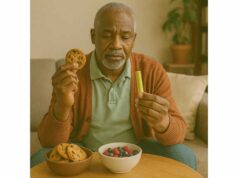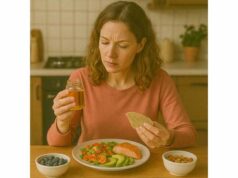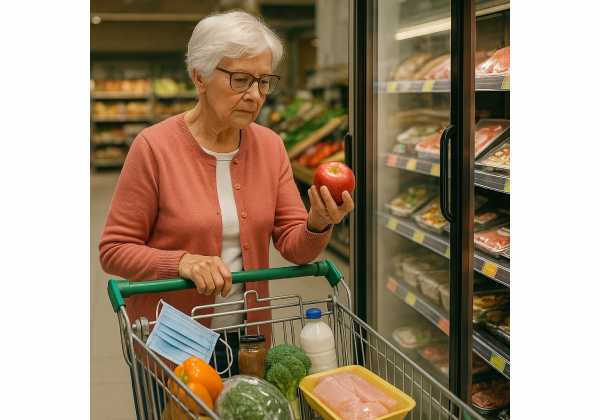
Food safety becomes more important with age because infections from food hit harder, last longer, and lead to more serious complications. A mild mistake, such as leaving soup on the counter too long or eating unheated deli meat, carries more risk after 65 than it did earlier in adulthood. The good news is that safer food habits do not require a sterile kitchen or a restricted diet. They require a few repeatable rules: buy cold foods cold, keep raw juices away from ready-to-eat foods, refrigerate promptly, cook with a thermometer, and reheat leftovers until hot all the way through.
Older adults still need satisfying meals with enough protein, fiber, fluids, healthy fats, and colorful plants. Food safety protects those meals. It helps preserve independence, appetite, strength, and confidence in the kitchen while reducing avoidable illness.
Table of Contents
- Why Older Adults Need Extra Food Safety
- Smart Shopping Starts Before the Cart
- Safer Choices for Higher-Risk Foods
- Refrigerator, Freezer, and Pantry Rules
- Meal Prep and Cross-Contamination Control
- Reheating Leftovers and Takeout
- Eating Out, Delivery, and Shared Meals
- A Simple Home System That Prevents Mistakes
Why Older Adults Need Extra Food Safety
Adults 65 and older face a higher risk from foodborne illness because several body defenses change with age. The immune response becomes less forceful. The stomach often produces less acid, which gives harmful germs a better chance of surviving. The digestive tract moves food more slowly, giving bacteria more time to multiply. The liver and kidneys also become less efficient at clearing toxins and germs from the body.
Chronic conditions raise the stakes further. Diabetes, kidney disease, cancer treatment, autoimmune disease, organ transplant medications, and long-term steroid or immune-suppressing drugs all reduce the body’s margin for error. So does frailty, low appetite, dehydration risk, poor vision, reduced smell, tremor, memory change, or limited hand strength.
Foodborne illness is not just “a stomach bug” in later life. Vomiting and diarrhea quickly cause dehydration, dizziness, falls, kidney strain, and missed medications. Fever and infection also raise heart and metabolic stress. Someone working on strength, blood pressure, glucose control, or a steady daily protein target loses ground quickly if they cannot eat well for several days.
The most useful food safety habits are simple:
- Keep cold foods at 40°F (4°C) or below.
- Keep frozen foods at 0°F (-18°C) or below.
- Refrigerate perishable food within 2 hours, or within 1 hour when the air temperature is above 90°F (32°C).
- Cook foods to safe internal temperatures instead of judging by color.
- Reheat leftovers to 165°F (74°C).
- Throw food away when time or temperature safety is uncertain.
Those rules sound strict, but they make everyday eating easier. They remove guesswork from shopping, storage, and leftovers.
Smart Shopping Starts Before the Cart
Food safety starts before food reaches the kitchen. A safer shopping trip protects cold foods, prevents leaks from raw meat, and reduces the chance of bringing home spoiled or damaged products.
A good shopping order is: shelf-stable foods first, produce next, refrigerated foods near the end, and frozen foods last. This keeps milk, yogurt, meat, poultry, seafood, and frozen vegetables cold for as long as possible. On warm days, bring an insulated bag or small cooler with an ice pack, especially when the trip home takes more than 30 minutes.
Check packaging before putting food in the cart. Avoid cans that are swollen, leaking, deeply dented, or badly rusted. Skip jars with loose lids, cracked glass, or broken seals. Choose eggs from a refrigerated case, open the carton, and reject cracked or dirty eggs. Pick fruits and vegetables without deep bruises, slime, mold, or strong sour smells.
Raw meat, poultry, and seafood belong in separate plastic bags before they go into the cart. Their juices should never touch produce, bread, cooked foods, or packages that will go straight into the refrigerator. Put these items on the lowest shelf or lower cart area so they do not drip.
Use dates wisely. “Use by,” “best by,” and “sell by” labels do not all mean the same thing, but they still help with freshness planning. For older adults, it is smarter to buy smaller amounts more often than to overfill the refrigerator with foods that linger past their safe window. A simple batch-cooking plan works best when the food bought matches the number of meals that will actually be eaten within 3 to 4 days.
At checkout, keep raw meat away from ready-to-eat foods. Ask for separate bags or bag them yourself. Go directly home after buying refrigerated or frozen food. Errands after grocery shopping turn safe food into warm food, especially in summer or when the car trunk heats up.
Shopping checklist for older adults
Use this quick scan before checkout:
- Cold foods feel cold to the touch.
- Frozen foods feel solid, not soft at the edges.
- Eggs are clean, cold, and uncracked.
- Cans are not swollen, leaking, rusted, or sharply dented.
- Raw meat, poultry, and seafood are bagged separately.
- Deli foods, seafood, and prepared meals have enough time left for planned use.
- High-risk foods are avoided or chosen in safer forms.
Safer Choices for Higher-Risk Foods
Older adults do not need to avoid every fresh or convenient food. They need to recognize the foods that carry more risk and choose safer versions. This matters most for ready-to-eat foods because they are eaten without a final cooking step that kills germs.
Listeria deserves special attention. It grows at refrigerator temperatures and causes severe illness in adults over 65 and people with weakened immune systems. Foods linked with Listeria risk include unheated deli meats, hot dogs, certain soft cheeses, refrigerated pâtés, refrigerated smoked fish, premade deli salads, raw milk, and raw sprouts.
Raw animal foods also carry risk. Undercooked poultry, ground meat, eggs with runny yolks, raw oysters, sushi, ceviche, and unpasteurized dairy products expose older adults to germs that younger people sometimes recover from more easily.
| Higher-risk choice | Safer choice | Why it helps |
|---|---|---|
| Cold deli meat, luncheon meat, hot dogs | Reheat to 165°F (74°C) or steaming hot before eating | Heat lowers Listeria risk in ready-to-eat meats |
| Raw sprouts | Cooked sprouts or other crunchy vegetables | Sprouts trap bacteria during warm, moist growing conditions |
| Raw milk or raw milk cheese | Pasteurized milk, yogurt, and cheese | Pasteurization kills many harmful germs |
| Unheated queso fresco-style soft cheeses | Pasteurized hard cheeses, cottage cheese, cream cheese, mozzarella, or heated soft cheese | Fresh soft cheeses have been linked with Listeria outbreaks |
| Runny eggs or raw egg mixtures | Eggs cooked until firm, or pasteurized egg products for uncooked recipes | Cooking reduces Salmonella risk |
| Raw oysters, sushi, sashimi, ceviche | Fully cooked seafood | Cooking reduces bacteria, viruses, and parasite risk |
| Premade deli salads | Homemade chicken, tuna, egg, or bean salads eaten within 3 to 4 days | Homemade versions give better control over storage time and temperature |
| Refrigerated pâté or refrigerated smoked fish | Shelf-stable versions before opening, or smoked fish cooked in a hot dish | Ready-to-eat refrigerated products carry more Listeria concern |
These swaps still leave plenty of satisfying choices: cooked fish, roasted chicken, soups, stews, pasteurized yogurt, hard cheeses, omelets cooked until firm, tofu, beans, lentils, nut butters, and well-washed produce. For people who enjoy high-protein plant meals, tofu, tempeh, lentils, and beans also support safe, affordable eating when cooked, chilled, and stored correctly.
Refrigerator, Freezer, and Pantry Rules
A refrigerator only protects food when it stays cold enough. Set the refrigerator at 40°F (4°C) or below and the freezer at 0°F (-18°C) or below. Place an appliance thermometer in both spaces. Built-in dials often show a setting number, not the true temperature.
Store foods in zones. Raw meat, poultry, and seafood belong on the lowest shelf in a leakproof container. Ready-to-eat foods belong above raw foods. Leftovers need shallow containers so they cool quickly. Large pots of soup, stew, rice, pasta, or chili stay warm too long in the center, even inside the refrigerator. Divide them into smaller containers before chilling.
Door shelves are warmer because the temperature changes each time the door opens. Store condiments there, not milk, eggs, deli meats, or leftovers. Keep the refrigerator uncrowded enough for cold air to move.
Use labels. A piece of tape with the cooked date prevents the “Was this from Monday or last week?” problem. For most cooked leftovers, plan to eat or freeze them within 3 to 4 days. Freezing keeps food safe for longer, though texture and flavor decline over time. Freeze extra portions early rather than waiting until day four.
| Food | Refrigerator time | Safer habit |
|---|---|---|
| Cooked leftovers | 3 to 4 days | Label the date and reheat to 165°F (74°C) |
| Cooked meat or poultry | 3 to 4 days | Freeze portions not planned within 3 days |
| Deli-sliced luncheon meat | 3 to 5 days after opening or slicing | Reheat until steaming hot before eating |
| Raw ground meat or poultry | 1 to 2 days | Cook or freeze promptly |
| Raw chicken or turkey pieces | 1 to 2 days | Keep sealed on the lowest shelf |
| Egg, chicken, ham, tuna, or macaroni salad | 3 to 4 days | Keep cold and discard after the safe window |
| Hard-cooked eggs | 1 week | Keep refrigerated, not in a counter bowl |
| Soups and stews | 3 to 4 days | Cool in shallow containers |
Pantry foods need attention too. Keep dry goods cool, dry, and sealed. Flour, cake mix, and raw dough are not safe to taste because raw flour and raw eggs can carry germs. Nuts and oils last longer away from heat and light; rancid foods smell stale, bitter, or paint-like and should be discarded.
When in doubt, throw it out. Smell, taste, and appearance do not reliably prove food is safe. Many harmful germs do not change flavor or odor.
Meal Prep and Cross-Contamination Control
Cross-contamination happens when germs from raw meat, poultry, seafood, eggs, unwashed produce, hands, cutting boards, knives, sponges, or counters reach ready-to-eat food. It is one of the easiest problems to prevent.
Start with clean hands. Wash with soap and running water before cooking, after handling raw foods, after touching the trash, after using the bathroom, after blowing your nose, and after handling pets. Hand sanitizer does not replace washing when hands are greasy, wet, or visibly dirty.
Use separate cutting boards when possible: one for raw meat, poultry, and seafood; another for produce and ready-to-eat foods. Color-coded boards help when several people use the kitchen. Wash boards, knives, and counters with hot soapy water after raw food touches them. Replace deeply grooved cutting boards because bacteria hide in cuts.
Do not rinse raw poultry. Rinsing spreads droplets and germs around the sink, faucet, counter, and nearby dishes. Cooking poultry to 165°F (74°C) is what makes it safe.
Wash produce under running water before cutting, peeling, or eating it. This includes melons, cucumbers, oranges, and avocados because the knife can drag surface germs into the flesh. Use a clean produce brush for firm produce. Dry with a clean towel or paper towel. Do not wash bagged greens labeled “prewashed” or “ready to eat” unless the label says to wash; extra handling adds another chance for contamination.
Cooking temperature matters more than color. Use a food thermometer inserted into the thickest part of the food, away from bone and pan surfaces.
| Food | Safe internal temperature |
|---|---|
| Chicken, turkey, ground poultry, stuffing inside poultry | 165°F (74°C) |
| Leftovers and casseroles | 165°F (74°C) |
| Ground beef, pork, lamb, and sausage | 160°F (71°C) |
| Egg dishes such as quiche or frittata | 160°F (71°C) |
| Whole cuts of beef, pork, veal, lamb | 145°F (63°C) plus 3 minutes rest |
| Fish | 145°F (63°C), or opaque and flaking |
Meal prep helps older adults eat enough nourishing food, but it works best with strict cooling and labeling. Cooked rice, pasta, beans, potatoes, soups, stews, and meats should move into shallow containers quickly. Put them in the refrigerator while still warm; do not let them cool on the counter for hours. A kitchen that supports protein-plus-produce meals also needs a reliable thermometer, clean containers, and a visible date-labeling habit.
Reheating Leftovers and Takeout
Reheating is a safety step, not just a comfort step. Leftovers should reach 165°F (74°C) throughout. That includes soups, casseroles, rice bowls, meat, poultry, seafood, sauces, gravies, and takeout portions saved for later.
The center is usually the slowest part to heat. Thick foods, dense casseroles, stuffed foods, and large containers heat unevenly. Stirring, covering, rotating, and standing time help heat spread through the food. A thermometer gives the clearest answer.
For stovetop reheating, add a splash of water or broth if needed, stir often, and heat until the food reaches 165°F (74°C). Bring sauces, soups, and gravies to a strong simmer or boil, then stir and check the temperature.
For oven reheating, use an oven set no lower than 325°F (163°C). Cover foods that dry out easily. Check the thickest area before serving. Slow cookers are not safe for reheating leftovers because they warm food too slowly. Use a stovetop, oven, or microwave first; then a slow cooker can keep already-hot food hot for serving.
For microwave reheating, arrange food evenly in a microwave-safe dish. Cover it with a vented lid or microwave-safe cover. Stir halfway through, rotate if the microwave lacks a turntable, and let the food stand for a few minutes before checking the temperature. Microwaves leave cold spots where bacteria survive.
Reheat only the portion you plan to eat. Repeated cycles of cooling and reheating reduce quality and increase time spent in the temperature danger zone. For one-person households, freeze leftovers in single-meal containers. This protects both safety and appetite because the meal tastes fresher.
Do not trust “piping hot at the edges.” Check the middle. Do not keep tasting during reheating with the same spoon. Use a clean spoon each time or serve after heating is complete.
Leftover rhythm that works
A simple three-day rhythm prevents waste:
- Eat one portion within 24 hours.
- Plan one portion for the next 2 to 3 days.
- Freeze the rest immediately in labeled single portions.
This approach supports steady meals without leaving mystery containers in the back of the refrigerator.
Eating Out, Delivery, and Shared Meals
Restaurant meals, family gatherings, buffets, and delivery all add time and temperature challenges. Older adults can still enjoy them with a few sharper habits.
At restaurants, choose foods that arrive fully cooked and hot. Ask for eggs cooked until firm, burgers cooked to a safe temperature, seafood fully cooked, and no raw sprouts. Skip raw oysters and undercooked shellfish. Ask whether dressings, desserts, aioli, or sauces contain raw egg. Choose pasteurized dairy foods. For more general meal choices away from home, restaurant strategies for healthy aging pair well with these safety steps.
Take leftovers home only when they can be refrigerated within 2 hours of being served, or within 1 hour in hot weather. If the restaurant meal sat on the table through a long visit, leave leftovers behind. Put takeout containers in the refrigerator as soon as you get home. Reheat them to 165°F (74°C), even when the food was fully cooked the day before.
Delivery needs the same timing. Hot food should arrive hot, and cold food should arrive cold. If delivery is delayed and food arrives lukewarm, older adults and people with immune weakness should be cautious. Refrigerate what will not be eaten right away, and do not leave bags on the counter during a phone call, nap, or television show.
Buffets create risk because food sits out, utensils get shared, and guests return for seconds. Hot foods should stay hot, cold foods should stay cold, and perishable foods should not sit out for more than 2 hours. At family meals, place smaller serving dishes on the table and keep extra portions in the refrigerator or oven. Refill with fresh food instead of letting a large platter sit out all afternoon.
Shared kitchens need tact and clarity. If an older adult lives with family, roommates, or caregivers, everyone needs the same rules. A caregiver who slices fruit on a board used for raw chicken creates risk even if the older adult follows every rule. A simple kitchen note helps: “Raw meat on red board only,” “Leftovers dated and used in 4 days,” and “Reheat leftovers to 165°F.”
Food poisoning symptoms in older adults deserve prompt attention. Diarrhea, vomiting, fever, bloody stool, confusion, dizziness, reduced urination, or inability to keep fluids down should not be ignored. After vomiting or diarrhea, safe fluids and minerals matter; a plan for hydration and electrolytes helps recovery while medical advice addresses severe symptoms.
A Simple Home System That Prevents Mistakes
The safest kitchen is not the fanciest kitchen. It is the one with fewer decisions. Older adults benefit from visible tools, easy labels, and routines that work even on tired days.
Keep these tools in reach:
- Refrigerator thermometer
- Freezer thermometer
- Digital food thermometer
- Masking tape or removable labels
- Permanent marker
- Shallow storage containers
- Separate cutting boards
- Insulated grocery bag
- Small cooler bag for long errands
- Paper towels or clean washable towels
Create a “first to eat” area in the refrigerator. Use one clear bin or shelf for foods that need attention: cooked leftovers, opened deli items, washed berries, prepared salads, or thawed meat that must be cooked soon. This prevents older food from hiding behind newer food.
Use date labels that show the action needed, not just the date. “Cook by Tuesday,” “Eat by Friday,” and “Freeze today” are easier than a date alone. Large writing helps people with low vision. For someone with memory changes, use a whiteboard on the refrigerator with three headings: “Cook today,” “Eat first,” and “Frozen meals.”
Make safer defaults. Buy pasteurized dairy. Choose cooked shrimp instead of raw seafood for quick meals. Keep shelf-stable tuna, salmon packets, beans, lentils, nut butter, and low-sodium soups for backup meals. Choose frozen vegetables and berries when fresh produce often spoils before use. Frozen produce is convenient, nutrient-rich, and easy to portion.
Build meals that need fewer risky steps. A safe longevity plate might include canned salmon, microwaved frozen vegetables, olive oil, and whole-grain toast. Another might use lentil soup, pasteurized Greek yogurt, fruit, and nuts. Food safety should support good nutrition, not shrink the diet. Fiber-rich foods still matter, and a practical fiber intake plan works well with safe washing, cooking, chilling, and storage routines.
Review the refrigerator once a week. Discard expired leftovers, sticky jars, moldy produce, leaking packages, and anything with an unknown date. Wipe spills promptly, especially raw meat juices. Clean refrigerator handles, microwave buttons, faucet handles, and cutting surfaces often because hands touch them during cooking.
Power outages need a plan. Keep refrigerator and freezer doors closed. A refrigerator generally holds safe cold temperatures for a limited window when unopened; a full freezer stays cold longer than a half-empty one. After an outage, use a thermometer and discard perishable foods that were above 40°F (4°C) for more than 2 hours. Never taste food to decide whether it survived a power outage.
Food safety is an act of self-protection, not fear. The habits become automatic: shop cold foods last, separate raw foods, cook with a thermometer, chill quickly, label leftovers, and reheat until hot throughout. Those steps protect the meals that support strength, energy, independence, and healthy aging.
References
- People at Risk of Food Poisoning 2025 (Official Guidance)
- People at Risk: Older Adults 2023 (Official Guidance)
- Preventing Listeria Infection 2025 (Official Guidance)
- Cook to a Safe Minimum Internal Temperature 2024 (Official Chart)
- Cold Food Storage Chart 2023 (Official Chart)
- 4 Steps to Food Safety 2023 (Official Guidance)
Disclaimer
This article is educational and does not replace care from a qualified health professional. Older adults with immune suppression, cancer treatment, organ transplant medications, kidney disease, diabetes, swallowing problems, severe frailty, or recent food poisoning symptoms should ask a clinician or registered dietitian for personalized food safety guidance.