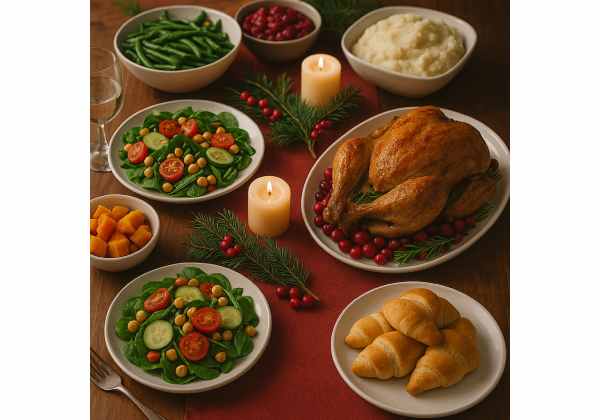
Holiday meals rarely cause trouble because of one slice of pie or one special dinner. Progress usually slips when a few high-calorie days turn into a loose, unplanned stretch of grazing, poor sleep, less movement, and the feeling that the whole season is already “off track.” That is why a holiday eating game plan matters. It gives you a way to enjoy traditional foods, restaurant meals, parties, travel, and family gatherings without sliding into the all-or-nothing mindset that makes weight loss harder.
The goal is not to eat perfectly through every celebration. It is to stay in control of the patterns that matter most. A good plan helps you decide where to be flexible, where to keep structure, and how to recover quickly from a bigger meal without panic or punishment. In this guide, you will learn how holidays disrupt progress, how to choose the right goal for the season, how to build meals and party plates more strategically, and how to use movement, sleep, and simple reset habits to protect your results.
Table of Contents
- Why holidays feel harder than normal weeks
- Choose your goal before the holiday starts
- Build meals that leave room for treats
- Handle parties, buffets, and drinks
- Use routine to protect your progress
- What to do after a big meal
Why holidays feel harder than normal weeks
Holiday eating is challenging for reasons that have very little to do with willpower. The environment changes first. There is more food around, meals are less predictable, portion sizes drift upward, alcohol becomes more common, and leftovers extend the event well past the event itself. Add travel, disrupted sleep, social pressure, and fewer normal routines, and even people who usually eat well can feel pulled off course.
This helps explain why the holiday season feels different from an ordinary weekend. A single celebration is not usually the problem. The problem is repeated exposure to high-reward food with fewer anchors in place. Breakfast is delayed, lunch becomes snacks, dinner becomes a long social meal, and evening dessert becomes “one more treat because it is a special occasion.” None of those choices looks huge on its own. Together, they create a pattern that is easy to underestimate.
Stress also plays a bigger role than many people realize. Holidays can be joyful, but they can also be tiring, expensive, emotionally loaded, and socially demanding. When stress rises, structure often drops. People skip regular meals, stop grocery planning, and use food as relief, reward, or distraction. That is why holidays can magnify the same patterns that show up in everyday stress-related cravings, just with more tempting food and more social pressure around it.
Sleep is another quiet factor. Late nights, travel, alcohol, crowded schedules, and unfamiliar routines can reduce sleep quality fast. That matters because short sleep often makes hunger feel louder and decision-making weaker the next day. A holiday week with two or three poor nights can make portion control feel much harder than usual. That is one reason protecting sleep during weight loss is not a side issue. It changes how manageable the food side feels.
A helpful mindset shift is to stop treating holiday eating as a character test. It is not proof that you are disciplined or undisciplined. It is a higher-risk environment that needs a better plan. When you expect that, you stop being surprised by the pull of the buffet table or the “I already blew it” thought after dessert.
That shift matters because shame makes people passive. Strategy makes them responsive. Once you understand that holidays create more decision points, more food cues, and less structure, the answer becomes clearer: keep the season enjoyable, but add enough guardrails that one celebration does not spill into two weeks of drift.
Choose your goal before the holiday starts
One of the most useful holiday eating strategies is choosing your goal before the event begins. Most people wait until they are already hungry, surrounded by food, and socially distracted. That is exactly when decision quality gets worse. A better approach is to decide early whether this period is about fat loss, maintenance, or controlled flexibility.
For many people, a maintenance goal is the smartest holiday target. That is not lowering the bar. It is recognizing the season you are in. If you are heading into several parties, travel days, family meals, or a long festive weekend, aiming to maintain your current weight or keep your habits mostly intact can be a real win. Trying to lose aggressively during a high-friction period often leads to over-restriction, rebound eating, and frustration.
A simple framework works well:
- Choose the time frame.
Is this one meal, one weekend, or a full holiday week? - Choose the goal.
Fat loss, maintenance, or damage control are different goals and need different expectations. - Choose your non-negotiables.
These might be protein at meals, one plate before seconds, a daily walk, or stopping after two drinks. - Choose your flex points.
These are the foods or moments you truly want to enjoy without guilt.
This matters because the biggest holiday mistake is not eating dessert. It is drifting into a vague mental rule of “I’ll just try to be good.” That usually falls apart the moment the food gets more tempting or the social pressure rises.
A more useful goal sounds like this: “Over the next four days, I am aiming to maintain, not lose. I will eat normal breakfasts, enjoy one dessert when it is worth it, keep alcohol moderate, and walk every day.” That is specific enough to guide real decisions. It also fits with the principle behind realistic weight-loss goals: success improves when the target matches the context.
This is also a good time to decide how you will measure success. During holidays, the scale alone can be misleading because travel, saltier food, alcohol, and later meals can increase water retention. That does not mean tracking is useless. It means your measure of progress should be broader. You might track consistency with habits, number of balanced meals, drinks consumed, or a simple weigh-in pattern rather than obsessing over daily fluctuations. If that structure helps you stay calmer, a light version of daily weigh-in tracking can keep you grounded without turning the season into a scorecard.
The best holiday goal is not the most ambitious one. It is the one that keeps you from swinging between restriction and regret.
Build meals that leave room for treats
Many people handle holiday eating backward. They save calories all day, arrive overly hungry, and then try to “be good” around the biggest spread they have seen all week. That setup makes overeating more likely, not less. A smarter plan is to eat in a way that leaves room for treats without arriving desperate.
Start by keeping earlier meals structured. On celebration days, a balanced breakfast and lunch often work better than skipping meals. When you go too long without eating, your choices get more reactive. You are more likely to pick quickly, eat fast, and lose track of portions. A better pattern is to keep the day normal and slightly lighter if needed, not empty.
Meals that travel well into a holiday dinner tend to have three things:
- A solid amount of protein
- Some fiber from fruit, vegetables, beans, or whole grains
- Enough volume to take the edge off hunger
That combination gives you a steadier appetite and more room to choose deliberately later. This is one reason a simple understanding of portion balance and plate structure is so useful during festive periods. You do not need perfect macros. You need meals that reduce the odds of arriving at dinner ready to eat everything in sight.
Protein deserves special attention because holiday foods are often richer, softer, sweeter, and easier to overeat than normal meals. Protein does not make you immune to that, but it helps. If breakfast is just pastries and coffee, hunger may rebound quickly. If lunch is mostly snack food, you may hit the evening meal with very little appetite control. Building meals around the basics of adequate protein intake can make the holiday meal feel easier to navigate.
A practical celebration-day approach looks like this:
- Eat a normal breakfast instead of “saving up”
- Keep lunch simple and balanced
- Drink water during the day
- Have a protein-rich snack if the event starts late
- Decide before the meal whether dessert is worth planning for
This last point matters. Treats fit better when you expect them. Trouble usually starts when the whole day becomes a chain of unplanned extras: office pastries, tasting while cooking, nibbling appetizers, second helpings, dessert, and late leftovers.
Another useful principle is “choose richness, not randomness.” If the holiday meal includes foods you only get a few times a year, enjoy them intentionally. But do not waste appetite on the bowl of mixed candy, the broken cookies in the kitchen, or the foods you do not even particularly like. Satisfaction improves when indulgence is specific.
The goal is not to make holiday eating feel clinical. It is to keep enough meal structure that the treat stays a treat rather than becoming the center of the day.
Handle parties, buffets, and drinks
Parties, buffets, and restaurant-style holiday meals are where good intentions often become vague. There is no clear portion boundary, the food is visible for hours, and socializing distracts you from how much you are actually eating. The fix is not perfection. It is creating a simple decision sequence before you start.
At buffets and parties, take one slow scan before you build your plate. This small pause helps more than most people expect. It moves you from reactive grabbing to deliberate choosing. Pick the foods you really want, not the ones that happen to be nearest. Then build one satisfying plate instead of grazing from every tray that passes.
A simple plate strategy works well:
- Start with the foods you care about most.
- Add a source of protein if one is available.
- Add produce or higher-volume foods where it makes sense.
- Sit down to eat if possible.
- Wait a little before deciding on seconds.
That pause before seconds matters because holiday meals often outrun fullness signals. People are still talking, serving, and tasting after they are already satisfied. Waiting 10 to 15 minutes can help you tell the difference between “I want more because it tastes good” and “I am actually still hungry.”
Drinks deserve their own plan because they lower awareness and raise intake faster than many people realize. Alcohol can also loosen boundaries around desserts, late-night snacks, and oversized portions. You do not need a zero-drink rule unless that suits you. You do need a number. Deciding in advance whether you are having zero, one, or two drinks is easier than improvising at the table. If alcohol is a regular holiday issue for you, it helps to review the same principles used in alcohol habits for weight loss.
Dessert is another place where permission works better than pretending. If dessert is special, have dessert. But choose it clearly. The common trap is a full dessert plus scattered sweets before and after it. One plated dessert you truly enjoy is often more satisfying than a trail of small bites that never quite feels finished.
It also helps to plan for the long event, not just the meal. Party eating often expands because people linger near food for hours. Use a few guardrails:
- Keep your plate away from the snack table once you finish
- Hold a drink or glass of water instead of circling the food
- Step outside, help clean up, or change rooms if grazing starts
- Bring or identify a backup option, such as fruit or one of your usual smart snack choices, if the only options are endless sweets
Holiday eating goes better when your decisions happen before the social swirl starts. Once the room gets loud, simple rules beat constant negotiation.
Use routine to protect your progress
Holiday weeks feel unpredictable, which is exactly why a few small routines matter so much. You do not need your full normal schedule to protect progress. You just need a handful of anchors that travel well across parties, travel days, family visits, and disrupted plans.
The best anchors are simple enough to keep even when the day is crowded. Examples include:
- A normal breakfast instead of skipping meals
- A daily weigh-in or quick check-in
- A walk after one main meal
- Water before alcohol
- A regular bedtime target
- Protein at the first meal of the day
These habits work because they reduce drift. When the day feels unstructured, one stable action often leads to another. That is especially true with movement. You do not need to “burn off” a holiday meal, but keeping activity in the day helps maintain routine, appetite rhythm, and mood. A short walk after lunch or dinner is often more realistic than chasing a perfect workout during a busy holiday schedule. That is one reason 10-minute walks after meals work so well in festive periods. They are small, repeatable, and tied to something you are already doing.
This is also where people benefit from thinking like maintainers rather than dieters. Someone who maintains well during a holiday does not usually white-knuckle every food choice. They keep a few habits steady so the whole season does not unravel. They might eat a richer dinner, but still take a walk. They might enjoy dessert, but still go to bed at a reasonable hour. They do not need a perfect day to keep the frame intact.
Routine matters even more on weekends and travel-heavy stretches because these are the times when holiday eating tends to spill over. A long festive weekend can easily become four days of restaurant meals, skipped breakfasts, no movement, and constant snacking. That is why the same thinking behind weekend diet survival applies here: do not wait for Monday to get structure back.
A useful question to ask each morning is, “What are my three anchors today?” Keep them small and clear. Maybe it is breakfast, steps, and one plated dessert. Maybe it is two balanced meals, water, and stopping after one drink. That question changes the day from reactive to intentional.
Holiday routines should not feel restrictive. They should feel stabilizing. Their job is to keep celebration from turning into chaos, not to erase the enjoyment from the day.
What to do after a big meal
The most important moment in holiday eating is often not the meal itself. It is the next decision. One larger meal does very little by itself. The damage usually comes from the story people attach to it: “I blew it,” “I’ll start again next week,” or “I may as well keep eating because the day is ruined.” That thinking turns one indulgent meal into a longer lapse.
The right response is boring, which is exactly why it works. After a big meal, do not fast aggressively, punish yourself with extreme exercise, or try to “make up for it” with a miserable next day. Just return to normal structure as quickly as possible.
A simple reset plan looks like this:
- Drink water and get back to your normal routine.
- Take a short walk if it feels good.
- Eat your next meal normally, with protein and fiber.
- Do not keep picking at leftovers all night.
- Do not label the event as failure.
That last step matters because guilt creates more overeating than one holiday plate ever will. When people feel they have failed, they often stop paying attention altogether. It becomes easier to keep snacking, skip movement, and avoid the scale because “the week is already gone.” That is how a single meal becomes a season-long stall.
It also helps to expect temporary scale changes without assigning them too much meaning. Richer meals, higher sodium intake, alcohol, later eating, and travel can all increase water retention. That can make the next morning feel discouraging, but it does not automatically reflect body fat gain in the way people imagine. The useful question is not, “Did I ruin everything last night?” It is, “Am I returning to my normal habits today?”
Leftovers are another hidden risk. The celebration meal ends, but the food stays. Decide early what happens next. Some leftovers are worth keeping and portioning. Others are easiest to send home, freeze, or discard. If they stay visible and available for days, the holiday can keep going long after the gathering ends.
This is where the mindset from handling lapses without turning them into relapses becomes especially valuable. A lapse is a moment. A relapse is a pattern. Holidays do not have to become one.
The bigger picture is simple: progress is rarely lost in one meal, but it is often lost in the reaction to one meal. A calm reset protects more results than panic ever will. If you can enjoy a holiday dinner, return to your next normal meal, and keep moving forward without drama, you are doing exactly what sustainable weight loss requires.
References
- Interventions for the prevention of weight gain during festive and holiday periods in children and adults: A systematic review 2024 (Systematic Review)
- Self-Monitoring of Weight as a Weight Loss Strategy: A Systematic Review 2024 (Systematic Review)
- Obesity Management in Adults: A Review 2023 (Review)
- Overweight and obesity management 2025 (Guideline)
- WHO guidelines on physical activity and sedentary behaviour 2020 (Guideline)
Disclaimer
This article is for general educational purposes only and is not a substitute for medical advice, diagnosis, or treatment. If holiday eating regularly triggers binge eating, significant distress, rapid weight changes, or medical concerns related to diabetes, heart disease, or another condition, get personalized advice from a qualified clinician.
If this article was helpful, please share it on Facebook, X (formerly Twitter), or another platform where it could help someone enjoy the holidays without losing progress.