Oats can lower LDL cholesterol, but the benefit comes from eating enough of the right part of the grain consistently. The key component is beta-glucan, a viscous soluble fiber. A practical evidence-based target is about 3 g of oat beta-glucan per day. Depending on the product, that may take roughly 60 to 80 g of dry oats, a smaller amount of oat bran, or a combination of oat foods. Because beta-glucan content varies, the label is more useful than assuming every bowl provides the same dose.
The average LDL reduction is modest rather than dramatic. Recent trials and meta-analyses generally find reductions of about 0.2 to 0.3 mmol/L, roughly 8 to 12 mg/dL, when oat-based foods or oat beta-glucan are used regularly. Plain rolled, steel-cut, quick, and instant oats can all contribute. The best version is the one you will eat often without loading it with sugar, butter, cream, or other ingredients that work against your cholesterol goals.
Table of Contents
- How oats lower LDL cholesterol
- How much oatmeal you need
- Which type of oats is best
- Best ways to eat oats
- What to expect from your numbers
- Common oatmeal mistakes
- When oats are not enough
How oats lower LDL cholesterol
The cholesterol-lowering effect of oats is mainly linked to beta-glucan. This is a soluble fiber that absorbs water and becomes viscous in the digestive tract. That viscosity changes how bile acids move through the intestine.
Bile acids are made from cholesterol and released into the gut to help digest fat. Much of the bile is normally reabsorbed and reused. Viscous fibers can increase the amount that leaves the body in stool. The liver then has to make more bile acids and can pull additional LDL cholesterol from the blood in the process.
Beta-glucan may also influence the gut microbiome. Colonic bacteria ferment part of the fiber into short-chain fatty acids, which can affect cholesterol metabolism. These effects are supportive, but viscosity and bile-acid handling are considered central to the LDL response.
Clinical evidence supports a real but moderate effect. A 2024 systematic review and meta-analysis of 17 randomized trials involving people with dyslipidemia found that oat-based products reduced LDL cholesterol by about 0.24 mmol/L compared with placebo or a usual diet. That is approximately 9 mg/dL. A 2022 meta-analysis focused on adults with high cholesterol found an average LDL reduction of about 0.27 mmol/L, or roughly 10 mg/dL, with oat beta-glucan.
Those are averages. Someone with a higher starting LDL, a larger beta-glucan intake, or a broader diet change may see more. Someone eating only a small amount of oats may see less.
Oats are therefore best viewed as one part of a cholesterol-lowering pattern. They can work alongside legumes, nuts, seeds, vegetables, fruit, and other sources of soluble fiber for LDL. Replacing foods high in saturated fat is also important because the type of fat in the diet can have a larger effect on LDL than the difference between two oat products.
The benefit does not require oats to be eaten at breakfast. Beta-glucan works because of the amount and regularity, not the clock. Oats can be used in savory meals, baking, snacks, or as a thickener if that makes the routine easier to maintain.
How much oatmeal you need
A useful target is about 3 g of oat beta-glucan per day. This is the intake commonly used in cholesterol research and is consistent with the U.S. regulatory framework for the authorized health claim involving soluble fiber from qualifying oat and barley foods and coronary heart disease risk.
The important point is that 3 g of beta-glucan is not the same as 3 g of total fiber. A serving of oatmeal can contain several grams of total fiber while providing less than 3 g of beta-glucan.
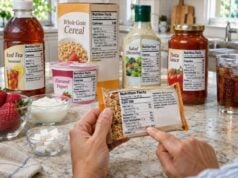
Beta-glucan content differs between oat varieties and products, so there is no single gram weight of oats that guarantees the target. As a practical estimate, many people need around 60 to 80 g of dry rolled or steel-cut oats to approach 3 g of beta-glucan. That is often more than a small 40 g serving. Oat bran is more concentrated and may reach the target in a smaller amount.
If a package states the beta-glucan content, use that number. If it does not, treat serving estimates as approximate. You can reach the daily target in one larger serving or divide it across meals.
| Approach | How it can work | What to check |
|---|---|---|
| One larger bowl | Use enough dry oats to supply close to 3 g beta-glucan | Serving weight and label information |
| Oats twice daily | Split oatmeal, overnight oats, or oat additions between meals | Total daily amount |
| Oat bran | Use a smaller, more concentrated serving | Beta-glucan or soluble-fiber content |
| Mixed strategy | Combine oats with oat bran or another viscous fiber | Overall fiber tolerance |
More is not automatically better. Large jumps in fiber can cause gas, bloating, abdominal discomfort, or looser stools. Increase the amount gradually and drink enough fluid. People who already eat little fiber may do better starting with one normal serving and increasing over one or two weeks.
If your goal is a predictable beta-glucan dose rather than simply eating more oatmeal, oat beta-glucan dosing for LDL explains which products are more likely to count toward the 3 g target.
Which type of oats is best
Steel-cut oats, rolled oats, quick oats, and plain instant oats can all be useful. The main cholesterol-lowering component is still beta-glucan. A less processed appearance does not automatically mean a product lowers LDL more.
Steel-cut oats are groats chopped into pieces. Rolled oats are steamed and flattened. Quick oats are rolled thinner or cut smaller. Instant oats are processed for faster preparation. All can retain beta-glucan.
Processing matters because beta-glucan’s molecular weight, solubility, and viscosity can change. Those properties influence how well it performs in the gut. However, this does not translate into a simple rule that “steel-cut is good and instant is bad.” A plain instant oatmeal that provides a meaningful amount of oat beta-glucan can still be a reasonable cholesterol-lowering food.
Whole-oat foods also provide nutrients beyond beta-glucan, including unsaturated fat, protein, minerals, and other fibers. A 2023 systematic review found that both whole-oat interventions and isolated beta-glucan improved lipid profiles.
For most people, choose by these priorities:
- enough oats to provide a meaningful beta-glucan dose;
- little or no added sugar;
- little saturated fat;
- a texture and cooking time you can sustain;
- toppings that improve rather than dilute the meal.
Oat bran is worth considering when volume is a problem. It can be cooked as cereal or mixed into regular oatmeal, yogurt, soups, smoothies, and batters. Because the concentration varies, the package remains the best guide.
Oat flour can also contribute when it is genuinely whole oat flour and used in meaningful amounts. A muffin with a small sprinkle of oats on top is not equivalent to a bowl of oatmeal.
Oat milk is much less predictable. Some products may contain beta-glucan, but others are highly diluted, strained, or do not state the amount. Choose oat milk for taste or dietary preference rather than assuming one glass delivers a therapeutic cholesterol-lowering dose.
Granola deserves similar caution. Oats may be the first ingredient, yet large amounts of sugar, coconut oil, butter, or chocolate can make the final product calorie-dense and relatively high in saturated fat. Plain oats give you more control.
Best ways to eat oats
The best oatmeal for cholesterol is not the blandest one. It is the version that delivers enough oats and fits into an overall eating pattern that lowers LDL.
For a sweet breakfast, cook oats with water or low-fat milk and add berries, apple, pear, or another whole fruit. Fruit adds fiber and sweetness without needing much added sugar. Cinnamon, vanilla, cocoa powder, or nutmeg can add flavor.
Nuts and seeds are useful toppings because they add unsaturated fat. A tablespoon or two of walnuts, almonds, chia, or ground flax can make oatmeal more filling and may improve the overall fat profile of the meal. Keep portions sensible because these foods are energy-dense.
A simple cholesterol-friendly bowl might contain:
- 60 to 80 g dry oats, adjusted to the beta-glucan information on the package;
- fruit for sweetness and additional fiber;
- a small portion of nuts or seeds;
- milk, unsweetened soy beverage, or water;
- cinnamon or another spice instead of a large amount of syrup.
Savory oats work just as well. Cook oats with water or low-sodium broth and add vegetables, beans, herbs, tofu, an egg, or a small amount of olive oil. This can replace a refined grain side dish while adding soluble fiber.
Overnight oats can be convenient, especially if lack of time is the main barrier. Soaking does not make the beta-glucan disappear. Keep an eye on extras such as sweetened yogurt, honey, maple syrup, granola, and large amounts of dried fruit, which can turn a modest breakfast into a high-calorie dessert.
The most powerful change is often substitution. If oats replace bacon and buttered toast, a pastry, or a breakfast sandwich high in saturated fat, you gain beta-glucan and remove some LDL-raising foods at the same time. For more ideas, high-fiber breakfast choices for cholesterol can help build the rest of the meal.
You can also combine oats with other LDL-lowering foods across the day. Beans or lentils at lunch, nuts as a snack, vegetables at dinner, and olive oil in place of butter create a larger cumulative effect than trying to make oatmeal do all the work.
What to expect from your numbers
Oats generally produce a modest LDL reduction, not a medication-sized change. In recent meta-analyses, average LDL reductions have been around 0.2 to 0.3 mmol/L, or approximately 8 to 12 mg/dL. The exact response varies.
The effect is often visible within several weeks because many trials run for at least four weeks. If you make oats part of a stable daily routine, a repeat lipid panel after roughly 6 to 12 weeks can show whether the change is meaningful for you. The timing should fit any plan your clinician has already set.
Do not judge success only by the scale. Oats can fit into weight loss, weight maintenance, or weight gain depending on portion and toppings. Their cholesterol effect is not dependent on losing weight first.
It also helps to know what oats usually do not change much. The 2024 dyslipidemia meta-analysis found little effect on HDL cholesterol or triglycerides. That is consistent with the idea that oat beta-glucan is primarily an LDL- and total-cholesterol tool.
If triglycerides are the main problem, the priorities may be different: alcohol intake, excess calories, refined carbohydrates, diabetes control, weight, and certain medications can matter more. High triglycerides require a different troubleshooting approach.
A small LDL reduction still matters when it is durable. Diet changes are usually additive. Oats may lower LDL a little, replacing saturated fat may lower it further, and weight loss or medication can add another layer when indicated. The goal is not to find one perfect food; it is to move the entire risk profile in the right direction.
Common oatmeal mistakes
The first mistake is assuming that any food labeled “oat” delivers the same cholesterol benefit. Oat cookies, cereal bars, sweetened granola, and oat drinks can contain too little beta-glucan to match a meaningful dose.
The second is eating too small a serving. A small bowl can be nutritious, but it may not provide the roughly 3 g beta-glucan target used for cholesterol lowering. Check the package if the dose matters to you.
The third is turning oatmeal into dessert. Brown sugar, syrup, cream, butter, coconut oil, chocolate chips, and large amounts of sweetened nut butter can add calories, sugar, and saturated fat. A teaspoon of sugar is not a crisis, but the whole bowl should still support the goal.
The fourth is assuming steel-cut oats are required. If a 30-minute cooking time makes you give up after three days, plain quick oats are the better choice. Consistency beats a theoretically ideal format that you will not use.
The fifth is ignoring saturated fat elsewhere. Oatmeal at breakfast cannot fully compensate for a diet that is high in butter, fatty meats, coconut oil, pastries, and full-fat dairy. Reducing LDL usually requires attention to the entire day. Replacing saturated fat with unsaturated fat is a core strategy.
The sixth is increasing fiber too fast. A sudden jump from very little fiber to several large servings of oats plus beans and psyllium can cause bloating. Increase gradually.
Finally, do not assume “gluten-free oats” are necessary unless you have celiac disease, gluten sensitivity, or another reason to avoid gluten. Oats themselves do not contain wheat gluten, but ordinary oats can be contaminated with wheat, barley, or rye during farming and processing. People with celiac disease should use oats specifically labeled gluten-free and follow their clinician’s guidance.
When oats are not enough
Oats are useful for mildly elevated LDL and as an adjunct for people already receiving treatment. They are not a substitute for a cardiovascular risk assessment.
Some people need much larger LDL reductions than food alone can provide. That includes many people with established atherosclerotic cardiovascular disease, very high LDL, familial hypercholesterolemia, diabetes with substantial cardiovascular risk, or evidence of plaque. In these situations, delaying effective medication while trying one food at a time can leave risk untreated.
A good way to use oats is as part of a layered plan:
- Eat enough beta-glucan-containing oats regularly.
- Replace saturated fat with unsaturated fat.
- Increase vegetables, fruit, legumes, nuts, and other whole plant foods.
- Stay physically active and work toward a healthy weight if needed.
- Take prescribed lipid-lowering medicine consistently.
- Recheck cholesterol on the schedule recommended by your clinician.
If LDL remains above your personal goal, the next step is not necessarily more oatmeal. It may be a broader dietary change, a higher-intensity statin, or another cholesterol-lowering medicine based on your risk.
People taking medications should also remember that a high-fiber meal can affect absorption of some drugs. Oats are safe for most people, but if a medication has specific instructions about food or spacing from fiber, follow the label or pharmacist’s advice.
The practical bottom line is simple: oats can make a measurable difference, especially when you get close to 3 g of beta-glucan daily and use them to replace less heart-friendly foods. They are inexpensive, flexible, and evidence-based. Just keep the expected effect realistic and treat them as one tool in a complete cholesterol plan.
There is no need to eat oats every single morning if that makes the diet monotonous. What matters is reaching a useful beta-glucan intake often enough to make the habit sustainable. You can rotate oatmeal with oat bran, add oats to yogurt, use them in bean or vegetable patties, or replace part of refined flour with whole-oat flour.
When comparing packaged products, start with the ingredient list. “Whole grain oats” or oat bran near the top is more reassuring than a product in which oats appear after sugar and refined flour. Then check added sugar and saturated fat. A cholesterol-friendly product does not need to be sugar-free, but the extras should not overwhelm the reason you chose oats.
If you dislike the texture of a large oat serving, do not force it. Use a smaller bowl and add another source of viscous fiber later in the day, such as beans or psyllium, while keeping the overall diet balanced. Psyllium for lowering LDL is another evidence-based option for people who cannot reach a useful oat beta-glucan dose comfortably.
This flexibility is important because cholesterol management is long term. A routine you can maintain for months and years is more valuable than a perfect breakfast you abandon after a week.
Breakfast composition can amplify the value of oats. Oatmeal with berries and walnuts replaces a very different meal than oatmeal topped with butter, cream, brown sugar, and a large amount of coconut. The beta-glucan may be present in both bowls, but the rest of the meal changes calories, saturated fat, and overall nutrient quality.
Texture preference is a practical issue, not a health failure. Steel-cut oats are chewy, rolled oats are softer, and quick oats cook faster. Overnight oats are cold and convenient. If you tolerate one format much better, use it. The most important cholesterol question is whether you are eating enough beta-glucan consistently, not whether the grain looks minimally processed.
You can also spread the dose. A smaller bowl at breakfast and oat bran stirred into another meal may be easier than one very large serving. This can reduce bloating and make the habit feel less repetitive.
When you repeat a lipid panel, compare the result with a realistic expectation. If LDL falls by roughly 5% to 10%, oats may be contributing meaningfully, especially if other parts of the diet improved too. If LDL remains far above the goal, do not keep escalating oatmeal indefinitely. The remaining gap may require a larger change in saturated fat intake, more intensive overall dietary therapy, or medication. Food works best when it is used for the size of effect it can reasonably deliver.
References
- Efficacy of oats in dyslipidemia: a systematic review and meta-analysis 2024 (Systematic Review and Meta-Analysis)
- The separate effects of whole oats and isolated beta-glucan on lipid profile: A systematic review and meta-analysis of randomized controlled trials 2023 (Systematic Review and Meta-Analysis)
- Effects of Oat Beta-Glucan Intake on Lipid Profiles in Hypercholesterolemic Adults: A Systematic Review and Meta-Analysis of Randomized Controlled Trials 2022 (Systematic Review and Meta-Analysis)
- Research Progress in the Extraction, Structural Characteristics, Bioactivity, and Commercial Applications of Oat β-Glucan: A Review 2024 (Review)
- Authorized Health Claims That Meet the Significant Scientific Agreement (SSA) Standard 2024 (Official Guidance)
Disclaimer
This article is for general educational purposes and is not a substitute for individual medical advice. Cholesterol targets and treatment choices depend on your overall cardiovascular risk, medical history, and medications. Ask a qualified healthcare professional how dietary changes should fit with your treatment plan.