
Lipids for Longevity: ApoB and Non-HDL as Primary Markers
A longer healthspan depends on managing the drivers of cardiovascular disease early and well. Among the most powerful levers is understanding your lipid profile—beyond...
Lipoprotein(a) and Longevity: Who Should Test and What Levels Mean
Lipoprotein(a), or Lp(a), is a cholesterol-carrying particle with a unique protein “tail” called apolipoprotein(a). Unlike standard lipids, your Lp(a) level is set mostly by...
Microbiome Testing for Longevity: When It Helps and When to Skip

The gut microbiome is tightly linked to diet, medication use, metabolic health, and aging biology—but that does not mean every stool test offers clear,...
NAFLD Screening for Longevity: ALT, AST, FIB-4, and Ultrasound

Nonalcoholic fatty liver disease—now widely termed metabolic dysfunction–associated steatotic liver disease (MASLD)—is common, quiet, and tightly linked to cardiometabolic health. Most people never feel...
OGTT vs Mixed-Meal Test: Choosing a Glucose Challenge
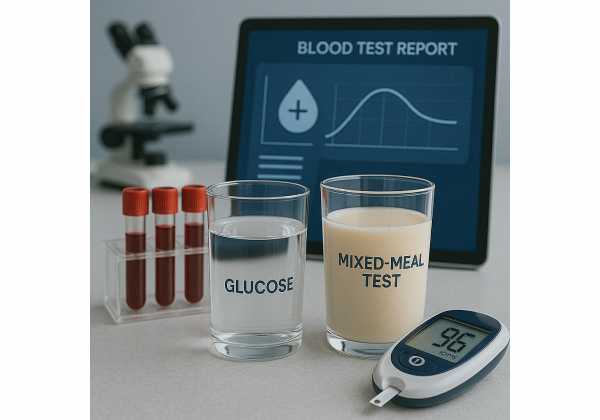
Glucose challenges help answer a practical question: how does your body handle a sugar surge in real life? The oral glucose tolerance test (OGTT)...
Omega 3 Index for Longevity: Testing and Targets

A high-functioning longevity plan looks beyond total cholesterol and basic fish-oil advice. The omega-3 index—EPA plus DHA measured in red blood cells—offers a direct,...
Resting Heart Rate and HRV for Healthy Aging: What to Track

A long healthspan depends on daily choices that compound over years. Two metrics can help you steer: resting heart rate (RHR), the number of...
Sleep and Wearables for Longevity: What to Trust and What to Ignore

Modern wearables promise lab-like sleep insights from your wrist, finger, or mattress. They are useful—but imperfect—tools. Understanding what these devices actually sense (movement, heart...
Thyroid Checkpoints for Longevity: TSH, Free T4/T3, and Patterns

A healthy thyroid supports energy, mood, metabolic rate, bone health, and cardiovascular resilience across the lifespan. Yet thyroid issues often unfold quietly and are...
Triglycerides to HDL Ratio: Simple Signal for Metabolic Healthspan
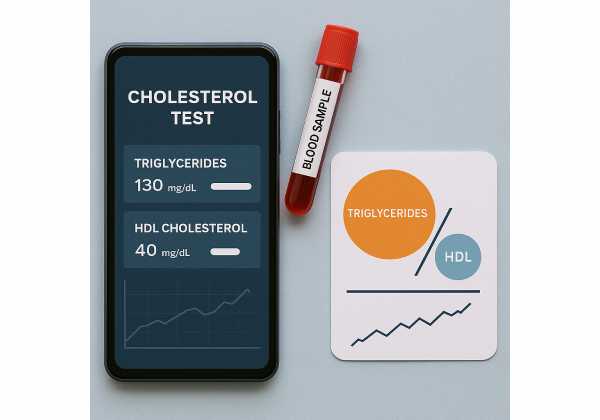
The triglyceride to HDL cholesterol (TG:HDL) ratio turns two familiar lipid numbers into a compact snapshot of metabolic status. Because triglycerides reflect how the...
Uric Acid and Longevity: When Numbers Matter
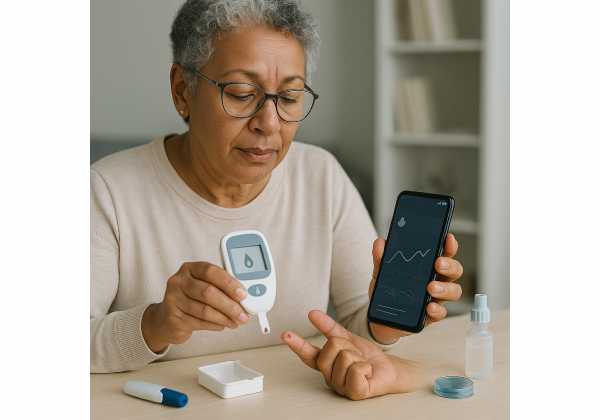
Well-chosen numbers make prevention practical. Serum uric acid is one of those numbers: easy to measure, biologically meaningful, and linked to crystal disease (gout...
Vitamin D Status in Healthy Aging: How to Test and Interpret
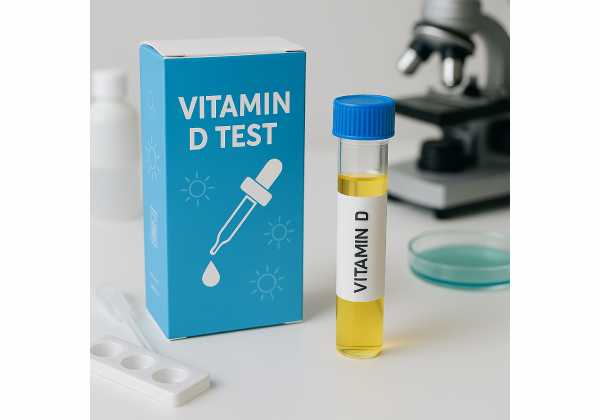
Vitamin D sits at the intersection of bone strength, muscle performance, and long-term independence. Yet many people still wonder what to test, how to...
Waist to Height Ratio and Waist Circumference: Simple At Home Metrics

A tape measure and a few minutes are enough to track two of the most useful markers of central fat: waist circumference and waist-to-height...
Galactomannan: Evidence-Based Uses for Blood Sugar, Cholesterol, Gut Health, and Side Effects

Galactomannan is a family of soluble fibers found in several edible gums—most notably guar gum, fenugreek gum, and locust bean (carob) gum. In foods,...
Galacto-oligosaccharides: Health Benefits, How to Use, Optimal Dosage, and Safety

Galacto-oligosaccharides (GOS) are prebiotic fibers found in small amounts in some dairy products and made at scale from lactose. They pass through the upper...
Galactose: What It Is, Evidence-Based Benefits, How to Use It, and Risks

Galactose is a simple sugar (a monosaccharide) best known as one half of lactose, the milk sugar. Beyond being an energy source, galactose is...