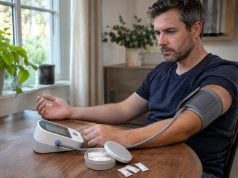
Panic attacks can imitate heart problems because both can cause a racing or pounding heartbeat, chest discomfort, shortness of breath, sweating, dizziness, weakness, and a sense that something is wrong. The important difference is that “heart problem” covers much more than a heart attack. Arrhythmias such as atrial fibrillation or supraventricular tachycardia, angina from reduced blood flow, valve disease, inflammation around the heart, and other cardiac conditions can all create symptoms that resemble anxiety.
There is no home symptom test that can safely separate every panic attack from every heart condition. Patterns help, but objective testing is often needed when symptoms are new, unexplained, exertional, recurrent, or associated with fainting. Panic attacks commonly involve sudden intense fear, rapid breathing, trembling, tingling, and a peak within minutes. Cardiac symptoms may be more closely tied to exertion, a clearly irregular rhythm, abrupt episodes of very fast heartbeat, or persistent breathlessness. Still, overlap is substantial. The safest approach is to recognize red flags, document the pattern, and let medical testing settle uncertainty when necessary.
Table of Contents
- Why Panic Can Feel Like a Heart Problem
- Heart Problems That Can Mimic Panic
- Clues That Help Separate Panic From a Cardiac Cause
- When Symptoms Are an Emergency
- Tests That Can Find a Heart Cause
- What a Normal Heart Workup Does—and Does Not—Mean
- How to Handle Recurrent Episodes
Why Panic Can Feel Like a Heart Problem
A panic attack activates the body’s emergency response. Adrenaline rises, the heart beats faster and harder, blood vessels change tone, breathing speeds up, muscles tighten, and sweating increases. These are normal survival mechanisms occurring at the wrong time or with excessive intensity.
Rapid breathing can add another layer of symptoms. Hyperventilation lowers carbon dioxide in the blood, which can cause lightheadedness, tingling around the mouth or in the hands and feet, chest tightness, a feeling of air hunger, and muscle cramping. Once a person notices a pounding heart or chest sensation, fear can rise further, producing a feedback loop: sensation leads to catastrophic interpretation, which increases adrenaline, which creates stronger sensations.
Cardiac disease can activate many of the same systems. An arrhythmia can suddenly raise heart rate and trigger sweating, dizziness, breathlessness, and fear. Reduced blood flow to the heart can cause chest pressure and a stress response. Even benign premature beats can feel like a pause, thump, or flutter that is startling enough to provoke panic.
This overlap is why emotional intensity does not prove the cause is psychiatric. A person having a true arrhythmia may feel terrified. At the same time, panic can create very real physical symptoms without structural heart disease.
The broader guide to heart and non-heart causes of chest pain can help put these possibilities in context, but active or concerning symptoms require medical assessment rather than self-diagnosis.
Heart Problems That Can Mimic Panic
Several cardiac conditions can look like panic, and each has a somewhat different pattern.
Arrhythmias
An arrhythmia is an abnormal heart rhythm. Some cause a very fast heartbeat, an irregular pulse, skipped beats, pounding, chest discomfort, breathlessness, dizziness, or near-fainting.
Supraventricular tachycardia (SVT) often starts and stops abruptly. A person may feel fine one moment and then suddenly notice a rapid, regular heartbeat that can be well above 150 beats per minute. Because the onset is so sudden and frightening, SVT is sometimes mistaken for panic.
Atrial fibrillation (AFib) often feels irregular rather than simply fast. Symptoms can include fluttering, fatigue, shortness of breath, reduced exercise tolerance, dizziness, or no symptoms at all. The guide to atrial fibrillation symptoms explains common patterns and warning signs.
Premature atrial or ventricular beats can feel like skipped beats, pauses, or heavy thumps. They are often benign but can become more noticeable with caffeine, alcohol, lack of sleep, stress, or illness.
Angina and heart attack
Angina is discomfort caused by insufficient blood flow to the heart muscle. It may feel like pressure, heaviness, squeezing, burning, or tightness rather than sharp pain. Stable angina often appears with exertion or emotional stress and improves with rest. Unstable angina and heart attack can occur at rest and require emergency evaluation.
A heart attack may cause chest pressure, shortness of breath, sweating, nausea, weakness, or discomfort spreading to the arm, shoulder, jaw, back, or upper abdomen. Some people—particularly women, older adults, and people with diabetes—have less typical presentations.
Structural and inflammatory heart conditions
Valve disease can cause exertional shortness of breath, chest discomfort, fainting, fatigue, or palpitations. Cardiomyopathy can cause breathlessness, exercise intolerance, swelling, rhythm problems, or fainting. Pericarditis, inflammation of the sac around the heart, often causes sharp chest pain that changes with body position or breathing.
These problems generally cannot be confirmed from symptoms alone. Their importance lies in recognizing when the pattern does not fit a brief, self-limited panic episode.
A few other cardiovascular problems can enter the differential diagnosis even though they are less common. Heart failure tends to cause a more persistent pattern of breathlessness, reduced exercise tolerance, swelling, rapid weight gain from fluid, or difficulty breathing when lying flat rather than a short burst of fear that fully resolves. Myocarditis, inflammation of the heart muscle, can cause chest pain, palpitations, shortness of breath, fatigue, or fainting, sometimes after a viral illness. These conditions need medical testing because the symptoms overlap with many noncardiac problems.
The rhythm pattern is especially useful when palpitations dominate. Panic commonly produces sinus tachycardia—the heart’s normal rhythm running faster under adrenaline. The rate often rises and falls with fear, breathing, movement, and recovery. Re-entrant arrhythmias such as SVT can feel more like a switch flipping on and off, with a sudden start and sudden stop. That clue is useful but not perfect; only an ECG tracing during the episode can identify the rhythm with confidence.
It is also possible for a benign rhythm change to trigger panic secondarily. One premature beat can create a strong “thump,” which then causes fear, faster breathing, and a sustained adrenaline surge even though the original rhythm disturbance was minor. Treating the anxiety may help the second half of that chain, while rhythm monitoring can clarify the first half.
Clues That Help Separate Panic From a Cardiac Cause
A symptom pattern can shift probability, but no single clue is definitive. The table below is a guide to questions clinicians commonly ask—not a diagnostic test.
| Pattern | More compatible with panic | Raises concern for a heart cause |
|---|---|---|
| Emotional symptoms | Sudden intense fear, loss-of-control feeling, fear of dying | Fear may occur but is not usually the only prominent feature |
| Breathing | Rapid breathing with tingling around mouth or fingers | Breathlessness with exertion, lying flat, or leg swelling |
| Heart rhythm | Fast pulse that gradually settles as fear settles | Abrupt start/stop, markedly fast regular rhythm, or clearly irregular pulse |
| Chest symptoms | Variable tightness, sharp pain, aching, or pressure | Exertional pressure/heaviness or pain spreading to arm, jaw, back, or shoulder |
| Timing | Often peaks rapidly within minutes | Reproducibly appears with physical effort or persists/progresses |
| Fainting | Lightheadedness is common; true syncope can occur but is less typical | Fainting during exercise or with palpitations is a major red flag |
| Between episodes | May feel normal apart from anticipatory anxiety | Ongoing exercise intolerance, swelling, or progressive breathlessness needs evaluation |
Clues that favor panic—but do not prove it
Panic becomes more likely when episodes are recurrent and stereotyped, have already been medically evaluated, include intense fear plus several classic panic symptoms, and resolve without objective cardiac abnormalities. Tingling in both hands or around the mouth during fast breathing is particularly compatible with hyperventilation.
Panic attacks can happen without an obvious stressor. The National Institute of Mental Health notes that unexpected attacks can occur even during sleep. Therefore, “I was calm when it started” does not rule out panic.
Clues that deserve cardiac evaluation
A heart cause becomes more concerning when symptoms occur during exercise, awaken someone with a rapid or irregular heartbeat, cause fainting, or occur in a person with known cardiovascular disease. A family history of sudden cardiac death at a young age, inherited rhythm disorders, cardiomyopathy, or unexplained fainting is also important.
A heart rate that jumps during activity is not necessarily abnormal, but disproportionate or unexplained spikes deserve context. The guide to heart-rate spikes during simple activities explains common benign and medical causes.
Risk factors such as diabetes, smoking, high blood pressure, high LDL cholesterol, kidney disease, and older age increase the chance that chest symptoms represent coronary disease, but absence of these factors does not make serious heart disease impossible.
When Symptoms Are an Emergency
Call your local emergency number for new or severe chest pressure, squeezing, heaviness, or pain—especially if it lasts more than a few minutes, returns after easing, or comes with shortness of breath, cold sweating, nausea, vomiting, fainting, or pain spreading to the arm, shoulder, jaw, back, or upper abdomen.
Emergency care is also appropriate for:
- Fainting during exercise.
- A new sustained very rapid heartbeat with chest pain, severe breathlessness, or near-fainting.
- A very slow heart rate with weakness, confusion, or fainting.
- Palpitations plus new neurologic symptoms such as one-sided weakness or trouble speaking.
- Severe shortness of breath at rest.
- New chest symptoms in someone with known coronary artery disease, previous heart attack, stent, or bypass surgery.
- Any episode that is distinctly different from previously evaluated panic attacks.
Do not assume that symptoms are safe because they improve after a few minutes. Some arrhythmias stop spontaneously, and heart-attack discomfort can come and go. Likewise, do not rely on a smartwatch, blood-pressure monitor, pulse oximeter, or one normal pulse reading to rule out a dangerous cause.
For chest-pain triage, ER warning signs for chest pain provides a more detailed emergency checklist.
Tests That Can Find a Heart Cause
The right test depends on the main symptom. Chest pressure, recurrent palpitations, fainting, and progressive breathlessness do not all require the same workup.
A 12-lead ECG is usually the starting point for palpitations or suspected cardiac symptoms. It can show atrial fibrillation, conduction problems, evidence of a prior or acute heart injury, and several inherited electrical patterns. The limitation is timing: if an intermittent arrhythmia has stopped before the ECG is recorded, the tracing may look normal.
That is where ambulatory rhythm monitoring helps. A 24- to 48-hour Holter monitor is useful when symptoms happen daily. Patch monitors can record for a week or two, and event monitors can be used longer when episodes are less frequent. Matching a symptom timestamp with the recorded rhythm can answer a crucial question: was the heart rhythm abnormal when the person felt panic-like symptoms? The guide to the Zio Patch heart monitor explains one common extended-monitoring option.
For possible heart attack or acute coronary syndrome, emergency evaluation can include serial ECGs and high-sensitivity troponin blood tests. Depending on risk, clinicians may use coronary CT angiography, stress testing, echocardiography, or invasive angiography.
An echocardiogram is useful when structural disease is suspected. It can assess heart pumping function, chamber size, valves, and some cardiomyopathies. Exercise testing may be appropriate for exertional symptoms once an acute emergency has been ruled out.
Basic blood tests may reveal noncardiac triggers of palpitations, such as anemia, thyroid disease, electrolyte abnormalities, or low blood sugar. Caffeine, nicotine, decongestants, stimulant medications, recreational stimulants, alcohol, and withdrawal states can also contribute.
The 2023 ACC/AHA atrial fibrillation guideline emphasizes that AFib diagnosis requires visual confirmation of an ECG or rhythm tracing. A wearable alert can be a useful clue, but a notification alone should not be treated as a final diagnosis.
The same caution applies to heart-rate numbers from a watch. A rate of 130 beats per minute can occur with panic, fever, dehydration, exercise, SVT, atrial fibrillation, or several other conditions. The number does not identify the rhythm. If episodes are brief, saving a wearable ECG tracing can sometimes help a clinician, but consumer devices can produce artifact and may miss rhythms they were not designed to classify.
Test selection should match the symptom frequency. Daily palpitations are more likely to be captured on a short Holter monitor, while symptoms that occur once every week or two often need a longer patch or event monitor. Very infrequent but concerning fainting may require a different monitoring strategy. A normal test is most reassuring when it had a realistic chance to capture the problem being investigated.
For exertional symptoms, clinicians may also look for anemia, lung disease, medication effects, and deconditioning rather than assuming the heart is the only possible source. The purpose of the workup is not to order every cardiac test; it is to choose the few tests that answer the specific safety question raised by the history.
What a Normal Heart Workup Does—and Does Not—Mean
A normal evaluation can be very reassuring, but the meaning depends on what was tested and whether symptoms occurred during testing.
A normal ECG taken between episodes does not exclude an intermittent arrhythmia. A normal troponin does not explain every form of chest discomfort. A normal echocardiogram does not rule out all rhythm problems or coronary disease. Conversely, if a clinician has appropriately assessed the risk, monitored the rhythm during typical episodes, and found no concerning cardiac cause, repeated panic-like symptoms become more reasonably attributable to anxiety or another noncardiac mechanism.
This is why documenting the symptom pattern is useful. Record:
- What you were doing when the episode began.
- Whether onset was abrupt or gradual.
- Heart rate and whether it felt regular or irregular.
- Chest sensation and whether it spread anywhere.
- Shortness of breath, sweating, nausea, tingling, or faintness.
- How long symptoms lasted.
- What made them stop.
- Caffeine, alcohol, nicotine, stimulant, or medication exposure.
A normal cardiac workup should not be interpreted as “nothing is wrong” if panic is causing major distress. Panic disorder is a treatable health condition. The NIMH describes cognitive behavioral therapy as a well-supported treatment, and medications such as SSRIs or SNRIs can help when appropriate.
Reassurance works best when it is specific. “Your heart is fine” may feel comforting for a day but leave unanswered questions if the person does not know what was actually checked. A more useful discussion explains whether the ECG was normal, whether troponin ruled out acute injury, whether an echocardiogram showed normal structure, or whether a monitor captured the typical episode in normal rhythm. Understanding what the testing did—and did not—exclude can reduce repeated emergency visits without encouraging someone to ignore genuinely new symptoms.
How to Handle Recurrent Episodes
For recurrent symptoms, the goal is to stop bouncing between two extremes: assuming every sensation is dangerous or dismissing every episode as anxiety. A structured plan works better.
- Get an appropriate initial medical assessment. This is especially important for new chest pain, fainting, exertional symptoms, or sustained palpitations.
- Capture the rhythm if palpitations are intermittent. Ask whether ambulatory monitoring is appropriate if a standard ECG misses episodes.
- Identify modifiable triggers. Excess caffeine, nicotine, stimulant decongestants, sleep deprivation, dehydration, alcohol, and some medications can worsen both palpitations and anxiety.
- Treat confirmed panic directly. CBT, exposure-based methods, and appropriate medication can reduce attacks and fear of body sensations.
- Keep an emergency rule. New, different, severe, exertional, or fainting-associated symptoms should be reassessed rather than automatically labeled panic.
During a familiar panic episode that has already been medically evaluated, slow breathing can reduce hyperventilation. Breathe gently rather than taking repeated large breaths; a relaxed exhale that lasts longer than the inhale often feels steadier. Sit somewhere safe, loosen tense muscles, and remind yourself that adrenaline symptoms can be intense without being dangerous.
Avoid paper-bag breathing. Shortness of breath can come from serious heart or lung disease, and rebreathing exhaled air can be unsafe when the cause has not been established.
The most useful distinction is therefore not “panic symptoms versus heart symptoms” as if the two lived in separate boxes. It is a pattern plus objective evaluation. Panic can produce strong cardiovascular sensations, and heart disease can produce fear. Recurrent uncertainty is best solved by documenting episodes, capturing the rhythm when needed, and treating whichever condition the evidence supports.
A written plan can also reduce uncertainty between episodes. Keep the name of the clinician managing the problem, the circumstances that should trigger emergency care, and the monitoring strategy in one place. That makes it easier to respond consistently instead of making a new high-stress decision each time symptoms recur.
References
- 2023 ACC/AHA/ACCP/HRS Guideline for the Diagnosis and Management of Atrial Fibrillation: A Report of the American College of Cardiology/American Heart Association Joint Committee on Clinical Practice Guidelines 2023 (Guideline)
- 2021 AHA/ACC/ASE/CHEST/SAEM/SCCT/SCMR Guideline for the Evaluation and Diagnosis of Chest Pain: A Report of the American College of Cardiology/American Heart Association Joint Committee on Clinical Practice Guidelines 2021 (Guideline)
- Panic Disorder: What You Need to Know 2025 (Official Page)
- Palpitations: Evaluation and management by primary care practitioners 2022 (Review)
- Panic disorder in general medical practice- A narrative review 2022 (Review)
Disclaimer
This article is for general education and cannot diagnose the cause of active chest pain, palpitations, fainting, or shortness of breath. Seek urgent medical care for new or severe chest symptoms, fainting, marked breathlessness, neurologic symptoms, or a sustained rapid or irregular heartbeat with weakness or chest pain. Do not stop heart or psychiatric medication or rely on a wearable device to rule out a serious cardiac condition without professional guidance.