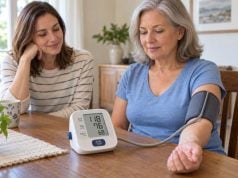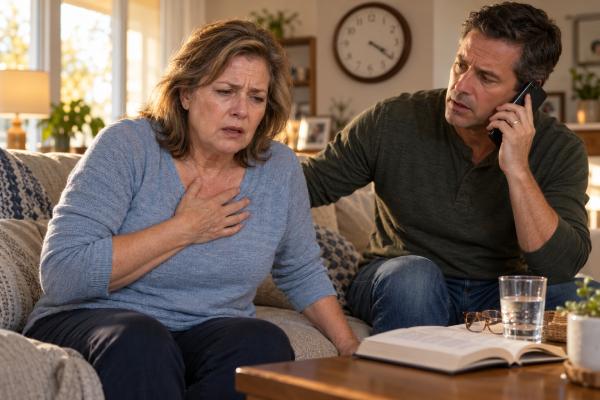
Chest pain can come from the heart, lungs, esophagus, muscles, ribs, or even a panic attack, and the cause is not always obvious from how the pain feels. The safest rule is simple: new, severe, unexplained, or worsening chest pain—especially with shortness of breath, sweating, nausea, fainting, or pain spreading to the arm, jaw, back, or shoulder—needs emergency evaluation. Call emergency medical services rather than driving yourself if a heart attack or another life-threatening cause is possible. Do not wait for pain to become unbearable or assume that brief, intermittent, burning, or reproducible pain is harmless. Heart-related symptoms can be mild, can come and go, and can vary between people. The emergency department can quickly check an electrocardiogram, vital signs, and blood tests such as high-sensitivity troponin to look for heart injury while also considering dangerous lung and aortic conditions. When the symptoms are uncertain, it is safer to be evaluated promptly than to rely on symptom patterns alone.
Table of Contents
- Chest Pain That Needs Emergency Care
- How Long to Wait Before Going to the ER
- Heart Attack and Other Dangerous Causes
- Symptoms That Change the Risk
- What to Do While Help Is Coming
- What the ER Will Check
- When Chest Pain May Be Less Urgent
Chest Pain That Needs Emergency Care
Go to the emergency department or call emergency medical services for chest discomfort that is new, severe, unexplained, or different from your usual symptoms. The concern is not only a heart attack. Several time-sensitive conditions can cause chest pain, and early treatment matters.
Treat chest pain as an emergency when it has any of these features:
- Pressure, squeezing, heaviness, tightness, fullness, or crushing discomfort in the center or left side of the chest.
- Pain or pressure that spreads to one or both arms, the shoulders, neck, jaw, upper abdomen, or back.
- Chest discomfort with shortness of breath, cold sweating, nausea, vomiting, marked weakness, dizziness, or fainting.
- Sudden severe chest or upper-back pain that feels tearing, ripping, or unlike anything you have felt before.
- Sudden chest pain with unexplained shortness of breath, coughing up blood, a very fast pulse, or one-sided leg swelling.
- Chest pain during exertion that is new, worsening, or occurring with less activity than before.
- Chest pain with a new irregular heartbeat, severe palpitations, confusion, weakness on one side, trouble speaking, or loss of consciousness.
- Chest discomfort in someone with known coronary artery disease when the pattern has changed or prescribed rescue medication is not working as expected.
You do not need to have every “classic” symptom. A heart attack may feel like indigestion, pressure, burning, aching, or unusual breathlessness rather than dramatic crushing pain. If you want a broader comparison of common possibilities, chest pain from heartburn, anxiety, muscle strain, and heart causes can overlap more than many people expect.
Risk also changes the threshold for urgent evaluation. Older age, smoking, diabetes, high blood pressure, high cholesterol, kidney disease, prior heart attack or stroke, and a strong family history make coronary disease more likely. Pregnancy and the weeks after delivery can increase the risk of certain blood clots and aortic problems. Still, young age or good fitness does not completely rule out a dangerous cause.
How Long to Wait Before Going to the ER
Do not use a fixed number of minutes as permission to wait. If chest pain is severe, concerning, or accompanied by emergency warning signs, call for help immediately. Some heart attacks cause discomfort that lasts more than a few minutes, while others produce symptoms that fade and return. A short episode can still matter, especially if it happened with exertion or came with sweating, breathlessness, fainting, or radiation of pain.
A practical way to think about timing is:
| Situation | What to do |
|---|---|
| Severe, crushing, pressure-like, or rapidly worsening chest pain | Call emergency medical services now |
| Chest pain plus shortness of breath, sweating, nausea, fainting, or pain spreading to the arm, jaw, or back | Call emergency medical services now |
| New exertional chest pressure that stops with rest | Seek prompt medical evaluation; if it is occurring now, worsening, prolonged, or associated with other warning signs, treat it as an emergency |
| Brief chest pain with no red flags but no clear explanation | Arrange timely medical assessment rather than repeatedly self-diagnosing |
| Clearly familiar pain previously diagnosed as a non-cardiac condition, with no change in pattern | Follow the plan given by your clinician, but seek urgent care if the pattern changes |
People sometimes wait because the pain is only a 3 out of 10, because it went away, or because they can press on the chest and reproduce some tenderness. None of those details reliably excludes acute coronary syndrome. Likewise, relief after antacids or nitroglycerin does not prove the cause. Several conditions can improve temporarily, and symptoms can fluctuate.
If you have been diagnosed with stable angina that causes predictable chest pressure, follow the specific action plan your cardiology team gave you. A new pattern—pain at rest, episodes lasting longer, greater intensity, more frequent attacks, or symptoms triggered by less activity—deserves urgent reassessment because it may represent unstable coronary disease.
Heart Attack and Other Dangerous Causes
A heart attack is one of the most important causes of emergency chest pain, but it is not the only one. Clinicians think broadly because several conditions can deteriorate quickly and may initially look similar.
Acute coronary syndrome includes heart attack and unstable angina. It usually results from sudden reduction of blood flow through a coronary artery. Discomfort often feels like pressure, heaviness, squeezing, or tightness, but symptoms can be less typical. A heart attack can occur even when pain is not severe.
Aortic dissection is a tear in the inner layer of the body’s main artery. It may cause abrupt, severe chest or back pain, sometimes described as tearing or ripping. People may also have fainting, stroke-like symptoms, a pulse difference between limbs, or severe shortness of breath. This is a reason not to assume that every severe chest pain episode should be treated at home as a heart attack.
Pulmonary embolism occurs when a blood clot blocks an artery in the lungs. Symptoms may include sudden shortness of breath, sharp chest pain that worsens with breathing, fast heart rate, faintness, or coughing up blood. Recent surgery, prolonged immobility, active cancer, pregnancy, estrogen-containing medications, or a previous clot can increase risk. A guide to DVT and pulmonary embolism warning signs can help explain the connection between leg clots and sudden lung symptoms.
Pneumothorax, or a collapsed lung, can cause sudden one-sided chest pain and breathlessness. Myocarditis and pericarditis can also cause chest pain, often after an infection, although their symptom patterns vary. Severe infection, dangerous rhythm problems, and certain esophageal emergencies can present with chest discomfort as well.
The point is not to identify the diagnosis yourself. It is to recognize when the possible causes are serious enough that testing should happen in an emergency setting.
Symptoms That Change the Risk
Chest pain becomes more concerning when it appears with signs that the heart, lungs, brain, or circulation may be under stress. Shortness of breath is especially important. New breathlessness at rest, inability to speak comfortably in full sentences, blue or gray lips, or a sudden drop in exercise tolerance should not be dismissed. The causes of shortness of breath can come from the heart or lungs, and the distinction often requires an examination and testing.
Other warning symptoms include:
- Cold or clammy sweating that is out of proportion to the situation.
- Nausea or vomiting with chest pressure or unexplained weakness.
- Lightheadedness, near-fainting, or actual loss of consciousness.
- A sense of impending collapse rather than ordinary anxiety alone.
- New weakness, numbness, facial droop, trouble speaking, or severe confusion.
- A rapid or irregular heartbeat with chest pain, breathlessness, or fainting.
Unexplained sweating and nausea can occur with heart problems, particularly when they appear suddenly with chest discomfort or shortness of breath.
Symptom patterns can also differ between people. Women with acute coronary syndrome commonly have chest discomfort, but they may also report more nausea, shortness of breath, fatigue, palpitations, or pain in the back, neck, or jaw. Older adults and people with diabetes may have less dramatic pain and more weakness, breathlessness, or confusion. These differences should lower the threshold for evaluation, not create a rule that certain groups do not get chest pain.
A panic attack can cause very real chest tightness, rapid heartbeat, trembling, tingling, and a feeling of doom. However, a first episode or an episode that differs from prior attacks should not be labeled anxiety without considering medical causes. The overlap between panic attack and heart attack symptoms is one reason emergency assessment sometimes becomes necessary.
What to Do While Help Is Coming
If you suspect a heart attack or another emergency, call your local emergency number first. Emergency medical services can begin assessment and treatment, transmit an ECG in some systems, and alert the receiving hospital. They can also respond if your condition suddenly worsens. Driving yourself creates added risk if you faint or develop a dangerous heart rhythm on the way.
While waiting for help:
- Stop activity and sit or rest in a safe place.
- Unlock the door if you are at home and can do so safely.
- Keep your phone nearby and follow the dispatcher’s instructions.
- If you have prescribed nitroglycerin for angina, use it exactly as your clinician instructed. Do not take someone else’s medication.
- Do not delay the emergency call while searching for aspirin, checking blood pressure repeatedly, taking antacids, or waiting to see whether the pain disappears.
Aspirin deserves special care. In suspected acute coronary syndrome, emergency professionals may advise an adult to chew aspirin if there is no allergy, active bleeding, major bleeding risk, or another reason it is unsafe. But aspirin is not the right first step for every cause of chest pain, and aortic dissection or significant bleeding can change the decision. Calling emergency services and following professional instructions is safer than using aspirin as a home diagnostic test.
Do not eat a large meal or drink alcohol “to relax.” Do not exercise to see whether the pain improves. If the person becomes unresponsive and is not breathing normally, the priority changes to cardiac arrest response: call for emergency help, begin CPR if able, and use an automated external defibrillator if one is available.
What the ER Will Check
Emergency chest-pain evaluation is designed to identify dangerous causes quickly while avoiding unnecessary testing when the risk is low. The first steps usually include vital signs, a focused history, physical examination, and a 12-lead electrocardiogram, or ECG. For suspected acute coronary syndrome, an ECG is typically obtained as soon as possible because certain changes can point to a coronary artery blockage that needs immediate treatment.
Blood testing commonly includes high-sensitivity cardiac troponin. Troponin is a protein released when heart muscle is injured. A single result is not always enough. Clinicians interpret the value together with when symptoms began, the ECG, kidney function, and the change in troponin over time. Modern clinical pathways often use repeat testing over one to several hours to help rule in or rule out myocardial infarction safely.
Depending on the situation, testing may also include:
- Chest X-ray for lung, heart, or aortic clues.
- CT imaging when pulmonary embolism or aortic disease is a concern.
- Echocardiography to examine heart function and wall motion.
- Additional blood tests for anemia, kidney function, electrolytes, or other causes.
- Coronary CT angiography or stress testing in selected patients after the immediate emergency has been assessed.
Not everyone with chest pain needs admission. Current chest-pain pathways combine symptoms, ECG findings, troponin measurements, medical history, and sometimes validated risk scores. Some low-risk patients can be discharged with follow-up after a negative evaluation. Others need observation, more testing, or urgent treatment.
The important distinction is that “low risk” is usually a conclusion reached after appropriate assessment, not something a person can determine safely from one symptom feature at home.
When Chest Pain May Be Less Urgent
Many episodes of chest pain are not caused by a heart attack. Muscle strain, inflamed rib joints, acid reflux, anxiety, and other conditions are common. Pain may be less suggestive of acute coronary syndrome when it is brief and pinpoint, clearly linked to a specific movement, consistently reproduced by pressing one small area, or identical to a previously evaluated benign condition. Even then, no single feature is perfect.
Non-emergency evaluation is reasonable when symptoms are mild, stable, and free of warning signs, especially when there is a plausible cause. For example, chest wall soreness after a new upper-body workout may improve over a few days, and familiar reflux after a specific meal may respond to the treatment plan you already use. Persistent or recurring symptoms still deserve medical review, particularly if you have cardiovascular risk factors.
Arrange prompt outpatient care if you notice:
- Repeated chest discomfort with walking, climbing stairs, cold weather, or emotional stress.
- A gradual decline in how much activity you can do before symptoms start.
- Recurrent palpitations with discomfort but no current emergency signs.
- Ongoing pain that has not been explained despite self-care.
- A change in symptoms you were previously told were benign.
If you are deciding between urgent care and the emergency department, remember that many urgent care centers cannot perform serial high-sensitivity troponin testing, continuous cardiac monitoring, advanced imaging, or immediate treatment for a heart attack. When acute coronary syndrome, pulmonary embolism, aortic dissection, or another life-threatening condition is reasonably possible, the ER is the appropriate setting.
A few common situations deserve extra caution. Chest discomfort after cocaine, methamphetamine, or other stimulants can signal coronary artery spasm, heart attack, or a dangerous rhythm even in a younger person. Chest pain during pregnancy or after delivery needs prompt attention when it comes with breathlessness, faintness, one-sided leg swelling, severe headache, or very high blood pressure. After a long flight, major surgery, or prolonged bed rest, sudden pleuritic chest pain and shortness of breath raise concern for a blood clot in the lungs. And after a recent viral illness, persistent chest pain with unusual fatigue, palpitations, or shortness of breath can require assessment for inflammation of the heart or surrounding sac.
People with known coronary disease should also pay attention to changes rather than simply comparing today’s pain with an old diagnosis. A person who once had predictable symptoms after 20 minutes of walking but now develops pressure after five minutes, at rest, or during sleep has a different pattern. The same principle applies after a prior normal stress test or coronary scan: an older reassuring result does not guarantee that a new episode is harmless.
Finally, absence of pain at the moment you reach the hospital does not make the visit unnecessary. Clinicians can still use the history, ECG, troponin pattern, and other findings to estimate risk. If a concerning episode has stopped, tell the team exactly when it started, how long it lasted, what you were doing, where it spread, and which associated symptoms occurred. That timeline can materially affect interpretation of the tests.
Chest pain is one symptom where false reassurance can cost time. If the episode is new and concerning, especially with pressure, breathlessness, sweating, fainting, or spreading pain, choose emergency evaluation rather than trying to prove at home that it is harmless.
References
- 2025 ACC/AHA/ACEP/NAEMSP/SCAI Guideline for the Management of Patients With Acute Coronary Syndromes 2025 (Guideline)
- 2023 ESC Guidelines for the management of acute coronary syndromes 2023 (Guideline)
- 2022 ACC Expert Consensus Decision Pathway on the Evaluation and Disposition of Acute Chest Pain in the Emergency Department: A Report of the American College of Cardiology Solution Set Oversight Committee 2022 (Position Statement)
- 2021 AHA/ACC/ASE/CHEST/SAEM/SCCT/SCMR Guideline for the Evaluation and Diagnosis of Chest Pain: A Report of the American College of Cardiology/American Heart Association Joint Committee on Clinical Practice Guidelines 2021 (Guideline)
- High-Sensitivity Cardiac Troponin and the 2021 AHA/ACC/ASE/CHEST/SAEM/SCCT/SCMR Guidelines for the Evaluation and Diagnosis of Acute Chest Pain 2022 (Review)
Disclaimer
This article provides general health information and is not a substitute for emergency assessment or individualized medical advice. If you have new, severe, or unexplained chest pain, or chest discomfort with shortness of breath, sweating, fainting, or spreading pain, call your local emergency number. Do not delay urgent care based on information in this article.