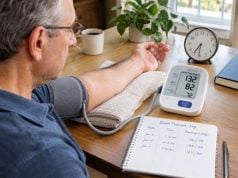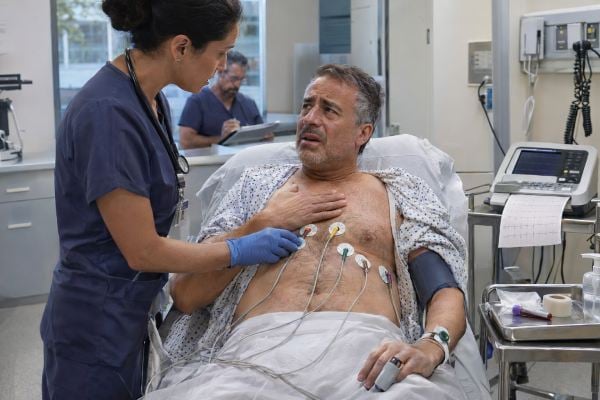
Chest pain can come from the heart, esophagus, lungs, chest wall, nerves, or even a panic response, and the sensations can overlap enough that symptoms alone are not always reliable. Burning after a meal may suggest heartburn, pain that changes with movement may suggest muscle or rib irritation, and tightness during panic may feel intensely physical. But heart-related pain can also be burning, pressure, aching, heaviness, or discomfort rather than dramatic “crushing” pain.
The safest way to think about chest pain is to first rule out urgent causes, especially when pain is new, severe, unexplained, triggered by exertion, or accompanied by shortness of breath, sweating, fainting, nausea, or pain spreading to the arm, jaw, back, or shoulder. Once dangerous causes are less likely, timing, triggers, tenderness, position, meals, stress, and medical history can help narrow the possibilities. This guide explains the main patterns without pretending that a home checklist can replace medical evaluation.
Table of Contents
- When Chest Pain Is an Emergency
- What Heart-Related Chest Pain Can Feel Like
- Heartburn and Esophageal Chest Pain
- Anxiety, Panic, and Chest Tightness
- Muscle, Rib, and Chest Wall Pain
- How Doctors Sort Out the Cause
- What to Do After a Noncardiac Diagnosis
When Chest Pain Is an Emergency
New or unexplained chest pain deserves caution because serious heart and vascular problems can present in many ways. Call emergency services for chest pressure, squeezing, heaviness, or pain that lasts more than a few minutes, keeps returning, or occurs with shortness of breath, sweating, fainting, marked weakness, nausea, or discomfort in the arm, jaw, back, neck, or shoulder.
Do not drive yourself if you feel faint, severely short of breath, or think you may be having a heart attack. Emergency evaluation is also important for sudden tearing pain into the back, chest pain with coughing blood, a rapid unexplained heartbeat with severe symptoms, or chest pain after a major injury.
Heart attacks do not always look like movie scenes. Some people—particularly older adults, people with diabetes, and some women—may have less typical symptoms such as unusual fatigue, breathlessness, nausea, upper abdominal discomfort, back pain, or jaw pain. The 2021 U.S. chest-pain guideline emphasizes that clinicians should not label pain “atypical” in a way that minimizes risk; the key question is whether the presentation could represent cardiac ischemia.
Other emergencies can also cause chest pain. A pulmonary embolism, or blood clot in the lung, may cause sudden chest pain, shortness of breath, a fast heartbeat, coughing blood, or fainting. Risk rises after major surgery, prolonged immobility, long travel, pregnancy and the postpartum period, some cancers, and a prior clot. A collapsed lung can cause sudden one-sided chest pain and breathlessness. Inflammation around the heart, called pericarditis, can produce sharp pain that changes with position or breathing. Aortic dissection is uncommon but life-threatening and may cause abrupt severe chest or upper-back pain. These conditions cannot be ruled out by whether pain feels “sharp” rather than “pressure-like.”
Fever, cough, and pain with breathing may point toward pneumonia or pleurisy, but severe breathlessness, low oxygen levels, confusion, or rapidly worsening symptoms still require urgent assessment. The practical message is simple: a familiar, mild pattern that has already been evaluated is different from new chest pain with systemic symptoms or major risk factors.
If you have recurring brief episodes but are not currently in severe distress, urgent evaluation may still be appropriate if the pain is new, appears with exertion, or occurs in the setting of known cardiovascular disease or major risk factors. A guide to blood pressure spikes and concerning symptoms can be helpful when chest discomfort occurs alongside very high readings, but the pain itself should guide urgency.
What Heart-Related Chest Pain Can Feel Like
Heart-related chest pain from reduced blood flow to the heart muscle is often described as pressure, tightness, heaviness, squeezing, fullness, or burning. It may be felt behind the breastbone and can spread to one or both arms, the shoulders, neck, jaw, upper abdomen, or back.
A classic pattern is discomfort that starts with physical activity, emotional stress, cold exposure, or a heavy meal and improves with rest. But this pattern is not universal. Some acute coronary syndromes occur at rest, and some people mainly notice breathlessness or fatigue.
Features that increase concern include:
- Pain or pressure triggered by walking uphill, climbing stairs, or another predictable exertion.
- Symptoms lasting several minutes rather than a one-second jab.
- Associated shortness of breath, sweating, nausea, or lightheadedness.
- Radiation to the arm, jaw, shoulder, neck, or back.
- Known coronary artery disease, prior heart attack, diabetes, smoking, kidney disease, or strong family history.
- New symptoms in someone with several cardiovascular risk factors.
Features such as pain that is reproducible with pressing on one small spot or that changes sharply with a specific arm movement make a chest-wall cause more likely, but they do not absolutely exclude a heart problem. More than one condition can exist at the same time.
If you are trying to understand your baseline risk, high LDL cholesterol, hypertension, diabetes, smoking, and age all contribute to coronary risk. Symptoms still matter more than any one risk factor in an acute situation.
Heartburn and Esophageal Chest Pain
Heartburn is a burning sensation caused by reflux of stomach contents into the esophagus. It often rises behind the breastbone, may reach the throat, and can occur with a sour taste, burping, regurgitation, or symptoms after a large or fatty meal.
Clues that support reflux include pain or burning that:
- Starts after eating, especially after a large meal.
- Worsens when lying down or bending over.
- Comes with sour fluid in the mouth or throat.
- Improves after an antacid or acid-suppressing treatment.
- Repeats in a familiar pattern over time.
Even so, heartburn and cardiac pain can overlap. Both may cause burning behind the breastbone, both can follow meals, and neither should be diagnosed solely by how the pain is described. If a person has never had this type of pain before, has significant heart risk factors, or has pain with exertion, the safer approach is medical evaluation rather than assuming reflux.
The 2022 American College of Gastroenterology guideline recommends evaluating possible cardiac disease before attributing chest pain to gastroesophageal reflux when the presentation could be cardiac. Persistent noncardiac chest pain may also come from esophageal spasm, esophageal hypersensitivity, or other gastrointestinal causes rather than acid reflux alone.
For people who clearly have recurring reflux, practical measures may include avoiding meals within two to three hours of bedtime, reducing portions if large meals trigger symptoms, identifying individual food triggers, and losing excess weight when appropriate. Medication choice depends on symptom frequency and diagnosis. Frequent symptoms, trouble swallowing, bleeding, anemia, unexplained weight loss, or vomiting deserve medical review.
Anxiety, Panic, and Chest Tightness
Anxiety and panic can produce real chest pain or tightness through faster breathing, muscle tension, increased adrenaline, and heightened awareness of bodily sensations. A panic attack may include chest pressure, a racing heart, shortness of breath, trembling, sweating, dizziness, tingling, nausea, or a sense of impending doom.
The challenge is that several of these symptoms also occur during heart and lung emergencies. A history of panic attacks does not make a new episode automatically benign. If symptoms are different from your usual pattern, occur with exertion, are unusually intense, or come with high-risk features, seek medical evaluation.
Panic-related symptoms often peak quickly, sometimes within minutes, and may occur during emotional stress or without an obvious trigger. Hyperventilation can cause tingling around the mouth or fingers, lightheadedness, and a feeling that you cannot get a satisfying breath. However, timing alone is not enough to distinguish panic from heart disease.
Once cardiac and other medical causes have been appropriately evaluated, recurrent panic symptoms should be treated rather than repeatedly dismissed. Cognitive behavioral therapy, exposure-based approaches, medication when appropriate, sleep, regular physical activity, and reduction of excess caffeine can all help. The article on panic, anxiety, and chest tightness explains why the physical sensations can feel so convincing.
It is also common for a person to develop anxiety after a frightening episode of unexplained chest pain. That can create a cycle in which normal sensations trigger fear, fear increases muscle tension and breathing rate, and the intensified sensations reinforce the fear. A clear diagnosis and a plan for what symptoms require urgent care can reduce that cycle.
Muscle, Rib, and Chest Wall Pain
Musculoskeletal chest pain is common. It can come from strained chest muscles, inflamed rib cartilage, overuse, coughing, poor lifting mechanics, exercise, or irritation from the neck and upper back.
A chest-wall cause becomes more likely when the pain is reproducible by pressing on a specific area, moving the arm or torso, taking a deep breath, or using the chest muscles. Pain may be sharp, aching, or sore and can last hours to days.
Costochondritis is inflammation or irritation around the cartilage where ribs meet the breastbone. It usually causes localized tenderness that can be reproduced by palpation. A 2024 emergency-department study found musculoskeletal causes were among the common categories of chest-pain presentations.
Muscle strain is especially plausible after a new workout, heavy lifting, repetitive pushing or pulling, prolonged coughing, or an awkward movement. The pain often becomes more noticeable with twisting, reaching, pushing, or taking a deep breath.
Still, tenderness does not grant a free pass. A person can have chest-wall tenderness and cardiac disease at the same time. New chest pain in someone with significant risk factors or associated shortness of breath still deserves appropriate evaluation.
For uncomplicated muscle or chest-wall pain, treatment may include temporary activity modification, heat or ice, gentle mobility, and over-the-counter pain relief when safe for you. Nonsteroidal anti-inflammatory drugs are not suitable for everyone, particularly people with kidney disease, ulcers, certain cardiovascular conditions, or blood-thinning medication, so check before using them regularly.
A side-by-side comparison can help organize the clues, but no single feature is definitive:
| Possible cause | Clues that may fit | Reasons not to self-diagnose |
|---|---|---|
| Heart-related ischemia | Pressure, heaviness, squeezing, burning, exertional symptoms, radiation, sweating, nausea, breathlessness | Can also be mild, sharp, burning, or occur at rest |
| Reflux or esophageal pain | After meals, sour taste, regurgitation, worse lying down or bending | Cardiac pain can also burn or follow meals |
| Panic or anxiety | Rapid onset with fear, racing heart, tingling, hyperventilation, trembling | Heart and lung problems can cause the same symptoms |
| Muscle or chest wall | Tender to touch, linked to lifting or coughing, changes with movement | Tenderness does not fully exclude a cardiac cause |
The most useful clue is often the whole pattern, including what triggered the episode, what other symptoms appeared, how long it lasted, and whether the same pattern has been medically evaluated before. A one-line rule such as “if it hurts when I press it, it is not my heart” is too simplistic for safety.
How Doctors Sort Out the Cause
Clinicians do not rely on one symptom or one test. They combine the history, physical examination, electrocardiogram, cardiac troponin testing when appropriate, vital signs, and sometimes imaging or stress testing.
The first goal is not to identify the most likely benign explanation. It is to avoid missing dangerous causes. In emergency settings, high-sensitivity cardiac troponin is central to evaluating possible heart attack, and structured clinical pathways help determine who can be safely discharged and who needs additional testing or observation.
A clinician may ask:
- What were you doing when the pain began?
- Is it pressure, burning, sharpness, tightness, or soreness?
- How long does an episode last?
- Does walking or exertion trigger it?
- Does food, lying down, or bending over trigger it?
- Can pressing on the chest reproduce it?
- Does breathing or moving the torso change it?
- Are there palpitations, shortness of breath, sweating, nausea, fainting, fever, or cough?
- Have you had similar episodes before?
- What cardiovascular risk factors and medications do you have?
Depending on the situation, the differential diagnosis may also include pulmonary embolism, pneumonia, pleurisy, pneumothorax, pericarditis, aortic disease, gallbladder disease, shingles, or other conditions.
Testing is chosen according to the suspected cause rather than ordered as one universal “chest pain panel.” An electrocardiogram can identify ischemic changes, rhythm problems, or clues to pericarditis, but a normal ECG does not by itself rule out a heart attack. High-sensitivity troponin blood tests are often repeated over time because the change between measurements can be as important as a single value. Chest imaging may be used when lung disease or aortic disease is suspected. In lower-risk patients, additional cardiac testing may not be necessary after a structured emergency assessment, while intermediate-risk patients may need coronary CT angiography or functional stress testing depending on the clinical situation.
That risk-based approach is important because more testing is not always safer. Unnecessary scans and stress tests can produce false alarms, incidental findings, radiation exposure, or invasive follow-up. The goal is enough testing to confidently address dangerous diagnoses while avoiding procedures that are unlikely to help.
For people with recurrent symptoms but a negative emergency evaluation, follow-up matters. “No heart attack today” does not always answer why the pain occurred. Your clinician may decide whether additional testing is needed based on age, symptoms, risk, and prior results. If blood pressure or cardiovascular risk needs follow-up too, tracking your heart numbers can help organize what to recheck.
What to Do After a Noncardiac Diagnosis
A noncardiac diagnosis is reassuring, but it should still lead to a treatment plan. The next step depends on the cause.
For reflux-related pain, identify meal and position triggers, follow the prescribed acid-treatment plan if one was given, and seek review for trouble swallowing, bleeding, weight loss, persistent vomiting, or symptoms that do not improve.
For panic-related pain, ask about structured treatment rather than relying only on reassurance. Recurrent panic responds to evidence-based therapy, and treating it can reduce both distress and repeated emergency visits. Keeping a brief symptom log can also help: note the trigger, duration, breathing pattern, heart rate if known, and what helped. The purpose is not to prove that symptoms are psychological, but to give your clinician a clearer pattern and make treatment more targeted.
For musculoskeletal pain, gradually return to activity as symptoms improve. If pain persists, a clinician or physical therapist can look for shoulder, thoracic spine, rib, or muscle problems that are keeping it active.
Most importantly, know what would change the plan. Seek urgent care for a new pattern of chest pressure, symptoms with exertion, fainting, severe breathlessness, neurological symptoms, or pain that is significantly worse or different from what was previously evaluated. A prior diagnosis of reflux, anxiety, or costochondritis does not permanently explain every future episode.
Chest pain is one of those symptoms where careful uncertainty is useful. Heartburn, anxiety, and muscle strain are common, but serious cardiac and vascular causes must be considered first when the pattern is new or concerning. The safest approach is not to become an expert at self-diagnosis; it is to recognize red flags, understand the clues, and know when medical testing is the only reliable way to tell the difference.
References
- 2021 AHA/ACC/ASE/CHEST/SAEM/SCCT/SCMR Guideline for the Evaluation and Diagnosis of Chest Pain: A Report of the American College of Cardiology/American Heart Association Joint Committee on Clinical Practice Guidelines 2021 (Guideline)
- 2022 ACC Expert Consensus Decision Pathway on the Evaluation and Disposition of Acute Chest Pain in the Emergency Department: A Report of the American College of Cardiology Solution Set Oversight Committee 2022 (Expert Consensus)
- ACG Clinical Guideline for the Diagnosis and Management of Gastroesophageal Reflux Disease 2022 (Guideline)
- Biobehavioral approach to distinguishing panic symptoms from medical illness 2024 (Review)
- Musculoskeletal chest pain prevalence in emergency department presentations: A retrospective case notes review 2024 (Observational Study)
Disclaimer
This article is for general education and cannot determine the cause of an individual episode of chest pain. New, severe, unexplained, or exertional chest pain—especially with shortness of breath, sweating, fainting, nausea, or pain spreading to the arm, jaw, or back—requires urgent medical assessment. Do not rely on a prior diagnosis of anxiety, reflux, or muscle strain to explain a new or different episode.