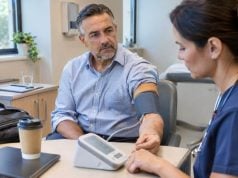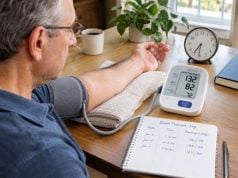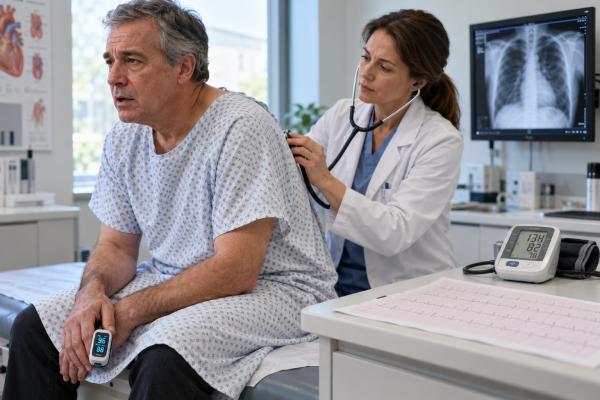
Shortness of breath can feel like air hunger, chest tightness, rapid breathing, or simply needing more effort to breathe than usual. It can come from the heart, lungs, blood, muscles, nervous system, or more than one problem at the same time. That overlap is why symptoms alone cannot always tell you whether breathlessness is “cardiac” or “pulmonary.” Heart failure may cause coughing and wheezing. Lung disease can cause chest discomfort and a fast heartbeat. Anxiety can intensify either condition without being the original cause. The first question is therefore not just “heart or lungs?” but “could this be dangerous right now?” Sudden or severe breathlessness can signal a heart attack, pulmonary embolism, acute heart failure, severe asthma, pneumonia, pneumothorax, or another emergency. This guide explains the clues that point toward heart or lung causes, the warning signs that need urgent care, and how clinicians sort out the cause when the symptoms are not obvious.
Table of Contents
- When Shortness of Breath Is an Emergency
- Heart Causes and Clues That Point to Them
- Lung Causes and Clues That Point to Them
- Other Causes and Why Symptoms Overlap
- How Doctors Tell Heart From Lung Causes
- What to Track at Home When Symptoms Are Stable
- When to Book a Nonemergency Visit
When Shortness of Breath Is an Emergency
Call emergency services or seek emergency care for breathlessness that is sudden, severe, rapidly worsening, or accompanied by signs that your heart, lungs, or brain may not be getting enough oxygen or blood flow. Do not drive yourself if you feel faint, confused, severely weak, or unable to breathe comfortably.
Emergency warning signs include:
- Severe trouble breathing at rest, gasping, or being unable to speak in full sentences.
- Chest pressure, squeezing, heaviness, or pain, especially with sweating, nausea, weakness, or pain spreading to the arm, shoulder, jaw, neck, or back.
- Fainting, near-fainting, new confusion, extreme drowsiness, or blue or gray lips or skin.
- Sudden breathlessness with coughing up blood, a very fast heart rate, or new one-sided leg swelling or pain, which can occur with pulmonary embolism.
- Sudden sharp chest pain and breathlessness, particularly after trauma or in someone with known lung disease, which can occur with a collapsed lung.
- Severe wheezing or asthma symptoms that are not responding to a prescribed rescue plan.
- Breathlessness with signs of shock such as cold clammy skin, profound weakness, or persistently very low blood pressure.
A heart attack does not always cause dramatic chest pain. Shortness of breath can be a major symptom, particularly in older adults, people with diabetes, and some women. If breathlessness is new and occurs with chest discomfort or other heart-attack symptoms, treat it as urgent. See chest-pain emergency warning signs for related red flags.
Pulmonary embolism deserves special attention because it can begin abruptly and may be missed when symptoms seem vague. Risk rises after recent surgery, hospitalization, prolonged immobility, long travel, pregnancy or the postpartum period, active cancer, prior blood clots, and some hormone treatments. New unilateral leg swelling plus sudden unexplained shortness of breath is particularly concerning. More detail is available in DVT and pulmonary embolism symptoms.
A home pulse oximeter can provide useful information, but it should not overrule severe symptoms. Cold fingers, nail products, poor circulation, movement, and device quality can affect readings. A persistently low oxygen saturation, especially below about 90% in someone without a known lower baseline, needs urgent assessment. If you are visibly struggling to breathe, seek care even if the device shows a seemingly normal number.
Heart Causes and Clues That Point to Them
The heart and lungs work as one circulation system, so heart problems often present as breathing problems. When the heart cannot pump effectively or pressures rise inside the heart, fluid can back up into the lungs and make breathing harder.
Heart failure is one of the most common cardiac causes. Typical clues include breathlessness with activity, needing extra pillows to sleep, waking at night short of breath, swelling in the ankles or legs, rapid weight gain from fluid, fatigue, and reduced exercise tolerance. Some people develop cough or wheezing, which can make the problem look pulmonary. Symptoms may build gradually or worsen quickly during acute fluid overload. Learn more about heart failure symptoms such as swelling, fatigue, and breathlessness.
Coronary artery disease and acute coronary syndrome can cause shortness of breath when the heart muscle does not receive enough oxygen. Some people feel classic chest pressure with exertion. Others mainly notice breathlessness, nausea, sweating, unusual fatigue, or discomfort in the upper body. Symptoms that reliably appear with exertion and improve with rest can suggest angina, but new, worsening, or rest symptoms require urgent evaluation.
Abnormal heart rhythms can also cause breathlessness. A very fast rhythm may reduce the heart’s filling time and lower effective blood flow, while a very slow rhythm can reduce cardiac output. Palpitations, dizziness, weakness, or near-fainting may occur at the same time. Even an irregular rhythm that is usually not immediately dangerous can cause significant symptoms if the rate is too fast or if underlying heart disease is present.
Valve disease can create progressive exertional breathlessness. A narrowed aortic valve, a leaking mitral valve, or other structural problems may also cause fatigue, chest symptoms, fainting, or swelling. Cardiomyopathies and myocarditis can produce similar patterns.
Clues that make a heart cause more likely include:
- Breathlessness that worsens when lying flat and improves when sitting up.
- Waking from sleep gasping for air.
- New leg swelling or rapid fluid-related weight gain.
- Exertional chest pressure, unusual sweating, or nausea.
- Known coronary disease, heart failure, valve disease, cardiomyopathy, or significant arrhythmia.
None of these clues is specific enough to diagnose the cause at home. Lung disease, obesity, deconditioning, sleep apnea, and other conditions can create overlapping symptoms.
Lung Causes and Clues That Point to Them
Lung problems can interfere with airflow, oxygen transfer, or the movement of the lungs and chest wall. The pattern often depends on whether the problem is obstructive, infectious, vascular, or structural.
Asthma commonly causes episodes of wheezing, cough, chest tightness, and breathlessness that vary over time. Symptoms may be triggered by exercise, allergens, cold air, infections, smoke, or irritants. A person with severe asthma may have very little audible wheeze because airflow is so limited, so the absence of loud wheezing does not guarantee safety.
Chronic obstructive pulmonary disease, or COPD, typically causes persistent airflow limitation, often in people with a history of smoking or substantial inhaled exposures. Chronic cough, sputum, and gradually worsening exertional breathlessness are common. Exacerbations can cause a sudden increase in symptoms and may be triggered by infection or pollution.
Pneumonia can cause breathlessness with fever, cough, sputum, chills, chest discomfort, or profound fatigue. Older adults may have less obvious fever and instead develop weakness or confusion. Viral respiratory infections can also worsen asthma, COPD, or heart failure, so one illness may trigger several mechanisms at once.
Pulmonary embolism is a lung-circulation problem rather than an airway disease. A clot blocks blood flow through part of the pulmonary arteries. Symptoms may include sudden breathlessness, chest pain that is worse with breathing, fast heart rate, fainting, low oxygen, or coughing blood. Some people have surprisingly mild symptoms despite a clinically important clot.
Pneumothorax occurs when air enters the space around a lung and causes partial or complete collapse. It often produces sudden one-sided chest pain and breathlessness. Risk can be higher after chest trauma, certain medical procedures, or in people with underlying lung disease, although spontaneous cases occur.
Interstitial lung disease and pulmonary fibrosis usually produce progressive exertional breathlessness and a dry cough rather than sudden attacks. Pulmonary hypertension can also cause exertional dyspnea, fatigue, chest discomfort, lightheadedness, and eventually swelling. Because pulmonary hypertension affects blood flow through the lungs and strains the right side of the heart, it sits squarely in the heart-lung overlap.
Clues favoring a pulmonary cause include prominent cough, sputum, wheezing, fever, pleuritic pain, a history of smoking or lung disease, or a clear exposure trigger. But these are tendencies, not diagnostic rules.
Other Causes and Why Symptoms Overlap
Not all shortness of breath comes from primary heart or lung disease. Anemia reduces the blood’s oxygen-carrying capacity, so a person may become breathless or develop a racing heartbeat with activity even when the lungs are structurally normal. Significant blood loss can cause a more abrupt version of the same problem.
Deconditioning can cause disproportionate breathlessness during activity after illness, injury, or long periods of inactivity. Obesity can increase the work of breathing and reduce exercise reserve. Thyroid disease, fever, metabolic acidosis, neuromuscular disorders, and some medications can also contribute.
Anxiety and panic can cause a powerful sensation of air hunger, chest tightness, tingling, and rapid breathing. However, anxiety should not be used as the default explanation for new or unexplained dyspnea before dangerous medical causes have been considered. A heart or lung event can itself provoke intense fear, and both problems can coexist.
More than one disease is common, especially with age. Someone may have COPD and heart failure, obesity and sleep apnea, anemia and coronary disease, or pneumonia that triggers atrial fibrillation. This is why the question “heart or lungs?” is sometimes the wrong frame. The answer may be both.
Timing helps narrow the possibilities. Symptoms that develop over minutes raise concern for pulmonary embolism, pneumothorax, acute asthma, arrhythmia, heart attack, or acute heart failure. Symptoms progressing over days may fit infection, fluid retention, anemia, or an exacerbation of chronic disease. Gradual changes over months can reflect heart failure, valve disease, COPD, interstitial lung disease, pulmonary hypertension, obesity, or deconditioning.
The degree of breathlessness does not always match the seriousness of the underlying disease. Some dangerous conditions initially cause modest symptoms, while benign conditions can feel extremely distressing. A sudden change from your usual baseline deserves more weight than the sensation alone.
Age and context also change the odds. In a younger person after a viral infection, asthma or post-viral airway irritation may be more likely, while an older adult with vascular risk factors has a higher baseline chance of coronary disease or heart failure. Pregnancy and the weeks after delivery change clot risk. Recent surgery, immobility, cancer treatment, or a long hospital stay also shift the differential. Clinicians use these details to decide which dangerous causes need to be excluded first rather than relying on one symptom in isolation.
How Doctors Tell Heart From Lung Causes
Clinicians begin with severity. They check breathing rate, oxygen saturation, heart rate, blood pressure, temperature, mental status, and signs of increased work of breathing. The history then focuses on onset, triggers, chest symptoms, cough, fever, swelling, palpitations, clot risk, smoking, medications, and known heart or lung disease.
Physical examination can reveal useful clues. Crackles in the lungs, elevated neck veins, leg edema, or a new heart sound may suggest heart failure or valve disease. Wheezing can suggest asthma or COPD but can also occur with pulmonary edema. Unequal breath sounds can raise concern for pneumothorax. One-sided leg swelling can point toward deep-vein thrombosis.
Common tests include an electrocardiogram, chest X-ray, and blood work. Troponin helps detect heart-muscle injury when acute coronary syndrome is suspected. BNP or NT-proBNP can support or argue against heart failure in the right context, although age, kidney function, obesity, and rhythm disorders influence levels. A complete blood count can identify anemia or infection.
When pulmonary embolism is possible, clinicians estimate pretest probability before ordering tests. A D-dimer can help exclude PE in appropriately selected low- or intermediate-risk patients. People with higher probability or a positive D-dimer may need imaging such as CT pulmonary angiography. The exact pathway depends on age, pregnancy status, kidney function, contrast allergy, and clinical stability.
Echocardiography evaluates pumping function, valves, chamber pressures, and some causes of pulmonary hypertension. Lung and cardiac ultrasound at the bedside can rapidly identify patterns such as pulmonary edema, pleural fluid, right-heart strain, or other abnormalities. Research supports point-of-care ultrasound as a useful addition to—not a complete replacement for—clinical assessment and formal testing.
For chronic unexplained breathlessness, spirometry can identify airflow obstruction, while full pulmonary-function testing can assess lung volumes and gas transfer. Exercise testing may be needed when resting tests are normal but symptoms occur with activity. In difficult cases, cardiopulmonary exercise testing can help determine whether the main limitation is cardiac, pulmonary, circulatory, muscular, or due to deconditioning.
What to Track at Home When Symptoms Are Stable
If symptoms are mild, stable, and not accompanied by emergency warning signs, a short symptom record can make a medical visit more useful. Do not use tracking to delay care when symptoms are worsening.
Note when breathlessness occurs: at rest, with stairs, during a usual walk, after meals, when lying down, or during sleep. Record whether you also have chest discomfort, cough, wheeze, fever, palpitations, dizziness, swelling, or unusual fatigue. If you have a known condition, compare the symptoms with your normal baseline rather than with someone else’s exercise capacity.
People with heart failure may be advised to monitor morning body weight because rapid gain can reflect fluid retention. Follow the action plan your own clinical team has provided. People with asthma or COPD may have prescribed peak-flow, inhaler, or oxygen plans; use those instructions rather than improvising treatment.
If you own a pulse oximeter, record readings after sitting quietly with warm hands and a stable signal. Note the number alongside your symptoms rather than treating it as a diagnosis. Consumer wearables can estimate heart rate and sometimes oxygen-related measures, but they cannot rule out pulmonary embolism, heart attack, heart failure, or other serious disease.
Medication and exposure changes are also useful. New beta-blockers, sedatives, stimulants, or other drugs may alter exercise tolerance or breathing. Smoke, vaping, occupational dust, allergens, altitude, or a recent respiratory infection can provide important context.
When to Book a Nonemergency Visit
Arrange medical evaluation when breathlessness is new, recurring, gradually worsening, or interfering with activities that used to be easy, even if it does not feel like an emergency. Breathlessness that repeatedly wakes you at night, appears when lying flat, or occurs with new swelling deserves prompt assessment because it may reflect heart failure.
You should also be evaluated if a chronic lung condition is becoming harder to control, your exercise capacity has noticeably declined, you have unexplained weight loss, persistent cough, recurring palpitations, or ongoing fatigue. People with heart or lung disease should have a lower threshold for reporting a meaningful change from baseline.
A normal resting oxygen level or a normal basic exam does not always end the evaluation. Some conditions become apparent only with exertion, and early heart failure, coronary disease, pulmonary hypertension, anemia, or interstitial lung disease may need targeted testing.
If you have exertional chest pressure or breathlessness that predictably resolves with rest, do not simply train through it. That pattern can represent angina and should be assessed. See angina symptoms including chest pressure and shortness of breath for more context.
Before a routine appointment, try to describe functional change in concrete terms. “I get winded” is useful, but “three months ago I could climb two flights without stopping and now I have to pause after one” gives the clinician a clearer sense of severity and progression. Note whether symptoms occur at rest, with walking, on hills, after meals, when lying flat, or during the night. Record associated cough, wheeze, swelling, weight change, fever, palpitations, chest discomfort, or faintness. Bring a medication list and mention recent infections, surgery, long travel, pregnancy or postpartum status, and any new exposure to smoke or other lung irritants when relevant.
Do not use consumer oxygen readings as the only gatekeeper for care. Pulse oximeters can be helpful, but readings can be affected by motion, cold hands, poor circulation, nail products, device quality, and other factors. More importantly, some heart and lung conditions can cause significant breathlessness before a resting oxygen number becomes abnormal. The same is true of heart rate: a normal pulse at one moment does not explain a recurring symptom. Home measurements are best treated as extra context. A meaningful change in breathing ability, especially when progressive or paired with red-flag symptoms, deserves evaluation even when a wearable or fingertip device looks reassuring.
The safest approach is to use pattern, severity, and change from baseline together. Sudden severe symptoms require emergency care. Stable but unexplained symptoms need a planned evaluation. Because the heart and lungs share the same job of delivering oxygen to the body, distinguishing them often requires testing rather than guesswork.
References
– Shortness of Breath: Causes, Warning Signs & When to Seek Help 2026 (Patient guidance) – Acute dyspnea in the emergency department: a clinical review 2023 (Clinical review) – 2022 AHA/ACC/HFSA Guideline for the Management of Heart Failure: A Report of the American College of Cardiology/American Heart Association Joint Committee on Clinical Practice Guidelines 2022 (Guideline) – 2026 AHA/ACC/ACCP/ACEP/CHEST/SCAI/SHM/SIR/SVM/SVN Guideline for the Evaluation and Management of Acute Pulmonary Embolism in Adults: A Report of the American College of Cardiology/American Heart Association Joint Committee on Clinical Practice Guidelines 2026 (Guideline) – 2025 ACC/AHA/ACEP/NAEMSP/SCAI Guideline for the Management of Patients With Acute Coronary Syndromes 2025 (Guideline)
Disclaimer
This article is for general education and cannot determine the cause of an individual person’s shortness of breath. New, severe, rapidly worsening, or unexplained breathlessness—especially with chest pain, fainting, blue or gray skin, coughing blood, or one-sided leg swelling—requires urgent or emergency medical assessment. If you have a chronic heart or lung condition, follow the action plan provided by your own clinical team.