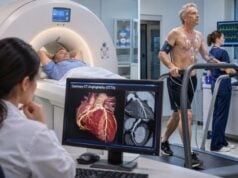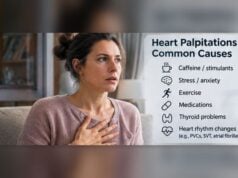
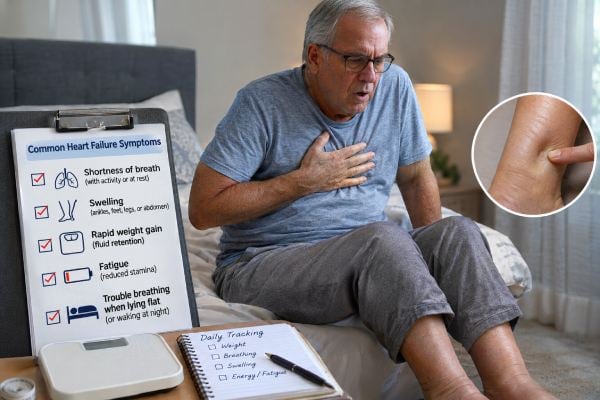
Heart failure often shows up as a pattern rather than one dramatic symptom. Shortness of breath, swelling in the legs or abdomen, rapid fluid-related weight gain, and unusual fatigue are among the most common warning signs. You may notice that stairs are harder, you need more pillows to breathe comfortably at night, your shoes or socks leave deeper marks, or ordinary tasks suddenly require more rest. Symptoms can develop gradually or worsen over days, and they can overlap with lung disease, kidney problems, anemia, medication effects, and other conditions. Heart failure does not mean the heart has stopped; it means the heart cannot pump or fill well enough to meet the body’s needs without causing pressure or congestion. New symptoms deserve medical evaluation, while severe breathlessness at rest, fainting, confusion, chest pain, blue or gray lips, or coughing up pink frothy sputum can signal an emergency. Diagnosis usually combines an exam, blood tests, an ECG, and echocardiography.
Table of Contents
- Main Heart Failure Symptoms
- Why Swelling and Weight Gain Happen
- Why Breathlessness Gets Worse
- Fatigue and Other Signs
- When Heart Failure Symptoms Are an Emergency
- How Heart Failure Is Diagnosed
- Tracking Symptoms and Next Steps
Main Heart Failure Symptoms
The three symptoms people most often notice are breathlessness, fluid buildup, and reduced stamina. They happen because heart failure changes pressure and blood flow through the heart, lungs, kidneys, and other tissues.
Common symptoms include:
- Shortness of breath with activity or at rest
- Trouble breathing when lying flat
- Waking suddenly at night feeling short of breath
- Swelling of the ankles, feet, legs, or abdomen
- Rapid weight gain from retained fluid
- Fatigue, weakness, or reduced exercise tolerance
- A persistent cough or wheeze, sometimes worse when lying down
- A fast or irregular heartbeat
- Abdominal fullness, poor appetite, or nausea
- Difficulty concentrating, especially during a severe worsening episode
The pattern can be subtle. Someone may stop walking as far, avoid stairs, sleep in a recliner, or loosen a belt without realizing these changes are connected. Family members sometimes notice the decline before the person does.
Symptoms also depend on the type and severity of heart failure. Heart failure with reduced ejection fraction (HFrEF) generally refers to a left ventricular ejection fraction of 40% or less. Heart failure with mildly reduced ejection fraction (HFmrEF) is generally 41%–49%. Heart failure with preserved ejection fraction (HFpEF) has an ejection fraction of 50% or higher but abnormal filling pressures or other evidence of heart failure. A normal-looking ejection fraction therefore does not rule heart failure out.
Breathlessness can come from the heart or lungs, and the distinction is not always obvious. The symptom pattern in shortness of breath from heart versus lung causes can help explain the clues, but new unexplained breathlessness still needs clinical assessment.
Heart failure can be chronic and relatively stable for long periods, then worsen when fluid accumulates, an infection develops, blood pressure rises, kidney function changes, an arrhythmia occurs, or medications are missed. A sudden change from your baseline matters more than whether one symptom sounds “mild.”
Why Swelling and Weight Gain Happen
Swelling in heart failure is usually a sign of congestion, meaning pressure has built up enough that fluid moves from the bloodstream into tissues. The kidneys may also retain sodium and water because they sense reduced effective circulation, which can further increase fluid volume.
Gravity makes swelling especially visible around the ankles and lower legs. Common clues include:
- Socks leaving deeper rings than usual
- Shoes becoming tight by evening
- Pitting edema, where a finger pressed into swollen skin leaves a temporary dent
- Both legs swelling rather than only one
- A fuller or tighter abdomen
- Faster weight gain over a few days
Heart failure can cause right-sided venous pressure to rise, which may enlarge the liver, increase abdominal fluid, reduce appetite, or create a feeling of early fullness. Left-sided pressure often contributes more directly to lung congestion and breathlessness, but real patients frequently have features of both.
Why the scale is useful
Body weight can change before swelling looks dramatic. For people already diagnosed with heart failure, a daily weight taken under similar conditions can provide an early clue that fluid is accumulating. A common practical alert used in many care plans is roughly 2–3 pounds in one day or 5 pounds in a week, but your own clinician may set different thresholds based on body size, kidney function, diuretic plan, and prior episodes.
Use the same scale, ideally after waking and urinating and before breakfast, wearing similar clothing. A single odd reading is less useful than a clear trend.
Not every weight increase is fluid. Constipation, a salty meal, different clothing, menstrual changes, or true body-fat change can affect the scale. Likewise, not every swollen ankle is heart failure. Vein disease, kidney or liver disease, medication side effects, lymphatic problems, and blood clots can also cause edema.
One-sided painful swelling, especially with redness or sudden onset, raises concern for a blood clot rather than typical heart-failure edema and should be assessed promptly.
Why Breathlessness Gets Worse
Breathlessness in heart failure often reflects elevated pressure in the blood vessels of the lungs. When the left side of the heart cannot handle blood efficiently, pressure can back up toward the lungs. Fluid may move into lung tissue, making gas exchange and breathing more difficult.
At first, you may notice symptoms only during exertion. As congestion worsens, breathlessness can occur with lighter activity or even at rest.
Orthopnea: breathing worse when lying flat
Orthopnea means shortness of breath that appears or worsens when you lie flat and improves when you sit or stand. Some people add pillows over time or start sleeping in a chair without connecting the behavior to heart failure. Lying down shifts blood from the legs and abdomen toward the chest, which can raise filling pressures in someone whose heart is already struggling with volume.
Needing one pillow for comfort does not diagnose heart failure. A new need for several pillows, inability to lie flat, or a clear change from your usual sleeping position is more informative.
Paroxysmal nocturnal dyspnea
Paroxysmal nocturnal dyspnea describes waking from sleep suddenly and severely short of breath, often after being asleep for a while. Sitting or standing may gradually help. It can be frightening and is more concerning than simply snoring or waking briefly.
Sleep apnea can also cause nighttime awakenings, gasping, and daytime fatigue. The two conditions can coexist, and untreated sleep apnea may worsen blood pressure and heart failure. Repeated nocturnal symptoms deserve medical review rather than assuming one cause.
Cough and wheeze
Fluid congestion can cause a cough or wheeze, sometimes called “cardiac wheeze.” It may be worse at night or when lying down. Severe pulmonary edema can produce pink, frothy sputum and major respiratory distress; that is an emergency.
Because asthma, COPD, pneumonia, pulmonary embolism, and many other lung problems can cause similar symptoms, breathlessness should be evaluated in context. Oxygen level, examination, chest imaging, ECG findings, natriuretic peptide levels, and echocardiography may all contribute to the answer.
Fatigue and Other Signs
Heart-failure fatigue is more than ordinary tiredness after a busy day. People often describe reduced stamina, heavy legs, weakness, or a sudden loss of capacity for routine tasks. The symptom can result from reduced cardiac output, poor muscle conditioning, sleep disruption, congestion, anemia, medication effects, and other illnesses that commonly accompany heart failure.
Examples include:
- Taking breaks while showering or dressing
- Needing to rest after walking a distance that used to be easy
- Feeling exhausted after grocery shopping or housework
- Avoiding activities because recovery takes too long
Fatigue alone is not specific. Thyroid disease, depression, anemia, infection, sleep disorders, cancer, medication effects, and many other problems can cause it. What makes heart failure more likely is the combination of fatigue with breathlessness, swelling, rapid fluid-related weight gain, abnormal heart findings, or a known cardiac condition.
Other possible signs include a fast resting pulse, palpitations, reduced appetite, nausea, abdominal discomfort, and confusion during severe decompensation. Some people with advanced disease feel dizzy or lightheaded because blood pressure is low or because medicines lower pressure while treating the heart.
Low blood pressure is not automatically dangerous in a person taking heart-failure medications, especially if the person feels well. Symptoms matter. Fainting, new severe dizziness, confusion, or signs of poor circulation need assessment. A guide to low blood pressure symptoms and causes can help distinguish a number from a clinically important problem.
Heart rhythm disorders can also change the picture. Atrial fibrillation may cause palpitations, breathlessness, fatigue, or sudden exercise intolerance and can trigger worsening heart failure in some people. Conversely, congestion and stretched heart chambers can make arrhythmias more likely.
When Heart Failure Symptoms Are an Emergency
Call emergency medical services for severe or rapidly worsening symptoms, especially when breathing, consciousness, or circulation appears threatened.
Emergency warning signs include:
- Severe shortness of breath at rest
- Inability to speak comfortably because of breathlessness
- Blue or gray lips, face, or fingertips
- Pink, frothy sputum with respiratory distress
- New confusion, extreme drowsiness, or collapse
- Fainting or near-fainting with ongoing symptoms
- New chest pressure or pain that could represent a heart attack
- A very fast or very slow heart rate with weakness, chest symptoms, or faintness
- Sudden major deterioration over minutes to hours
Do not drive yourself when symptoms are severe. Emergency teams can provide oxygen when needed, monitor rhythm, begin treatment, and respond if the condition worsens during transport.
For someone with known heart failure, a less dramatic but important deterioration may include rapid weight gain, increasing leg swelling, needing more pillows, new breathlessness with routine activity, or reduced response to the usual diuretic. These changes may not require an ambulance if the person is stable, but they often justify same-day contact with the heart-failure team or clinician.
Do not independently double or stop heart medicines unless your care plan specifically tells you how to adjust them. Some patients receive a written diuretic action plan tied to weight or symptoms; others do not. Kidney function, potassium, blood pressure, and the cause of worsening all affect what is safe.
Chest pain deserves special attention because a heart attack can cause acute heart failure. New pressure, sweating, nausea, or pain spreading to the arm or jaw should be treated using chest-pain emergency guidance, not as “just fluid.”
How Heart Failure Is Diagnosed
Heart failure is not diagnosed from ankle swelling or breathlessness alone. Clinicians look for symptoms plus objective evidence that the heart’s structure, pumping, filling, or pressures are abnormal.
The evaluation usually includes a medical history and physical examination. A clinician may look for leg edema, elevated neck-vein pressure, lung crackles, abnormal heart sounds, rapid rhythm, low oxygen level, or signs of another condition that could explain the symptoms.
Common tests include:
- ECG: looks for prior heart attack, rhythm problems, conduction abnormalities, or other cardiac clues.
- BNP or NT-proBNP: natriuretic peptide blood tests that rise when the heart is under pressure or volume stress.
- Echocardiogram: measures ejection fraction, chamber size, valve function, wall motion, and other structural or filling findings.
- Chest imaging: can show pulmonary congestion, pleural fluid, heart enlargement, or a lung diagnosis.
- Blood tests: often include kidney function, electrolytes, blood count, glucose, liver tests, and sometimes thyroid studies or iron assessment.
BNP and NT-proBNP need context
A high natriuretic peptide supports heart failure in the right setting, but the number is not specific by itself. Levels can rise with age, kidney dysfunction, atrial fibrillation, pulmonary hypertension, and other acute illnesses. Obesity can produce lower levels than expected, so a relatively modest result does not always exclude heart failure in a person with obesity.
These tests are most useful when interpreted with the exam and imaging rather than as pass-fail numbers.
Echocardiography and ejection fraction
The echocardiogram helps classify heart failure and search for causes such as prior heart-muscle injury, valve disease, thickened heart muscle, or reduced contraction. A preserved ejection fraction does not mean the heart is normal. In HFpEF, the heart may contract normally by percentage but be stiff, fill at abnormally high pressure, or fail to increase output normally during exertion.
Further testing may include coronary imaging, cardiac MRI, stress testing, rhythm monitoring, or specialized hemodynamic testing when the diagnosis remains uncertain or a specific cause is suspected.
Tracking Symptoms and Next Steps
For someone with established heart failure, small daily observations can reveal worsening congestion before it becomes an emergency. The goal is not constant self-surveillance; it is a simple routine tied to a clear action plan.
Useful items to track include:
- Morning weight under similar conditions
- New or worsening ankle or abdominal swelling
- How far you can walk before becoming short of breath
- Whether you can lie flat comfortably
- How many pillows you need
- Blood pressure and pulse if your clinician asks you to monitor them
- Diuretic use and whether the usual dose produces the expected response
A brief written log is often more useful than trying to remember a week of symptoms at an appointment. Record what changed and when, not every normal sensation. If you use a home blood-pressure cuff, bring the monitor or a recent reading list to appointments so the care team can see the trend. The goal is to recognize meaningful deterioration early without treating every small day-to-day fluctuation as an emergency.
Treatment targets the cause and the syndrome
Heart-failure treatment depends on the type of heart failure, ejection fraction, kidney function, blood pressure, rhythm, valve disease, coronary disease, and other conditions. For HFrEF, guideline-directed therapy commonly combines several medication classes that improve survival and reduce hospitalization. HFpEF treatment focuses on reducing congestion, treating contributing conditions, and using therapies shown to improve outcomes in appropriate patients.
Lifestyle measures support medical treatment. Sodium intake, fluid intake, physical activity, alcohol, weight, and blood-pressure goals should be individualized. Excess sodium can worsen fluid retention in some people, but extremely restrictive plans are not automatically better and can be hard to sustain. Cardiac rehabilitation or structured exercise may improve function in stable patients.
Blood-pressure control is important because chronic hypertension can cause or worsen heart failure, but medication changes should account for dizziness, kidney function, and current heart-failure therapy. General approaches to lowering blood pressure with lifestyle can support a clinician-directed plan when they are appropriate for you.
Keep follow-up appointments even when you feel well. Heart failure can improve substantially with treatment, and some people recover ejection fraction, but the underlying tendency can persist. Do not stop effective medicines because a later scan looks better unless the treating clinician recommends it.
The most practical rule is to know your baseline and your action thresholds. Stable mild symptoms belong in routine management. A clear change over days deserves prompt contact. Severe breathlessness, fainting, chest pain, confusion, or rapid deterioration belongs in emergency care.
References
- 2022 AHA/ACC/HFSA Guideline for the Management of Heart Failure: A Report of the American College of Cardiology/American Heart Association Joint Committee on Clinical Practice Guidelines 2022 (Guideline)
- 2023 Focused Update of the 2021 ESC Guidelines for the diagnosis and treatment of acute and chronic heart failure: Developed by the task force for the diagnosis and treatment of acute and chronic heart failure of the European Society of Cardiology (ESC) With the special contribution of the Heart Failure Association (HFA) of the ESC 2024 (Guideline)
- Heart failure diagnosis in the general community – Who, how and when? A clinical consensus statement of the Heart Failure Association (HFA) of the European Society of Cardiology (ESC) 2023 (Position Statement)
- Practical algorithms for early diagnosis of heart failure and heart stress using NT-proBNP: A clinical consensus statement from the Heart Failure Association of the ESC 2023 (Position Statement)
- Use of natriuretic peptides and echocardiography for diagnosing heart failure 2024 (Review)
- Natriuretic peptide testing strategies in heart failure: A 2023 update 2024 (Review)
Disclaimer
This article is for general education and does not replace diagnosis or individualized heart-failure care. Call emergency medical services for severe breathlessness at rest, fainting, confusion, blue or gray lips, chest pain, pink frothy sputum, or rapid deterioration. If you already have heart failure, follow your own clinician’s instructions for weight changes, diuretics, sodium, fluids, blood pressure, and when to seek urgent care.