A fast heart rate during simple activities is not always a sign of heart disease. Standing up, walking across a room, climbing one flight of stairs, taking a hot shower, or carrying groceries can raise heart rate because muscles suddenly need more oxygen and the nervous system has to keep blood flowing against gravity. The question is whether the increase fits the effort and settles appropriately afterward.
A larger-than-expected spike can happen with deconditioning, dehydration, poor sleep, anxiety, fever, anemia, thyroid problems, medications, stimulant use, or autonomic conditions such as postural orthostatic tachycardia syndrome (POTS). Less often, an abnormal rhythm or underlying heart or lung problem is responsible. The number on a smartwatch is useful context, but symptoms and patterns matter more than one peak value. Repeated episodes, new exercise intolerance, fainting, chest pain, or shortness of breath deserve medical evaluation. Tracking what triggers the rise, how high it goes, and how quickly it recovers can help narrow the cause.
Table of Contents
- What heart-rate changes are normal
- Common reasons heart rate spikes with light activity
- When standing causes the biggest jump
- How to track the pattern at home
- Practical ways to reduce unnecessary spikes
- When tests or medical treatment may be needed
- Red flags that need prompt care
What heart-rate changes are normal
Heart rate is supposed to rise when activity increases. When you stand, blood briefly shifts toward the legs. Your nervous system responds by tightening blood vessels and increasing heart rate enough to preserve blood flow to the brain. When you start walking or climbing stairs, working muscles need more oxygen, so cardiac output rises further.
There is no single “normal” heart rate for every light activity. Age, fitness, body size, temperature, hydration, sleep, medications, and emotional state all change the response. A fit person may walk briskly at 85 to 105 beats per minute, while another healthy person may reach 110 to 125 with the same task. The more useful questions are whether the rise is proportional, whether symptoms occur, and whether the rate comes back down after the activity stops.
If you are unsure what resting and activity values usually mean, start with normal heart-rate ranges at rest and during activity. Exercise targets are different from diagnostic cutoffs. A heart rate that is appropriate during intentional cardio may feel excessive when it happens while brushing your teeth or walking to the kitchen.
Recovery also matters. After a brief effort, heart rate should generally begin falling within the first minute or two. It may take longer after sustained exercise, heat exposure, or emotional stress. A rate that stays unusually elevated for a long time after very light activity can point to dehydration, illness, medication effects, autonomic dysfunction, or poor conditioning.
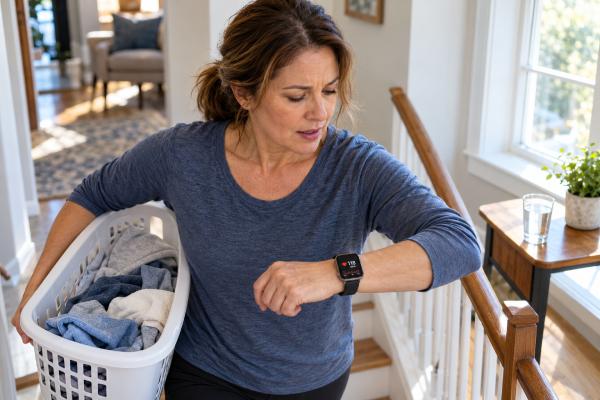
Wearable devices add another complication. Optical wrist sensors can briefly overread during arm motion, gripping, vibration, or poor skin contact. If a watch reports 160 beats per minute while you feel completely normal and a manual pulse is much slower, the device may be wrong. Repeated spikes that match your pulse and symptoms deserve more weight.
Context matters when you judge the peak. Walking uphill, carrying laundry, vacuuming, showering in hot water, or standing after a long period in bed can all produce a higher response than slow level walking. Emotional stimulation can add another 10 to 20 beats per minute or more in some people. That is why comparing your number with someone else’s is rarely helpful. A better comparison is your own response to the same task over several days under similar conditions.
The absolute number is also less informative than the combination of rate, rhythm, and symptoms. A regular pulse of 125 during stairs in an otherwise well person may be appropriate, while a sudden irregular pulse of 130 at rest with dizziness deserves a different evaluation. Likewise, a dramatic rise that resolves promptly can mean something different from a more modest rise that stays elevated for 20 to 30 minutes after trivial effort.
Common reasons heart rate spikes with light activity
Most episodes of sinus tachycardia are the heart responding normally to another problem. The rhythm itself may be normal even though the rate is higher than expected.
Deconditioning
After weeks or months of low activity, illness, bed rest, injury, or a major change in routine, simple tasks can require a larger percentage of your available fitness. Heart rate then rises faster with walking, stairs, or carrying objects. This is common after prolonged respiratory illness and can become self-reinforcing if fear of symptoms leads to more inactivity.
Deconditioning does not mean symptoms are imaginary. The cardiovascular system truly becomes less efficient. Stroke volume may be lower, leg muscles may pump blood back to the heart less effectively, and ordinary tasks become relatively harder. A gradual rebuilding plan usually works better than alternating complete rest with occasional hard workouts.
Dehydration or low blood volume
When circulating blood volume falls, the heart often compensates by beating faster. Heat, sweating, diarrhea, vomiting, inadequate fluid intake, diuretics, and fasting can all contribute. A pattern that is worse after hot showers, in summer, after exercise, or late in the day can fit volume depletion. Dehydration and a high heart rate are especially likely when thirst, dark urine, lightheadedness, or reduced urination are present.
Anemia or iron deficiency
Red blood cells carry oxygen. If hemoglobin is low, the heart may increase its rate to deliver enough oxygen during activity. Anemia can cause fatigue, shortness of breath, weakness, headaches, pale skin, or reduced exercise tolerance. Heavy menstrual bleeding, gastrointestinal blood loss, pregnancy, and nutritional deficiencies are common causes that require their own evaluation.
Fever, infection, and inflammation
Heart rate often rises with fever and systemic illness. Even a mild viral infection can make stairs feel unusually hard. New tachycardia during an illness should be interpreted with temperature, hydration, breathing, and overall symptoms rather than as an isolated cardiac problem.
Thyroid and metabolic problems
Hyperthyroidism can raise resting heart rate and make activity-related increases more pronounced. Low blood sugar, electrolyte disturbances, and other metabolic abnormalities can also cause palpitations or tachycardia. These usually cannot be confirmed from symptoms alone and may require blood tests.
Caffeine, nicotine, stimulants, and medications
Energy drinks, high caffeine intake, nicotine, decongestants, some asthma inhalers, stimulant medications, thyroid hormone, and certain supplements can increase heart rate. The effect may be most obvious when a stimulant is combined with dehydration, anxiety, or lack of sleep. Review everything you take, including pre-workout products and over-the-counter cold medicines.
Stress, anxiety, and poor sleep
Adrenaline raises heart rate quickly. Anxiety can create a loop in which a normal rise is noticed, interpreted as dangerous, and followed by an even larger rise. That does not mean tachycardia should automatically be blamed on anxiety. It means emotional activation is one possible amplifier, especially when medical causes have been considered.
When standing causes the biggest jump
If the heart-rate increase is triggered mainly by standing rather than by exertion itself, orthostatic intolerance becomes more relevant. The best-known condition is POTS, an autonomic disorder in which standing causes an excessive sustained heart-rate rise along with symptoms such as lightheadedness, palpitations, weakness, fatigue, brain fog, or nausea.
Current consensus criteria generally require chronic orthostatic symptoms plus a sustained heart-rate increase of at least 30 beats per minute in adults, or at least 40 beats per minute in adolescents, within 10 minutes of standing or head-up tilt. The increase must occur without the blood-pressure drop that defines orthostatic hypotension, and other causes such as dehydration, anemia, fever, medications, and hyperthyroidism must be excluded.
That definition is important because a single watch reading after standing is not enough to diagnose POTS. Normal people can briefly increase their heart rate when they get up, especially after lying down for a long time. Diagnosis depends on a reproducible pattern, symptoms, duration, and exclusion of secondary causes.
POTS is also not the same as inappropriate sinus tachycardia. In inappropriate sinus tachycardia, resting and average 24-hour heart rates may be elevated even when the person is not upright, and other causes must be excluded. Both conditions involve sinus rhythm, meaning the heart’s normal pacemaker is driving the fast rate rather than an abnormal re-entrant rhythm.
Orthostatic symptoms can be worsened by heat, large meals, prolonged standing, dehydration, and menstruation. People often notice showers, cooking at a counter, or standing in line more than walking. Leg muscle movement during walking can actually help venous return, which is why standing still may feel worse than moving.
Do not deliberately increase salt or fluid aggressively just because POTS seems possible. Higher sodium intake can be inappropriate in people with hypertension, kidney disease, heart failure, or certain endocrine conditions. A clinician can help determine whether volume expansion is suitable.
How to track the pattern at home
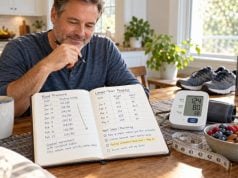
A short, structured log is more useful than hundreds of isolated smartwatch screenshots. Track the trigger, starting heart rate, peak heart rate, symptoms, duration, and recovery. Note caffeine, sleep, hydration, illness, temperature, and medications on the same day.
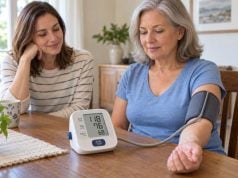
For a simple standing check, rest lying down for about 5 to 10 minutes, record heart rate and blood pressure if available, then stand and record them at intervals for up to 10 minutes while remaining safe. Stop if you feel faint or unwell. This is not a substitute for formal testing, but it can show whether standing repeatedly produces a large sustained change.
During ordinary activity, compare similar tasks. For example, record heart rate after the same staircase or five-minute walk on several days. A consistent pattern is more informative than comparing unrelated activities.
If you use a smartwatch, confirm surprising values manually when possible. Count your pulse for 30 seconds and double it, or use a home ECG device if your clinician has recommended one. If the rhythm feels irregular rather than simply fast, the distinction matters. Palpitations have several possible causes, including premature beats and arrhythmias that a watch heart-rate number alone cannot identify.
A useful log might include:
- Resting heart rate after five quiet minutes.
- Heart rate after standing for 1, 3, 5, and 10 minutes.
- Heart rate during one repeatable light activity.
- Time needed to return near baseline.
- Blood pressure if available.
- Symptoms such as dizziness, chest discomfort, breathlessness, shakiness, or faintness.
- Recent illness, menstrual bleeding, medication changes, caffeine, nicotine, alcohol, heat, and fluid intake.
Avoid checking continuously all day if monitoring makes you anxious. The goal is to define a pattern that helps decisions, not to capture every normal fluctuation.
Practical ways to reduce unnecessary spikes
The best fix depends on the cause. When no urgent problem is present, several low-risk strategies can improve the heart-rate response to everyday activity.
First, rebuild conditioning gradually. Start below the level that provokes prolonged symptoms. Short walks, easy cycling, recumbent exercise, or swimming can be easier than upright high-intensity work for people who are deconditioned or orthostatic. Increase duration before intensity. A regular program over weeks matters more than one hard session.
Second, improve hydration. Drink regularly through the day and replace fluid after sweating or illness. The exact amount varies with body size, climate, medications, kidney function, and medical conditions. Urine that is consistently very dark and low in volume may suggest inadequate intake, while forcing excessive water can also be unsafe.
Third, avoid stacking triggers. A hot shower after poor sleep, followed by strong coffee on an empty stomach, can produce a very different response than the same activity after breakfast and normal hydration. Change one variable at a time so you can see what helps.
Fourth, rise more slowly. After prolonged lying or sitting, move your legs, sit at the edge of the bed briefly, then stand. Calf contractions and walking activate the muscle pump and can improve venous return. Compression garments can help some people with diagnosed orthostatic intolerance, particularly when they cover the abdomen and legs, but they are not necessary for everyone.
Fifth, review stimulants and medicines. Do not stop prescribed medication abruptly, but ask whether any drug could be contributing. Reducing energy drinks, nicotine, or large doses of caffeine may be a simple fix.
Finally, pace activity without avoiding it. If stairs send your heart rate very high after months of inactivity, doing fewer flights at a controlled pace can be a bridge toward better fitness. Use perceived effort and symptoms along with the number. For intentional exercise, target heart-rate ranges can provide context, but they are estimates rather than diagnostic thresholds.
Breathing can also affect the sensation of a racing heart. During light effort, avoid breath-holding, especially when lifting or climbing. Slow, steady breathing can reduce unnecessary sympathetic activation and make the task feel easier. If you find yourself hyperventilating during ordinary activities, practicing a calmer breathing pattern may help symptoms, but it should not be used to dismiss persistent tachycardia that still needs evaluation.
When tests or medical treatment may be needed
Medical evaluation is reasonable when spikes are new, persistent, disproportionate to activity, or associated with significant symptoms. A clinician will usually begin with history, physical examination, resting heart rate and blood pressure, and an electrocardiogram.
Blood tests may look for anemia, iron deficiency, thyroid disease, electrolyte abnormalities, infection, pregnancy, or other causes based on the history. If symptoms mainly occur on standing, orthostatic vital signs or a standing test may be used. More formal autonomic testing or tilt-table testing is sometimes helpful when the diagnosis remains uncertain.
If episodes are intermittent, ambulatory rhythm monitoring can show whether the rhythm is sinus tachycardia or an arrhythmia. A Holter, patch monitor, or event monitor may be selected based on how often symptoms occur. The difference between Holter and event monitoring is mainly the monitoring duration and how episodes are captured.
Treatment follows the cause. Iron replacement only makes sense when iron deficiency is confirmed. Thyroid treatment targets thyroid disease. Infection, dehydration, or medication side effects require different solutions. POTS treatment often starts with individualized fluid and sodium strategies, compression, physical reconditioning, and trigger management; medications may be added when symptoms remain disabling. Inappropriate sinus tachycardia may also be treated with lifestyle measures and, in selected cases, heart-rate-lowering medication under specialist care.
Do not self-treat persistent tachycardia with someone else’s beta blocker or with large amounts of electrolyte products. These can lower blood pressure excessively, interact with medications, or create sodium and potassium problems.
Red flags that need prompt care
Seek urgent medical care when a fast heart rate occurs with chest pressure, severe shortness of breath, fainting, new neurologic symptoms, blue or gray lips, signs of shock, or a sustained very rapid rate that does not settle with rest. New tachycardia during pregnancy, after major bleeding, or with possible pulmonary embolism symptoms also needs prompt assessment.
Call emergency services rather than driving yourself if you have severe chest pain, collapse, marked breathing difficulty, or symptoms suggesting a stroke. A fast heart rate can be the body’s response to a serious problem even when the rhythm itself is sinus.
For non-emergency episodes, arrange a routine evaluation if everyday tasks repeatedly push your heart rate much higher than expected, if your exercise tolerance has clearly worsened, or if you have frequent dizziness or near-fainting. The pattern is especially worth checking if your resting heart rate is also persistently high.
Simple activities should raise heart rate somewhat. The goal is not to keep the number flat; it is to make sure the response matches the demand and recovers normally. Once secondary causes are ruled out, improving conditioning, hydration, sleep, and trigger management often makes ordinary movement feel easier and the heart-rate response less dramatic.
References
- Postural orthostatic tachycardia syndrome (POTS) and dysautonomia: International multidisciplinary expert consensus. 2026 (Consensus Statement)
- Pathophysiology and management of postural orthostatic tachycardia syndrome (POTS): A literature review. 2025 (Review)
- Sinus Tachycardia: a Multidisciplinary Expert Focused Review 2022 (Review)
- Inappropriate Sinus Tachycardia: Etiology, Pathophysiology, and Management: JACC Review Topic of the Week 2022 (Review)
- Postural Orthostatic Tachycardia Syndrome (POTS): An Update for Clinical Practice 2022 (Review)
Disclaimer
This article provides general health information and is not a diagnosis. Persistent or symptomatic tachycardia should be evaluated by a qualified clinician, especially when it is new or worsening. Seek urgent care for a fast heart rate with chest pain, fainting, severe shortness of breath, neurologic symptoms, or other signs of a medical emergency.