Yes, dehydration can raise heart rate and can make palpitations more noticeable, especially during heat, exercise, illness, or standing. When you lose fluid, circulating blood volume can fall. Your body compensates by increasing sympathetic nervous-system activity and often by making the heart beat faster to maintain blood flow. Heavy sweating, vomiting, or diarrhea can also disturb electrolytes that help the heart’s electrical system work normally. But dehydration is only one possible cause of palpitations. A racing, fluttering, pounding, or “skipped” heartbeat can also come from premature beats, atrial fibrillation, supraventricular tachycardia, anemia, thyroid disease, fever, medications, stimulants, alcohol, stress, and other problems. Hydration may help when fluid loss is part of the trigger, but it should not be used to dismiss repeated or severe symptoms. The safest approach is to look at the pattern: what you were doing, whether you had a reason to be dehydrated, how long the episode lasted, what the heart rate was, and whether warning signs such as chest pain, fainting, or severe shortness of breath occurred.
Table of Contents
- How Dehydration Can Speed Up Your Heart
- What Dehydration-Related Palpitations Feel Like
- Check Other Common Causes and Triggers
- Rehydrate Safely and Watch the Response
- Track Palpitations Without Obsessing Over Your Pulse
- Know When Recurrent Palpitations Need Testing
- Recognize Emergency Warning Signs
How Dehydration Can Speed Up Your Heart
Your cardiovascular system depends on enough circulating fluid to return blood to the heart and maintain blood flow to the brain and muscles. When fluid losses exceed intake, plasma volume can fall. With less blood returning to the heart, each beat may pump a little less blood. The body can compensate by increasing heart rate and tightening blood vessels.
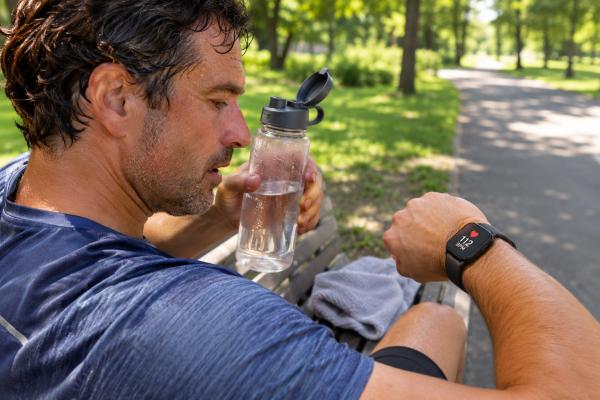
This response is especially noticeable during exercise and heat. Sweating removes water and sodium, skin blood vessels dilate to release heat, and muscles demand more blood. If hydration falls behind, the heart may need to beat faster for the same workload. A 2023 systematic review found that fluid intake during exercise attenuated the rise in heart rate compared with no fluid, with an average difference of about 6 beats per minute across the included studies. That does not mean every 6-beat increase is dehydration; it shows that fluid status can measurably influence cardiovascular strain during activity.
Standing can reveal the problem too. Gravity shifts blood toward the legs and abdomen. If circulating volume is low, heart rate may rise more to preserve blood pressure and brain perfusion. People with orthostatic intolerance or postural tachycardia syndrome can be particularly sensitive to volume changes, although their condition is more complex than ordinary dehydration.
Fluid loss can also come with electrolyte loss. Sodium, potassium, magnesium, and other ions help create the electrical signals that coordinate the heartbeat. Severe vomiting, diarrhea, heavy sweating, certain diuretics, and some kidney problems can disturb these levels. Electrolyte abnormalities can contribute to premature beats or more serious rhythm problems.
Most mild dehydration causes sinus tachycardia: the heart’s normal pacemaker speeds up appropriately in response to the body’s needs. That is different from an arrhythmia caused by an abnormal electrical circuit. The sensations can overlap, which is why symptoms alone cannot always identify the rhythm.
For context, a normal resting adult heart rate is commonly 60–100 beats per minute, but fitness, medications, age, temperature, and other factors matter. A guide to normal heart rate ranges and exercise can help separate expected activity-related changes from an unusually fast resting pulse.
What Dehydration-Related Palpitations Feel Like
Palpitations are an awareness of your heartbeat. People describe them as racing, fluttering, pounding, thumping, skipping, or a brief pause followed by a stronger beat. Dehydration does not create one unique sensation that proves the cause.
A pattern that makes dehydration more plausible includes several features occurring together:
- You have a clear reason for fluid loss, such as hot weather, a long workout, fever, vomiting, or diarrhea.
- You are thirsty, have a dry mouth, urinate less, or notice darker urine.
- Your heart rate rises more than expected with standing or easy activity.
- You also feel tired, lightheaded, headachy, or unusually weak.
- Symptoms improve as you cool down, rest, and restore normal hydration.
Even then, the relationship is an inference, not a diagnosis. Dehydration can expose or worsen an underlying rhythm problem rather than being the only cause.
A “skipped beat” feeling is often a premature atrial contraction (PAC) or premature ventricular contraction (PVC). The extra beat may occur early, followed by a pause that makes the next normal beat feel unusually forceful. Occasional premature beats are common, but frequent or symptomatic episodes can justify evaluation. The broader list of heart palpitation causes and warning signs is useful because the same sensation can come from many rhythms.
A very rapid heartbeat that starts and stops suddenly may fit supraventricular tachycardia more than simple dehydration-related sinus tachycardia. An irregularly irregular pulse, especially with fatigue, shortness of breath, or reduced exercise tolerance, can occur with atrial fibrillation. Neither pattern can be confirmed by how it feels alone; an electrocardiogram or rhythm recording is usually needed.
Duration matters. A few stronger beats after climbing stairs in heat are different from a sustained rapid rhythm at rest for 20 minutes. So does context. Palpitations during exercise, episodes that wake you from sleep, or symptoms accompanied by fainting deserve more attention than a brief isolated flutter after several cups of coffee.
Check Other Common Causes and Triggers
Do not assume every palpitation on a day you drank less water is caused by dehydration. Palpitations are a symptom, not a diagnosis.
Common noncardiac triggers include:
- Caffeine, energy drinks, nicotine, alcohol, and stimulant drugs.
- Cold medicines and some asthma medicines that stimulate the heart.
- Anxiety, panic, acute stress, and sleep deprivation.
- Fever, infection, pain, or pregnancy.
- Anemia or blood loss.
- An overactive thyroid.
- Low blood sugar in susceptible people.
- Electrolyte abnormalities from illness, medications, or kidney disease.
Cardiac causes include PACs, PVCs, atrial fibrillation, atrial flutter, supraventricular tachycardia, and ventricular arrhythmias. Structural heart disease and reduced blood flow to the heart can also contribute.
Triggers often cluster. A person may become mildly dehydrated after a late night, drink extra coffee to compensate for poor sleep, exercise in warm weather, and then notice palpitations. It may be impossible to assign the episode to one factor. The useful response is to correct the obvious reversible contributors and see whether the pattern repeats.
Alcohol deserves special attention because it can both contribute to dehydration and trigger atrial arrhythmias in some people. Dehydration is also commonly mentioned among potential atrial fibrillation triggers, but recurrent irregular rhythms should not be self-treated with water alone.
Caffeine is more individual than many people assume. Moderate coffee intake does not cause palpitations in everyone. If you consistently notice symptoms after a specific dose or product, reduce it and compare. Energy drinks can deliver larger stimulant loads and may include other activating ingredients. If you use them, reviewing energy drink and palpitation risks may help identify a modifiable trigger.
Medication lists matter too. Bring all prescription drugs, over-the-counter products, inhalers, supplements, and pre-workout products to a clinician if palpitations are recurring. A stimulant hidden in a decongestant or supplement can be easy to miss.
Rehydrate Safely and Watch the Response
If mild dehydration is likely and you have no emergency symptoms, stop strenuous activity, move to a cooler environment if needed, and drink fluid gradually. Plain water is appropriate for many everyday situations.
You may need more than water after substantial electrolyte losses. Repeated vomiting or diarrhea, hours of heavy sweating, or prolonged exercise can reduce sodium and other electrolytes. An oral rehydration solution may be more appropriate than plain water in significant gastrointestinal illness because it provides sodium and glucose in proportions designed to support absorption.
That does not mean everyone with palpitations should take electrolyte powders. Some products contain large amounts of sodium, potassium, caffeine, or other ingredients. High sodium can be a concern for people with hypertension or heart failure, while concentrated potassium can be dangerous with kidney disease or medications that raise potassium. If you regularly use electrolyte products, check the label and understand how electrolyte drinks affect sodium, potassium, and blood pressure.
After mild fluid loss, improvement should make sense in context. Thirst and dry mouth may ease, urine output may recover, and a fast sinus heart rate may settle as you rest and replace fluid. Do not expect every palpitation to stop immediately. Premature beats or an arrhythmia can continue even after hydration improves.
Avoid two extremes:
- Do not force huge volumes of water quickly. Excess water can dilute blood sodium, especially in endurance exercise or in people with impaired water excretion.
- Do not use sports drinks as a universal heart-rhythm treatment. They may add unnecessary sodium, sugar, or stimulants without addressing the real cause.
If you have heart failure, kidney disease, a prescribed fluid restriction, recurrent low sodium, or a condition requiring salt restriction, follow your individualized plan. Advice to “drink a lot more” can be unsafe in these situations.
If symptoms occurred during exercise, return gradually once you feel well rather than immediately resuming the same intensity. Persistent racing at rest, recurrent fluttering, or symptoms that return every time you stand or exercise deserve evaluation.
Track Palpitations Without Obsessing Over Your Pulse
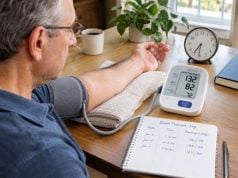
A short symptom record can help a clinician far more than repeated pulse checking throughout the day. The goal is to capture episodes, not to monitor every heartbeat.
When an episode happens, note:
- Start time and approximate duration.
- What you were doing immediately before it began.
- Whether the rhythm felt regular or irregular.
- Heart rate, if you can obtain it safely without delaying care.
- Associated symptoms such as dizziness, chest discomfort, breathlessness, or faintness.
- Recent exercise, heat exposure, illness, vomiting, diarrhea, or reduced fluid intake.
- Caffeine, alcohol, nicotine, medications, or supplements used that day.
If you have a smartwatch or consumer ECG device, a rhythm strip recorded during symptoms can sometimes help. Wearables can detect some arrhythmias, particularly atrial fibrillation, but they are not perfect and can create false alarms. A normal wearable reading also cannot rule out every rhythm problem.
Do not repeatedly check your heart rate every few seconds after a benign-feeling palpitation. That behavior can heighten awareness of normal variations and increase anxiety. A single resting rate and a symptom note are usually more useful.
A pulse that gradually speeds up with heat, standing, or activity and gradually slows with rest is more consistent with sinus tachycardia. A rhythm that switches abruptly from normal to very fast and back again may be more suggestive of an arrhythmia such as SVT. An irregular pulse can have many causes, including premature beats and atrial fibrillation.
If episodes are infrequent, a clinic ECG may be normal because the rhythm has already ended. That does not mean the symptom was imaginary. It may mean a longer monitor is needed to correlate the sensation with the actual rhythm.
Also interpret the heart-rate number in light of medications. Beta blockers and some calcium channel blockers can limit how much the pulse rises even when you are dehydrated, while decongestants, stimulants, thyroid medicine taken in excess, and some inhalers can increase it. A “normal” pulse therefore does not rule out dehydration, and a fast pulse does not identify the cause by itself. If you take a medicine that slows heart rate, pay attention to other clues such as dizziness, thirst, reduced urine output, and unusual exercise intolerance.
Standing measurements can occasionally add useful information, but they should not become a home stress test. If your clinician asks you to check orthostatic heart rate and blood pressure, follow the timing they provide and stop if you feel faint. A reproducible large heart-rate increase on standing can occur with volume depletion, but it can also occur with postural tachycardia syndrome and other conditions. Persistent symptoms need evaluation rather than repeated self-testing.
Finally, compare episodes under similar conditions. A resting pulse taken after five quiet minutes tells you more than a number captured immediately after walking upstairs, taking a hot shower, or becoming frightened by a wearable alert. Context is part of the measurement.
Know When Recurrent Palpitations Need Testing
Recurrent palpitations should be evaluated when they are new, increasing, sustained, occurring with exertion, or affecting your quality of life. The purpose is to determine whether the sensation represents a harmless awareness of normal rhythm, premature beats, sinus tachycardia from another condition, or a true arrhythmia.
Initial evaluation often includes a history, physical examination, medication review, and 12-lead electrocardiogram. Depending on the pattern, clinicians may order blood tests for anemia, thyroid function, electrolytes, or other causes.
Rhythm monitoring is chosen to match symptom frequency. A 24- or 48-hour Holter monitor may work when symptoms occur daily. Longer patch monitors or event monitors can be more useful when episodes happen only a few times per week or month. An echocardiogram may be ordered when structural heart disease is suspected, and exercise testing can be appropriate when symptoms consistently occur with exertion.
Atrial fibrillation deserves specific attention because it can be intermittent and may increase stroke risk. Symptoms can include an irregular heartbeat, fatigue, shortness of breath, dizziness, or reduced exercise capacity, although some people have no symptoms. Learn the typical atrial fibrillation symptoms and warning signs if your pulse is repeatedly irregular.
If the main pattern is an excessive heart-rate rise when standing with dizziness or near-fainting, your clinician may check orthostatic vital signs and consider autonomic causes. Hydration and salt strategies are used in some orthostatic disorders, but the appropriate amount depends on blood pressure, kidney function, and the specific diagnosis.
The most useful question is not simply, “Are palpitations dangerous?” It is, “What rhythm is happening when I feel them?” Capturing that correlation is what turns a symptom into a diagnosis.
Recognize Emergency Warning Signs
Do not try to treat a potentially dangerous rhythm by drinking water at home.
Seek emergency medical care for palpitations or a fast heartbeat accompanied by:
- Chest pain, pressure, or tightness.
- Severe shortness of breath.
- Fainting or near-fainting, especially during exertion.
- New weakness, numbness, trouble speaking, or other stroke-like symptoms.
- Severe dizziness, confusion, or inability to stay upright.
- A sustained very rapid heartbeat with worsening symptoms.
- Palpitations after a known overdose, stimulant drug use, or serious medication reaction.
People with known heart disease, cardiomyopathy, a prior heart attack, significant valve disease, congenital heart disease, or a history of dangerous arrhythmia should generally have a lower threshold for urgent evaluation.
Severe dehydration also needs prompt care when you cannot keep fluids down, make very little urine, become confused, faint, or show signs of shock. Significant vomiting or diarrhea can create electrolyte disturbances that cannot be diagnosed by symptoms alone.
If the episode is brief, you feel otherwise well, and there are no warning signs, document it and address likely triggers such as heat, inadequate fluid intake, poor sleep, excess stimulants, or alcohol. If it keeps happening, arrange an evaluation rather than repeatedly experimenting with water or supplements.
Hydration is an important part of normal cardiovascular function, but it is not a diagnostic test. A faster pulse during dehydration can be a normal compensatory response. Palpitations can also be the first noticeable sign of an arrhythmia. The distinction depends on the pattern, associated symptoms, and—when needed—an actual rhythm recording.
References
- Influence of Fluid Ingestion on Heart Rate, Cardiac Autonomic Modulation and Blood Pressure in Response to Physical Exercise: A Systematic Review with Meta-Analysis and Meta-Regression. 2023 (Systematic Review)
- Oral and intravenous hydration in the treatment of orthostatic hypotension and postural tachycardia syndrome. 2022 (Review)
- Palpitations: Evaluation, Management, and Wearable Smart Devices 2024 (Review)
- Premature Contractions ‒ PACs and PVCs 2024
- Tachycardia: Fast Heart Rate 2024
- 2023 ACC/AHA/ACCP/HRS Guideline for the Diagnosis and Management of Atrial Fibrillation: A Report of the American College of Cardiology/American Heart Association Joint Committee on Clinical Practice Guidelines 2024 (Guideline)
Disclaimer
This article is for general education and cannot diagnose the cause of palpitations. Fluid and electrolyte needs vary with kidney disease, heart failure, medications, pregnancy, exercise, and other conditions. Seek emergency care for palpitations with chest pain, fainting, severe shortness of breath, stroke-like symptoms, or a sustained very rapid heartbeat with worsening symptoms.