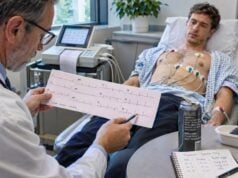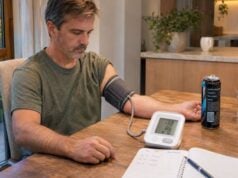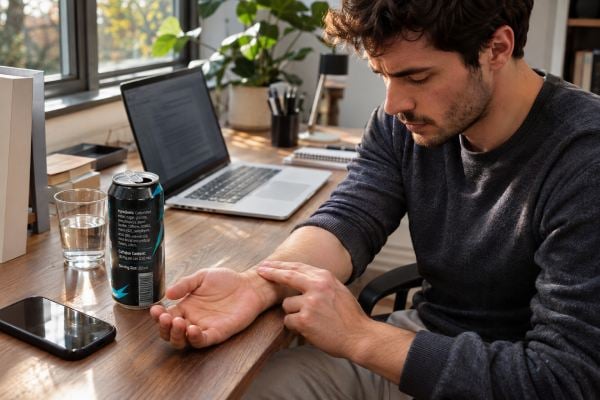
Energy drinks can trigger heart palpitations, especially when they deliver a large caffeine dose quickly or are combined with other stimulants, dehydration, poor sleep, alcohol, or hard exercise. A palpitation is the sensation that your heart is racing, pounding, fluttering, skipping, or beating unusually hard. In many otherwise healthy people, the feeling passes as the stimulant wears off. However, energy drinks can also raise blood pressure and alter electrical activity in the heart, and some people are more vulnerable to rhythm problems than others.
The safest approach is to treat the caffeine amount on the label as a dose, not just a beverage ingredient. Count caffeine from coffee, tea, pre-workout products, medications, and energy drinks together. If an energy drink repeatedly causes palpitations, that is a practical sign that the dose or product does not agree with you. New palpitations with chest pain, fainting, severe shortness of breath, or a sustained very fast heartbeat need urgent medical attention.
Table of Contents
- Why Energy Drinks Can Cause Palpitations
- How Much Caffeine Is Too Much?
- What Palpitations After an Energy Drink May Mean
- Who Is More Likely to Have a Problem?
- What to Do If Palpitations Start
- How to Lower Risk If You Use Energy Drinks
- When to Seek Medical Care
Why Energy Drinks Can Cause Palpitations
Energy drinks can make the heart feel more noticeable because they stimulate the nervous system. Caffeine blocks adenosine receptors, which normally help promote relaxation and sleepiness. This can increase alertness, adrenaline-like signaling, vascular tone, and the force of heart contractions. The result may be a faster pulse, stronger beats, a temporary rise in blood pressure, or increased awareness of normal beats.
Energy drinks are not simply coffee in a different can. They often combine caffeine with ingredients such as guarana, taurine, green tea extract, yerba mate, or other stimulant-like compounds. Guarana itself contains caffeine, so a product that lists both caffeine and guarana may provide more stimulant exposure than a quick glance at the ingredient list suggests. Some products also contain large amounts of sugar, which can add a rapid metabolic load without reducing the stimulant effect.
Controlled trials and recent reviews show that energy drinks can raise systolic and diastolic blood pressure for several hours. A 2024 meta-analysis of randomized trials found average increases of roughly 4–5 mmHg at certain time points after consumption. Some studies also show changes in the QT or QTc interval, which reflects part of the heart’s electrical recovery cycle. The average change is usually small, but it matters more in people who already have a prolonged QT interval, take QT-prolonging medicines, or have an inherited electrical disorder.
The sensation of a racing heart is not always the same thing as a dangerous arrhythmia. Many episodes are caused by sinus tachycardia, which means the heart’s normal pacemaker is simply firing faster. Others are isolated premature atrial contractions or premature ventricular contractions. These extra beats can create a noticeable “thump” or brief pause. If you want a broader explanation of common triggers and warning signs, see common causes of heart palpitations.
The dose and the context often matter more than the brand name. A can consumed slowly after food may feel very different from the same amount taken quickly on an empty stomach before a workout. Poor sleep, anxiety, illness, nicotine, and dehydration-related palpitations can amplify the response.
How Much Caffeine Is Too Much?
For most healthy adults, the U.S. Food and Drug Administration cites 400 mg of caffeine per day as an amount not generally associated with negative effects. That is not a target and it is not a guarantee of safety. Some people develop palpitations, anxiety, tremor, reflux, or insomnia at 50–150 mg, while others tolerate considerably more without obvious symptoms.
Energy drinks can make dose tracking difficult because container sizes vary. A single product may contain roughly 80 mg to more than 300 mg of caffeine, and a large can may contain two labeled servings even though most people drink the whole container. Concentrated “energy shots” can deliver a large dose in only a few ounces.
| Caffeine amount | What it may mean in practice |
|---|---|
| 50–100 mg | A modest dose, but enough to cause symptoms in highly sensitive people. |
| 150–200 mg | A common energy-drink range that can noticeably raise alertness, heart rate, or blood pressure in some users. |
| 300–400 mg | A high single-day contribution from one product, especially if coffee, tea, or pre-workout caffeine is also used. |
| More than 400 mg/day | Above the FDA’s commonly cited level for most healthy adults; side effects become more likely as intake rises. |
The timing matters too. Caffeine commonly reaches peak blood levels within about 30–120 minutes, and its half-life is often around 4–6 hours, although individual metabolism varies widely. A 200 mg drink at 4 p.m. can therefore leave a meaningful amount of caffeine in the body near bedtime. Poor sleep then increases sympathetic activity the next day, making another energy drink feel more necessary and potentially creating a cycle of caffeine, sleep loss, and palpitations.
A useful rule is to count all stimulant sources for the day. Coffee, caffeinated soda, tea, chocolate, pre-workout powders, fat-burning supplements, headache medicines, and some cold products can all contribute. People who notice a significant blood-pressure response to caffeine may also benefit from learning about caffeine and blood pressure limits.
Children and teenagers should not be treated as smaller adults when it comes to energy drinks. Major pediatric guidance discourages energy drinks for children and adolescents because of the high stimulant load and limited safety data. Pregnancy, breastfeeding, and certain medical conditions also call for more conservative caffeine limits that should be discussed with a clinician.
What Palpitations After an Energy Drink May Mean
Most energy-drink palpitations are short-lived, but the pattern can provide clues about what is happening. The important questions are how fast the heartbeat is, whether it feels regular, how long it lasts, what other symptoms occur, and whether the same pattern happens repeatedly.
A gradual increase in pulse that feels strong but regular often fits sinus tachycardia. This is especially likely after a large caffeine dose, intense exercise, heat exposure, dehydration, or anxiety. A resting pulse of 90–110 beats per minute may feel uncomfortable in someone whose usual resting rate is in the 60s, even though the rhythm itself is normal.
A sudden “skip,” pause, or hard thump can be an early beat. Premature beats are common and can occur in healthy people, but stimulants may make them more frequent or more noticeable. Repeated skipped beats, runs of rapid beats, or symptoms that continue after caffeine should be evaluated rather than repeatedly self-treated.
A sudden very rapid rhythm that starts and stops abruptly may suggest a supraventricular tachycardia rather than a simple stimulant-related rise in sinus rate. Atrial fibrillation can cause an irregularly irregular pulse, but it is much less common in young healthy adults than benign extra beats. Ventricular arrhythmias are uncommon, yet case reports and reviews have described serious events after high energy-drink exposure, particularly when other risk factors were present.
It helps to document the episode. Note the product, can size, stated caffeine amount, other caffeine used that day, time of intake, activity, symptoms, and approximate heart rate. If you wear a smartwatch, a saved heart-rate trend or rhythm tracing may help your clinician, but consumer devices do not replace a medical ECG. For context on normal ranges, see normal resting and exercise heart rates.
Do not assume every episode is caused by caffeine just because it happens after an energy drink. Thyroid disease, anemia, fever, low blood sugar, medication effects, electrolyte problems, pregnancy, panic attacks, and underlying rhythm disorders can all produce similar symptoms.
Who Is More Likely to Have a Problem?
The chance of symptoms rises when stimulant dose, personal susceptibility, and other stressors overlap. Someone who tolerates an occasional small energy drink may react very differently after poor sleep, fasting, a hard workout, or a second stimulant product.
People who should be especially cautious include those with:
- A history of atrial fibrillation, supraventricular tachycardia, ventricular arrhythmia, or unexplained fainting.
- Congenital long-QT syndrome, Brugada syndrome, cardiomyopathy, or another inherited heart condition.
- Known coronary artery disease, heart failure, or significant structural heart disease.
- High blood pressure that is not well controlled.
- Recurrent palpitations that have never been evaluated.
- A family history of sudden unexplained cardiac death at a young age.
- Pregnancy or a need for a lower individualized caffeine limit.
- Medicines that can affect heart rhythm or stimulant response.
Combining energy drinks with exercise deserves special attention. Exercise already increases heart rate, cardiac output, body temperature, and catecholamines. Research suggests caffeinated energy drinks can raise exercise systolic blood pressure further. The combination may be tolerated by many healthy adults, but it gives the cardiovascular system more stimulation than either exposure alone. A dedicated pre-workout supplement safety review can help you identify ingredients that may stack with caffeine.
Alcohol is another risky combination. Caffeine can make a person feel less sedated without reversing alcohol-related impairment. That can encourage more drinking or delay recognition of intoxication. Alcohol itself can trigger dehydration and, in susceptible people, arrhythmias such as atrial fibrillation.
Nicotine also stacks with caffeine. Cigarettes, vaping products, nicotine pouches, and stimulant beverages can all increase sympathetic activity. If palpitations consistently appear only when substances are combined, the combination is a strong suspect even when each product seems tolerable alone.
A useful personal threshold is lower than any population guideline if symptoms appear. If 150 mg repeatedly causes pounding or skipped beats, the fact that 400 mg may be tolerated by many other adults is not a reason to keep pushing your dose upward.
What to Do If Palpitations Start
Stop taking more caffeine or stimulants for the rest of the episode. Sit down, avoid exercise, and give your body time to metabolize what you already consumed. If you are otherwise well and the symptoms are mild, a calm environment and normal hydration are usually more useful than trying to “flush out” caffeine with excessive water.
A practical response is:
- Stop the energy drink and any additional caffeine, nicotine, or pre-workout products.
- Sit or lie down if you feel lightheaded.
- Check your pulse for about 30–60 seconds if you can do so without becoming more anxious.
- Note whether the rhythm seems regular or irregular and how long the episode lasts.
- Drink a normal amount of water if you may be dehydrated, but do not force large amounts quickly.
- Avoid a hard workout until the symptoms have fully resolved.
- Seek care promptly if warning signs appear or the episode does not settle.
Do not take someone else’s heart medication, beta blocker, anti-anxiety medicine, or electrolyte supplement to treat an unexplained rapid heartbeat. Potassium and magnesium can be dangerous in excess, especially with kidney disease or certain medications.
If symptoms are mild but happen repeatedly, stop the energy drinks for a trial period and see whether the problem disappears. A clinician may review medications, check blood pressure, obtain an ECG, and consider blood tests for anemia, thyroid problems, or electrolytes. If episodes are intermittent, a Holter or event monitor may be useful; see Holter versus event monitoring for palpitations for how those tests differ.
The key is not to normalize a pattern that keeps returning. Reproducible palpitations after a specific drink are useful information. They indicate that the product, dose, or situation is not a good fit for you even if no emergency occurs.
How to Lower Risk If You Use Energy Drinks
The lowest-risk option is to skip energy drinks entirely if they have caused palpitations before. If you choose to use them, dose awareness and avoiding stimulant stacking matter more than marketing claims such as “clean energy,” “natural caffeine,” or “zero sugar.”
Start by checking the total caffeine per container, not per serving. A large can may contain two servings, while the entire container is usually consumed at once. Add caffeine from other products before deciding whether another drink fits your day. Be cautious when the label does not clearly state a total amount.
Use the following habits to reduce avoidable risk:
- Choose a lower-caffeine product and drink it slowly rather than chugging it.
- Avoid energy drinks on top of pre-workout powders or stimulant fat burners.
- Do not use them to compensate for severe sleep deprivation.
- Avoid taking them late in the day if they disrupt sleep.
- Eat normally and stay reasonably hydrated, especially before exercise.
- Avoid mixing energy drinks with alcohol.
- Stop using the product if you develop palpitations, chest discomfort, tremor, or marked anxiety.
Sugar-free energy drinks remove the sugar load but do not remove caffeine or other stimulants. They can therefore still cause palpitations or raise blood pressure. Conversely, a high-sugar drink may add calories and glucose spikes but is not automatically more arrhythmogenic than a sugar-free version if stimulant doses differ. Read the actual label rather than using “sugar-free” as a cardiovascular safety signal.
If your goal is alertness, alternatives may work better with less stimulation: a smaller coffee or tea, water plus a meal, a short walk, daylight exposure, or a brief nap. If you routinely need an energy drink to stay awake while driving, studying, or working, the more important problem may be chronic sleep restriction.
People who are sensitive to stimulants can also benefit from separating caffeine reduction from abrupt withdrawal. Gradually cutting the daily dose over several days can reduce headache and fatigue. If you suspect broad caffeine sensitivity rather than a reaction to one product, caffeine sensitivity and heart-rate symptoms may help you identify a lower personal limit.
When to Seek Medical Care
Most brief palpitations without other symptoms are not emergencies, but certain combinations need urgent assessment. Call emergency services or seek emergency care if palpitations occur with chest pressure, fainting, near-fainting, severe shortness of breath, new weakness, confusion, or a sustained very rapid heartbeat that is not settling.
Chest pain after a stimulant should not be dismissed because of young age or presumed anxiety. Energy drinks can raise blood pressure and cardiac workload, and serious cardiovascular events have been reported. If you are unsure how to judge chest symptoms, review when chest pain needs emergency evaluation.
Arrange a non-emergency medical evaluation if:
- Palpitations keep recurring after caffeine or energy drinks.
- Episodes happen even when you have not used stimulants.
- You feel an irregular rhythm that lasts minutes to hours.
- Your resting heart rate is repeatedly much higher than usual.
- You have known heart disease, high blood pressure, or an inherited rhythm condition.
- There is a family history of sudden unexplained death.
- Symptoms interfere with exercise, sleep, work, or daily life.
Bring the product label or a photo of it to the appointment. Include all supplements and medicines, because decongestants, ADHD medications, thyroid hormone, bronchodilators, nicotine, and some weight-loss products can intensify stimulant effects.
The practical bottom line is simple: palpitations are a reason to reduce or stop the trigger, not a challenge to build tolerance. Energy drinks are optional products, and a body that consistently responds with racing or skipped beats is giving useful feedback. Medical evaluation becomes more important when the symptoms are new, recurrent, severe, or accompanied by warning signs.
References
- The Effects of Energy Drinks on the Cardiovascular System: A Systematic Review 2025 (Systematic Review)
- Acute effects of energy drink consumption on cardiovascular parameters in healthy adults: a systematic review and meta-analysis of randomized clinical trials 2024 (Systematic Review)
- Energy Drinks and Arrhythmias in Adolescents and Young Adults: A Narrative Review of the Last Decade 2026 (Review)
- Caffeine and Arrhythmias: A Critical Analysis of Cardiovascular Responses and Arrhythmia Susceptibility 2024 (Review)
- Spilling the Beans: How Much Caffeine is Too Much? 2024
Disclaimer
This article is for general education and is not a diagnosis or treatment plan. New or recurrent palpitations should be discussed with a healthcare professional, especially if you have heart disease, take stimulant or rhythm-affecting medication, or have a family history of sudden cardiac death. Seek emergency care for palpitations with chest pain, fainting, severe shortness of breath, or a sustained very fast heartbeat.