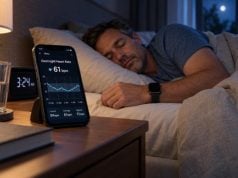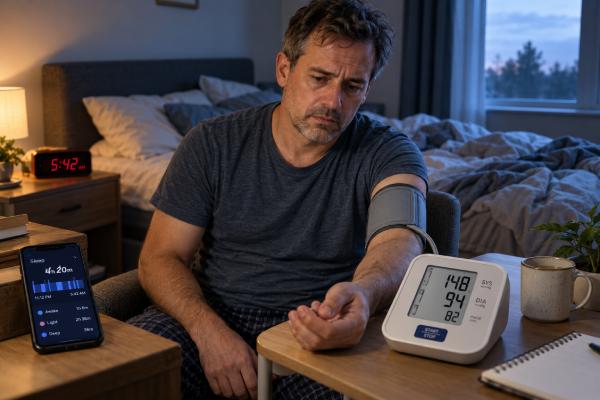
Blood pressure is not meant to stay flat around the clock. In most people, it falls during healthy sleep as heart rate, sympathetic nervous-system activity, and physical demands decrease. Short, fragmented, or poorly timed sleep can interfere with that overnight recovery and may keep blood pressure higher during both the night and the following day. Over time, habitual short sleep is associated with a greater risk of developing hypertension. Sleep disorders matter too: obstructive sleep apnea repeatedly disrupts breathing and oxygen levels, causing bursts of sympathetic activity that can drive nighttime and morning blood pressure upward. Sleep is not a replacement for medication, exercise, sodium reduction, or other proven treatments, but it is an important part of blood-pressure control. The useful goal is not to chase a perfect sleep score. It is to get enough regular, restorative sleep, recognize signs of sleep apnea or insomnia, and measure blood pressure correctly so you can tell whether your overall plan is working.
Table of Contents
- How Blood Pressure Normally Changes During Sleep
- Why Short or Broken Sleep Can Raise Blood Pressure
- Sleep Apnea, Snoring, and Resistant Hypertension
- How Much Sleep Is Enough for Blood Pressure?
- Nighttime and Morning Blood Pressure Patterns
- Sleep Habits That Support Blood Pressure Control
- When to Talk With a Clinician
How Blood Pressure Normally Changes During Sleep
Blood pressure follows a daily rhythm influenced by sleep, activity, hormones, the autonomic nervous system, kidneys, meals, medications, and the body’s internal clock. During restful nighttime sleep, sympathetic “fight-or-flight” activity usually falls and parasympathetic activity becomes more prominent. Heart rate slows, blood vessels relax, and blood pressure commonly drops compared with waking levels.
This overnight fall is often called “dipping.” Clinicians usually assess it with 24-hour ambulatory blood pressure monitoring rather than a single home reading. A person whose pressure does not fall as expected may be described as a nondipper; in some people pressure actually rises during sleep. These patterns are associated with higher cardiovascular risk, although the pattern itself can have many causes.
Poor sleep can disturb this rhythm. Repeated awakenings cause brief surges in heart rate and sympathetic activity. Staying awake far past the body’s usual sleep period keeps the cardiovascular system exposed to waking stress for longer. Circadian misalignment, such as rotating night-shift work or highly irregular sleep timing, can uncouple behavior from the internal clock that helps regulate vascular tone and hormones.
Nighttime blood pressure is clinically important because it can reveal risk that daytime office measurements miss. A person may have acceptable readings in the clinic but elevated pressure during sleep, especially with sleep apnea, kidney disease, diabetes, or other conditions. The European Society of Hypertension identifies ambulatory monitoring as the reference method for assessing nocturnal blood pressure.
If you have been given an ambulatory monitor, understanding ambulatory blood pressure results can help you make sense of daytime, nighttime, and 24-hour averages.
Why Short or Broken Sleep Can Raise Blood Pressure
There is no single mechanism connecting sleep and hypertension. Several systems change at the same time when sleep is repeatedly shortened or fragmented.
First, sympathetic nervous-system activity can remain elevated. That increases heart rate, tightens blood vessels, and can stimulate hormonal pathways that conserve sodium and support higher blood pressure. Acute sleep loss can therefore raise pressure the next day, especially when combined with stress, caffeine, or demanding activity.
Second, sleep loss can impair endothelial function. The endothelium is the thin inner lining of blood vessels that helps regulate dilation and constriction. Research on sleep deprivation links insufficient sleep with reduced vascular responsiveness, oxidative stress, and inflammatory signaling. These changes provide a biologically plausible path from chronic poor sleep to sustained hypertension, although the size of the effect varies among individuals.
Third, short sleep can worsen metabolic regulation. It may increase appetite, alter hunger hormones, reduce insulin sensitivity, and make high-calorie foods more appealing. If poor sleep contributes to gradual weight gain, the indirect blood-pressure effect can become substantial. Sleep deprivation can also reduce motivation for exercise and make dietary choices harder to sustain.
Fourth, insufficient sleep may increase salt sensitivity in some people and can interfere with normal kidney and hormonal rhythms. Blood pressure is tightly linked to sodium balance and fluid regulation, so sleep-related changes in these systems may matter over time.
Large cohort meta-analyses support the overall association. A 2024 systematic review including more than one million people found that short sleep was associated with a higher incidence of hypertension, with stronger associations at very short sleep durations. A separate 2025 meta-analysis of cohort studies also found higher hypertension risk with sleep below about seven hours, although observational studies cannot prove that sleep duration alone caused the disease.
That distinction is important. People who sleep poorly may also have more stress, shift work, depression, pain, alcohol use, obesity, or sleep apnea. Good studies try to adjust for these factors, but no statistical model removes every difference. The association is strong enough to take sleep seriously, but it does not mean one bad week of sleep will permanently raise your blood pressure.
Sleep Apnea, Snoring, and Resistant Hypertension
Obstructive sleep apnea is one of the most important sleep-related causes of high blood pressure. During an apnea, the upper airway narrows or closes, breathing pauses, oxygen levels may fall, and the brain briefly arouses the sleeper to reopen the airway. This cycle can happen many times per hour without the person remembering it.
Each event can trigger a surge in sympathetic activity and blood pressure. Repeated over months or years, these surges can contribute to sustained hypertension, abnormal nighttime pressure, and greater blood-pressure variability. Sleep apnea is particularly common in people with resistant hypertension, meaning blood pressure remains above goal despite an appropriate multidrug treatment plan.
Clues to obstructive sleep apnea include loud habitual snoring, witnessed pauses in breathing, gasping or choking during sleep, morning headaches, dry mouth, unrefreshing sleep, daytime sleepiness, frequent nighttime urination, and difficult-to-control blood pressure. Not everyone with sleep apnea is sleepy, and not everyone with the condition has obesity.
If these features sound familiar, see sleep apnea symptoms and high blood pressure. A formal sleep evaluation may include home sleep apnea testing or an overnight laboratory sleep study, depending on the clinical situation.
Treating sleep apnea can improve sleep quality and reduce cardiovascular stress. Continuous positive airway pressure, or CPAP, lowers blood pressure on average, but the average reduction is usually modest rather than dramatic. The effect may be larger in people with severe apnea, resistant hypertension, or good nightly CPAP adherence. Many people still need antihypertensive medication and other lifestyle measures.
Weight loss can reduce sleep-apnea severity in people with excess weight, but it is not an immediate substitute for treatment when apnea is significant. Dental appliances, positional therapy, surgery, and other options may be appropriate for selected patients. Treatment should match the type and severity of sleep-disordered breathing.
How Much Sleep Is Enough for Blood Pressure?
For most adults, a practical target is about seven to nine hours of sleep per night. Individual sleep need varies, and older adults may spend somewhat less time asleep even when they allow adequate time in bed. The more important pattern is consistently obtaining enough sleep to feel restored and function well during the day.
Population studies commonly define short sleep as less than seven hours, but the risk does not change suddenly at exactly 6 hours and 59 minutes. The strongest and most consistent associations with hypertension tend to appear with chronic short sleep, especially below six hours. Habitual sleep around four or five hours is very different from occasionally sleeping six and a half hours because of a busy evening.
Long sleep is harder to interpret. Some studies associate nine or more hours with hypertension or cardiovascular disease, while others find no increase in incident hypertension. Long sleep can be a marker of underlying illness, depression, low physical activity, medication effects, or poor-quality sleep rather than a direct cause. If you regularly need unusually long sleep and still feel exhausted, the question is not simply whether to sleep less; it is why the sleep is not restorative.
Sleep quality matters alongside duration. Eight hours in bed with frequent awakenings from pain, apnea, hot flashes, reflux, alcohol, or environmental noise may not provide the same cardiovascular recovery as consolidated sleep. Likewise, irregular sleep timing can make it harder to align sleep with circadian blood-pressure rhythms.
Consistency also matters. Large swings between very short weekday sleep and long weekend catch-up sleep may leave the body repeatedly shifting between schedules. Catch-up sleep can reduce sleepiness and may help after an occasional short night, but it is not a complete substitute for adequate sleep most nights. Naps can be useful when someone is sleep-deprived, yet long or late naps may make nighttime insomnia worse in susceptible people. The practical priority is a sustainable schedule that provides enough sleep across the week rather than trying to erase a chronic sleep deficit in one or two days.
If your schedule allows adequate time but you still struggle with rest, sleep quality habits for heart health covers practical ways to improve consistency and reduce common disruptions.
Nighttime and Morning Blood Pressure Patterns
Many people notice that blood pressure is higher after waking than later in the day. A morning rise is normal because the body increases sympathetic activity and hormones such as cortisol as it transitions to wakefulness. The problem is not that pressure rises at all, but that the overall level may be too high or the pattern may be exaggerated.
Poor sleep can contribute to high morning readings in several ways. Sleep apnea can produce repeated nighttime surges and leave pressure elevated after waking. A short night can increase sympathetic tone. Alcohol can fragment sleep and affect morning pressure. Pain, stress, a full bladder, caffeine, nicotine, or measuring immediately after rushing around can also produce a higher number.
Home readings should be taken under standardized conditions. Sit quietly for about five minutes, keep your back supported and feet flat, place the cuffed arm at heart level, and use the correct cuff size. Avoid measuring right after exercise, smoking, caffeine, or a stressful commute. Follow the schedule your clinician recommends, often taking two readings about one minute apart in the morning and evening over several days.
If morning pressure is repeatedly high, do not change medication timing on your own. Whether an antihypertensive should be taken in the morning, evening, or split across the day depends on the drug, side effects, adherence, kidney function, and the person’s actual 24-hour pressure pattern. Modern guidance emphasizes reliable blood-pressure control over a full day rather than a universal bedtime-dosing rule.
For persistent morning elevations, review causes of high morning blood pressure and bring a structured home log to your clinician. If the pattern remains unclear, ambulatory monitoring can show whether the issue is morning surge, nighttime hypertension, white-coat effects, or inadequate 24-hour medication coverage.
Sleep Habits That Support Blood Pressure Control
Sleep habits work best when they make adequate sleep easier rather than turning bedtime into another performance test. Choose a realistic wake time and keep it reasonably consistent, including on weekends. Then allow enough time in bed to meet your usual sleep need.
Get bright light after waking and regular daytime physical activity. Morning light helps anchor circadian timing, while exercise supports both sleep and blood-pressure control. Finish intense exercise early enough that it does not keep you wired at bedtime if you are sensitive to late workouts.
Use caffeine strategically. Caffeine can temporarily raise blood pressure and delay sleep, especially in sensitive people. If you have insomnia or high evening pressure, moving caffeine earlier in the day may help. The exact cutoff depends on your metabolism and dose; a practical experiment is to stop caffeine at least six to eight hours before bedtime and see whether sleep improves.
Alcohol may make you feel sleepy initially but can fragment the second half of the night, worsen snoring and sleep apnea, and raise blood pressure with heavier intake. Reducing evening alcohol can improve both sleep continuity and cardiovascular risk. Nicotine is also stimulating and can disrupt sleep.
Make the bedroom dark, quiet, and comfortably cool. If screen use keeps you awake, reduce stimulating content and bright light near bedtime rather than focusing only on the device itself. A short wind-down routine—reading, stretching, or calm breathing—can help your brain associate the same sequence with sleep.
If insomnia persists for months, cognitive behavioral therapy for insomnia is the preferred non-drug treatment for chronic insomnia. It addresses time in bed, conditioned arousal, sleep timing, and unhelpful sleep beliefs more effectively than generic “sleep hygiene” alone.
Do not rely on over-the-counter sleep aids as a blood-pressure strategy. Some products can cause next-day sedation, interact with medications, or worsen other conditions. Melatonin can be useful for certain circadian problems but is not a general hypertension treatment. Discuss persistent sleep difficulty with a clinician, especially if you take multiple cardiovascular medicines.
Some prescription medicines can also affect sleep or nighttime blood pressure. Diuretics taken too late may increase bathroom trips, while stimulating medications can delay sleep. On the other hand, changing timing without guidance can reduce treatment effectiveness or create side effects. If medication appears to be disrupting sleep, ask the prescriber whether timing or the drug choice can be adjusted safely instead of skipping doses.
When to Talk With a Clinician
Bring up sleep when blood pressure remains high despite treatment, when readings are consistently elevated in the morning, or when there is a large difference between clinic and home values. Sleep apnea should be considered when hypertension is resistant, nighttime pressure is high, or snoring and witnessed breathing pauses are present.
Also seek help for chronic insomnia, severe daytime sleepiness, falling asleep while driving, recurrent gasping at night, or unexplained morning headaches. These symptoms can affect safety as well as cardiovascular health.
If your home blood pressure readings are frequently high, make sure the measurement technique and cuff are accurate before assuming sleep is the sole cause. A well-validated upper-arm cuff, correct size, and repeated readings are important. See the best schedule for home blood pressure monitoring for a structured approach.
Poor sleep is often one factor among several. Sodium intake, body weight, alcohol, physical activity, medication adherence, kidney disease, thyroid disease, and other secondary causes may also need attention. Improving sleep should strengthen a comprehensive plan, not replace it.
Seek urgent care for severely elevated blood pressure when it is accompanied by symptoms suggesting acute organ injury, such as chest pain, severe shortness of breath, new weakness or numbness, confusion, severe vision change, or other neurologic symptoms. A single high number without those symptoms is a different situation, but repeated very high readings still require prompt clinical guidance.
If you are trying to improve sleep and blood pressure at the same time, change the basics in a way you can measure. Keep wake time fairly consistent, allow enough time in bed for your sleep need, reduce late-night alcohol, and avoid turning the last hour before bed into work or highly stimulating screen time when that clearly delays sleep. Morning daylight and regular daytime activity can help anchor the sleep-wake rhythm. If caffeine disrupts sleep, moving it earlier is often more useful than assuming you must eliminate it completely. Track blood pressure under consistent conditions so normal day-to-day variation does not hide the trend.
Do not expect one perfect night to normalize established hypertension. Sleep interventions work over time, and the blood-pressure effect may be modest when other drivers are strong. Someone with untreated sleep apnea, obesity, kidney disease, high sodium intake, heavy alcohol use, or a strong genetic tendency to hypertension may need several interventions at once. Likewise, prescribed blood-pressure medication should not be reduced or stopped just because sleep improves unless the treating clinician advises it. Better sleep is most powerful as part of a coordinated plan: it can support appetite control, exercise recovery, medication adherence, and daytime energy while removing one source of repeated nighttime cardiovascular stress.
The most useful takeaway is that sleep gives the cardiovascular system a nightly period of lower demand. When sleep is consistently too short, fragmented, or disrupted by apnea, blood pressure may lose part of that recovery period. Protecting sleep is therefore a practical part of long-term blood-pressure care—alongside accurate measurement, appropriate medication, exercise, nutrition, and treatment of underlying sleep disorders.
References
– 2025 AHA/ACC/AANP/AAPA/ABC/ACCP/ACPM/AGS/AMA/ASPC/NMA/PCNA/SGIM Guideline for the Prevention, Detection, Evaluation, and Management of High Blood Pressure in Adults: A Report of the American College of Cardiology/American Heart Association Joint Committee on Clinical Practice Guidelines 2025 (Guideline) – The Association Between Sleep Duration and the Risk of Hypertension: A Systematic Review and Meta-analysis of Cohort Studies 2025 (Systematic review and meta-analysis) – Association between sleep duration and hypertension incidence: Systematic review and meta-analysis of cohort studies. 2024 (Systematic review and meta-analysis) – Obstructive sleep apnea -related hypertension: a review of the literature and clinical management strategy 2024 (Review) – Nocturnal blood pressure: pathophysiology, measurement and clinical implications. Position paper of the European Society of Hypertension 2025 (Position paper)
Disclaimer
This article is for general education and does not replace individualized medical care. Do not change prescribed blood-pressure medication, dosing time, or sleep-apnea treatment without discussing it with your clinician. Seek urgent medical attention for severe blood-pressure elevation accompanied by chest pain, severe shortness of breath, fainting, confusion, major vision changes, or new neurologic symptoms.