Blood pressure often rises after you wake up, but consistently high morning readings can signal that your blood pressure is not controlled through the full 24 hours. The body naturally releases hormones such as cortisol and adrenaline before and after waking. These changes increase heart rate, tighten blood vessels, and help you become alert. For some people, that normal rise becomes an exaggerated morning surge; for others, blood pressure stays high overnight and simply remains high in the morning.
Common contributors include untreated or undertreated hypertension, sleep apnea, poor sleep, high sodium intake, alcohol, stress, pain, certain medicines, and blood-pressure medication that wears off before morning. The first step is not to react to one isolated number. Measure correctly for several days, look for a pattern, and compare morning readings with evening values. Repeated morning hypertension matters because it can reflect higher overall cardiovascular risk and may require changes in lifestyle, sleep evaluation, or treatment timing.
Table of Contents
- Why blood pressure rises after waking
- Common causes of high morning blood pressure
- How to check morning blood pressure correctly
- When morning readings are concerning
- How to lower morning blood pressure
- Medication timing and 24-hour control
- When to contact a doctor or seek urgent care
Why blood pressure rises after waking
A morning increase in blood pressure is normal. During sleep, blood pressure usually falls as the nervous system shifts into a quieter state. In many healthy adults, nighttime pressure is about 10% to 20% lower than daytime pressure. Before waking, the sympathetic nervous system becomes more active, stress hormones rise, blood vessels constrict, and heart rate increases. Blood pressure then climbs toward daytime levels.
Problems arise when the increase is unusually large or when blood pressure never fell enough overnight. Clinicians often separate morning hypertension into two broad patterns. The first is an exaggerated morning surge: pressure drops overnight, then rises sharply after waking. The second is sustained nocturnal-to-morning hypertension: pressure remains elevated during sleep and continues to be high in the morning.
Those patterns are not interchangeable. A person with a large surge may have normal or near-normal nighttime readings, while someone with sleep apnea, kidney disease, diabetes, or resistant hypertension may have persistent nighttime hypertension. A standard office reading cannot show the difference. That is one reason 24-hour ambulatory blood pressure monitoring can be useful when the pattern is unclear.
Age and arterial stiffness can amplify the change. As arteries become less elastic, a given increase in sympathetic activity may produce a larger rise in systolic pressure. That helps explain why morning systolic hypertension is especially common in older adults. Temperature can matter too: blood pressure is often higher in colder weather because blood vessels constrict, so a winter morning pattern may look different from a summer one.
Wake time also matters when you compare days. A reading at 6:30 a.m. after a normal night is not physiologically identical to a reading at 10:30 a.m. after sleeping late. For useful trends, measure within a similar interval after waking rather than focusing on the clock time alone. Shift workers should define “morning” as the period after their main sleep episode, not necessarily sunrise.
Morning blood pressure also has clinical importance because heart attacks and strokes occur more often in the morning hours. Researchers have studied whether the morning surge itself adds risk beyond average blood pressure. Results have varied across studies, partly because researchers use different definitions of “surge.” The practical message is more straightforward: repeated high morning readings deserve attention because they may reveal poor 24-hour control, especially when combined with high nighttime pressure.
Common causes of high morning blood pressure
Several factors can raise morning readings, and more than one often applies at the same time.
Hypertension that is not controlled around the clock
If your medication or lifestyle plan controls blood pressure during the day but not overnight, morning readings may be the first clue. Long gaps between doses, short-acting medications, missed doses, or a treatment plan that is simply not strong enough can all contribute. Do not assume this means you should move a dose to bedtime on your own; the right schedule depends on the medication, your nighttime pressure, fall risk, kidney function, and other factors.
Obstructive sleep apnea
Sleep apnea repeatedly blocks or narrows the airway during sleep, causing oxygen drops and brief surges in sympathetic activity. This can raise nighttime and morning blood pressure and is especially common in people with resistant hypertension. Clues include loud snoring, witnessed pauses in breathing, gasping during sleep, morning headaches, dry mouth, and daytime sleepiness. If those symptoms fit, sleep apnea and high blood pressure are worth discussing with a clinician.
Poor or short sleep
Even without sleep apnea, too little sleep, fragmented sleep, shift work, and irregular sleep schedules can keep the nervous system more activated. Over time, poor sleep is linked with worse blood-pressure control. A few bad nights can also temporarily push readings up, especially when combined with stress, caffeine, or illness.
High sodium intake and fluid retention
A salty dinner can increase morning pressure in salt-sensitive people, particularly those who are older or have kidney disease, diabetes, or established hypertension. Restaurant meals, takeout, soups, cured meats, sauces, pizza, and packaged snacks can deliver a large sodium load even when they do not taste extremely salty.
Alcohol
Evening alcohol may disrupt sleep and raise blood pressure later, especially with regular or heavier intake. The effect depends on dose, drinking pattern, and individual sensitivity. If morning numbers are consistently high, reducing alcohol is a practical experiment, particularly if you also have poor sleep or snoring. Alcohol’s effect on blood pressure becomes more important as intake rises.
Caffeine, nicotine, pain, and stress
Coffee can temporarily raise blood pressure in some people, especially if they are not regular caffeine users. Nicotine raises heart rate and constricts blood vessels. Pain, anxiety, rushing to get ready, checking work messages, or arguing before a reading can also increase it. Measure before caffeine, smoking, exercise, or a stressful commute whenever possible.
Medicines and health conditions
Decongestants containing pseudoephedrine, stimulant medications, some anti-inflammatory drugs, corticosteroids, and certain other medicines can raise blood pressure. Kidney disease, thyroid disorders, primary aldosteronism, and other secondary causes of hypertension may also produce difficult-to-control patterns. Persistent morning hypertension that does not improve with standard treatment may justify a deeper evaluation.
How to check morning blood pressure correctly
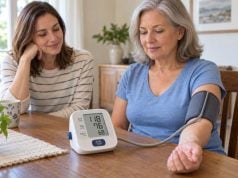
A good measurement routine matters because technique errors can easily add 5 to 15 mmHg or more. Use a validated upper-arm monitor with the correct cuff size. Wrist devices can be accurate under ideal conditions, but they are more sensitive to position. If you need help choosing a device, review the differences between upper-arm and wrist blood pressure monitors.
For morning measurements, use a consistent routine:
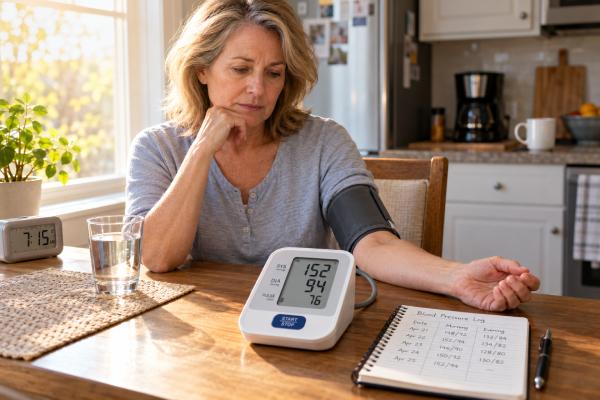
- Measure within about one hour of waking, before breakfast, caffeine, nicotine, exercise, and usually before morning blood-pressure medication unless your clinician has given different instructions.
- Empty your bladder first.
- Sit quietly for at least five minutes with your back supported and feet flat on the floor.
- Keep your arm supported at heart level and place the cuff on bare skin.
- Take two readings about one minute apart and record both.
- Repeat the process for at least three to seven days when you are trying to establish a pattern.
Evening readings are useful too. Comparing morning and evening values helps show whether the problem is specific to the morning or part of all-day hypertension. A structured home blood pressure monitoring routine makes trends much easier to interpret.
Avoid measuring immediately after climbing stairs, showering, exercising, or getting emotionally upset. If the first reading is unexpectedly high, sit quietly and repeat it rather than taking several measurements back to back until you get a lower number. “Chasing” a preferred number can create anxiety and makes the log less useful.
Bring your monitor to a medical appointment at least once so the cuff fit and readings can be compared with the clinic device. Home monitors can drift or be used incorrectly, and confirmation is worthwhile when treatment decisions depend on small differences.
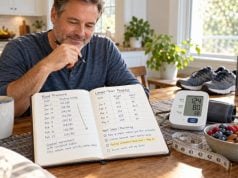
Record context that could explain outliers. Note poor sleep, illness, unusually salty food, alcohol, missed medicine, severe pain, or a late dose. You do not need a diary forever; a week of context is often enough to reveal whether the “morning problem” is truly consistent or tied to a few repeatable triggers. Also calculate an average rather than focusing only on the highest value. Two morning readings per day over seven days can produce a much more reliable picture than a single alarming number.
If your two readings differ by more than about 10 mmHg, remain seated and take a third after another minute. Use the average of the later stable readings according to your clinician’s instructions. Large, frequent differences can result from movement, talking, an irregular heartbeat, or technique problems and are worth mentioning at follow-up.
When morning readings are concerning
Concern depends on the repeated average, not one isolated spike. Current U.S. guidelines define hypertension using average blood pressure across multiple properly obtained measurements. A home reading pattern that repeatedly reaches the hypertensive range should be reviewed with a clinician, especially if values are substantially higher in the morning than later in the day.
As a practical rule, keep a log if morning systolic pressure is repeatedly 130 mmHg or higher or diastolic pressure is repeatedly 80 mmHg or higher. Home thresholds and treatment targets can differ depending on the guideline, your cardiovascular risk, age, pregnancy status, kidney disease, diabetes, and whether measurements come from home or ambulatory monitoring. If you are unsure how your numbers are classified, review normal and high blood pressure ranges and confirm your target with your clinician.
A pattern matters more than a single morning. These examples deserve discussion:
- Morning readings are consistently much higher than evening readings.
- Blood pressure is controlled in the clinic but high at home.
- Morning values remain high despite taking medication as prescribed.
- You have loud snoring, witnessed apneas, or marked daytime sleepiness.
- You have kidney disease, diabetes, prior stroke, coronary disease, or another high-risk condition.
- Your readings became higher after starting a new medication, decongestant, stimulant, or pain reliever.
Sometimes the problem is “masked hypertension,” where office blood pressure looks normal but out-of-office readings are high. In other cases, office readings are high while home values are normal. Home and ambulatory monitoring help sort these patterns out.
How to lower morning blood pressure
The best way to lower morning pressure is to improve overall 24-hour blood-pressure control. There is no single morning-specific food, supplement, or breathing trick that fixes every cause.
Start with sodium. Many adults with hypertension benefit from reducing sodium toward 1,500 to 2,300 mg per day, depending on the plan recommended by their clinician. The largest gains usually come from replacing high-sodium packaged and restaurant foods rather than avoiding the salt shaker alone.
Weight change can also matter when excess body weight is contributing to hypertension. Even modest weight loss can lower blood pressure in many people, and the effect often becomes more noticeable when it is combined with lower sodium intake and regular activity. The goal is not rapid dieting; it is a sustainable calorie balance that improves blood pressure without sacrificing protein, fiber, or overall nutrition.
Build meals around vegetables, fruit, beans, whole grains, nuts, fish, and lower-fat dairy when appropriate. The DASH eating pattern has some of the strongest evidence for lowering blood pressure. It also increases potassium from food, which can help counter sodium in people whose kidneys handle potassium normally.
Exercise regularly. Aim for a weekly pattern that includes aerobic activity and some strength training, adjusted for fitness level and medical status. Even brisk walking can help. Avoid using a single workout as a “treatment” for a high reading, especially if pressure is severely elevated or you have symptoms.
Sleep deserves equal attention. Keep a consistent sleep schedule, allow enough time for sleep, and seek evaluation for suspected sleep apnea. Continuous positive airway pressure can modestly lower blood pressure in people with obstructive sleep apnea, but many still need standard antihypertensive treatment.
Limit alcohol, avoid nicotine, and review caffeine if you appear sensitive to it. The effect of caffeine varies, so a useful test is to compare blood pressure before and 30 to 120 minutes after your usual coffee on several days. Caffeine and blood pressure may be relevant if morning readings rise sharply after coffee.
Stress management helps most when it becomes a daily habit rather than something used only during a high reading. Slow breathing, walking, mindfulness, and reducing morning rushing can lower sympathetic activation, but persistent hypertension still needs standard evaluation and treatment.
Medication timing and 24-hour control
Do not change the timing or dose of blood-pressure medicine solely because morning readings are high. Earlier research raised interest in bedtime dosing, but later evidence showed that medication timing is not a universal solution and should be individualized.
The main goal is reliable 24-hour control with a regimen you can take consistently. Long-acting medications are often useful because they maintain effect through the night and early morning. If a drug appears to wear off before the next dose, a clinician may adjust the dose, choose a longer-acting option, split dosing, or change the regimen. The right choice depends on the specific drug and your full blood-pressure profile.
Nighttime dosing can be inappropriate for some people. Excessively low blood pressure during sleep may increase dizziness, falls, or reduced perfusion in susceptible patients. People taking diuretics may also find bedtime dosing impractical because of nighttime urination. If treatment timing is a concern, use a log and discuss morning versus nighttime blood-pressure medication timing with the prescriber rather than experimenting on your own.
Ambulatory monitoring is especially helpful when medication changes are being considered. It can show whether pressure is high overnight, whether the normal nighttime dip is absent, and whether treatment produces excessive lows. That information is more useful than trying to infer a full 24-hour pattern from one morning reading.
When to contact a doctor or seek urgent care
Schedule a medical review if your home average remains above your target for several days to weeks, if morning readings are repeatedly much higher than evening readings, or if the pattern persists despite taking prescribed medicine correctly. Bring a written or digital log that includes times, readings, medication timing, sleep quality, alcohol intake, symptoms, and any relevant new medicines.
Seek urgent medical attention for very high blood pressure accompanied by concerning symptoms such as chest pain, severe shortness of breath, new weakness or numbness, trouble speaking, confusion, fainting, sudden vision changes, or a severe unusual headache. A reading around 180/120 mmHg or higher that persists after a few minutes of quiet rest also warrants prompt medical guidance, even if you feel well; the urgency depends on symptoms and clinical context.
Pregnancy requires a lower threshold for contacting a clinician because new hypertension can signal preeclampsia. People with known aortic disease, recent stroke, heart attack, heart failure, or advanced kidney disease should also follow the individualized action plan their care team has given them.
Most high morning readings are not an emergency, but they are useful information. Measure carefully, confirm the pattern, and focus on the cause rather than the clock alone. When morning hypertension reflects poor overnight control, treating sleep problems, improving lifestyle, and optimizing a long-acting medication plan can make the entire 24-hour blood-pressure profile safer.
References
- 2025 AHA/ACC/AANP/AAPA/ABC/ACCP/ACPM/AGS/AMA/ASPC/NMA/PCNA/SGIM Guideline for the Prevention, Detection, Evaluation and Management of High Blood Pressure in Adults: A Report of the American College of Cardiology/American Heart Association Joint Committee on Clinical Practice Guidelines 2025 (Guideline)
- Obstructive sleep apnea -related hypertension: a review of the literature and clinical management strategy 2024 (Review)
- Morning blood pressure surge as a predictor of cardiovascular events in patients with hypertension. 2023
- The HOPE Asia network 2022 up-date consensus statement on morning hypertension management 2022 (Consensus Statement)
- Bedtime administration of antihypertensive medication can reduce morning blood pressure surges in hypertensive patients: a systematic review and meta-analysis 2021 (Systematic Review)
Disclaimer
This article is for general education and does not diagnose hypertension or replace individualized medical care. Do not change the dose or timing of prescribed blood-pressure medicine without your clinician’s guidance. Seek urgent care for very high blood pressure with chest pain, neurologic symptoms, severe shortness of breath, or other concerning symptoms.