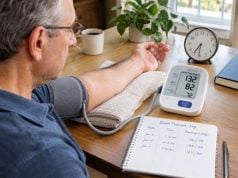
Good sleep is not only about how many hours you spend in bed. Heart-supportive sleep is long enough, reasonably regular, and restorative enough that you wake refreshed and stay alert through the day. When sleep is repeatedly short, fragmented, or mistimed, blood pressure can stay higher, appetite can become harder to regulate, and insulin sensitivity may worsen. Poor sleep can also make healthy choices more difficult by increasing fatigue, reducing activity, and making highly rewarding foods more appealing. For most adults, about 7 to 9 hours per night is a useful target, but quality and consistency matter too. The goal is not a perfect sleep score or an identical bedtime every night. It is to create a routine that gives your body a reliable chance to recover. A few habits—steady timing, morning light, strategic caffeine use, regular activity, and attention to sleep disorders—can improve the conditions that support both cardiovascular health and appetite control.
Table of Contents
- What Good Sleep Quality Means
- How Sleep Supports Blood Pressure
- Sleep, Appetite, and Blood Sugar
- Habits That Improve Sleep Quality
- Evening Habits That Can Backfire
- When Poor Sleep Needs Medical Evaluation
- A Simple Two-Week Sleep Reset
What Good Sleep Quality Means
Good sleep quality means you can fall asleep reasonably well, stay asleep most of the night, move through normal sleep stages, and wake feeling restored. Duration matters, but it is only one part of sleep health.
A useful way to think about sleep is through four dimensions:
- Duration: how much you actually sleep
- Continuity: how fragmented or uninterrupted sleep is
- Regularity: how consistent your sleep and wake times are
- Timing: whether sleep occurs at a biologically appropriate time for your schedule and body clock
Someone who sleeps eight hours but wakes every 20 minutes because of sleep apnea may have poor-quality sleep. Someone who sleeps six uninterrupted hours may still be chronically sleep deprived. A third person may get enough hours but shift bedtime by four hours between workdays and weekends, creating ongoing circadian disruption.
Consumer wearables can estimate sleep duration and timing, but they are not perfect at identifying sleep stages or diagnosing medical problems. Use tracker data to notice broad patterns rather than trying to optimize every percentage. How you function during the day is important: excessive sleepiness, frequent morning headaches, irritability, poor concentration, or a constant need for recovery sleep can signal that sleep is not restorative.
Sleep quality is also personal. One brief awakening to use the bathroom is different from repeated awakenings with choking or palpitations. The question is whether the pattern is persistent and whether it affects health, daytime function, or blood pressure.
It helps to distinguish a bad night from a bad pattern. Travel, illness, a stressful deadline, or a noisy neighbor can temporarily disrupt sleep without creating a chronic cardiovascular problem. Concern rises when poor sleep becomes the norm for weeks or months. A simple two-week diary often gives a clearer picture than memory because people tend to overestimate or underestimate both sleep time and the number of awakenings.
Do not judge sleep quality only by whether you remember waking. Brief arousals can occur without entering full awareness, especially with obstructive sleep apnea. That is why someone can say, “I slept straight through,” yet still feel unrefreshed and have significant breathing disruption on a sleep study.
How Sleep Supports Blood Pressure
Normal sleep gives the cardiovascular system a nightly low-demand period. Heart rate and sympathetic nervous system activity usually fall, and blood pressure commonly drops below daytime levels. This “dipping” pattern is one reason restorative sleep matters for hypertension.
When sleep is too short or repeatedly interrupted, the body spends more time in an alert state. Stress hormones and sympathetic activity can remain higher, and blood vessels may stay more constricted. Over time, this can contribute to higher average blood pressure and more variable readings.
The effect varies from person to person. One bad night may make a morning reading a little higher, but sodium intake, exercise, anxiety, caffeine, pain, illness, medication timing, and measurement technique also affect blood pressure. Do not diagnose a sleep problem from one number.
Instead, look at trends. If you are monitoring hypertension at home, use a validated upper-arm cuff and a consistent blood pressure monitoring schedule. Compare weekly averages rather than isolated highs and lows.
Sleep quality becomes especially important when high blood pressure is difficult to control. Obstructive sleep apnea is common in people with resistant hypertension and can prevent normal nighttime dipping. If poor sleep includes loud snoring, gasping, witnessed pauses, or marked daytime sleepiness, investigate sleep apnea and blood pressure links rather than relying on sleep-hygiene changes alone.
Good sleep does not replace antihypertensive medication when medication is needed. Think of sleep as one part of a broader blood pressure plan alongside activity, weight management when appropriate, sodium reduction, adequate potassium for people who can safely consume it, alcohol moderation, and prescribed treatment.
Sleep, Appetite, and Blood Sugar
Poor sleep can make appetite regulation harder even when your nutrition knowledge is excellent. After insufficient sleep, the brain may respond more strongly to highly rewarding foods, while fatigue makes planning and restraint more difficult. This helps explain why cravings often feel stronger after a short night.
Experimental sleep restriction can also reduce insulin sensitivity, meaning the body needs more insulin to manage the same amount of glucose. Repeated over time, that shift can contribute to a less favorable cardiometabolic profile.
Appetite hormones are often discussed as if sleep produces a simple “hunger hormone up, fullness hormone down” formula. Real physiology is more complicated. Hormone responses vary between studies and individuals. The practical pattern is more reliable: sleep-deprived people often eat more, snack more, and gravitate toward calorie-dense food.
You can make the next day easier by planning for that vulnerability. After a poor night:
- Eat a normal protein- and fiber-containing breakfast instead of skipping meals and becoming ravenous later.
- Keep fruit, yogurt, nuts, whole grains, beans, or other filling foods within easy reach.
- Drink water before assuming fatigue is hunger.
- Avoid using sugary drinks as the main strategy for staying alert.
- Take a short walk after meals when possible; movement can help with glucose control and alertness.
Sleep and eating timing also interact. Very large late-night meals can worsen reflux and physical discomfort. Alcohol may initially make you drowsy but can fragment sleep later. A cycle of late eating, poor sleep, and next-day cravings can become self-reinforcing.
If appetite and weight are a concern, improving sleep is best viewed as a support strategy rather than a standalone weight-loss treatment. It can make healthy eating easier, but total diet quality, energy intake, activity, medications, genetics, and medical conditions still matter.
Habits That Improve Sleep Quality
The most useful habits strengthen your circadian rhythm and reduce avoidable sleep disruption. You do not need to perform every sleep-hygiene recommendation perfectly.
Keep wake time relatively consistent
Wake time is often the strongest anchor for the body clock. Aim to get up at roughly the same time most days, even after a poor night. Sleeping several extra hours on weekends can help repay some sleep debt, but large shifts may also make Sunday night and Monday morning harder.
A difference of about an hour is a realistic target for many people. Shift workers and caregivers may need a more individualized approach, but even then, protecting a repeatable sleep block can help.
Get bright light early in the day
Morning outdoor light signals that the biological day has begun. This supports alertness after waking and helps the body build sleepiness at the right time later. Even 10 to 30 minutes outdoors can be useful, especially when combined with a short walk.
Move during the day
Regular physical activity is associated with better sleep quality and cardiovascular health. Most people do well with aerobic activity plus strength training across the week. Very intense exercise right before bedtime may be stimulating for some, but evening exercise is not automatically harmful. Pay attention to your own response.
Create enough sleep opportunity
For most adults, target a sleep window that allows roughly 7 to 9 hours of actual sleep. If you need 30 minutes to wind down and fall asleep, an eight-hour time-in-bed window may not provide eight hours of sleep.
If bedtime has drifted late, move it earlier gradually in 15- to 30-minute steps. Trying to force sleep two hours earlier than usual often leads to frustration.
Make the bedroom support sleep
A cool, dark, quiet room helps reduce arousals. Blackout curtains, an eye mask, earplugs, or white noise can be useful when the environment is hard to control. A comfortable mattress and pillow matter more than expensive “sleep technology.”
A broader night routine for heart-supportive sleep can help you turn these principles into a repeatable schedule.
Evening Habits That Can Backfire
Some common attempts to “fix” sleep actually make it less restorative.
Using alcohol as a sleep aid
Alcohol can shorten the time it takes to fall asleep, but it often fragments the second half of the night. It can also worsen snoring and obstructive sleep apnea. If sleep quality or blood pressure is a concern, reducing evening alcohol is often more useful than adding a sleep supplement.
Taking caffeine too late
Caffeine can remain active for many hours. A person may fall asleep after an afternoon coffee and still have lighter or more fragmented sleep. If you struggle with sleep, try moving the last caffeine earlier and judge the change over a week, not one day.
Staying in bed awake for long periods
For chronic insomnia, spending extra hours in bed can strengthen the association between bed and wakefulness. Cognitive behavioral therapy for insomnia, or CBT-I, often uses carefully structured time-in-bed and stimulus-control techniques instead of simply telling people to “rest more.”
Chasing sleep with screens and supplements
Screens are not inherently toxic to sleep, but bright light, stimulating content, work, or social media can delay bedtime. The bigger issue is often what screen use replaces: winding down and going to bed on time.
Melatonin can help certain circadian-timing problems, but it is not a universal sedative. Higher doses are not necessarily better, supplement quality varies, and interactions are possible. If insomnia is persistent, identify the cause instead of adding several over-the-counter products.
Large late meals
A heavy meal close to bedtime can worsen reflux, bloating, and physical discomfort. If you are hungry, a small snack is usually more sleep-friendly than either a huge meal or going to bed ravenous. Regular meal timing can also help reduce late-night grazing driven by daytime under-eating.
When Poor Sleep Needs Medical Evaluation
Sleep hygiene is helpful, but it cannot fix every sleep problem. Persistent symptoms despite adequate sleep opportunity deserve evaluation.
Talk with a clinician if you have:
- Loud snoring with witnessed pauses, choking, or gasping
- Excessive daytime sleepiness despite allowing enough time to sleep
- Chronic difficulty falling or staying asleep
- An irresistible urge to move the legs at night
- Repeated morning headaches
- Nighttime chest discomfort or unexplained palpitations
- Falling asleep while driving
- High blood pressure that remains hard to control
Chronic insomnia is treatable, and CBT-I is the preferred first-line therapy for many adults. Sleep apnea can be diagnosed with an appropriate home sleep apnea test or an in-lab sleep study depending on the situation. Treating the correct disorder is far more effective than endlessly changing pillows, apps, or supplements.
Medical conditions can also disturb sleep. Pain, reflux, menopause symptoms, depression, anxiety, thyroid disease, heart failure, lung disease, and medication side effects are examples. Treating the underlying problem may improve sleep more than a stricter bedtime routine.
If you are getting too little sleep because of work or lifestyle rather than insomnia, the solution is different. Understanding how chronic sleep deprivation affects heart risk can make it easier to prioritize a larger sleep window rather than focusing only on sleep quality.
A Simple Two-Week Sleep Reset
A short structured experiment can show which habits actually matter for you. Keep it simple enough to repeat.
For two weeks, choose a wake time you can maintain most days. Work backward to create a sleep opportunity of roughly 7.5 to 9 hours. Get outdoor light soon after waking and include some movement during the day.
Set a caffeine cutoff. For many people, noon to early afternoon is a useful starting point. If you are very sensitive, move it earlier. If you are not, you may have more flexibility. Avoid changing five other things at the same time if you want to know whether caffeine was the issue.
During the last hour before bed, reduce work, conflict, and highly stimulating activities when possible. Dim the environment, prepare for the next day, and use a predictable wind-down activity such as reading, stretching, or a warm shower.
Track only a few items:
| Item | What to record |
|---|---|
| Sleep window | Approximate bedtime and wake time |
| Sleep quality | Rested, neutral, or unrefreshed |
| Daytime alertness | Normal, sleepy, or struggling to stay awake |
| Caffeine | Amount and latest time used |
| Alcohol | Whether and when you drank |
| Blood pressure if relevant | Standardized readings, not random checks |
After two weeks, look for patterns. Maybe a consistent wake time helped more than an earlier bedtime. If your sleep window was adequate but you still woke exhausted, that is useful information too. It suggests that simply spending more time in bed may not solve the problem and that a sleep disorder, medication effect, mood problem, pain condition, or other medical issue deserves attention.
If you monitor appetite as part of the experiment, note whether poor-sleep days are linked with stronger evening cravings or more unplanned snacking. The purpose is not to police food intake. It is to spot predictable situations and make them easier—for example, by preparing a filling lunch, keeping a planned afternoon snack available, or avoiding grocery shopping when exhausted and hungry.
After two weeks, look for patterns. Maybe a consistent wake time helped more than an earlier bedtime. Maybe alcohol was the clearest trigger for fragmented sleep. Maybe symptoms did not improve despite adequate time in bed, which points toward insomnia, sleep apnea, or another condition.
Do not expect a sleep reset to transform cholesterol, weight, or blood pressure overnight. The benefit is more practical: better sleep can make the rest of your cardiovascular plan easier to follow. When you are rested, exercise, meal planning, medication adherence, stress control, and sensible food choices all become more achievable.
The long-term goal is not to optimize every night. Occasional late nights are part of normal life; what matters most is the repeated pattern across months, not one imperfect evening. It is to make restorative sleep the usual pattern. If most nights provide enough sleep, your schedule is reasonably regular, and you wake functional rather than exhausted, you are giving your cardiovascular system a better recovery environment than chronic short or fragmented sleep allows.
It can also help to separate sleepiness from fatigue. Sleepiness is the tendency to fall asleep when you should be awake; fatigue is a sense of low energy or exhaustion. Sleep deprivation and sleep apnea can cause both, but anemia, thyroid disease, depression, medication effects, chronic pain, and many other conditions can cause fatigue without true sleepiness. Describing the symptom accurately can make a clinical evaluation much more useful.
If you wake during the night, avoid turning every awakening into a performance test. Brief awakenings are normal. Checking the clock repeatedly, calculating how many hours remain, or opening a bright phone screen can increase arousal and make returning to sleep harder. If you are clearly awake for a prolonged period and frustrated, a quiet activity in dim light until sleepiness returns is often more helpful than struggling in bed.
The same principle applies to wearables. Use trends to support behavior, not to grade yourself each morning. A low sleep score can create anxiety even when you feel fine, while a high score cannot rule out a sleep disorder. Symptoms, function, and medical context should carry more weight than a proprietary algorithm that does not directly measure every aspect of sleep.
If your sleep improves, keep the habits that did the work rather than adding more rules. A stable wake time, enough sleep opportunity, and treatment of any underlying disorder often matter more than a complicated evening ritual.
References
- Sleep and Risk for Heart Disease and Stroke. 2026 (Review)
- A good night’s rest: A contemporary review of sleep and cardiovascular health 2024 (Review)
- The Emerging Importance of Sleep Regularity on Cardiovascular Health and Cognitive Impairment in Older Adults: A Review of the Literature 2024 (Review)
- Sleep extension and cardiometabolic health: what it is, possible mechanisms and real-world applications 2024 (Review)
- Irregular sleep and cardiometabolic risk: Clinical evidence and mechanisms 2023 (Review)
Disclaimer
This article is for general education and is not a substitute for medical diagnosis or treatment. Persistent insomnia, severe daytime sleepiness, suspected sleep apnea, or difficult-to-control blood pressure should be discussed with a qualified clinician. Do not drive if you are struggling to stay awake, and seek urgent care for chest pain, severe shortness of breath, fainting, or stroke-like symptoms.