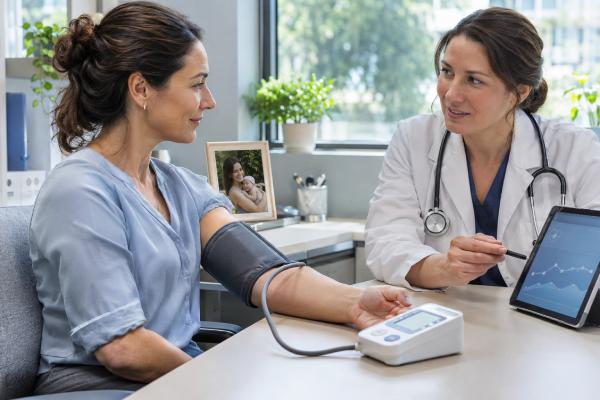
A history of preeclampsia is important long after pregnancy ends because it identifies a higher lifetime risk of high blood pressure, coronary artery disease, stroke, heart failure, and other cardiovascular problems. It does not mean heart disease is inevitable. Instead, it is a reason to start prevention earlier, make sure pregnancy history stays in the medical record, and monitor the risk factors that often appear in the years after delivery.
Research suggests that people who have had preeclampsia have roughly twice the long-term risk of several major cardiovascular outcomes compared with those who had normotensive pregnancies. Risk may be higher after early-onset, severe, or recurrent preeclampsia. Chronic hypertension is especially important because it can develop relatively soon and becomes a major pathway to later heart and vascular disease. The practical response is straightforward: know your blood pressure, check cholesterol and glucose at appropriate intervals, avoid smoking, stay active, maintain a heart-supportive eating pattern, and get individualized follow-up from primary care, obstetrics, or cardiology when needed.
Table of Contents
- Why Preeclampsia Matters After Pregnancy
- How Much Does Future Heart Risk Increase?
- Why the Risk Stays Higher
- What to Monitor After Preeclampsia
- Lifestyle Steps That Lower Risk
- Future Pregnancies and Medication Decisions
- Build a Lifelong Heart-Health Plan
Why Preeclampsia Matters After Pregnancy
Preeclampsia is a pregnancy-specific hypertensive disorder that usually develops after 20 weeks of pregnancy and involves new high blood pressure plus signs that organs or the placenta are being affected. Protein in the urine can occur, but it is not required in every case. Preeclampsia can involve the kidneys, liver, brain, blood cells, lungs, or fetal growth, and severe disease can become an emergency during pregnancy or after delivery.
The diagnosis should remain part of your permanent medical history. Pregnancy places major demands on the cardiovascular system, and complications such as preeclampsia can reveal a tendency toward vascular, metabolic, or blood-pressure problems earlier than they might otherwise become obvious. Major cardiovascular organizations now treat adverse pregnancy outcomes as important information for long-term prevention.
This does not mean that preeclampsia is simply a temporary episode that directly “causes” every later heart problem. The relationship is more complex. Some people already have underlying traits that increase the chance of both preeclampsia and later cardiovascular disease, such as chronic blood-pressure susceptibility, insulin resistance, obesity, kidney disease, inflammation, or vascular dysfunction. Preeclampsia itself may also leave lasting vascular or cardiac changes in some people. Both explanations can be true at the same time.
The useful takeaway is that pregnancy can act like an early cardiovascular stress test. If preeclampsia occurred, there is valuable information available years before the age when a standard 10-year heart-risk calculator might show a high number.
If you are still pregnant or recently postpartum, long-term prevention should not replace appropriate obstetric follow-up. High blood pressure during pregnancy has its own monitoring and treatment rules, and postpartum preeclampsia can occur after birth. Severe headache, new vision changes, chest pain, shortness of breath, severe upper-abdominal pain, fainting, seizures, or very high blood pressure deserve urgent medical evaluation.
How Much Does Future Heart Risk Increase?
The exact risk is different for each person, but the overall pattern is consistent: previous preeclampsia is associated with more cardiovascular disease later in life.
A 2024 systematic review and meta-analysis that combined 22 studies found that, compared with people who had pregnancies without preeclampsia, those with a history of preeclampsia had about:
- 2.1 times the risk of cardiovascular death
- 2.0 times the risk of coronary artery disease
- 2.5 times the risk of heart failure
- 1.75 times the risk of stroke
These are relative risks, not predictions that an individual person will develop disease. If a young person has a low absolute risk of heart attack over the next few years, doubling that low risk may still produce a small short-term number. The concern is the long-term trajectory, especially as high blood pressure, abnormal cholesterol, diabetes, smoking, kidney disease, or excess weight accumulate.
Risk also does not wait until old age. The same meta-analysis found that the cardiovascular signal could be seen within the first one to three years after preeclampsia and remained elevated through decades of follow-up. That is why postpartum care should transition into routine primary care rather than ending after the traditional obstetric recovery period.
Chronic hypertension is one of the biggest links
Persistent or later-developing hypertension is common after preeclampsia and may explain a large share of subsequent cardiovascular risk. A 2025 systematic review reported that approximately 30% of women with previous preeclampsia developed chronic hypertension within 10 years. Early-onset preeclampsia, higher body mass index, higher blood pressure, diabetes, family history of hypertension, and recurrent preeclampsia were among the factors associated with greater later hypertension risk.
That makes blood pressure one of the most actionable measurements after an affected pregnancy. If you are unsure what readings mean, blood-pressure ranges and categories can help you interpret the numbers before discussing them with your clinician.
Severity and recurrence matter, but every history counts
People who had preeclampsia more than once, developed it early in pregnancy, needed preterm delivery, or had severe features often have a higher-risk profile than those with a single later-onset episode. These details should influence how strongly clinicians think about surveillance and prevention.
However, a “milder” history should not be dismissed. Even one episode is clinically relevant. The purpose of documenting it is not to create alarm; it is to avoid missing years of opportunity to detect hypertension, lipid problems, diabetes, or other treatable risk factors.
Why the Risk Stays Higher
There is no single mechanism that explains the connection between preeclampsia and later heart disease. Several pathways probably overlap.
Shared risk factors come first. Chronic hypertension, obesity, insulin resistance, diabetes, kidney disease, autoimmune disease, and family history can increase the likelihood of preeclampsia and also increase long-term cardiovascular risk. For some people, pregnancy reveals a tendency that was already present but had not yet caused abnormal routine measurements.
The blood vessels are central. Preeclampsia involves abnormal placental signaling and widespread endothelial dysfunction. The endothelium is the inner lining of blood vessels and helps regulate vessel relaxation, clotting, inflammation, and blood-pressure control. Research has found evidence of persistent vascular abnormalities in some people after preeclampsia, although it is not clear how much these changes independently cause later disease.
Cardiac workload changes during pregnancy. Pregnancy normally increases blood volume and cardiac output. Preeclampsia adds higher vascular resistance and pressure load. In susceptible people, this can be associated with changes in heart structure or function that may take time to resolve or may identify a heart that is more vulnerable later.
Risk factors often appear earlier after delivery. Hypertension, type 2 diabetes, high cholesterol, and weight gain can emerge in the years following an affected pregnancy. A recent large study of adverse pregnancy outcomes found that subsequent hypertension, diabetes, and hypercholesterolemia accounted for a substantial portion of the association with later cardiovascular disease. This reinforces a practical message: what happens after pregnancy is modifiable and matters greatly.
Atherosclerosis may develop earlier. A 2026 systematic review and meta-analysis found more clinical and subclinical atherosclerosis among women with prior preeclampsia than among comparison groups. That does not mean everyone needs heart imaging after preeclampsia. It supports earlier attention to standard risk factors rather than waiting for symptoms.
It is best to think of preeclampsia as a cardiovascular risk marker and possible contributor, not as destiny. The most important opportunity is to prevent or aggressively manage the conventional risk factors that emerge afterward.
What to Monitor After Preeclampsia
The ideal follow-up schedule depends on how severe the pregnancy complication was, whether blood pressure remained elevated, your age, and your other health conditions. There is still variation among guidelines, so the goal is not to memorize one rigid timetable. The goal is to make sure cardiovascular prevention is not lost when obstetric care ends.
Blood pressure
Blood pressure deserves the closest attention. It may stay high after delivery, normalize and rise again later, or gradually increase over several years. If your clinician recommends home monitoring, use a validated upper-arm cuff that fits correctly, sit quietly for five minutes, support your back and arm, keep both feet on the floor, and avoid measuring immediately after caffeine, nicotine, exercise, or a stressful rush.
A short series of home readings often gives more useful information than one isolated office result. Correct home blood-pressure technique reduces the chance that cuff position, posture, or timing will distort the result.
If chronic hypertension develops, treat it as a major prevention target. A 2024 clinical review on cardiovascular risk management after hypertensive disorders of pregnancy recommends optimal long-term blood-pressure control and discusses a target below 130/80 mm Hg for many adults, with treatment individualized to the patient. Medication choice is especially important during pregnancy, while breastfeeding, or when planning another pregnancy.
Cholesterol and triglycerides
A lipid panel helps identify elevated LDL cholesterol and other atherogenic lipids that can accelerate plaque formation. A 2024 review recommends assessing lipids within two to three years after a hypertensive pregnancy disorder, and earlier testing may be reasonable when other risk factors are present.
Once values are known, they should be interpreted together with age, blood pressure, diabetes status, smoking, kidney disease, family history, and pregnancy history. If the terminology is confusing, LDL, HDL, and triglyceride levels are easier to act on when you know what each measure represents.
Blood sugar and diabetes risk
Preeclampsia and metabolic risk often overlap. Periodic screening for type 2 diabetes is appropriate, especially if you also had gestational diabetes, have overweight or obesity, have a strong family history, or have previously elevated glucose. Testing may include fasting glucose or A1C depending on clinical circumstances.
Weight, waist size, kidney health, and smoking
Weight trend and waist circumference can help identify increasing metabolic risk. Kidney function is also relevant because kidney disease can both contribute to hypertension and increase cardiovascular risk; testing may include serum creatinine and urine testing when clinically indicated. Nicotine use should be asked about directly because smoking multiplies vascular risk and is a high-value prevention target.
Do not assume that a normal result once means lifelong risk is settled. The value of follow-up is repeated detection over time. A normal blood pressure and normal lipid panel at age 30 are reassuring, but they do not erase the need for ordinary preventive care at 35, 40, 50, and beyond.
Lifestyle Steps That Lower Risk
There is not yet one proven “post-preeclampsia program” that has been shown to eliminate the excess risk of future heart disease. A 2026 systematic review found only a small number of intervention trials, with promising signals from exercise, telemonitored blood-pressure care, and multidisciplinary clinics but not enough evidence to define a single best strategy.
That uncertainty should not be confused with having nothing useful to do. Standard cardiovascular prevention is strongly supported and addresses many of the same factors that become more common after preeclampsia.
Use an eating pattern that supports blood pressure and cholesterol
Build most meals around vegetables, whole fruit, legumes, whole grains, nuts, seeds, fish, lean proteins, and unsaturated fats such as olive oil. Limit frequent intake of highly processed foods, sugar-sweetened beverages, processed meats, and foods that are very high in sodium. If blood pressure is elevated, a DASH-style eating pattern is a practical place to start.
Potassium-rich foods can support healthy blood pressure in people with normal kidney function, but potassium supplements and potassium-based salt substitutes are not automatically safe for everyone. Kidney disease and certain medications can make excess potassium dangerous.
Move regularly and rebuild fitness gradually
For most adults, a long-term goal of at least 150 minutes per week of moderate-intensity aerobic activity plus strength work on two or more days is a useful framework. After childbirth, recovery, pelvic-floor symptoms, cesarean healing, anemia, sleep loss, breastfeeding demands, and other conditions may affect the pace of return to activity, so postpartum progression should be individualized.
Walking is often the easiest place to begin. A heart-health walking routine can be scaled from short easy walks to brisker sessions as fitness returns.
Work toward a healthy, sustainable weight
If you have overweight or obesity, even modest weight loss can improve blood pressure, insulin sensitivity, triglycerides, sleep apnea, and physical function. The goal is not rapid postpartum weight loss or pressure to “bounce back.” A gradual plan that protects nutrition, sleep, mental health, and breastfeeding goals is more realistic.
Avoid smoking and nicotine exposure
Smoking promotes atherosclerosis, raises clotting risk, damages blood vessels, and increases the chance of heart attack and stroke. If you smoke, quitting is one of the most powerful cardiovascular actions available. Heart benefits after smoking cessation begin early and continue for years.
Sleep, stress, and mental health also matter. The postpartum period can make healthy routines unusually difficult, so prevention plans should be practical rather than perfectionistic. Treating postpartum depression or anxiety, screening for sleep apnea when symptoms suggest it, and building social support can make blood-pressure and lifestyle goals easier to sustain.
Future Pregnancies and Medication Decisions
A prior episode of preeclampsia increases the chance of another hypertensive pregnancy disorder, although many later pregnancies are uncomplicated. Risk is higher when preeclampsia was early, severe, recurrent, or accompanied by chronic hypertension, kidney disease, diabetes, autoimmune disease, or other major risk factors.
If you are considering another pregnancy, a preconception visit is useful. Bring the details of the prior pregnancy if you have them: gestational age at diagnosis, highest blood-pressure readings, whether there were severe features, whether delivery was preterm, and whether hypertension continued after birth. This helps an obstetric clinician or maternal-fetal medicine specialist estimate recurrence risk and plan monitoring.
Low-dose aspirin is commonly recommended during pregnancy for people at increased risk of preeclampsia, but the decision, dose, and timing should be made with the prenatal clinician. Do not start aspirin solely because of an article or because you took it in a previous pregnancy.
Medication review is equally important. Some blood-pressure, cholesterol, and other cardiovascular medications need to be changed before conception or during pregnancy. Statins, renin-angiotensin system drugs such as ACE inhibitors or ARBs, and other therapies require pregnancy-specific decision-making. On the other hand, stopping needed medication without a replacement can leave hypertension or another condition uncontrolled.
If you are not planning pregnancy, standard adult prevention can be followed more directly. If pregnancy is possible, tell every clinician prescribing a cardiovascular medicine so that the treatment plan accounts for reproductive goals rather than reacting after a positive pregnancy test.
Build a Lifelong Heart-Health Plan
The most useful response to a history of preeclampsia is a simple plan that follows you across medical settings.
- Keep preeclampsia on your permanent problem and pregnancy history. Tell new primary-care and cardiology clinicians even if the pregnancy was many years ago.
- Know your blood pressure. If readings are elevated or variable, use properly performed home measurements and bring the log to your clinician.
- Check major cardiovascular risk factors. Make sure cholesterol, glucose or A1C, weight trend, smoking status, and kidney health are addressed at appropriate intervals.
- Treat abnormalities rather than waiting for symptoms. High blood pressure and high LDL cholesterol are often silent. Prevention works best before heart attack, stroke, heart failure, or kidney disease appears.
- Use pregnancy history to strengthen prevention, not to predict your future. Early-onset, severe, or recurrent preeclampsia may justify closer attention, but everyone with a history benefits from routine cardiovascular follow-up.
- Make lifestyle goals measurable. A weekly walking target, a home blood-pressure routine, a specific sodium reduction, or a smoking-quit plan is easier to act on than “be healthier.”
- Coordinate care before another pregnancy. Review blood pressure, medicines, and recurrence-prevention strategies before conception when possible.
A history of preeclampsia is a warning sign, but it is also an opportunity. It can reveal cardiovascular vulnerability years before many people would otherwise be screened intensively. The aim is not to spend decades worrying about a pregnancy complication. It is to use that information to detect hypertension earlier, manage cholesterol and glucose appropriately, build durable heart-healthy habits, and make sure future clinicians understand that pregnancy history belongs in cardiovascular history.
If your blood pressure is already elevated, evidence-based ways to lower blood pressure can complement—not replace—medical evaluation and medication when those are needed.
References
- Systematic review of cardiovascular intervention studies in women after Preeclampsia 2026 (Systematic Review)
- Atherosclerosis after pre-eclampsia: systematic review and meta-analysis 2026 (Systematic Review)
- 2025 ESC Guidelines for the management of cardiovascular disease and pregnancy 2025 (Guideline)
- Risk factors for chronic hypertension 5 years after a pregnancy complicated by preeclampsia: a systematic review and meta-analysis 2025 (Systematic Review)
- Cardiovascular Risk Factor Management After Hypertensive Disorders of Pregnancy 2024 (Review)
- Update on long-term cardiovascular risk after pre-eclampsia: a systematic review and meta-analysis 2024 (Systematic Review)
Disclaimer
This article is for general education and does not replace medical care. A history of preeclampsia, current pregnancy, postpartum symptoms, high blood pressure, and decisions about aspirin or cardiovascular medications require individualized guidance from qualified clinicians. Seek urgent care for severe or rapidly worsening symptoms such as chest pain, severe shortness of breath, fainting, seizures, new neurologic symptoms, or severe headache with very high blood pressure.