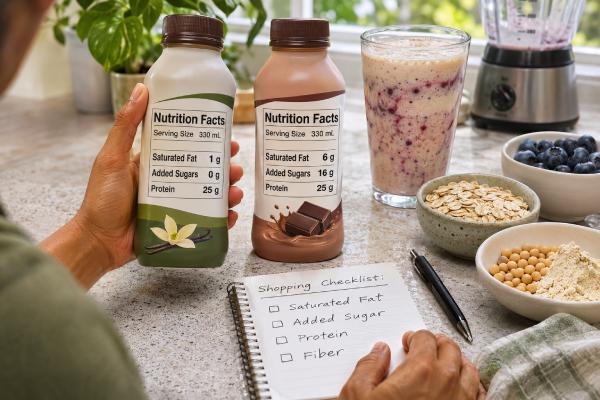
Protein shakes do not automatically raise cholesterol. In fact, whey, milk, and soy protein have shown neutral or modestly favorable effects on blood lipids in many controlled trials. What matters more for LDL cholesterol is the complete product: saturated fat, added sugar, calories, fiber, sodium, serving size, and what the shake replaces in your diet. A simple whey or soy shake can fit easily into a heart-healthy eating pattern, while a “mass gainer” blended with coconut oil, cream, large amounts of sugar, and several scoops can work in the opposite direction.
The best shake for someone with high cholesterol is usually straightforward: enough protein to meet the goal, little saturated fat, modest or no added sugar, and ingredients you can clearly identify. Plant-based powders can be excellent, but “plant-based” is not a guarantee of a better nutrition label. Whey is not inherently bad for LDL, either. The choice should match your digestion, dietary preferences, protein needs, and the rest of your diet rather than fear of one protein source.
Table of Contents
- Do Protein Shakes Raise Cholesterol?
- What to Look for on the Nutrition Label
- Whey, Casein, Soy, and Plant Proteins Compared
- Ingredients That Can Make a Shake Less Heart-Healthy
- How to Build a Heart-Healthy Protein Shake
- Who Should Be More Careful With Protein Powders
- A Simple Checklist for Choosing a Shake
Do Protein Shakes Raise Cholesterol?
For most people, protein powder itself is not a major cause of high LDL cholesterol. Recent systematic reviews of randomized trials suggest that whey protein can modestly improve some lipid markers in certain groups, especially when combined with exercise or used in people with overweight, obesity, or metabolic risk. Other analyses of high-quality proteins—including soy, milk, whey, and casein—also report small improvements in blood pressure or lipid measures in some populations.
These findings do not mean a whey shake is a cholesterol treatment. The average effects are modest, studies vary, and a supplement cannot compensate for a diet high in saturated fat, excess calories, processed meat, and low-fiber foods.
The more useful question is: What comes with the protein?
A shake made with 25 g of whey isolate, water, berries, and oats has a very different cardiovascular profile from a 900-calorie mass-gainer shake containing large amounts of saturated fat and added sugar. Both may contain “30+ grams of protein,” but protein grams do not tell the whole story.
LDL cholesterol is especially sensitive to saturated fat in many people. If your shake adds coconut oil, palm oil, cream, whole-milk powder, or large servings of full-fat dairy, it may raise saturated-fat intake enough to work against an LDL-lowering diet. If you need a refresher on why the type of fat matters, see saturated versus unsaturated fat.
The replacement food matters too. If a protein shake replaces a pastry, sugary coffee drink, or fast-food breakfast, it may improve the overall diet. If it is added on top of a full diet and creates a large calorie surplus, it can promote weight gain, which may worsen triglycerides, insulin resistance, and other risk factors over time.
If your LDL is elevated, think of a shake as one meal component—not as a supplement with magical cholesterol effects. The broader plan for lowering high LDL cholesterol still centers on the full dietary pattern, activity, weight management when appropriate, and medication when indicated.
What to Look for on the Nutrition Label
A good protein powder can be evaluated quickly if you read the label in the right order.
| Label item | A practical target | Why it matters |
|---|---|---|
| Protein | About 20–30 g per serving for many meal or recovery uses | Enough to be useful without requiring oversized servings |
| Saturated fat | Prefer low amounts, often 0–2 g per serving | Higher intake can raise LDL cholesterol |
| Added sugar | Prefer little or none for routine use | Helps control calories and triglyceride-promoting excess sugar |
| Fiber | Useful if the shake replaces a meal | Supports fullness, gut health, and cholesterol management |
| Sodium | Compare brands; lower may be better if blood pressure is a concern | Some powders and ready-to-drink shakes contain several hundred milligrams |
| Calories | Match the purpose | A snack shake and a meal-replacement shake should not have the same calorie load |
Protein concentration can also reveal how much “extra stuff” is in a product. If one scoop weighs 35 g and provides 25 g protein, most of the scoop is doing the job you bought it for. If a 100 g serving provides only 25 g protein, much of the product may be carbohydrate, fat, or added ingredients.
Check the serving size carefully. Some tubs advertise nutrition for one scoop but recommend two scoops. Ready-to-drink bottles may contain one serving, while larger cartons may contain two.
Ingredient lists deserve attention. You do not need to avoid every additive, gum, emulsifier, or sweetener, but you should know whether the formula contains oils, sugar syrups, creamers, herbal blends, stimulants, or large vitamin doses you did not intend to take.
If label reading feels confusing, how to read a nutrition label for heart health provides a broader method for comparing sodium, fiber, and fats.
Whey, Casein, Soy, and Plant Proteins Compared
No single protein type is best for everyone. The source affects amino acid profile, digestion, taste, texture, and sometimes the surrounding nutrients, but all of the major options can fit into a heart-healthy diet.
Whey protein
Whey is a milk-derived protein rich in essential amino acids and leucine, which helps stimulate muscle protein synthesis. Whey isolate usually contains more protein and less lactose and fat per serving than whey concentrate, although exact products vary.
Recent meta-analyses do not show that whey inherently raises LDL cholesterol. Some trials report modest reductions in LDL, total cholesterol, or triglycerides, especially when whey is paired with exercise or used in certain metabolic-risk groups.
For cholesterol, the main question is not “whey or no whey?” It is whether the specific product is low in saturated fat and fits your calorie needs.
Casein
Casein is the other major milk protein. It digests more slowly than whey and is often marketed for nighttime use or prolonged satiety. It can also be a perfectly reasonable choice if tolerated.
Casein powders vary in sodium and added ingredients, so the same label rules apply. People with milk allergy should avoid both whey and casein; lactose intolerance is different and may be better tolerated with isolates, though individual response varies.
Soy protein
Soy is a complete plant protein and one of the best-studied plant options. Controlled trials have found a modest LDL-lowering effect from soy protein, and soy foods can be especially useful when they replace higher-saturated-fat animal foods.
A soy isolate powder can therefore be a good choice for people who want a dairy-free protein. Still, check the full product: a soy shake loaded with coconut cream and sugar is not automatically heart-healthy.
Pea, rice, hemp, and blended plant proteins
Pea protein is common because it mixes reasonably well and provides a good amount of protein. Rice protein is sometimes combined with pea to create a more balanced amino acid profile. Hemp protein often contains more fiber but usually less protein per calorie than isolates.
Plant blends can work very well, particularly if they provide around 20 to 30 g protein without much saturated fat or added sugar. Some have a gritty texture, which is a preference issue rather than a heart-health problem.
If you are deciding how shakes fit into the rest of your intake, protein for heart health explains why whole-food protein sources still deserve priority.
Ingredients That Can Make a Shake Less Heart-Healthy
The biggest pitfalls are often ingredients added around the protein.
Coconut oil and coconut milk powder can raise saturated fat substantially. Coconut has a health-focused image, but its fat is highly saturated. For someone actively trying to lower LDL, frequent high-saturated-fat shakes are not a good trade.
Palm oil and creamers can have a similar effect. They may be added to improve texture in meal-replacement powders or ready-to-drink shakes.
Large amounts of added sugar can increase calories and, when habitual intake is high, contribute to elevated triglycerides, weight gain, and poorer glucose control. This is especially relevant in mass gainers, flavored meal replacements, and bottled shakes designed to taste like desserts. If triglycerides are high, reviewing added sugar and heart risk is useful.
Oversized calorie loads can matter even when ingredients look “clean.” A shake with oats, peanut butter, dates, milk, protein powder, and honey can exceed 700 or 800 calories. That may be appropriate for a high-volume athlete trying to gain weight, but it may undermine weight or lipid goals for someone who needs a 250-calorie snack.
High sodium is easy to overlook. Some ready-to-drink products and meal replacements contain 300 to 500 mg or more per bottle. That is not necessarily excessive in every context, but people managing hypertension or heart failure should pay attention.
Stimulant blends do not belong in every protein product. Some “lean,” “thermogenic,” or workout shakes add caffeine, green tea extract, synephrine, or other stimulants. If you want protein, choose protein; there is rarely a cardiovascular advantage to bundling it with a stimulant you did not need.
Herbal ingredient stacks can complicate safety and medication interactions. Multi-ingredient powders are harder to evaluate than a simple protein powder with flavoring.
How to Build a Heart-Healthy Protein Shake
A homemade shake can add heart-supportive foods rather than simply delivering protein.
Start with 20 to 30 g of protein from whey, soy, pea, or another tolerated source. Add a liquid such as water, unsweetened soy milk, or low-fat dairy milk. Then add ingredients based on what the shake needs to do.
For more fiber, use oats, berries, chia seeds, or ground flax. Soluble fiber is especially useful for LDL cholesterol. If you want a stronger cholesterol-lowering strategy, see soluble fiber for cholesterol.
For unsaturated fat, add a small portion of walnuts, chia, flax, or natural peanut butter. More is not always better; nuts and seeds are nutritious but calorie-dense.
For potassium and micronutrients, add fruit or leafy greens. Frozen berries are convenient and add sweetness without needing syrup or sugar.
Here are three practical combinations:
Berry-oat shake
- 1 serving plain whey or soy protein
- 1 cup unsweetened soy milk or low-fat milk
- 1 cup frozen berries
- 1/4 cup oats
- 1 tablespoon ground flax
Simple post-workout shake
- 1 serving whey isolate or pea protein
- water or low-fat milk
- 1 banana
- cinnamon
Meal-style shake
- 1 serving soy or whey protein
- 1 cup unsweetened milk of choice
- 1/2 cup berries
- 1/3 cup oats
- 1 tablespoon chia seeds
- handful of spinach
The difference between a snack and a meal shake is usually the amount of carbohydrate, fat, fiber, and total calories—not the protein powder itself.
If you use plant milk, compare products. Some almond milks contain little protein, while soy milk often provides an amount closer to dairy milk. The guide to the best milk choices for heart health can help with that decision.
One useful distinction is between a powder and the finished shake. A powder with 1 g of saturated fat can become a high-saturated-fat drink if it is blended with whole milk, coconut cream, ice cream, and several tablespoons of nut butter. The reverse is also true: a plain powder can become a high-fiber, heart-supportive meal when it is combined with berries, oats, flax, and unsweetened soy milk. When comparing products, calculate the nutrition of what you actually drink rather than judging the scoop alone.
Also consider frequency. An occasional dessert-style shake is different from a daily breakfast you consume 365 days a year. The more often you use a product, the more important small differences in saturated fat, sodium, added sugar, and ingredient quality become.
Who Should Be More Careful With Protein Powders
People with chronic kidney disease should not automatically adopt high-protein supplementation. Protein needs vary by kidney function, dialysis status, nutritional state, and treatment plan. A dose that is reasonable for a healthy athlete may be inappropriate for someone who has been told to restrict protein.
People with heart failure may need to monitor sodium and fluid intake. Ready-to-drink shakes can add both. A dietitian can help choose a product that fits the medical plan.
Anyone with milk allergy should avoid milk-derived whey and casein. Lactose intolerance is not the same as allergy; some whey isolates contain very little lactose, but tolerance varies.
People taking multiple medications should be cautious with powders that add herbs, stimulants, high-dose vitamins, or minerals. The protein itself may not be the issue; the extras may be.
Quality control also matters. Dietary supplements are not evaluated like prescription drugs before sale, and analyses of some protein supplements have found contamination or inaccurate labeling. This does not mean all protein powders are unsafe. It means a simple formula from a reputable company with meaningful third-party testing is preferable to a complicated product making dramatic claims.
Look for independent certification when possible, especially if you use protein powder daily or compete in drug-tested sport. Certification cannot guarantee perfection, but it adds a layer of manufacturing and ingredient verification.
If a shake causes persistent digestive symptoms, rash, swelling, breathing difficulty, or other concerning reactions, stop using it. Allergy symptoms, especially breathing or swelling symptoms, require prompt medical attention.
A Simple Checklist for Choosing a Shake
For someone focused on cholesterol, the best product is usually the least dramatic one.
Use this quick checklist:
- Provides roughly 20 to 30 g protein for the intended serving.
- Keeps saturated fat low, ideally around 0 to 2 g for routine use.
- Contains little or no added sugar unless extra carbohydrate is specifically needed for training.
- Fits your calorie goal rather than automatically adding hundreds of excess calories.
- Has a sodium level that fits your blood pressure or heart-failure plan.
- Uses a protein source you tolerate: whey, casein, soy, pea, or another suitable option.
- Avoids unnecessary stimulant or herbal blends.
- Comes from a manufacturer with good quality controls and, ideally, independent testing.
- Works with the rest of your diet rather than replacing fiber-rich whole foods all day.
Do not overvalue marketing words such as “keto,” “natural,” “grass-fed,” “clean,” “plant-based,” or “cholesterol friendly.” The Nutrition Facts panel tells you more about saturated fat, sugar, sodium, and calories than the front label does.
If your shake is replacing breakfast, include fiber and a source of unsaturated fat so it is more satisfying. If it is simply a post-workout protein dose before a normal meal, a simpler protein-and-liquid mix may be enough.
Finally, remember that cholesterol responds to the entire eating pattern. A low-saturated-fat protein shake cannot cancel out a diet dominated by processed meat, butter, high-fat cheese, and refined snacks. Conversely, a well-chosen shake can be a convenient tool inside a diet built around vegetables, fruit, whole grains, legumes, nuts, fish, and minimally processed protein foods.
A simple comparison can prevent marketing from driving the choice: line up two or three products and compare the same amount of protein, not just one scoop. Check calories, saturated fat, added sugar, sodium, ingredient complexity, and price per 20 to 30 grams of protein. A product with a larger scoop can look more impressive while delivering no meaningful advantage. Once you find a formula that fits your goals, keep the rest of the shake simple. Fruit, oats, unsweetened milk or soy milk, and a small amount of nuts or seeds can add fiber and unsaturated fat without turning the drink into a dessert.
References
- The effects of whey protein supplementation on indices of cardiometabolic health: A systematic review and meta-analysis of randomized controlled trials 2025 (Systematic Review)
- Effects of high-quality protein supplementation on cardiovascular risk factors in individuals with metabolic diseases: A systematic review and meta-analysis of randomized controlled trials 2024 (Systematic Review)
- Impact of whey protein on lipid profiles: A systematic review and meta-analysis 2025 (Systematic Review)
- Appraisal of potentially toxic metals contamination in protein supplements for muscle growth: A chemometric approach and associated human health risks 2024
- Picking Healthy Proteins 2024
Disclaimer
This article is for general education and is not a substitute for individualized medical or nutrition advice. If you have chronic kidney disease, heart failure, a milk allergy, significant high cholesterol, or take medications that may interact with added supplement ingredients, ask a qualified healthcare professional which protein products and amounts are appropriate for you.