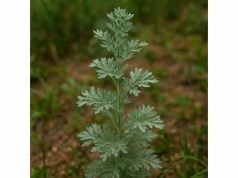
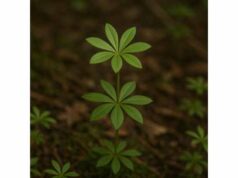
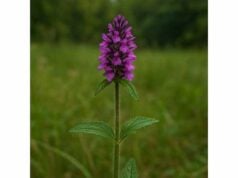
Water chickweed, botanically known as Myosoton aquaticum, is a moisture-loving herb in the pink family that grows in wet meadows, ditches, stream edges, and other damp ground. It is sometimes treated under the related name Stellaria aquatica, which can make plant identification and herb references more confusing than they first appear. People are often drawn to water chickweed because it sits at an interesting crossroads: it has a history as an edible wild green in some regions, belongs to a medicinally important plant family, and appears in traditional herb records, yet it has not been studied nearly as well as better-known chickweeds. That means any discussion of benefits has to stay honest and careful. The plant seems most relevant for mild food use, possible antioxidant and soothing properties, and limited traditional herbal applications, especially around inflammation and gentle external support. At the same time, modern clinical evidence is thin, dosage is not standardized, and self-treatment claims should be modest. A useful guide to water chickweed therefore needs to balance curiosity with caution.
Quick Facts
- Water chickweed is mainly valued as a traditional edible and folk-use herb rather than a well-proven modern medicine.
- Its most plausible benefits relate to mild antioxidant support and gentle topical or nutritive use.
- For self-care, the safest medicinal oral amount is 0 g fresh herb because no evidence-based home dose has been established.
- Pregnant or breastfeeding people, children, and anyone using it medicinally without expert guidance should avoid concentrated use.
Table of Contents
- What water chickweed is and how to recognize it
- Key ingredients and medicinal properties
- Water chickweed health benefits and where the evidence stands
- Traditional food uses and practical modern applications
- Water chickweed dosage, forms, and timing
- Side effects, interactions, and common mistakes
- Who should avoid it and the bottom line
What water chickweed is and how to recognize it
Water chickweed is a wetland or moisture-loving herb in the Caryophyllaceae family, the same broad family that includes several plants with traditional food and medicinal roles. Depending on the source, you may see it listed as Myosoton aquaticum or as Stellaria aquatica. That taxonomic overlap matters because older herb books, regional floras, and modern plant databases do not always use the same preferred name. If someone is trying to use the herb medicinally or even cook with it, correct botanical identification comes first.
In the field, the plant usually appears as a soft, leafy herb with opposite leaves, branching stems, and small white flowers that resemble other chickweed-type plants but are generally larger and more moisture-associated. It favors wet meadows, marshy edges, canals, damp woods, and streamside habitats. That habitat preference explains both its common name and one important safety issue: wet places raise the chance of contamination from agricultural runoff, animal waste, or polluted standing water. A plant can be botanically edible and still be a poor choice if harvested from a dirty site.
Water chickweed is sometimes described as giant chickweed, which helps distinguish it from the smaller common chickweed that many foragers know better. Even so, identification can still trip people up. The safest approach is not to assume that every soft green herb with tiny white flowers is interchangeable. One of the recurring mistakes in wild herb use is borrowing the reputation of a familiar plant and transferring it to a less familiar relative without enough evidence.
Another point worth noting is that water chickweed sits in a class of herbs that are more interesting than famous. It does not have the long commercial herbal profile of chamomile, ginger, or peppermint, and that affects how it should be discussed. Readers looking for strong, clinically established benefits will not find the same level of evidence here. Readers who want to understand a modest, traditionally used wetland herb with possible nutritive and gentle supportive qualities will find a more realistic fit.
So before talking about benefits, it helps to be clear about identity. Water chickweed is primarily a damp-ground chickweed relative with edible and folk-use history, uncertain modern evidence, and a name that can vary across sources. That mixture is exactly why it deserves a careful rather than casual reading.
Key ingredients and medicinal properties
The chemistry of water chickweed has not been mapped with the same depth seen in major medicinal herbs, but the available literature and family-level research point to a fairly consistent pattern. The plant is discussed in relation to flavonoids, tannins, sterol-type compounds, and other polyphenol-rich constituents that are common in Caryophyllaceae plants. That does not automatically prove clinical effectiveness, but it does help explain why the herb has been associated with gentle antioxidant and anti-inflammatory potential.
Flavonoids are the most important place to start. Across the pink family, flavonoids show up again and again as one of the major secondary metabolite groups, and water chickweed is included in modern phytochemical discussions of Caryophyllaceae members. In practical language, flavonoids matter because they are often linked with free-radical scavenging, mild tissue protection, and support against everyday oxidative stress. They do not transform a plant into a miracle medicine, but they can help justify why a traditional herb might have a reputation for soothing or supportive use.
Tannins may also matter here. These compounds often contribute a mild astringent quality, which can help explain why some traditional herbs are applied to irritated skin or soft tissues. When readers see the phrase “medicinal properties,” that astringent angle is part of what they are asking about. A plant that contains tannins and polyphenols may feel slightly tightening, drying, or protective when used externally, especially in simple washes or compresses.
Sterols and related family compounds add another layer. Caryophyllaceae chemistry is broad, and several reviews emphasize that this plant family contains structurally diverse metabolites with potential biological activity. That is useful context, but context is not the same thing as herb-specific proof. It is more accurate to say that water chickweed belongs to a chemically interesting family and appears to contain compounds consistent with mild supportive activity than to say its medicinal properties are firmly established.
From a practical standpoint, water chickweed’s most defensible medicinal properties are these:
- mild antioxidant potential
- possible gentle anti-inflammatory support
- light nutritive value when used as a cooked wild green
- possible mild astringent and soothing action in external use
This is also the right place for restraint. The plant is not well defined by a single famous active ingredient the way turmeric is linked with curcuminoids or peppermint with menthol. Water chickweed is more of a modest whole-herb candidate whose value likely depends on combined phytochemicals rather than one standout compound. That makes it intriguing, but it also means benefit claims should stay measured.
Water chickweed health benefits and where the evidence stands
The best way to talk about water chickweed’s health benefits is to separate what seems plausible from what is actually proven. At the plausible end, the plant’s family chemistry and limited herb-specific references support a gentle profile rather than an aggressive one. Its likely strongest benefits are modest: antioxidant support, possible mild anti-inflammatory activity, and some nutritive value when eaten as a cooked wild herb in appropriate settings.
That matters because many herb articles overpromise. Water chickweed is not a plant with robust human trials showing reliable effects on pain, blood sugar, sleep, immunity, or digestion. The stronger modern interest in its broader family often comes from phytochemical and laboratory work, not from large clinical studies in people. So when people ask whether it “works,” the honest answer is that it may have useful properties, but current evidence is too thin to place it among well-established medicinal herbs.
A sensible reading of the plant’s possible benefits looks like this:
- Nutritional support as a cooked wild green.
Ethnobotanical records show that the tender aerial parts have been used as a potherb. That suggests food value comes first, medicine second. - Mild antioxidant potential.
Flavonoids and related polyphenols make this a reasonable possibility, though not a clinically quantified one. - Possible gentle external soothing.
Traditional herb logic would support experimental external use more readily than strong internal therapeutic claims. - Supportive rather than curative action.
If the herb has value, it is likely in the realm of mild support, not disease treatment.
This is where comparison helps readers make better decisions. If the goal is skin comfort or minor topical soothing, a plant with a clearer traditional and modern reputation such as plantain leaf is usually easier to justify. If the goal is strong internal anti-inflammatory action, water chickweed is not among the best-supported options.
Another important point is that related chickweed species have drawn more scientific attention than water chickweed itself. That can offer hints, but it does not create automatic proof. Plants in the same family, or even the same broad chickweed group, often overlap in flavonoids and folk uses, yet still differ in strength, safety, and preparation value.
So what can reasonably be called a benefit here? Water chickweed may offer mild nutritive and phytochemical support, especially in carefully chosen culinary contexts, and it may deserve further research for gentle topical or antioxidant applications. What it cannot honestly be sold as is a clinically established medicinal herb with predictable outcomes and standardized dosing. That distinction is the key to using the plant wisely.
Traditional food uses and practical modern applications
Water chickweed makes the most sense when viewed first as a traditional wild plant with food and folk-use history, not as a modern supplement. Ethnobotanical records show that tender leaves and stems have been collected as a potherb, meaning they were cooked rather than treated as a raw superfood trend. That detail matters. Cooking is often part of how modest wild greens become more comfortable, palatable, and practical.
The culinary side of water chickweed is probably its most grounded traditional use. Wild herb traditions often value such plants for seasonality, availability, and variety rather than for dramatic pharmacological effects. A tender wetland herb may contribute freshness, minerals, and mild phytochemicals, but still be mainly food. That is a much more realistic frame than treating it like a concentrated wellness therapy.
Modern practical applications are therefore fairly limited and cautious:
- Cooked wild green in expert foraging contexts.
This is only sensible when plant identity and harvest site are both reliable. - Traditional-style external preparations.
Any use as a wash, compress, or simple infused preparation should stay conservative and patch-tested. - Botanical interest and research curiosity.
For many people, water chickweed is more valuable as a study herb than as a household remedy.
A common error is to take the reputation of common chickweed and assume water chickweed can be used in exactly the same way. That may be partly true in some traditions, but it is not a safe shortcut. Similar names create false confidence. Similar-looking plants also create overharvesting and misidentification problems, especially in wet habitats where several green herbs grow together.
If someone wants a more established topical herb, calendula is usually a clearer first choice. If someone wants a reliable culinary herb with digestive value, water chickweed is not the obvious place to start. Its modern role is narrower and more conditional.
The most practical way to think about its uses today is this: water chickweed can be respected as a traditional edible and mildly medicinal wild herb, but it is not a staple of evidence-based home herbalism. It may have a place in informed foraging, localized folk practice, and future phytochemical research. Outside those settings, its best use is often educational. It reminds us that many traditional herbs were part of a broader relationship with landscape, season, and food culture, not just a list of symptoms and quick cures.
Water chickweed dosage, forms, and timing
Dosage is the section where honesty matters most. For water chickweed, there is no well-established modern self-care dose in tea, capsule, tincture, or extract form that can be recommended with confidence. That does not mean the plant has never been used medicinally. It means the modern evidence base is too thin, and official traditional frameworks that include the herb tend to place it under practitioner-directed use rather than simple home dosing.
That is why the safest practical guidance is straightforward:
- no evidence-based self-care medicinal oral dose has been established
- concentrated extracts should not be improvised at home
- fresh wild harvest should not be treated as automatically medicinal
- topical use should remain minimal, cautious, and non-concentrated
If water chickweed is used as food, that is a different category from medicinal dosing. Traditional food use refers to tender leaves and stems as a cooked green, not to standardized grams of dried extract. In other words, a culinary use does not automatically convert into a medicinal dosage recommendation.
For modern readers, the main forms they may encounter are:
- fresh aerial parts gathered for cooking
- dried herb in folk-herbal contexts
- tea or decoction ideas borrowed from general chickweed traditions
- external compresses or washes
The problem is that none of these forms has a strong, validated dosing rule for water chickweed specifically. A government monograph that includes Myosoton aquaticum in traditional Chinese medicine ingredient lists permits oral and topical use for adults, but keeps dosing within referenced traditional practice and practitioner guidance rather than simple over-the-counter style directions. That is useful because it reinforces the main point: this is not a herb with an easy one-size-fits-all amount.
Timing is equally uncertain. There is no clear evidence-based answer for whether it should be taken before meals, after meals, once daily, or for a set number of weeks. In the absence of such data, people should resist the urge to create certainty where none exists.
If a reader is specifically seeking a gentle digestive herb with clearer timing and dose traditions, peppermint is usually a more practical place to begin. Water chickweed may still be interesting, but interesting is not the same thing as standardized.
So the dosage summary is simple and intentionally conservative: culinary use and medicinal use are not the same, evidence-based home dosing is not established, and practitioner oversight is the only reasonable framework for any concentrated internal use.
Side effects, interactions, and common mistakes
Water chickweed is not known for the kind of dramatic toxicity seen in certain poisonous wetland plants, but that should not be mistaken for a free pass. The real safety concerns are uncertainty, misidentification, overinterpretation of traditional use, and contamination from where the plant grows. In practice, those risks may matter more than the herb’s intrinsic chemistry.
Possible side effects are likely to be mild when they occur, especially with cautious food-level use, but they can still include digestive upset, loose stools, nausea, or contact sensitivity in susceptible people. A plant does not need to be strongly toxic to be a bad fit for a particular person. Soft green herbs are often assumed to be gentle by default, yet individual tolerance can vary.
Interactions are not well documented in the modern literature. That sounds reassuring, but it can also mean “poorly studied” rather than “proven safe.” Because some traditional systems place the herb in broader multi-herb formulations, it is especially unwise to mix it casually with other remedies and assume that absence of data equals absence of risk.
The most common mistakes include:
- Confusing it with other chickweed-like plants.
Similar names and similar flowers create false confidence. - Harvesting from polluted wet ground.
Ditches and wet field margins can collect contaminants that matter more than the plant itself. - Treating food history as proof of medicinal dose.
A plant eaten as a potherb is not automatically suitable as a tincture or strong tea. - Borrowing claims from related species.
Research on common chickweed or other Caryophyllaceae plants does not prove identical results for water chickweed. - Assuming “natural” means “appropriate during pregnancy, breastfeeding, or chronic illness.”
That leap causes many avoidable problems in herbal self-care.
There is also a practical skin-safety point. Even mild herbs can irritate damaged or very reactive skin when used in homemade preparations. Patch testing is sensible, and broken skin is not the place to experiment. For readers whose real goal is gentle mucosal or skin soothing, marshmallow root often makes more sense because its role is clearer and its action is easier to explain.
The overall safety pattern is therefore one of uncertainty rather than alarm. Water chickweed is not best approached as a dangerous plant, but it is also not mature enough in the evidence base to deserve casual medicinal confidence. Thoughtful restraint is the right posture.
Who should avoid it and the bottom line
Even when a plant looks mild, some people should step back from experimentation, and water chickweed is a good example. Because modern dosing is not standardized and clinical evidence is limited, the list of people who should avoid medicinal self-use is fairly broad.
People who should be especially cautious or avoid it include:
- pregnant people
- breastfeeding people
- children
- anyone with significant food or pollen sensitivities
- people with chronic digestive disorders unless a clinician approves
- people taking multiple medicines and hoping to add a homemade herb without supervision
- foragers who are not fully confident in plant identification
- anyone harvesting from contaminated wetlands, drainage areas, or roadside ditches
The reason is not that water chickweed has been clearly proven harmful in all these groups. The reason is that uncertainty changes the safety threshold. With a well-studied herb, moderate caution may be enough. With a lightly studied herb, the burden of proof is higher.
This is also where readers often benefit from reframing the question. Instead of asking, “Can I use water chickweed medicinally?” it is usually better to ask, “What am I trying to achieve?” If the goal is a gentle skin herb, calendula or plantain may be better. If the goal is a soothing throat herb, marshmallow is easier to justify. If the goal is edible spring greens, other more familiar plants may be simpler and safer to work with.
That does not make water chickweed unimportant. It remains an interesting herb because it reflects a real pattern in traditional plant use: some species were valued not because they were spectacular, but because they were local, seasonal, accessible, and modestly useful. Water chickweed seems to fit that pattern. It may offer light nutritive value and some gentle phytochemical support, and it deserves more study than it has received.
The bottom line is clear. Water chickweed is best understood as a traditionally used wet-ground herb with possible mild antioxidant, nutritive, and external-supportive value, but not as a strongly proven modern remedy. The safest interpretation is respectful curiosity, careful identification, modest expectations, and a preference for better-established herbs when a reliable therapeutic outcome is the goal.
References
- Traditional Chinese Medicine Ingredients 2025 (Government Monograph)
- High-Altitude Medicinal Plants as Promising Source of Phytochemical Antioxidants to Combat Lifestyle-Associated Oxidative Stress-Induced Disorders 2024 (Review)
- Flavonoids of the Caryophyllaceae 2022 (Review)
- Microfluidic Design of Ultradeformable Liposomes for Advanced Skin Delivery of Stellaria media Phytocomplex 2025 (Research Article)
- Wild edible plants collected by Hani from terraced rice paddy agroecosystem in Honghe Prefecture, Yunnan, China 2019 (Ethnobotanical Study)
Disclaimer
This article is for educational purposes only and is not medical advice, diagnosis, or treatment. Water chickweed is a lightly studied herb, and modern clinical evidence for medicinal use is limited. Do not rely on this article to diagnose a condition, replace professional care, or create a concentrated herbal preparation at home. Always confirm plant identity before any food or herbal use, and speak with a qualified health professional before using wild plants during pregnancy, breastfeeding, childhood, chronic illness, or alongside prescription medicines.
If you found this article useful, please share it on Facebook, X, or any platform you prefer.