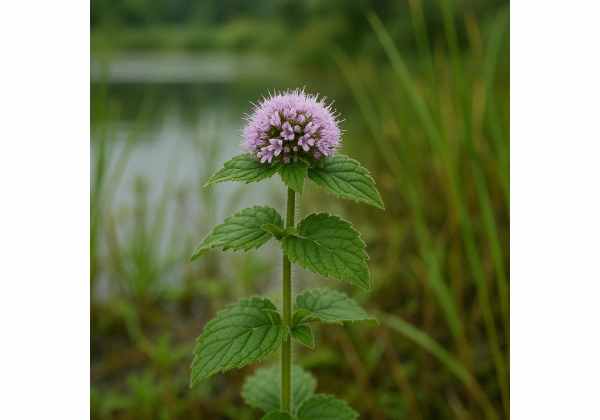
Water mint, or Mentha aquatica, is one of the original wild mints behind modern peppermint. It grows naturally along streams, marshes, and damp meadows, carrying the cool aroma people associate with mint but with a profile of its own. Traditionally, the leaves and flowering tops were used in teas, infusions, and simple household remedies for digestive discomfort, stale breath, mild congestion, and a sense of heaviness after meals.
What makes water mint especially interesting is its dual identity. On one hand, it is a gentle aromatic herb with classic carminative and soothing qualities. On the other, its essential oil chemistry can vary widely, which means concentrated preparations do not always behave like ordinary mint tea. Depending on the plant’s chemotype, the oil may be richer in menthofuran, linalool, 1,8-cineole, or other terpenes, and that matters for both benefits and safety.
For most readers, water mint is best understood as a traditional digestive and aromatic herb with promising antioxidant, antimicrobial, and topical potential. It can be useful, but the form matters. A warm infusion is very different from a concentrated essential oil.
Core Points
- Water mint may help ease mild bloating, post-meal heaviness, and gentle digestive cramping.
- Its extracts and essential oils show antioxidant, antimicrobial, and anti-inflammatory potential in laboratory research.
- A traditional tea range is about 1.5 to 3 g dried aerial parts in 200 to 250 mL hot water, up to 2 or 3 times daily.
- Pregnant or breastfeeding people, young children, and anyone using concentrated essential oil without professional guidance should avoid medicinal self-use.
Table of Contents
- What Water Mint Is and How It Differs From Other Mints
- Key Compounds in Water Mint
- Potential Health Benefits and Medicinal Properties
- Traditional Uses and Modern Practical Applications
- What the Evidence Actually Shows
- Dosage Preparation and Best Forms
- Safety Side Effects and Who Should Avoid It
What Water Mint Is and How It Differs From Other Mints
Water mint is a perennial herb in the mint family, Lamiaceae. It usually grows in wet ground, along ditches, ponds, stream edges, and marshy places. The square stems, opposite leaves, and fragrant foliage clearly identify it as a mint, but its habitat makes it stand out from garden herbs such as basil, sage, or thyme.
Botanically, water mint matters because it is one of the parent species of peppermint. Peppermint is usually described as a hybrid of water mint and spearmint, which helps explain why water mint shares some familiar cooling and digestive qualities while still having a chemistry of its own. Its leaves are often softer and rounder than peppermint leaves, and its aroma can be greener, wetter, and sometimes less sharply menthol-like.
Historically, water mint was not only a medicinal herb. It was also a culinary and household plant. People used it to scent water, flavor food, freshen indoor spaces, and brew simple teas. That practical versatility is still one of its strengths. It sits on the border between food herb and medicinal herb, which often makes it easier to use thoughtfully than more obscure plants with no culinary tradition.
Its classic traditional profile includes:
- aromatic digestive support
- mild carminative action
- breath-freshening use
- warming or cooling comfort depending on preparation
- occasional use in simple steam or inhalation practices
Still, not every mint behaves identically. That is where water mint becomes more nuanced. Peppermint has the strongest modern clinical reputation, especially for irritable bowel syndrome and spasm-related digestive symptoms. Water mint has traditional credibility and emerging preclinical research, but it is not as clinically standardized. This matters because many readers see the word “mint” and assume the evidence transfers perfectly from one species to another. It does not.
Another difference is essential-oil variability. Water mint can express different chemotypes depending on genetics, growing conditions, harvest stage, and region. Some plants yield oils richer in menthofuran, others in linalool or other terpenes. That affects aroma, practical use, and safety.
A useful way to think about water mint is to separate it into three levels:
- Fresh herb and dried leaf for tea, culinary use, and mild traditional support
- Extracts that may concentrate phenolic compounds and other non-volatile constituents
- Essential oil which is far stronger, more variable, and less suitable for casual self-treatment
That distinction helps keep expectations realistic. Water mint is a meaningful medicinal plant, but its strongest role today is still as a gentle aromatic herb rather than as a high-intensity, standardized remedy. Readers looking for post-meal comfort may find it especially appealing because it offers many of mint’s classic qualities in a less commercial and more traditional form.
Key Compounds in Water Mint
Water mint contains two broad groups of compounds that matter most: volatile essential-oil constituents and non-volatile polyphenolic compounds. Together, they shape the herb’s aroma, taste, and medicinal behavior.
The volatile side is what most people notice first. This is the part responsible for the cooling fragrance, the fresh taste, and much of the plant’s traditional digestive and aromatic value. Depending on the chemotype, water mint may contain important amounts of:
- menthofuran
- linalool
- linalyl acetate
- 1,8-cineole
- limonene
- menthone
- smaller amounts of related monoterpenes and sesquiterpenes
This variation is not a minor technical detail. It is one of the central facts about water mint. A water mint plant rich in linalool may feel softer and more floral than one dominated by menthofuran. Another plant may smell more camphoraceous or sharply minty depending on its terpene balance. That is why essential oil from water mint is harder to generalize than tea made from the whole leaf.
The non-volatile side of the plant is equally important for medicinal interpretation. Water mint extracts contain phenolic compounds and flavonoids such as:
- rosmarinic acid
- caffeic acid derivatives
- flavonoid glycosides
- other antioxidant polyphenols
These compounds help explain why water mint extracts attract interest for antioxidant, anti-inflammatory, and protective effects in laboratory studies. In simple terms, the leaf is doing more than delivering aroma. It also carries a wider phytochemical profile that may contribute to tissue-soothing and metabolic effects.
This chemical split leads to a practical rule. Whole-leaf tea and concentrated essential oil should never be treated as interchangeable. Tea exposes the body to a broader, softer mix of constituents and usually at a gentler level. Essential oil delivers a narrow, concentrated fraction of the plant, and that can shift both benefit and risk.
Water mint’s chemistry also explains why it works well in blends. Aromatic herbs often perform best as part of a team rather than as isolated “hero” plants. In digestive formulas, the minty volatile oils may help move gas, refresh the palate, and reduce the sense of post-meal heaviness, while polyphenols add a quieter background layer of support. In that role, water mint shares some territory with fennel for gas and indigestion, though water mint usually feels cooler and lighter.
Another point worth noting is that some mint compounds are desirable in one context and less desirable in another. Commercial mint breeding and essential-oil selection often aim to reduce compounds such as menthofuran and pulegone in certain products. That does not make water mint “dangerous” as a tea herb by default, but it does mean concentrated oil deserves more caution than readers might expect from an ordinary culinary mint.
So when people ask about the “key ingredients” of water mint, the most useful answer is not just a list of names. It is the relationship between them: aromatic terpenes drive scent and immediate sensory effects, while phenolic compounds help explain antioxidant and broader protective potential. Both sides matter, and both are part of what makes water mint more interesting than a simple flavoring herb.
Potential Health Benefits and Medicinal Properties
Water mint’s benefits are best described as plausible, traditional, and partly supported by modern preclinical work. It is not one of the most heavily tested medicinal mints in human trials, but its uses make sense when viewed through its chemistry and long-standing household role.
The clearest traditional benefit is digestive comfort. Water mint has the classic features of an aromatic carminative herb. That means it may help when the problem is functional rather than severe: mild bloating, post-meal heaviness, sluggish digestion, and occasional crampy discomfort. A warm infusion after food can support digestion in several overlapping ways. The aroma stimulates appetite and salivation, the warmth relaxes the stomach, and the volatile oils may help reduce the sensation of tightness or trapped gas.
A second likely benefit is mild antispasmodic support. This is one of the most familiar medicinal actions in mint-family herbs. It does not mean water mint is a proven treatment for intestinal disease. It means it may help relax the kind of transient tension that often shows up after rushed meals, rich food, or stress.
A third area of interest is antioxidant activity. Recent extract studies on Mentha aquatica show strong radical-scavenging capacity and protective effects in laboratory systems. This is important because it supports the idea that water mint is more than a pleasant aromatic herb. Its leaf chemistry appears to have broader biological relevance, especially through phenolic compounds.
A fourth area is antimicrobial and freshening potential. Like other aromatic herbs, water mint has a long history in breath-freshening, mouth-rinsing, and household cleansing contexts. Laboratory data suggest antimicrobial potential, though that should be translated cautiously. It supports practical uses such as freshening infusions and cosmetic applications more than it supports bold claims about treating infection.
A fifth area is topical and cosmetic promise. Water mint is increasingly discussed as a source of ingredients for cleansing, cooling, soothing, and odor-masking products. This is a natural fit for the plant because its refreshing aroma and anti-inflammatory profile lend themselves to skin-care and cosmetic formulations.
The most realistic benefit summary looks like this:
- gentle help for mild bloating and post-meal heaviness
- support for occasional crampy digestive discomfort
- antioxidant potential from polyphenol-rich extracts
- refreshing and mildly antimicrobial action in oral or topical contexts
- possible soothing and purifying value in cosmetic use
At the same time, the article should stay honest about what water mint does not clearly prove. It is not established as a treatment for chronic bowel disease, ulcers in humans, bacterial infection, or major inflammatory disorders. Much of the promising data still lives in extract models, animal studies, or broader mint-family research.
That is why water mint is best framed as a practical herb for everyday support rather than as a disease-directed remedy. For a classic winding-down digestive tea, it can also pair naturally with chamomile for gentler calming and digestive support, especially when tension and stomach tightness overlap.
In short, water mint’s medicinal properties are real, but they are strongest in mild, functional, and comfort-oriented settings. That may sound modest, but for many readers that is exactly where the herb is most useful.
Traditional Uses and Modern Practical Applications
Traditional use gives water mint much of its identity. Unlike a narrowly specialized medicinal plant, it was often used in ordinary life: in the kitchen, in simple teas, in freshening preparations, and in low-tech household care. That broad, everyday history is one reason the plant still feels accessible.
Traditional applications commonly included:
- tea for digestive ease after meals
- aromatic support during colds or stuffiness
- fresh leaves for flavoring drinks and foods
- mouth-freshening rinses and simple infusions
- inclusion in relaxing or cleansing herb blends
The digestive role is especially easy to understand. Aromatic herbs often become “stomach herbs” because they are pleasant to drink, encourage slower eating habits, and help settle the sense of fullness after rich meals. Water mint fits that pattern well. It is not usually the kind of herb people reach for to fix severe pain. It is the kind they use to restore comfort.
In modern practical use, water mint makes the most sense in a few forms.
Tea or infusion is the most straightforward choice. This is closest to the plant’s traditional use and usually offers the best balance of benefit and safety. A simple infusion made from the dried aerial parts can be used after meals, during mild digestive unease, or as a refreshing herbal drink in warm weather.
Fresh culinary herb is another sensible use. Water mint can be added to salads, sauces, cool drinks, fruit, or vegetable dishes. In this form, it behaves more like a food herb than a therapeutic preparation, which is often a very reasonable way to use medicinal plants.
Steam or aromatic use may also be helpful when someone wants a feeling of freshness during a cold or in a stuffy room. The benefit here is mostly sensory. It does not “treat” infection, but it can make breathing feel cleaner or more comfortable for a short time.
Cosmetic and topical use is one of the more interesting modern directions. Water mint now appears in products built around cooling, purifying, or refreshing effects. This aligns well with the plant’s chemistry and avoids some of the overpromising that often happens with internal herbal claims.
It is also worth saying what water mint is not ideal for. It is not a plant that needs to be forced into every format. Capsules, concentrated oils, and improvised high-dose essential-oil use are usually not the smartest entry points. The plant shines most when it is used in the forms that suit its traditional personality.
In blended herbal practice, water mint works best with herbs that complement rather than overpower it. For example, a digestive tea might combine water mint with fennel or ginger, while an evening infusion might lean toward water mint and lemon balm for mild calm and digestive overlap. In both cases, water mint contributes freshness, movement, and aromatic lift.
This is the larger practical lesson. Water mint is not valuable because it is rare or exotic. It is valuable because it does a small set of things well: it refreshes, lightens, settles, and opens. Used with that expectation, it fits beautifully into modern herbal routines.
What the Evidence Actually Shows
The evidence for water mint is promising but uneven. That is the fairest starting point. The plant has real pharmacologic interest, but its strongest modern support comes from preclinical studies and review literature rather than from a large body of human clinical trials.
What looks reasonably supported is this:
- water mint extracts have meaningful antioxidant activity
- the plant contains biologically active phenolics and terpenes
- essential oil and extracts show antimicrobial and anti-inflammatory promise in experimental settings
- there is a credible traditional basis for digestive and aromatic use
Recent work on Mentha aquatica extracts has shown inhibition of oxidative damage, activity against several radical systems, and interesting effects such as inhibition of α-glucosidase in laboratory testing. This does not prove therapeutic use in humans, but it does show the plant deserves attention beyond folklore.
The gastrointestinal evidence is more intriguing than many readers might expect, but it still requires restraint. One animal study on water mint essential oil reported promising effects in peptic-ulcer and inflammatory bowel disease models. That is scientifically worthwhile, yet it remains preclinical evidence. It supports further research, not a confident instruction for readers to self-treat ulcers with mint oil.
The cosmetic and pharmaceutical review literature is also encouraging. Water mint is increasingly discussed as a source of active ingredients for refreshing, soothing, cleansing, and protective formulations. This is one of the most realistic paths for the plant because topical and cosmeceutical applications can sometimes make better use of plant chemistry than casual oral dosing.
At the same time, there are real limits.
First, species-specific human trials are scarce. When people talk about “mint” and evidence, the best human data usually belong to peppermint, not water mint. That distinction is crucial. Water mint may share family traits with peppermint, but shared lineage is not the same as shared evidence.
Second, chemotype variation complicates interpretation. One study’s water mint oil may not resemble another’s closely enough for easy comparison. Different dominant compounds can shift both pharmacology and tolerability.
Third, form matters enormously. Extracts, leaf infusions, and essential oils cannot be collapsed into one evidence bucket. A positive finding for an extract does not automatically validate the raw herb, and a promising animal result for essential oil does not create a safe household dosing guide.
A practical conclusion would look like this:
- Water mint has credible traditional digestive and aromatic use.
- Modern laboratory work supports antioxidant, antimicrobial, and anti-inflammatory potential.
- Human clinical evidence remains limited.
- Essential oil should be treated more cautiously than leaf tea.
That is a balanced evidence position. It respects the plant without overstating it. For readers mainly seeking a proven digestive mint, peppermint still carries more clinical weight. For readers interested in water mint specifically, the best reason to use it is not because it is the strongest mint in the literature, but because it offers a gentler traditional leaf-herb experience with a scientifically interesting profile behind it.
Dosage Preparation and Best Forms
Dosage for water mint depends heavily on the form used. This is where many herb articles become too loose. A few fresh leaves in a drink, a cup of dried-herb tea, and a bottle of essential oil do not belong in the same dosing conversation.
For most adults, the most practical medicinal form is leaf tea. A reasonable traditional range is about 1.5 to 3 g of dried aerial parts in 200 to 250 mL of hot water, taken up to 2 or 3 times daily. This is not a rigid clinical prescription, but it is a sensible traditional range for gentle digestive and aromatic use.
A simple preparation method works well:
- Use dried leaf and flowering tops, or a modest amount of fresh herb.
- Pour freshly boiled water over the herb.
- Cover the cup while steeping for about 5 to 10 minutes.
- Strain and sip slowly, ideally after meals or when discomfort begins.
Covering the cup matters because the volatile oils can escape with steam. If the goal is aroma and digestive support, keeping those vapors in the infusion helps.
Fresh culinary use is easier to dose loosely. A few leaves in salads, sauces, fruit dishes, or summer drinks can add flavor and gentle functional value without turning the plant into a “medicinal dose” problem. For many people, this is the most forgiving and enjoyable way to use water mint.
Tinctures and liquid extracts are less standardized for water mint than for peppermint or other major medicinal herbs. If someone uses them, the product label matters more than generic advice, because extraction ratio and alcohol strength can vary widely.
Essential oil is the form that deserves the most caution. There is no well-established consumer oral dose for water mint essential oil that can be recommended confidently across chemotypes. Because the oil may be rich in compounds such as menthofuran or related terpenes, casual oral self-dosing is not wise. Even for topical use, dilution matters, and patch testing is sensible.
As a rough practical framework:
- tea is the best starting form
- food use is the gentlest form
- extracts require product-specific attention
- essential oil is the least beginner-friendly form
Timing also shapes results. For digestion, water mint usually makes the most sense after meals or at the first sign of post-meal heaviness. For aromatic use during a cold, warm infusion or steam-style use may be more comfortable than cold drinks. For relaxation blends, evening use may suit people who associate mint with freshness but do not find it too stimulating.
Duration should stay moderate. A few days to a couple of weeks of leaf tea for mild functional symptoms is one thing. Long-term daily use of concentrated preparations is another. If symptoms keep returning, the better question is often not “How long can I keep taking this?” but “Why do I keep needing it?”
Readers who mainly want digestive relief but prefer a warmer, less cooling herb sometimes compare water mint with ginger for digestion and nausea support. That comparison is useful because it reminds us that herb choice should match symptom style, not just popularity.
Safety Side Effects and Who Should Avoid It
Water mint is generally gentler as a leaf tea than as a concentrated oil, and that distinction drives nearly the entire safety discussion.
For ordinary tea or culinary use, side effects are usually mild when the herb is used in sensible amounts. The most likely issues are:
- mild stomach irritation in sensitive people
- reflux aggravation in some users
- oral or skin sensitivity in people reactive to aromatic herbs
- allergy in those sensitive to mint-family plants
For concentrated essential oil, the conversation changes. Water mint oil can vary considerably in composition. Some chemotypes are richer in menthofuran or related compounds that commercial mint producers often try to minimize. That does not mean every water mint oil is unsafe, but it does mean concentrated preparations require more caution than the average herbal tea user might expect.
People who should avoid medicinal self-use, especially of concentrated preparations, include:
- Pregnant or breastfeeding people
- Infants and young children
- People with significant reflux or hiatal hernia
- Anyone with liver disease or heavy alcohol use
- People taking multiple medicines and using essential oils internally without supervision
- Those with known allergy to mint-family herbs
Reflux deserves special mention. Mint-family herbs can relax smooth muscle, which may be helpful in one context and unhelpful in another. Someone with crampy digestion may feel better; someone with easy heartburn may feel worse. This is one reason “mint helps digestion” is true only in a qualified sense.
Gallbladder and biliary issues also call for care with concentrated mint oils. This warning is better established for peppermint products, but it is still sensible to be cautious with strong aromatic oils when biliary symptoms are part of the picture.
Topical use should stay conservative. A diluted product is very different from applying essential oil directly to the skin. Undiluted or poorly diluted oil can sting, irritate, or provoke dermatitis. Broken skin, eye area, and mucous membranes are especially poor places to experiment.
Signs to stop use include:
- worsening reflux or upper abdominal burning
- rash, itching, or skin irritation
- nausea after essential-oil exposure
- unusual fatigue or digestive upset after concentrated products
One of the most useful safety lessons with water mint is that traditional leaf use and modern concentrated oil use are not the same risk category. A modest tea after meals is one thing. Self-prescribing a variable essential oil is something else entirely.
If the real goal is mild aromatic respiratory comfort rather than digestive use, people sometimes prefer herbs more clearly built for that role, such as eucalyptus for short-term aromatic congestion relief. That comparison is helpful because it keeps water mint in its proper lane.
The bottom line is balanced rather than alarmist: water mint leaf is usually a reasonable mild herb, but concentrated oil deserves respect. Choose the gentlest effective form, use modest amounts, and avoid treating ordinary culinary familiarity as proof that all preparations are equally safe.
References
- Antioxidant, Phytochemical, and Pharmacological Properties of Algerian Mentha aquatica Extracts 2024 (Preclinical Study) ([PubMed][1])
- Mentha aquatica (Water Mint) as a Source of Active Pharmaceutical and Cosmetic Ingredients: A Critical Review 2024 (Review) ([PubMed][2])
- Gastrointestinal effects of Mentha aquatica L. essential oil 2022 (Preclinical Study) ([PubMed][3])
- A Comprehensive Review of the Key Characteristics of the Genus Mentha, Natural Compounds and Biotechnological Approaches for the Production of Secondary Metabolites 2023 (Review) ([PMC][4])
- Chemical composition of the essential oil from Corsican Mentha aquatica–combined analysis by GC(RI), GC-MS and 13C NMR spectroscopy 2011 (Chemical Analysis) ([PubMed][5])
Disclaimer
This article is for educational purposes only and is not medical advice. Water mint may be suitable as a mild culinary or tea herb for some adults, but concentrated essential oil is not interchangeable with leaf tea and should not be used casually by mouth. Anyone who is pregnant, breastfeeding, has liver or gallbladder disease, struggles with significant reflux, takes prescription medicines, or plans to use concentrated extracts should speak with a qualified healthcare professional before medicinal use.
If you found this article helpful, please share it on Facebook, X, or another platform you prefer.