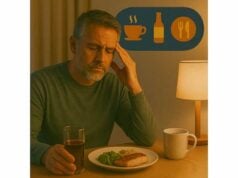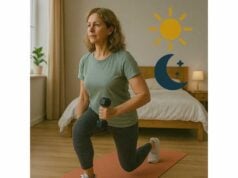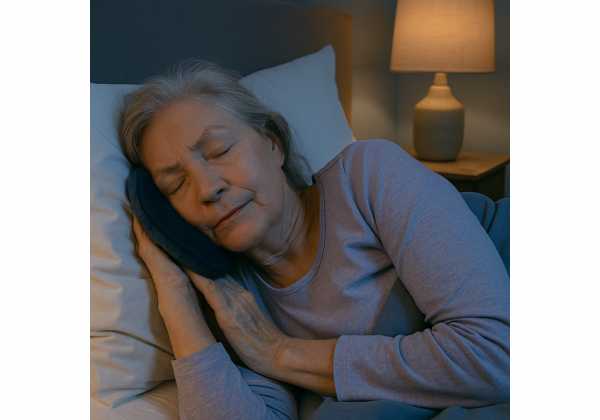
Sleep changes with age, but poor sleep is not something to accept as normal. Many adults notice lighter sleep, earlier waking, more bathroom trips, and fewer mornings that feel fully restorative. Some of that shift reflects normal changes in sleep architecture. Some reflects pain, stress, medication effects, alcohol, sleep apnea, restless legs, low daytime light, irregular schedules, or too little movement.
Deep sleep and REM sleep get the most attention because they support physical repair, memory, mood, and nervous system balance. Still, the best sign of healthy sleep is not one perfect sleep-stage score. It is a steady pattern: enough total sleep, regular timing, fewer long awakenings, stable daytime energy, and recovery that matches the demands of your life. The right target is a sleep system that helps you think clearly, train consistently, regulate appetite, handle stress, and wake with a body that feels ready to move.
Table of Contents
- How Sleep Changes With Age
- Deep Sleep and Physical Recovery
- REM Sleep, Memory, and Emotional Recovery
- Recovery Targets That Actually Help
- Daily Habits That Protect Sleep Quality
- Sleep Problems That Deserve Attention
- Using Wearables Without Chasing Perfect Scores
- A Simple Two-Week Sleep Quality Reset
How Sleep Changes With Age
Healthy adult sleep moves through cycles of non-REM and REM sleep. One cycle lasts roughly 90 minutes, though real nights vary. Non-REM sleep includes light sleep and deep sleep, also called N3 or slow-wave sleep. REM sleep is the stage linked with vivid dreaming, emotional processing, and memory integration.
With aging, sleep often becomes lighter and more fragmented. Deep sleep usually declines most clearly from young adulthood into midlife and later life. REM sleep also tends to shrink slightly or become more interrupted. Older adults often wake more during the night, spend more time in lighter stages, and shift toward earlier sleep and wake times.
These changes do not mean sleep stops working. They mean the margin for disruption gets smaller. A 25-year-old might tolerate late caffeine, a heavy dinner, bright screens, and irregular bedtimes for a while. A 60-year-old usually pays for those same habits with more awakenings, less deep sleep, and a sluggish morning.
Sleep aging also varies widely. Two people of the same age can have very different nights because sleep responds to health, medications, stress, body composition, pain, fitness, light exposure, alcohol, meal timing, and breathing quality. That is why “normal for your age” should never become a reason to ignore poor recovery.
A useful way to understand sleep architecture is to look at the usual role of each stage:
| Sleep feature | Main role | Common aging pattern | Helpful interpretation |
|---|---|---|---|
| Sleep duration | Total time available for repair | Often shortens or becomes split | Aim for enough sleep opportunity before judging stages |
| Sleep efficiency | Percentage of time in bed spent asleep | Often declines with awakenings | A strong signal of sleep continuity |
| Deep sleep | Physical restoration, growth hormone pulses, immune and metabolic support | Often declines with age | Protect it with exercise, regular timing, and less alcohol |
| REM sleep | Memory, learning, mood regulation, nervous system processing | Often becomes more fragmented | Protect the second half of the night |
| Wake after sleep onset | Time awake during the night | Often rises with age | Frequent or long awakenings deserve attention |
Aging changes the structure of sleep, but lifestyle and medical factors shape the final result. This distinction matters because the most effective sleep plan starts with what is fixable.
Deep Sleep and Physical Recovery
Deep sleep is the densest, slowest part of non-REM sleep. Brain waves slow down, heart rate and breathing become steadier, and the body shifts toward repair. Deep sleep supports tissue recovery, immune function, glucose regulation, and the hormonal environment that helps maintain muscle and resilience.
Most deep sleep happens in the first third of the night. That timing makes the early sleep window important. When bedtime gets delayed, alcohol disrupts the first half of the night, or stress keeps the body alert, deep sleep often takes the hit.
Deep sleep also responds to physical demand. Strength training, aerobic conditioning, long walks, and active days tend to strengthen sleep pressure, the biological drive to sleep. A sedentary day with little light and little movement often creates the opposite pattern: the body feels tired, but the brain stays restless.
For longevity, deep sleep matters because it supports the systems that help adults keep functioning well: muscle repair, metabolic control, pain tolerance, immune defense, and next-day training readiness. It also helps explain why sleep quality and body composition often travel together. Poor sleep worsens appetite regulation and glucose control, while better movement and stronger metabolic health often improve sleep.
The aim is not to force a specific deep-sleep number every night. Deep sleep varies from night to night and declines with age. A practical adult range is often about 10–20% of total sleep in younger and middle adulthood, with lower percentages common in later life. Many healthy older adults record less than that, especially on consumer devices. A single low reading means little. A long-term pattern of poor recovery, frequent awakenings, and declining energy means more.
Deep sleep improves when the body receives clear signals:
- Consistent sleep and wake times
- Morning outdoor light
- Enough daytime movement
- Resistance training two to four days weekly
- Cooler bedroom temperature
- Low alcohol intake, especially within 3–4 hours of bed
- A calming wind-down that lowers mental and physical arousal
Adults who train hard need to protect deep sleep even more carefully. Heavy lifting, intervals, sauna, cold exposure, fasting, travel, and work stress all draw from the same recovery budget. A strong training plan includes easier days and deloads, not just more effort. When recovery feels flat, review sleep before adding another performance tactic.
REM Sleep, Memory, and Emotional Recovery
REM sleep increases in the second half of the night. That timing explains why early-morning sleep matters. Cutting sleep short by waking too early often removes a large share of REM sleep, even when the first few hours looked solid.
REM sleep supports emotional processing, memory consolidation, creativity, learning, and nervous system flexibility. It helps the brain sort experience, reduce emotional charge, and connect new information with older knowledge. People often notice REM loss as irritability, low frustration tolerance, fogginess, poor recall, or a sense of feeling “wired but not restored.”
REM sleep also connects closely with mental health. Stress, anxiety, depression, alcohol, untreated sleep apnea, and some medications can alter REM timing and continuity. Nightmares, acting out dreams, or violent movements during dream sleep deserve medical attention, especially in older adults.
A common mistake is treating deep sleep as “good sleep” and REM as optional. That view misses half the recovery picture. Deep sleep helps the body rebuild. REM helps the brain and emotional system recalibrate. A person with decent deep sleep but poor REM can still wake tense, reactive, and mentally dull.
REM sleep usually makes up about 20–25% of sleep in many healthy adults, though age, medications, alcohol, sleep disorders, and device accuracy all affect the number. The most practical REM target is behavioral: preserve the final hours of sleep. That means giving yourself enough time in bed, avoiding alcohol as a sleep aid, treating breathing problems, and keeping morning wake time regular enough that the body trusts its rhythm.
Several habits protect REM:
- Keep sleep opportunity long enough to reach the second half of the night.
- Avoid using alcohol to fall asleep; it fragments later sleep.
- Limit very early alarms after late nights.
- Address chronic stress instead of only extending time in bed.
- Review medications with a clinician if vivid dreams, nightmares, or REM changes appear after a new prescription.
REM sleep also responds to consistency. A person who sleeps 6 hours on weekdays and 9 hours on weekends does not simply “average out” the difference. The body receives mixed timing signals, and recovery becomes less predictable. A steadier schedule usually beats a heroic weekend catch-up.
For readers focused on memory and long-term brain health, sleep belongs beside movement, blood pressure control, hearing, social connection, and metabolic health. The link between sleep and cognition is one reason sleep quality sits close to brain aging and glymphatic clearance in any serious healthspan plan.
Recovery Targets That Actually Help
Recovery targets work best when they guide behavior instead of creating anxiety. Sleep is biological, not a nightly performance test. The body has normal variation. Travel, grief, illness, late meals, hard training, temperature, hormones, and stress all shift sleep stages.
Start with durable targets that matter more than one deep-sleep or REM score.
| Target | Strong range for many adults | Why it matters | What to adjust first |
|---|---|---|---|
| Sleep opportunity | 7.5–9 hours in bed | Gives enough room for 7+ hours of sleep | Bedtime, wake time, evening routine |
| Total sleep | 7–9 hours for most adults; 7–8 hours for many older adults | Supports metabolic, immune, brain, and cardiovascular health | Schedule, light, caffeine, alcohol |
| Sleep efficiency | 85% or higher | Shows time in bed is productive | Insomnia habits, naps, time in bed |
| Sleep latency | About 10–30 minutes | Very long latency suggests arousal; instant sleep suggests sleep debt | Wind-down, stress, caffeine, schedule |
| Wake after sleep onset | Lower is better; repeated long awakenings matter | Fragmentation reduces restoration | Alcohol, apnea, pain, bathroom trips |
| Deep sleep | Track trend, not one-night score | Supports physical repair | Exercise, alcohol, temperature, timing |
| REM sleep | Protect the second half of the night | Supports memory and emotional recovery | Enough sleep time, stress, alcohol |
| Daytime energy | Stable without excessive sleepiness | Best real-world recovery signal | Sleep disorder screening, schedule, workload |
Sleep duration deserves special respect. Adults often ask whether quality can replace quantity. It cannot. Better quality helps, but a short night still limits deep sleep, REM sleep, hormone rhythms, immune function, and learning. A useful starting point is the evidence-based adult recommendation of at least 7 hours on a regular basis. For a deeper look at duration ranges, see how much sleep adults actually need.
The best personal target also includes your daytime function. Strong sleep usually shows up as:
- Waking without panic, pounding heart, or heavy grogginess most days
- Alertness through the morning without repeated caffeine rescue
- Stable appetite and fewer evening cravings
- Better patience and emotional control
- Good training readiness or normal motivation to move
- Fewer aches that improve after warm-up
- Less need for long naps
When these markers improve, your sleep plan is working even if a wearable reports imperfect stages. When these markers decline for more than two weeks, your body is asking for a change.
Daily Habits That Protect Sleep Quality
Sleep quality starts in the morning. The brain sets its body clock through light, movement, food timing, social cues, and temperature. A strong morning signal makes night sleep easier.
Morning outdoor light is the simplest anchor. Bright natural light tells the brain that the day has started, supports alertness, and helps melatonin rise at the right time later. Even 10–20 minutes outdoors in the morning helps. Cloudy light still beats indoor light. People with very early waking or shift-work demands need more specific timing, but most adults benefit from a stable wake time and early daylight. A more detailed circadian plan fits well with morning light and evening darkness habits.
Movement is the next major signal. Walking, strength training, Zone 2 cardio, mobility work, and outdoor activity all help sleep pressure build. Hard exercise late at night does not ruin sleep for everyone, but intense sessions close to bedtime raise body temperature and adrenaline in some adults. Midlife and older adults often sleep best when vigorous training happens earlier and evenings stay lower intensity. For timing details, use exercise timing and sleep as a guide.
Caffeine needs a cutoff. Many adults metabolize caffeine slowly enough that afternoon coffee still affects sleep depth. A practical rule is to stop caffeine 8–10 hours before bedtime. Sensitive sleepers often do better with a noon cutoff.
Alcohol deserves a clear rule: it is not a sleep aid. It can shorten the time it takes to fall asleep, but it fragments later sleep, raises awakenings, worsens snoring and apnea risk, and often reduces REM quality. The effect becomes more noticeable with age because sleep is already lighter. Late heavy meals create similar trouble through reflux, temperature, glucose swings, and bathroom trips. The combined effect of caffeine, alcohol, and dinner timing is covered in timing rules for sleep and longevity.
Temperature matters because the body needs to release heat to fall and stay asleep. A cooler room, breathable bedding, and a warm shower or bath 1–2 hours before bed often help. The warm water raises skin blood flow; the later cooling signal supports sleep onset.
The bedroom should reduce threat signals. Darkness, quiet, a comfortable mattress, and a cool environment tell the brain it is safe to stay asleep. Phones, work messages, bright overhead lights, and emotionally charged media do the opposite. Screen hygiene matters most in the final hour, especially for people who already struggle with delayed sleep or night waking.
A strong evening routine does not need to be elaborate. It needs to be repeatable:
- Dim lights 60–90 minutes before bed.
- Finish work and stressful planning outside the bedroom.
- Keep the same basic hygiene sequence.
- Use a short relaxation practice if your mind races.
- Go to bed when sleepy, not just when the clock says bedtime.
Breathing practices, meditation, stretching, and journaling all work better when they lower arousal rather than become another task. The body learns through repetition. A simple routine done most nights beats a perfect routine done twice.
Sleep Problems That Deserve Attention
Some sleep problems need more than better habits. This is especially true when poor sleep appears with daytime sleepiness, cardiovascular risk, mood changes, cognitive complaints, morning headaches, or a bed partner’s concerns.
Sleep apnea is one of the most important examples. It becomes more common with age and often hides behind “light sleep,” snoring, dry mouth, bathroom trips, morning headaches, or waking unrefreshed. Not everyone with sleep apnea is male, older, or living with obesity. Women and lean adults can have it too, and symptoms sometimes look like insomnia, anxiety, fatigue, or brain fog. Anyone with loud snoring, witnessed pauses in breathing, gasping, resistant high blood pressure, atrial fibrillation, or major daytime sleepiness should review sleep apnea signs, testing, and treatment basics with a qualified clinician.
Insomnia also deserves proper treatment. Chronic insomnia is not just “bad sleep hygiene.” It often involves conditioned arousal: the bed becomes linked with wakefulness, worry, frustration, and clock-watching. The best-supported first-line approach is cognitive behavioral therapy for insomnia, often called CBT-I. It uses sleep scheduling, stimulus control, sleep restriction, cognitive tools, and relapse prevention. People with long-term insomnia often improve when they stop spending excessive time in bed trying to force sleep. The approach is structured and practical, not just positive thinking. A step-by-step explanation belongs in a full CBT-I guide for midlife insomnia.
Restless legs and periodic limb movements can also fragment sleep. Typical restless legs symptoms include an urge to move the legs, discomfort that worsens at rest, relief with movement, and stronger symptoms in the evening. Iron status, kidney function, medications, pregnancy history, and nerve issues can play a role. Treatment depends on the cause, so testing and medication review matter.
Pain and inflammation often create a cycle: poor sleep raises pain sensitivity, and pain fragments sleep. Joint pain, reflux, hot flashes, night sweats, urinary symptoms, and neuropathy all deserve targeted management. Sleep quality improves when the trigger is treated directly rather than covered with sedatives.
Medication review is especially important with aging. Some antihistamines, bladder medications, antidepressants, blood pressure drugs, steroids, decongestants, and sleep medications affect sleep stages, alertness, breathing, dreams, or fall risk. Never stop a prescription abruptly without medical guidance, but do ask whether a medication could be contributing to poor sleep or morning grogginess.
Red flags deserve prompt professional help:
- Falling asleep while driving
- Loud snoring with gasping or witnessed pauses
- New confusion, major memory changes, or morning headaches
- Acting out dreams, punching, kicking, or falling out of bed
- Severe depression, panic, or thoughts of self-harm
- Insomnia lasting more than three months
- Repeated falls or heavy nighttime sedation
- New sleep changes after starting a medication
Better sleep hygiene helps many people. It does not replace diagnosis when symptoms point to a sleep disorder.
Using Wearables Without Chasing Perfect Scores
Wearables are useful for patterns, not perfect truth. Most devices estimate sleep from movement, heart rate, heart rate variability, temperature, and breathing-related signals. They do not read brain waves like a sleep lab study. That means they usually estimate total sleep and sleep timing better than they estimate exact sleep stages.
This matters because deep sleep and REM scores look precise. A device might report 52 minutes of deep sleep or 1 hour 43 minutes of REM. Those numbers feel medical, but they are still estimates. Device models, firmware updates, skin temperature, movement, fit, illness, alcohol, and irregular schedules all influence the output.
Use wearables to answer practical questions:
- Did my bedtime drift later this week?
- Am I getting enough sleep opportunity?
- Do alcohol or late meals raise my awakenings?
- Does morning training improve my sleep?
- Does stress lower my HRV and raise resting heart rate?
- Do I feel better when my sleep schedule is regular?
- Are my naps helping or stealing night sleep?
Do not use wearables to judge your worth, diagnose yourself, or panic over one bad night. Anxiety about sleep scores can worsen sleep. A person can wake feeling fine and then feel stressed after seeing a low score. That reaction is a sign to simplify tracking.
For most adults, three wearable metrics are enough:
- Sleep timing: bedtime, wake time, and regularity.
- Sleep continuity: awakenings, sleep efficiency, and long wake periods.
- Recovery trend: resting heart rate, HRV trend, and subjective energy.
Sleep-stage trends add context, but they should not drive every decision. If a device reports low deep sleep for one night after hard training, that is not a crisis. If deep sleep, REM, HRV, mood, and energy all trend down for two weeks, reduce load and review the basics.
People who enjoy data can pair wearable tracking with a short morning note:
- Energy: 1–5
- Mood: 1–5
- Body soreness: 1–5
- Main sleep disruptor: stress, alcohol, late meal, pain, heat, bathroom, unknown
This simple note often reveals more than the sleep-stage graph. For a fuller view of tracker strengths and limits, see what to track and what to ignore in sleep wearables. Recovery-focused readers can also compare sleep data with HRV and recovery trends instead of relying on sleep stages alone.
A Simple Two-Week Sleep Quality Reset
A two-week reset gives sleep enough consistency to respond. It also helps separate random bad nights from true patterns. Keep it simple and repeatable.
Days 1–3: Set the anchors. Choose a wake time you can keep within 30 minutes every day. Get outdoor light soon after waking. Stop caffeine 8–10 hours before bedtime. Keep alcohol out of the experiment if you want clear results. Write down your baseline energy, bedtime, wake time, and major awakenings.
Days 4–7: Protect the first half of the night. Finish heavy meals at least 3 hours before bed. Keep the bedroom cool and dark. Dim lights in the final hour. Avoid intense work, arguments, or stressful planning in bed. If you train hard, place the hardest sessions earlier in the day when possible.
Days 8–10: Protect the second half of the night. Make sure your sleep opportunity is long enough. Avoid setting an alarm that cuts sleep short after a late bedtime. Keep the same wake time, but move bedtime earlier by 15–30 minutes if you feel sleepy earlier. This protects REM-rich morning sleep without creating too much time awake in bed.
Days 11–14: Review the pattern. Look for changes in daytime energy, sleep efficiency, awakenings, resting heart rate, HRV trend, mood, cravings, and training readiness. Do not judge the reset by one metric. Judge it by whether your days feel steadier.
A strong two-week outcome looks like this:
- Sleep schedule is more regular.
- Falling asleep feels less effortful.
- Awakenings are shorter or less stressful.
- Morning grogginess improves.
- Energy dips are less severe.
- Evening cravings reduce.
- Training feels more predictable.
- Mood feels less reactive.
If nothing improves, do not keep adding random sleep hacks. Look for hidden disruptors: snoring, apnea, restless legs, pain, reflux, hot flashes, medications, depression, anxiety, alcohol, late caffeine, excessive time in bed, or an irregular circadian rhythm. Sleep quality improves fastest when the true bottleneck gets attention.
Healthy aging does not require perfect sleep. It requires enough restorative sleep often enough to support the life you want to live. Deep sleep, REM sleep, and recovery scores all provide clues, but the strongest signal is still how your brain, body, and mood function across real days.
References
- Sleep is essential to health: an American Academy of Sleep Medicine position statement 2021 (Position Statement)
- Behavioral and psychological treatments for chronic insomnia disorder in adults: an American Academy of Sleep Medicine clinical practice guideline 2021 (Guideline)
- Sleep Health in the Older Adults: Architecture, Circadian Changes, and Common Sleep Disorders 2026 (Review)
- Associations between objectively measured sleep parameters and cognition in healthy older adults: A meta-analysis 2023 (Meta-analysis)
- Accuracy of Three Commercial Wearable Devices for Sleep Tracking in Healthy Adults 2024 (Validation Study)
- Recommended Amount of Sleep for a Healthy Adult: A Joint Consensus Statement of the American Academy of Sleep Medicine and Sleep Research Society 2015 (Consensus Statement)
Disclaimer
This article is educational and does not replace care from a qualified health professional. Sleep problems with severe daytime sleepiness, breathing pauses, chest symptoms, dream enactment, major mood changes, or persistent insomnia deserve medical evaluation. Always discuss medication changes, suspected sleep apnea, and chronic sleep disorders with a clinician.