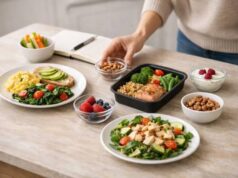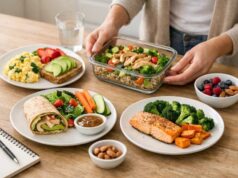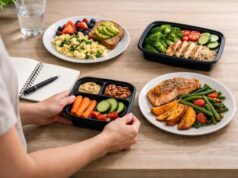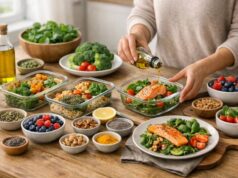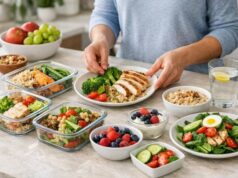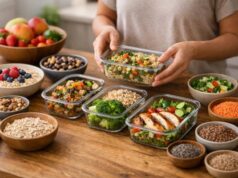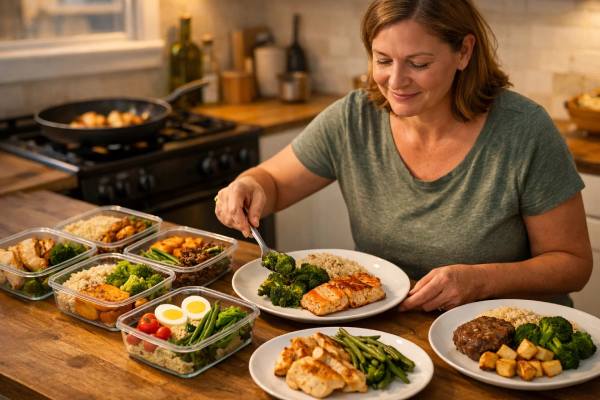
High-protein dinner meal prep can make weight loss much easier because dinner is where many people lose structure. After a long day, hunger is high, decision fatigue kicks in, and takeout or random snacking starts to look much easier than cooking. A few well-planned, protein-forward dinners can solve that problem without making your week feel repetitive or restrictive.
The goal is not to eat plain chicken and broccoli every night. The goal is to build dinners that are satisfying, easy to reheat, and balanced enough to support a calorie deficit while still feeling like real meals. This guide covers how to structure high-protein dinner prep, which foods work best, several practical recipe ideas, storage tips, and the common mistakes that make meal prep less useful than it should be.
Table of Contents
- Why high-protein dinner prep helps with weight loss
- How to build a high-protein dinner
- Best foods for dinner meal prep
- 7 high-protein dinner meal prep ideas
- How to prep, store, and reheat dinners
- Mistakes that make dinner prep less effective
Why high-protein dinner prep helps with weight loss
Dinner often decides whether a day stays on track or not. Breakfast and lunch may be fairly structured because of routine, work hours, or convenience. Dinner is different. It usually happens when hunger is strongest, energy is lowest, and portions are easiest to overshoot. That is exactly why high-protein dinner meal prep works so well for weight loss.
Protein helps because it makes meals more filling and more satisfying. A dinner built around a real protein source tends to control hunger better than a dinner built mostly around refined carbs, snack foods, or restaurant portions. It also makes it easier to finish the evening without drifting into dessert, second helpings, or late-night grazing.
Meal prep adds another layer of protection. When dinner is already cooked or mostly assembled, you are much less likely to default to whatever is fastest and most calorie-dense. Even a simple prepped meal can outperform a “perfect” healthy recipe that takes too much effort on a busy weeknight.
This matters even more in a calorie deficit. Weight loss is rarely undone by one dramatic mistake. It is usually slowed by repeated small choices: extra oil, oversized takeout meals, restaurant portions, after-dinner snacking, and random bites while deciding what to eat. A prepped high-protein dinner cuts down that friction.
A strong dinner prep routine can help you:
- hit your protein target more consistently
- avoid overeating late in the day
- reduce takeout and convenience-food reliance
- make portions more predictable
- stay on plan during busy weekdays
This is one reason dinner prep often works well alongside a broader high-protein grocery strategy and a clear understanding of how much protein per meal helps with fullness. You do not need a complicated system. You need a few reliable meals that are easy enough to repeat.
The best dinner meal prep for weight loss is not the most extreme. It is the kind that still sounds good on Thursday night, fits your calories, and removes the need to negotiate with hunger at the end of the day.
How to build a high-protein dinner
A high-protein dinner should not be just “more protein.” It should be balanced enough to keep you full and enjoyable enough to keep you consistent. The simplest way to do that is to use a repeatable meal structure.
Most effective high-protein dinners include four parts:
- A clear protein anchor
- A high-volume produce component
- A carb source that matches your needs
- Flavor from sauces, seasonings, or fats in controlled amounts
That balance matters because protein alone is not enough. A container of plain ground turkey may technically be high in protein, but it is not a satisfying dinner. You want a meal that feels complete.
A useful structure looks like this:
| Part | Examples | Why it helps |
|---|---|---|
| Protein | Chicken breast, turkey, lean beef, shrimp, salmon, tofu, tempeh | Supports fullness and helps preserve lean mass during weight loss |
| Vegetables | Broccoli, green beans, peppers, zucchini, cauliflower, Brussels sprouts | Adds volume and fiber for relatively few calories |
| Carb source | Rice, potatoes, beans, quinoa, pasta, tortillas | Improves meal satisfaction and supports energy |
| Flavor element | Salsa, yogurt sauce, marinara, soy sauce, spice blends, measured cheese | Makes meals taste better and easier to repeat |
This structure gives you room to adapt dinner to your needs. If you are hungriest at night, you may want more vegetables and a moderate carb portion. If you trained that afternoon, a slightly larger carb serving may fit well. If you prefer lower-carb dinners, you can lean harder on vegetables and protein while still keeping the meal satisfying.
The key is to avoid swinging between two extremes: dinners that are too small to satisfy you, and dinners that are technically healthy but so calorie-dense they erase the deficit. That is why it helps to think in terms of a high-protein plate formula and combine it with foods that work well in a calorie deficit.
A good meal-prepped dinner should answer three questions at once: Does it fit your calories? Does it help you hit protein? Does it sound good enough to eat several times? If the answer to any one of those is no, the plan usually falls apart.
Best foods for dinner meal prep
Not every healthy food is ideal for dinner meal prep. Some proteins dry out, some vegetables turn soggy, and some starches reheat poorly. The best foods for high-protein dinner prep are the ones that hold up well for several days and still taste decent after reheating.
The most reliable protein options are usually:
- chicken breast or chicken thighs
- lean ground turkey
- lean ground beef
- shrimp
- salmon
- extra-firm tofu
- tempeh
- beans and lentils when paired with another protein or used in larger portions
Chicken and turkey are popular because they are versatile, affordable, and easy to season in different ways. Lean beef can work very well for bowls, stir-fries, and pasta-based meals. Shrimp cooks fast and reheats better when not overcooked to begin with. Salmon is convenient for shorter-prep windows, especially if you only want two or three days of dinners at a time.
For vegetables, the most meal-prep-friendly choices are usually roasted or sautéed ones that keep texture fairly well. Broccoli, carrots, cabbage, green beans, peppers, cauliflower, and Brussels sprouts tend to work better than delicate greens in fully assembled containers.
Carbs matter too. Dinner meal prep becomes much more sustainable when the meal feels complete. Good options include:
- potatoes
- rice
- quinoa
- whole-grain pasta
- beans
- tortillas for burrito bowls or wraps
These carb sources can make a big difference in satisfaction. A dinner that is high in protein but too light overall often leads to snacking later. That is why balanced prep meals often work better than ultra-restrictive ones.
Flavor-building foods deserve attention as well. Salsa, marinara, curry paste, taco seasoning, garlic, ginger, lemon, yogurt sauces, mustard, and low-sugar stir-fry sauces can keep meals interesting without adding huge calorie loads. This is especially useful if you want your prepped dinners to feel closer to macro-friendly meals than standard bland meal prep.
The smartest grocery approach is not buying every high-protein food at once. It is choosing a few proteins, a few vegetables, and a few carbs that mix and match easily. That keeps prep practical and makes repetition feel less repetitive.
7 high-protein dinner meal prep ideas
These dinners are designed to be simple, repeatable, and satisfying. Exact calories depend on portions and ingredients, but each one can fit a weight loss plan when built with sensible serving sizes.
1. Chicken burrito bowls
Prep seasoned chicken, rice, black beans, peppers, onions, and salsa. Add shredded lettuce after reheating if you want freshness. These work well because they are balanced, easy to portion, and easy to customize with toppings like Greek yogurt or avocado in measured amounts.
2. Turkey meatballs with potatoes and green beans
Bake lean turkey meatballs in a simple garlic-herb or marinara style. Pair with roasted baby potatoes and green beans. This is one of the easiest “classic dinner” prep options because it reheats well and feels more like a real plated meal than a diet container.
3. High-protein pasta with lean meat sauce
Use lean ground turkey or beef, marinara, and a moderate portion of pasta. Add zucchini or spinach to increase volume. This works especially well for people who want comfort food without making dinner feel restrictive.
4. Sheet pan salmon with vegetables and potatoes
Roast salmon fillets with broccoli or asparagus and cubed potatoes. For best texture, many people prefer prepping this for fewer days at a time rather than a full five-day stretch. It is still one of the easiest high-protein dinners for busy weeks.
5. Stir-fry beef or tofu bowls
Cook lean beef strips or tofu with a large volume of stir-fry vegetables and serve with rice. Use a soy-ginger-garlic sauce or another measured sauce that adds flavor without turning the meal into a hidden-calorie trap.
6. Chicken and lentil skillet
Combine diced chicken breast, lentils, tomatoes, onions, spinach, and spices in a one-pan meal. This boosts both protein and fiber, which can make dinner more filling and reduce late-night hunger.
7. Taco turkey stuffed peppers
Fill halved bell peppers with seasoned ground turkey, beans, salsa, and a little cheese. These are useful when you want a lower-carb dinner that still feels substantial and flavorful.
A good weekly rotation usually includes a mix of bowl-style meals, plated meals, and one comfort-food option. That variety keeps dinner prep from feeling like the same container every night. It also helps to borrow ideas from easy high-protein dinners and high-protein, low-calorie meal ideas when you want to expand beyond the same few recipes.
The goal is not recipe perfection. The goal is having enough reliable dinner options that “I don’t know what to eat” stops being the start of an overeating night.
How to prep, store, and reheat dinners
A good recipe can still fail if the prep system is annoying. The most effective dinner meal prep routines are simple, repeatable, and built around realistic time limits.
A useful method is to prep in layers:
- Choose one or two proteins.
- Choose two vegetables.
- Choose one or two carb sources.
- Prep sauces or toppings separately if needed.
- Portion meals into containers or store components separately for mix-and-match dinners.
This approach gives you structure without forcing every dinner to taste identical. For example, the same batch of cooked chicken can become a burrito bowl one night and a Mediterranean-style plate the next with different seasonings or toppings.
Storage also matters. In general, most cooked dinner preps hold best in the refrigerator for about three to four days. If you are prepping beyond that, freezing part of the batch can protect both quality and food safety. Sauces, herbs, crunchy toppings, and delicate greens usually do better when added later rather than packed into the container from day one.
A few practical tips make a big difference:
- slightly undercook vegetables if they will be reheated
- avoid drowning meals in sauce before storage
- use wider containers so food reheats more evenly
- label containers if you are freezing portions
- cool food before sealing to reduce moisture buildup
Reheating is where texture often gets lost. Proteins like chicken and shrimp can dry out if overheated, so shorter reheating times or adding a spoonful of sauce can help. Rice and potatoes often reheat well with a small splash of water. Bowls, casseroles, and saucy dishes tend to hold up better than very lean dry foods.
It is also smart to prep based on your actual week rather than your ideal week. If Monday through Thursday are hectic but Friday is more flexible, prep for four dinners instead of forcing seven. If you like variety, prep components rather than full meals. That is often more sustainable than a rigid batch-cook approach.
This kind of routine pairs naturally with a broader weekend meal prep system and a solid weight loss grocery list. Once you have a repeatable prep pattern, high-protein dinners stop feeling like a project and start feeling like a normal part of the week.
Mistakes that make dinner prep less effective
Meal prep can fail even when the food itself is healthy. Usually the problem is not lack of effort. It is a mismatch between the plan and real life.
One common mistake is making dinners too small. Many people build a “healthy” dinner that is high in protein but too low in total volume or satisfaction. The result is predictable: they finish dinner and start snacking an hour later. A better dinner usually includes vegetables, a carb source, and enough total food to feel finished.
Another mistake is using protein-only thinking. Protein matters, but a miserable dinner is still a miserable dinner. Meals need flavor, texture, and enough variety to be worth repeating. A little sauce, seasoning, or measured cheese can improve adherence far more than forcing dry food every night.
A third issue is prepping too much of the same meal. Even a good recipe can become unappealing by day four or five. For many people, prepping two dinners in smaller batches works better than one huge batch.
A fourth mistake is ignoring hidden calories. Large amounts of oil, creamy sauces, cheese, dressings, and nut-based add-ons can quickly turn a weight loss dinner into a maintenance-calorie meal. These foods can still fit, but they need to be intentional. This is especially important if you are already eating some foods that commonly show up on lists of foods that make a calorie deficit harder.
A fifth mistake is forgetting convenience at serving time. If a meal needs extra chopping, multiple pans, or complicated reheating, it is less likely to be used when you are tired. Simplicity wins on busy evenings.
Watch for these signs that your dinner prep needs adjustment:
- you keep ordering takeout even though meals are in the fridge
- you feel hungry soon after dinner
- your meals are technically healthy but boring enough to avoid
- you are prepping foods that do not reheat well
- your portions are inconsistent from day to day
The best meal prep routine is not the one with the most containers. It is the one you keep using. High-protein dinner prep should reduce friction, help you stay fuller, and make evenings easier. When it does those three things, it becomes one of the most practical weight loss habits you can build.
References
- Obesity Management in Adults: A Review 2023 (Review)
- Enhanced protein intake on maintaining muscle mass, strength, and physical function in adults with overweight/obesity: A systematic review and meta-analysis 2024 (Systematic Review and Meta-Analysis)
- The role of dietary fibers in regulating appetite, an overview of mechanisms and weight consequences 2024 (Review)
- Efficacy of Meal Replacement Products on Weight and Body Composition in Overweight or Obese Subjects: A Systematic Review and Meta-Analysis 2024 (Systematic Review and Meta-Analysis)
- Meal planning is associated with food variety, diet quality and body weight status in a large sample of French adults 2017 (Observational Study)
Disclaimer
This article is for general educational purposes only and is not a substitute for medical or nutrition advice. Protein needs, calorie targets, and meal timing can vary based on your health history, medications, activity level, and weight loss goals. If you have kidney disease, diabetes, digestive issues, or a history of disordered eating, talk with a doctor or registered dietitian before making major dietary changes.
If this article helped you, please share it on Facebook, X, or any other platform where it could help someone else.