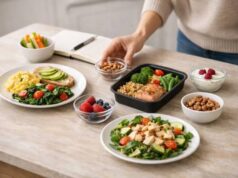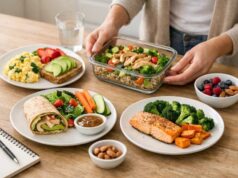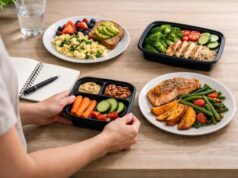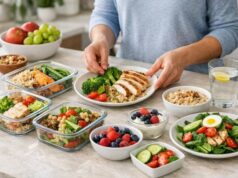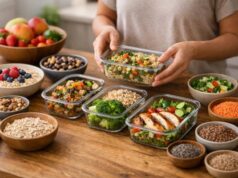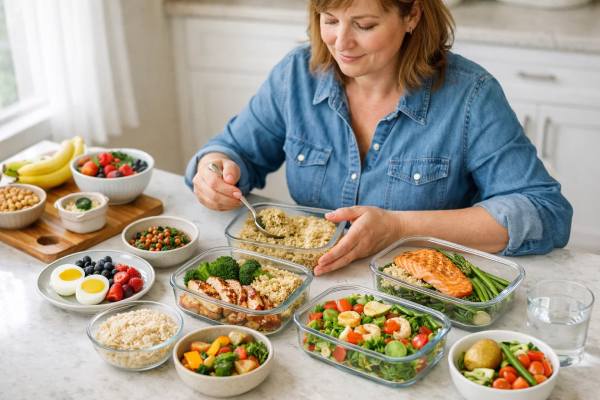
Following a gluten-free diet while trying to lose weight can feel restrictive at first, but it doesn’t have to be. With the right food choices and a structured approach, a gluten-free meal plan can support a calorie deficit, improve digestion for those sensitive to gluten, and still keep meals satisfying and balanced.
This guide breaks down exactly what to eat, how to structure your meals, and includes a practical 7-day gluten-free menu designed for weight loss—without relying on ultra-processed “gluten-free” substitutes that often slow progress.
Table of Contents
- What a Gluten-Free Diet Means for Weight Loss
- Best Gluten-Free Foods for Fat Loss
- Gluten-Free Foods to Limit for Weight Loss
- 7-Day Gluten-Free Meal Plan for Weight Loss
- How to Build Balanced Gluten-Free Meals
- Meal Prep Tips and Practical Adjustments
What a Gluten-Free Diet Means for Weight Loss
A gluten-free diet removes all sources of gluten, a protein found in wheat, barley, and rye. For people with celiac disease or gluten sensitivity, avoiding gluten is essential. For others, it’s optional—but it can still be structured in a way that supports fat loss.
The key point: gluten-free does not automatically mean weight loss-friendly.
Weight loss still depends on maintaining a calorie deficit. If you replace bread and pasta with high-calorie gluten-free alternatives, progress may stall. On the other hand, focusing on whole, naturally gluten-free foods can make weight loss easier.
A well-designed gluten-free weight loss plan emphasizes:
- Lean protein to support muscle and reduce hunger
- High-fiber foods for fullness
- Low-energy-density foods (more volume, fewer calories)
- Minimally processed ingredients
This approach aligns closely with strategies used in a sustainable calorie deficit, where hunger control and consistency matter more than strict food rules.
Who benefits most from this approach?
- People with gluten intolerance or celiac disease
- Those who feel less bloated or more energized without gluten
- Anyone willing to prioritize whole foods over packaged substitutes
If you don’t need to avoid gluten medically, the biggest advantage of this diet comes from food quality improvements, not gluten elimination itself.
Best Gluten-Free Foods for Fat Loss
The most effective gluten-free meal plans rely on foods that are naturally free of gluten—not processed replacements. These foods tend to be more filling, lower in calories, and better for long-term results.
High-protein gluten-free foods
Protein is the foundation of any weight loss plan. It helps preserve muscle and keeps you full longer.
- Chicken breast, turkey, lean beef
- Fish and seafood (salmon, tuna, shrimp)
- Eggs and egg whites
- Greek yogurt and cottage cheese (if tolerated)
- Tofu and tempeh
- Protein powders labeled gluten-free
If you’re unsure how much protein to aim for, see protein targets per meal for weight loss.
High-fiber gluten-free carbs
Fiber helps control appetite and supports digestion.
- Quinoa, brown rice, buckwheat
- Oats labeled gluten-free
- Lentils, chickpeas, beans
- Fruits like berries, apples, pears
- Vegetables like broccoli, spinach, zucchini
These options are also highlighted in smart carb choices for fat loss.
Healthy fats for satiety
Fat slows digestion and improves meal satisfaction.
- Avocado
- Olive oil
- Nuts and seeds (almonds, chia, flax)
The key is portion control, since fats are calorie-dense.
Low-calorie, high-volume foods
To stay full while eating fewer calories, prioritize:
- Leafy greens
- Cucumbers, tomatoes, peppers
- Soups and broth-based meals
This strategy overlaps with high-volume, low-calorie eating, which can make a gluten-free diet easier to sustain.
Gluten-Free Foods to Limit for Weight Loss
One of the most common mistakes is assuming all gluten-free products are healthy. Many are highly processed and calorie-dense.
Packaged gluten-free substitutes
- Gluten-free bread, pastries, and cookies
- Crackers made from refined starches
- Gluten-free pasta made with white rice flour
These foods often contain:
- Added sugars
- Refined starches
- Low fiber content
They can spike hunger and make it harder to stay in a calorie deficit.
Hidden calorie traps
Even naturally gluten-free foods can slow progress if portions are too large:
- Nuts and nut butters
- Oils and dressings
- Dried fruit
“Health halo” foods
Some gluten-free products are marketed as healthy but still high in calories:
- Gluten-free granola
- Energy bars
- Smoothie bowls with large portions
To stay on track, focus on whole foods and keep processed gluten-free products as occasional additions rather than staples.
If you want a broader overview of what slows fat loss, review common foods that make weight loss harder.
7-Day Gluten-Free Meal Plan for Weight Loss
This sample plan provides balanced, calorie-controlled meals using whole, gluten-free ingredients. Adjust portions based on your calorie needs.
| Day | Breakfast | Lunch | Dinner | Snack |
|---|---|---|---|---|
| Day 1 | Greek yogurt with berries and chia seeds | Grilled chicken quinoa salad | Salmon with roasted vegetables | Apple with almond butter |
| Day 2 | Omelet with spinach and mushrooms | Turkey lettuce wraps with avocado | Lean beef stir-fry with rice | Greek yogurt |
| Day 3 | Smoothie with protein powder and berries | Lentil and vegetable bowl | Chicken with sweet potato and broccoli | Carrots with hummus |
| Day 4 | Chia pudding with fruit | Tuna salad with olive oil dressing | Turkey meatballs with zucchini noodles | Boiled eggs |
| Day 5 | Egg scramble with peppers | Chicken and rice bowl | Shrimp stir-fry with vegetables | Protein shake |
| Day 6 | Gluten-free oats with berries | Quinoa chickpea salad | Grilled fish with salad | Mixed nuts (small portion) |
| Day 7 | Yogurt with fruit | Leftover protein bowl | Chicken stir-fry | Dark chocolate (small portion) |
This structure follows the same principles used in a balanced 1,400-calorie meal plan, adapted for gluten-free eating.
How to Build Balanced Gluten-Free Meals
Instead of relying only on meal plans, it’s more effective to understand how to build your own meals. This gives you flexibility and helps you stay consistent long-term.
A simple structure works well:
1. Start with protein
Aim for 20–40 grams per meal depending on your needs.
Examples:
- Chicken, fish, eggs
- Greek yogurt or tofu
2. Add fiber-rich carbs
Choose one:
- Rice, quinoa, or potatoes
- Beans or lentils
- Fruit or vegetables
3. Include healthy fats
Keep portions moderate:
- Olive oil (1–2 teaspoons)
- Avocado (¼–½)
- Nuts (small handful)
4. Fill the rest with vegetables
This increases meal volume without adding many calories.
For a simple formula, you can also follow how to build a high-protein plate, adapting it to gluten-free ingredients.
Example balanced plate
- Grilled chicken (protein)
- Quinoa (carbs + fiber)
- Roasted vegetables (volume)
- Olive oil drizzle (fat)
This type of meal keeps you full and makes it easier to maintain a calorie deficit without feeling restricted.
Meal Prep Tips and Practical Adjustments
Consistency matters more than perfection. Meal prep helps reduce decision fatigue and keeps your diet on track.
Simple meal prep strategy
- Cook protein in bulk (chicken, fish, or tofu)
- Prepare 1–2 carb sources (rice, quinoa, potatoes)
- Chop or roast vegetables
- Store meals in containers for 2–3 days
This approach is similar to a simple weekend meal prep system.
Smart substitutions
- Replace pasta with zucchini noodles or rice
- Use lettuce wraps instead of bread
- Swap flour with almond or oat flour (gluten-free)
Eating out while gluten-free
- Choose grilled protein and vegetables
- Ask for sauces on the side
- Avoid fried foods unless confirmed gluten-free
When to adjust calories
If progress slows:
- Reduce portion sizes slightly
- Increase protein or vegetables
- Review hidden calories (oils, snacks)
If you’re unsure about your intake, review how many calories to eat for weight loss.
References
- Health Benefits and Adverse Effects of a Gluten-Free Diet in Non–Celiac Disease Patients 2020 (Review)
- Dietary Protein and Weight Management: A Review of the Evidence 2019 (Review)
- Role of Dietary Fiber in Promoting Weight Loss and Improving Health 2018 (Review)
- Ultra-Processed Foods and Obesity: What We Know 2019 (Review)
Disclaimer
This article is for general educational purposes only and does not replace medical or dietary advice. If you have celiac disease, gluten sensitivity, or a medical condition affecting your diet or weight, consult a qualified healthcare professional or registered dietitian before making significant dietary changes.
If you found this helpful, consider sharing it on Facebook, X (formerly Twitter), or your favorite platform to help others plan a healthier, gluten-free approach to weight loss.